
Picture this: it’s 7:15 a.m., your phone alarm has already snoozed three times, the bus stop is calling your name, and you’re still deciding what to eat. You dash to the kitchen, grab that soft Agege bread, drown it in margarine, and chase it with a steaming cup of milo or tea (with two… okay, maybe three cubes of sugar). Or maybe you stop at the roadside for akara and a mountain of pap.
Familiar? Same here.
The thing is, as comforting and quick as these breakfasts are, many of them send our blood sugar on a rollercoaster ride — shooting up fast and then crashing just in time for that 11 a.m. hunger (and mood swing).
But here’s the good news: Nigerian food is rich, diverse, and more than capable of giving you a breakfast that’s satisfying and steady on your blood sugar. Whether you’re managing diabetes, watching your weight, or just tired of the mid-morning slump, there are plenty of local options that work in your favour. Let’s talk about them.
Why Sugar Spikes Matter
In simple terms, a sugar spike is what happens when you eat a meal (often one loaded with refined carbs or sugar) and your blood sugar level shoots up faster than Lagos rent prices. Your body responds by quickly releasing insulin to pull that sugar out of your blood and into your cells. The drop that follows can leave you feeling tired, hungry again, and sometimes even cranky.
Now, an occasional sugar spike is no big deal — our bodies are built to handle them. But when it becomes a daily ritual, especially first thing in the morning, it can set the tone for your whole day: energy swings, cravings, and that “why am I hungry again?” feeling by 10:30 a.m. Long-term, frequent spikes can raise the risk of diabetes, weight gain, and other health problems.
Here’s the Nigerian reality: our typical breakfast favourites — white bread, yam, ripe plantain, garri-based pap — are often heavy on fast-digesting carbs. They taste great, but they burn through your energy quickly. The trick isn’t to give them up completely, but to pair or swap them with foods that release energy slowly, so you stay full and alert for longer.
Principles of a Blood Sugar-Friendly Breakfast
First things first — a sugar-friendly breakfast is not about eating boring food or counting every calorie like you’re preparing for an exam. It’s about eating in a way that gives your body fuel that lasts. Think of it like topping up your fuel tank with quality petrol, not the one that finishes halfway to work.
Here are three simple ideas to keep in mind:
1. Pair carbs with protein or healthy fats: Carbs alone (especially the white, fluffy, “melt in your mouth” kind) digest fast. When you add eggs, beans, groundnuts, or avocado, it slows things down, giving your body steady energy instead of a sugar surge.
2. Add fibre: Fibre is like a speed bump for sugar — it slows how quickly sugar gets into your blood. This means more sustained energy. In Nigerian terms, this could mean adding vegetables, choosing whole grain bread instead of white, or mixing your pap with some protein.
3. Watch portions, not just ingredients: Even “healthy” foods can spike sugar if you eat them in mountain-sized portions. You don’t have to starve yourself, just eat till you’re satisfied, not stuffed.
Keep these in mind, and you’ll see how easy it is to tweak your breakfast without feeling like you’re missing out.
Read: Health Trend Alert: What’s Hot, What’s Not, and What Really Works
6 Nigerian Breakfasts That Don’t Spike Sugar
Here’s the fun part — let’s talk about the tasty local options that won’t have your blood sugar bouncing like a danfo on bad roads.
a. Moi Moi + Veggies

Moi moi is a gem. It’s made from blended beans, steamed to perfection, and naturally rich in protein and fibre. That means it’s slow to digest, giving you sustained energy. You can boost it further by adding vegetables like sautéed spinach, cucumber slices, or even some fresh tomatoes on the side. Bonus: moi moi is light on the stomach but still filling enough to keep you going till lunch.
b. Oatmeal with Groundnuts & Fruit
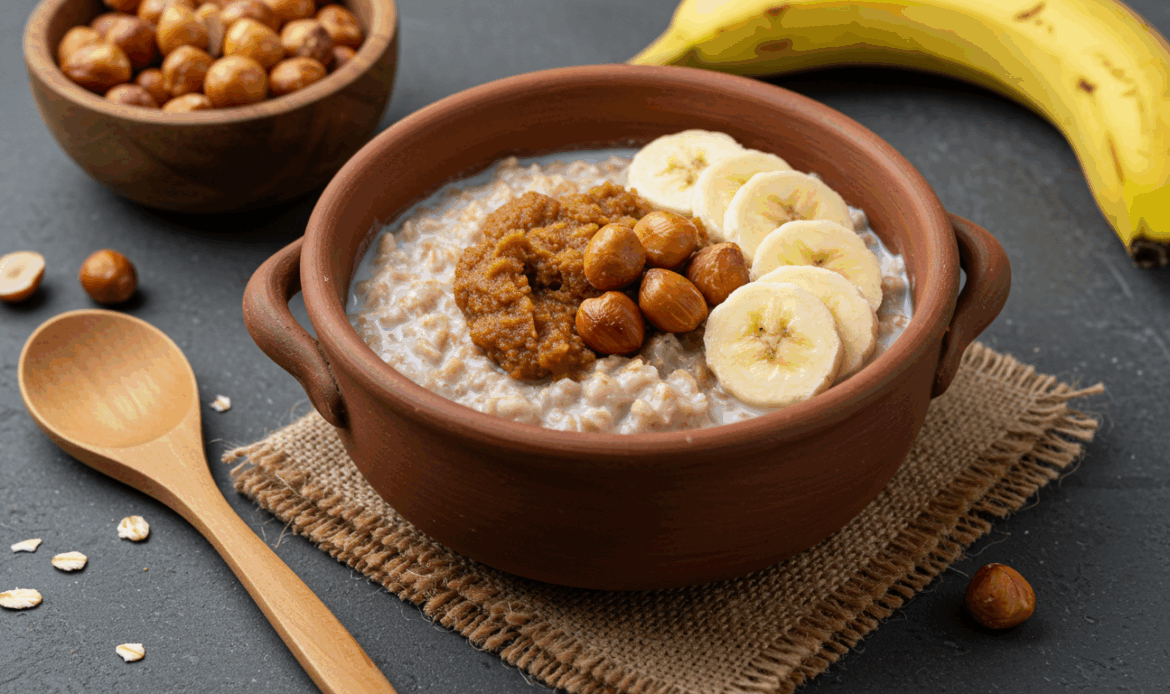
Oats are like the wise elder in the breakfast family — they don’t rush. Go for rolled oats, not the instant sugary packets. Cook them in water or milk, then top with a handful of groundnuts or a tablespoon of peanut butter. Add slices of banana or pawpaw for natural sweetness. The healthy fats from groundnuts slow sugar release, while the fibre in oats keeps you satisfied for hours.
c. Boiled or Roasted Sweet Potatoes + Egg Sauce
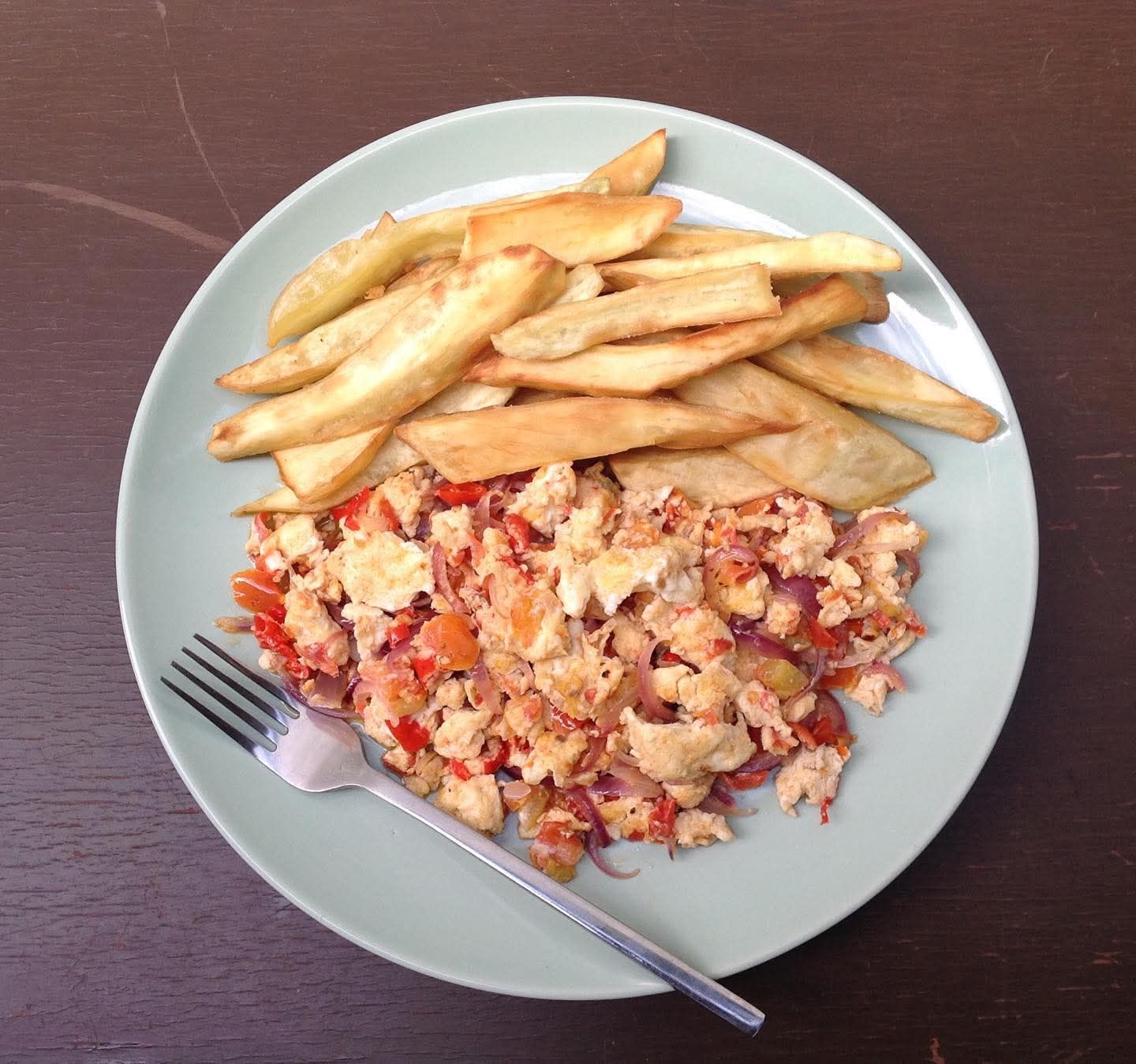
Sweet potatoes may taste sweet, but they actually have a gentler effect on blood sugar compared to white bread or yam. Pair them with egg sauce (tomatoes, peppers, onions, eggs) for protein, and you’ve got a breakfast that’s colourful, tasty, and energy-friendly. Roast them for extra flavour, or boil for a softer bite.
d. Akara + Pap (Tweaked)

Now, akara and pap is a Nigerian classic, but pap can spike sugar on its own. The hack? Serve a smaller portion of pap, make it thicker, and add milk for extra protein. Let the star be the akara (beans again for the win) and maybe throw in some cucumber slices or a boiled egg on the side. That way, your breakfast has more balance and less sugar rush.
e. Plantain + Beans Porridge
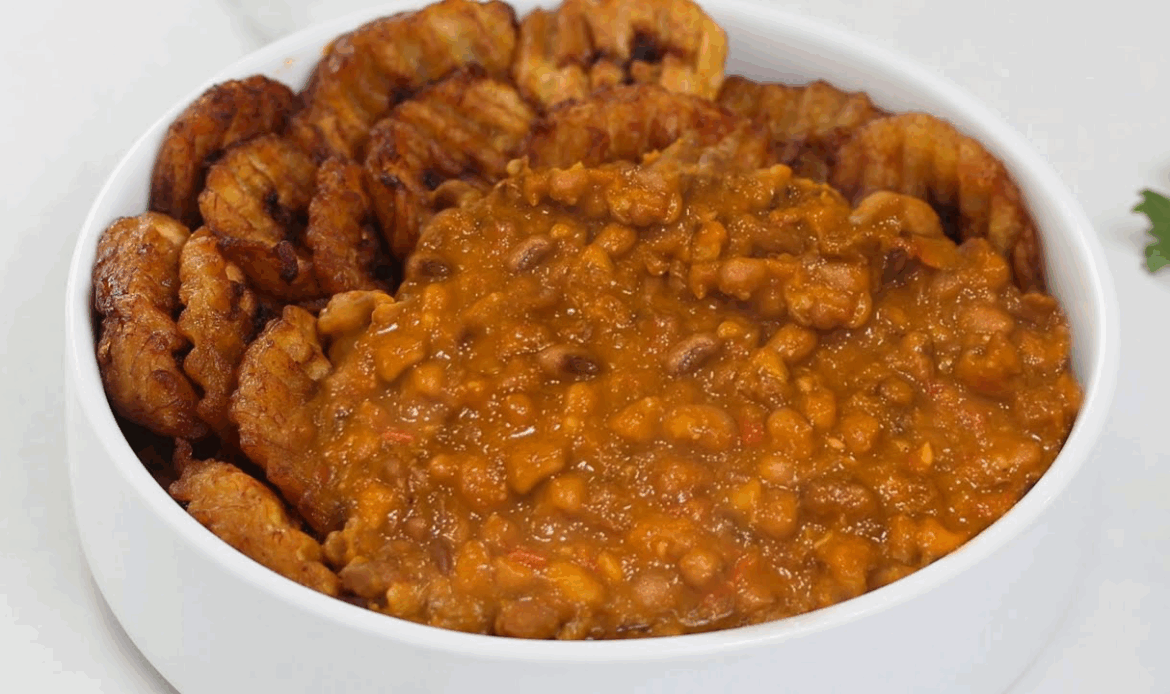
This combo is the definition of slow-and-steady fuel. Beans are rich in protein and fibre, while plantain (especially semi-ripe) adds a touch of sweetness without overwhelming your blood sugar. Cook your beans with just a little palm oil for healthy fat and flavour, and add chopped vegetables to level up the nutrition.
f. Whole Wheat Bread + Avocado + Eggs
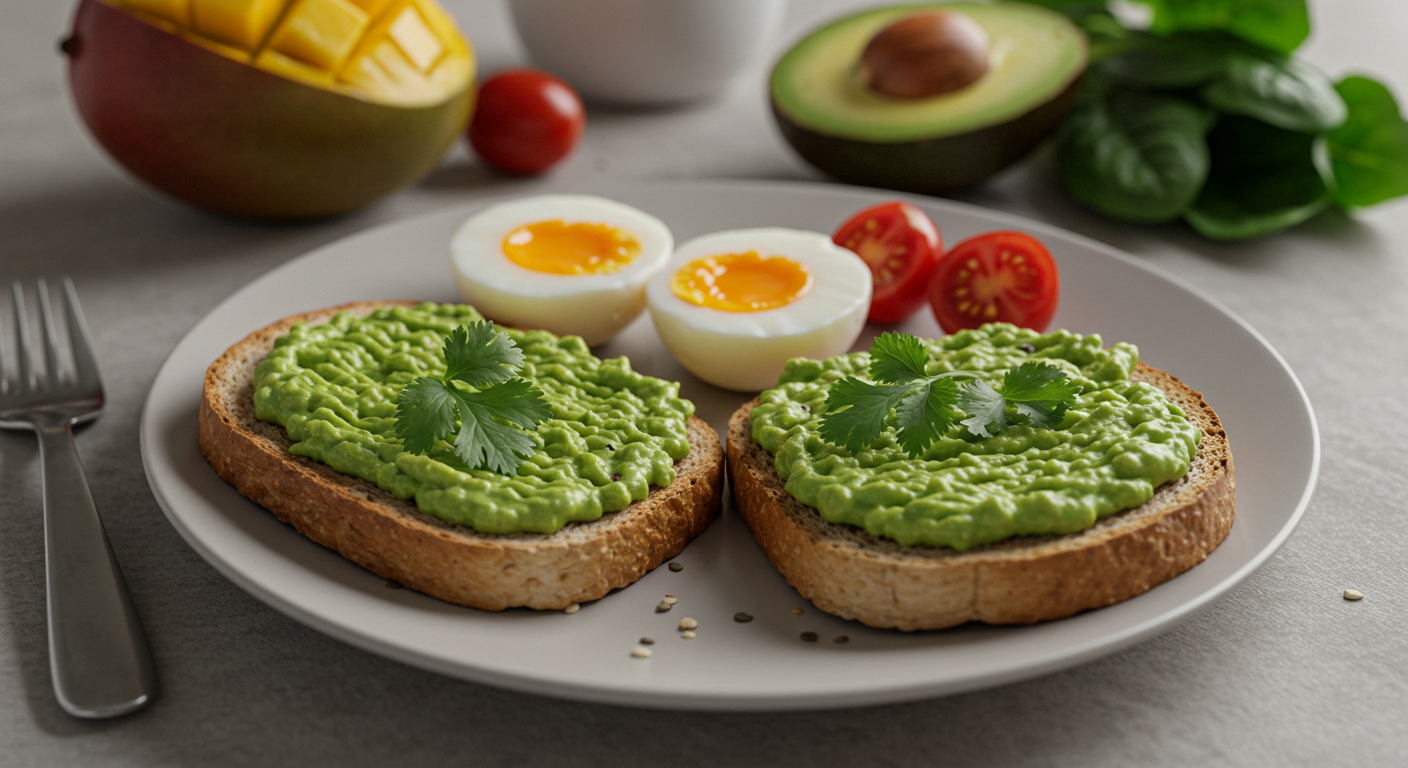
Whole wheat bread digests slower than white bread, meaning your body gets energy more gradually. Spread avocado for healthy fat, then add boiled or scrambled eggs for protein. This combo is not only balanced but also tastes like something from a brunch café — except you made it in your own kitchen.
Read: Healthy Ways To Boost Your Mood Naturally
Tips to Keep Breakfast Sugar-Friendly
Even if you love your bread, pap, or yam, there are simple tricks to keep them from turning your blood sugar into a bouncing castle:
Avoid sugary drinks in the morning. That “extra energy” soft drink or super-sweet tea will spike you faster than anything else. Go for water, zobo without sugar, or unsweetened tea/coffee instead.
Balance your plate. If half your plate is carbs, fill the rest with protein (eggs, beans, fish) and/or vegetables.Mind the portion sizes. Even healthy foods can raise sugar if you overload your plate. A little moderation goes a long way.
Plan ahead. Sometimes the reason we default to white bread and milo is because we’re rushing. Prepping beans, boiling eggs, or cutting veggies the night before can save you from the sugar trap.
Eat Healthy – Seriously
At the end of the day, breakfast is supposed to fuel you — not drain you before lunch. And the beauty of Nigerian food is that we don’t have to import expensive health trends to eat better. Our local meals, when combined thoughtfully, can keep blood sugar steady, energy high, and mood stable.
So the next time you’re reaching for that giant chunk of Agege bread or a mountain of pap, think about a little tweak: swap, pair, or portion it differently. Try moi moi with veggies, sweet potatoes with egg sauce, or oats with groundnuts. Small changes add up, and your body will notice the difference.
Your mid-morning self will thank you. So will your 11 a.m. energy levels.