
Christmas everywhere has a rhythm of its own. Especially in Nigeria. Food is everywhere. There are road trips to the village, cousins filling the house, children finally free from school, shared plates, late-night suya stops, and endless celebrations. You eat at home, at parties, at your neighbour’s place, and sometimes straight from the roadside because the smell was too good to resist. In the middle of all this excitement, a quiet question pops up for many people: should I deworm before all this eating begins?
It is a fair question. Festive seasons often mean relaxed hygiene, crowded spaces, and exposure to food and water from many sources. This article helps you understand whether deworming before Christmas makes sense, who really needs it, and how to make a safe, informed decision before the celebrations peak.
What Worm Infections Really Do to Your Body (And Why You Might Not Notice)

Intestinal worms, also called helminths, are parasites that live in the gut and survive by feeding on the nutrients meant for your body. In Nigeria, worm infections are far more common than many people realize. Poor environmental sanitation, untreated water, improperly washed fruits and vegetables, street food exposure, and even walking barefoot on contaminated soil all make infection easy for both adults and children.
What makes worms tricky is how quietly they operate. You can carry them for months or even years without dramatic symptoms. Instead, they slowly drain your energy, interfere with nutrient absorption, and weaken your immune system. Over time, this can show up as constant tiredness, poor appetite, bloating, frequent stomach discomfort, pale skin from anemia, or getting sick more often than usual.
During Christmas, heavy eating can make things worse. Rich meals, increased portions, and irregular eating times can intensify bloating, stomach pain, and discomfort caused by worms. So while the food looks like the problem, the real issue might already be living quietly in your gut.
Read: Smart Ways to Celebrate December
Why Christmas Season Increases Your Risk of Worm Infections
Christmas changes routines, and that shift alone increases the risk of picking up intestinal worms. During the festive period, people eat from many sources. You buy food on the road while travelling, eat from street vendors, attend parties, and share meals with extended family and friends. Not all food is prepared or handled under the best hygienic conditions, even when it looks clean.
Crowded gatherings also play a role. More people using shared toilets, limited handwashing facilities, and children moving from one place to another make it easier for worm eggs to spread. Fruits may be rinsed quickly instead of properly washed, while flies hover freely around food during outdoor celebrations.
Children are especially vulnerable at this time. They play on bare ground, touch everything, forget to wash their hands, and often put their fingers in their mouths. Adults are not exempt either, especially those travelling to rural areas where sanitation and clean water may be limited. When one person in a household is infected, reinfection spreads easily, making family-wide deworming an important consideration.
Should You Deworm Before Christmas? Timing, Safety, and What Doctors Recommend
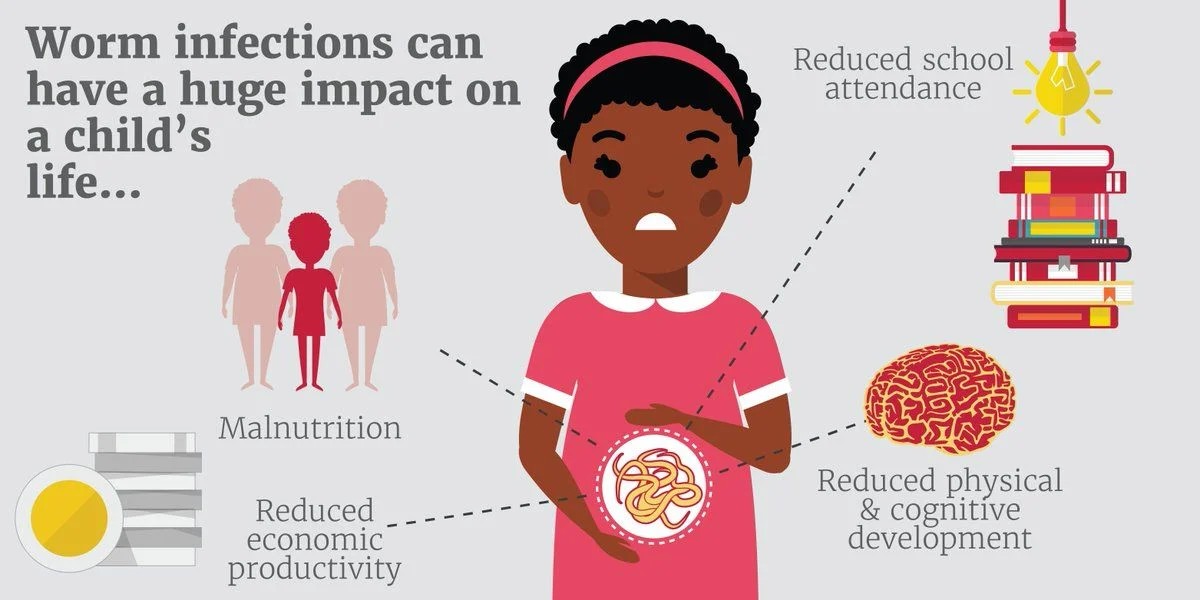
The short answer is yes, deworming before Christmas can be helpful for many people, but it should be done thoughtfully. Doctors often recommend deworming every four to six months in environments where worm infections are common, which includes many parts of Nigeria. If your last deworming was several months ago, doing it a few weeks before the heavy Christmas feasting begins can help reduce discomfort and improve nutrient absorption during the season.
Timing matters. Taking deworming medication one to three weeks before major festivities gives your body time to clear the worms before you start eating more frequently and in larger portions. Deworming also works best when everyone in the household does it together. This reduces the chance of reinfection, especially in homes with children who play together and share items daily.
The most commonly used medications are albendazole and mebendazole. They are widely available, effective, and generally safe for adults and children over two years old. However, they are not recommended for pregnant women, especially in the first trimester, children under two, or people with certain liver conditions unless advised by a doctor.
Many people believe you must fast before taking deworming medicine, but modern drugs do not require this. You can take them with or without food. Mild side effects like stomach discomfort or nausea may occur, but they are usually short-lived and harmless.
Read: Can I Oblee This December on a Budget?
Signs It Might Be Time to Deworm, Before You Blame the Food
Sometimes, the signs are there, but we blame the wrong thing. That constant stomach discomfort after meals, frequent bloating, or cramps around the navel may not always be from oily food or overeating. Worm infections often show up quietly. You may notice a poor appetite, unexplained weight loss, or feeling tired no matter how much you rest. Some people feel weak, pale, or fall sick often because worms reduce the body’s ability to absorb nutrients.
In children, the signs can be more obvious. Restless sleep, frequent night crying, teeth grinding, and itching around the anus are common, especially with pinworm infections. If a child keeps scratching and putting their hands in their mouth, reinfection happens easily.
Even without clear symptoms, preventive deworming is often advised in high-risk environments like Nigeria. Many people carry worms without knowing, which is why routine deworming every few months remains important.
A Small Step for a Healthier Christmas
Deworming before Christmas is not about panic or fear. It is about preparation. The festive season comes with more food, more travel, and more exposure, so taking simple preventive steps can make a real difference. Deworming works best when combined with good hygiene, clean drinking water, properly washed fruits, and well-cooked meals.
Christmas should be about enjoyment, rest, and togetherness, not stomach pain or constant fatigue. Taking care of your health ahead of time allows you to enjoy the season fully. So celebrate freely, eat well, and laugh loudly, just make sure hidden parasites are not celebrating with you.
For more tips on healthy living and how you can enjoy your Christmas without issues, follow RefinedNG.