We found something interesting this week. You most likely have seen it, but we want to tell you about it anyway. You know how everyone dreams as kids about what they want to become? Some say doctor, some say lawyer, some say president. Eniola Shokunbi also had a dream.
Eniola Shokunbi did not grow up dreaming about science labs. She wanted to become the first African American woman President of the United States. So anything connected to the White House always caught her attention. One day, a classmate brought an article to school about a new air purifier being used there. That small moment changed her focus.
At the time, the world was still dealing with COVID-19. Schools were thinking about airborne viruses and how they spread indoors. Engineers had created a low-cost air filter called the Corsi-Rosenthal box. It used simple materials but cleaned air effectively.
When Eniola learned that versions of this filter were being used in important buildings, she paid attention. Then she asked a simple question: if it works there, why not in her classroom? That question moved her from curiosity to action.
From Classroom Idea to “Owl Force One”

Soon after, her fifth-grade teacher gave the class an assignment. They had to design a solution that could make schools safer during future pandemics. Eniola already had her answer. She wanted to improve the air inside her classroom.
Eniola had noticed classmates missing school because of allergies and flu symptoms. She researched indoor air quality and learned that poor ventilation can make illnesses spread faster. Instead of stopping at research, she reached out for help. She wrote to Marina Creed at the University of Connecticut’s Indoor Air Quality Initiative.
Creed responded. She sent instructions and arranged for scientists to help the class build the filter. Working together, the students built their own version. They shaped it like their school mascot, an owl. They added wings, eyes, and a beak, and they named it “Owl Force One.”
Before long, they built enough units for every classroom in the school.
Read: From Kaduna to Global Stage: Abel Otitoju Wins Shutterstock Award
The $60 Design That Passed Federal Testing
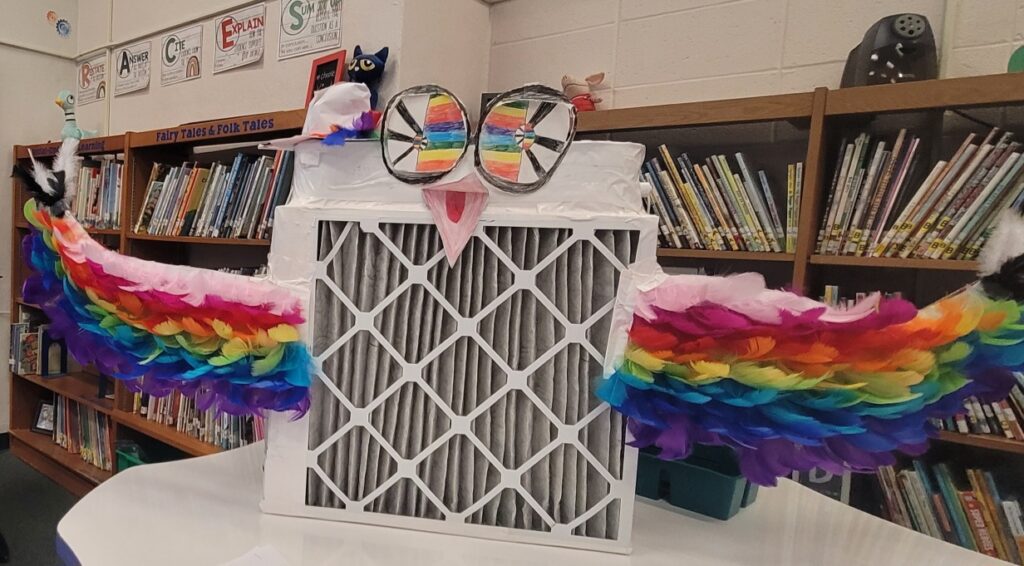
The design was simple. It used a box fan, four furnace filters, cardboard, and duct tape. The total cost was about $60 per unit. Many commercial air purifiers cost hundreds of dollars. Eniola’s version made clean air more affordable.
The system works in a clear way. Air pulls in through the filters on all sides. The fan pushes the cleaned air out through the top. The setup may look basic, but it works.
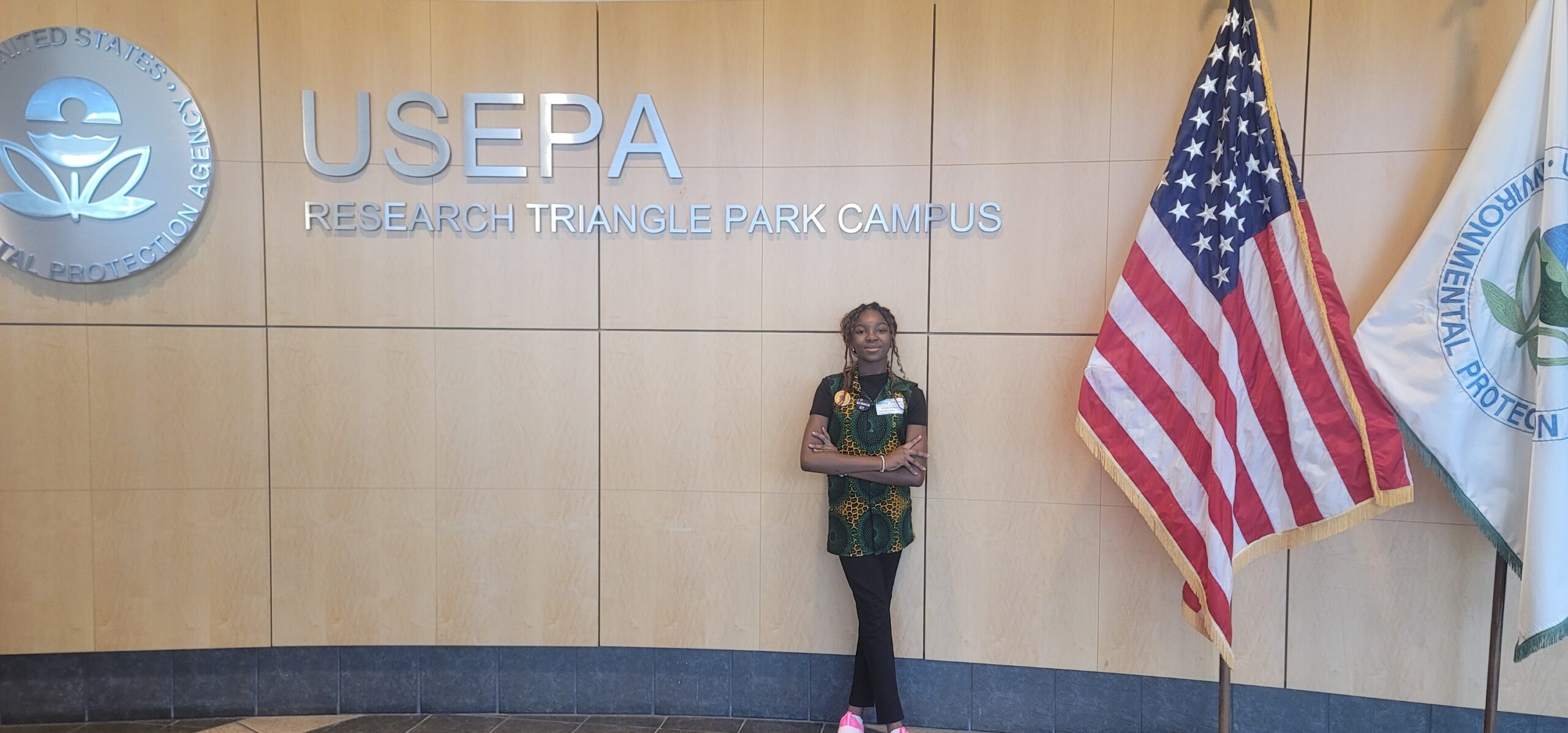
With support from scientists, the device went through testing. The Environmental Protection Agency confirmed that it removed more than 99 percent of airborne viruses. That result gave the project strong support.
Students spend seven to eight hours a day inside classrooms. Cleaner air can reduce sickness and help students focus better. Eniola understood that safer air means fewer missed school days and healthier learning spaces.
$11.5 Million and a Statewide Rollout
/shethepeople/media/media_files/2024/11/23/xFIOjMT9H2AV9G93WBBd.png)
The project soon gained attention across Connecticut. In October 2024, the Connecticut State Bond Commission voted to approve $11.5 million to install the filters in classrooms statewide. Eniola attended the meeting when the vote passed.
The funding supports UConn’s SAFE-CT: Supplemental Air Filtration for Education program. The goal is simple: make sure public school classrooms have access to clean air systems.
But Eniola wants more than installation. She wants students to help build the filters themselves. She believes hands-on work teaches science in a practical way. When students assemble the units, they learn how airflow works. They learn how small changes can protect health.
She also hopes to expand the project beyond Connecticut. For her, clean air should not depend on location or budget.
Read: When Breast Cancer Became Personal, Kemisola Bolarinwa Built a Solution
A Sixth Grader Teaching the Country About Science

Now in middle school, Eniola speaks openly about science and leadership. She encourages girls to believe in their ability to solve problems. She often says that taking the first step matters.
Her mother remains her strongest influence. She also credits her teacher for support and guidance. While she now spends time working on air quality projects, her original goal has not changed. She still plans to run for President one day.
For now, she focuses on classrooms. She wants every student to breathe cleaner air while they learn. Her project started with a school assignment. It now shapes state policy and improves school health.
Follow RefinedNG for more stories about young innovators, scientists, and changemakers who take simple ideas and turn them into real solutions.