
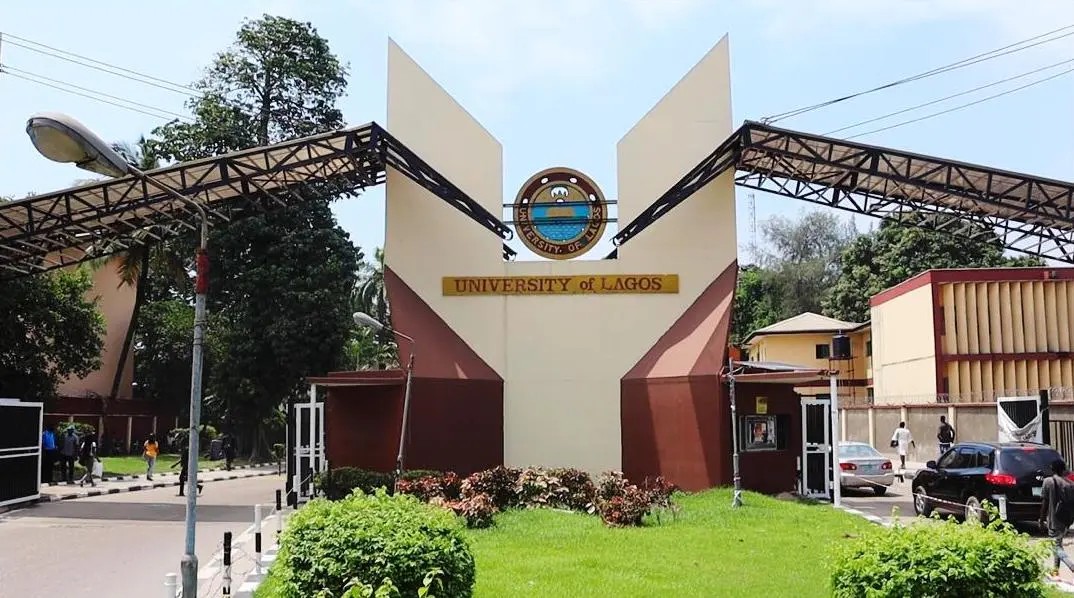
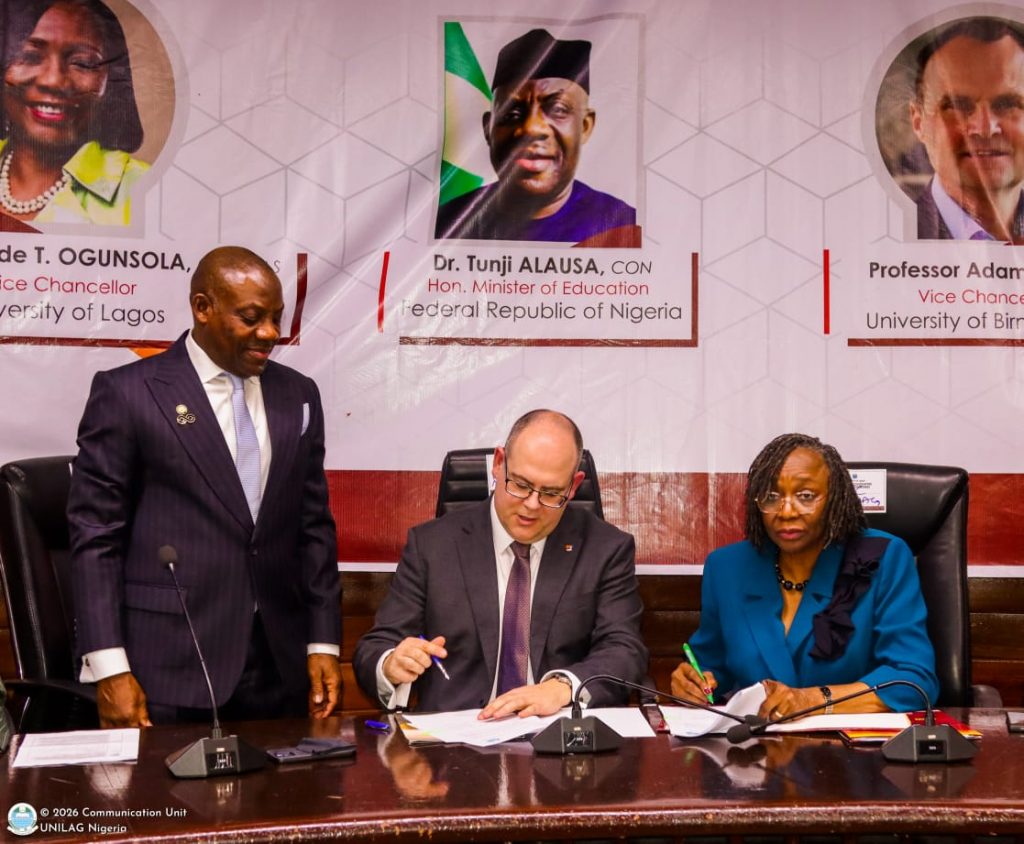
Nigeria’s higher education landscape is entering a new phase, one where global collaboration is no longer limited to exchange programmes or distant study-abroad dreams. With the signing of a Memorandum of Understanding between the University of Lagos (UNILAG) and the University of Birmingham, students may soon access internationally recognised UK degrees without leaving Nigeria. This development speaks directly to capacity gaps, access challenges, and the growing need to align Nigerian education with the future of work.
A Strategic Shift in Transnational Education
At its core, the UNILAG and University of Birmingham agreement reflects a deliberate move towards transnational education that is locally rooted but globally benchmarked. The MoU sets the stage for a degree programme to be delivered in Nigeria, subject to regulatory approvals, allowing students to benefit from the academic standards, curriculum structure, and quality assurance frameworks of a leading UK university while studying in Lagos.
Read: 5 Things People Missed About Khaby Lame’s $975M Sale
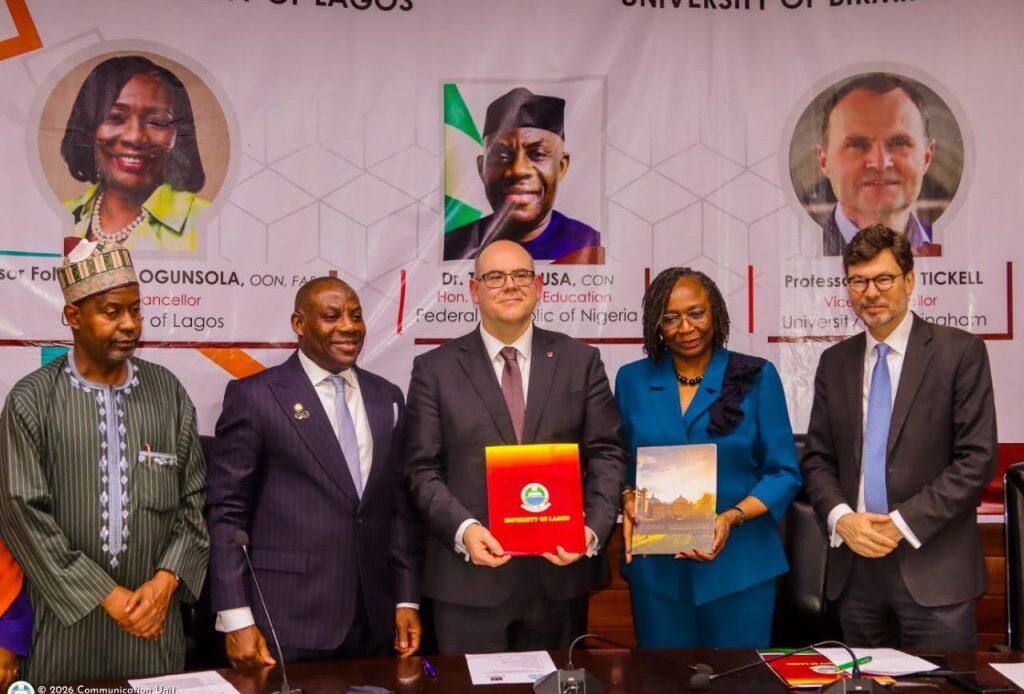
This partnership did not emerge overnight. It builds on more than a decade of academic engagement between both institutions and aligns with Nigeria’s transnational education policy, which aims to ease admission pressures and expand tertiary access. With over one million qualified Nigerian students unable to secure university placements annually, this model offers a practical response to an overstretched system.
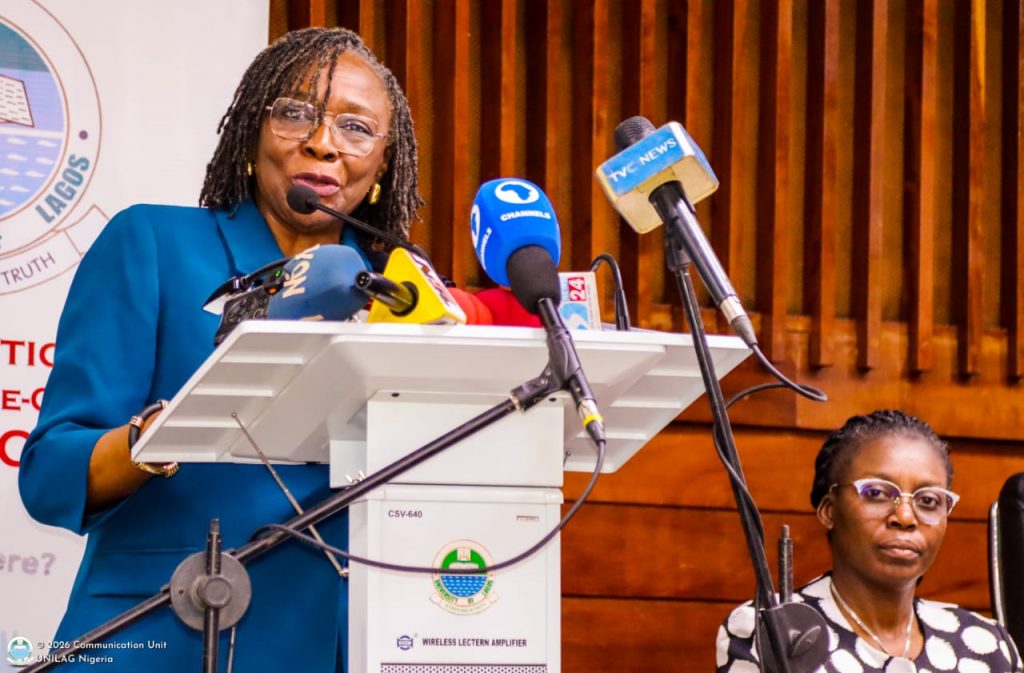
Beyond access, the collaboration emphasises governance, financial sustainability, infrastructure, and academic integrity. Both universities have been clear that this is not a shortcut degree arrangement, rather it is a structured and evidence-led initiative designed to strengthen the standing of Nigerian higher education on the global stage.
Why AI and Data Science Take Centre Stage
One of the most notable aspects of the proposed programme is its focus on future-facing disciplines such as artificial intelligence and data science. These fields sit at the intersection of education, economic growth, and workforce transformation. By prioritising them, the partnership acknowledges where global demand is heading and where Nigeria must position its talent pipeline.
UK Deputy High Commissioner, Jonny Baxter highlighted this clearly, pointing out that AI and data science are critical to productivity, innovation, and long-term competitiveness. For Nigerian students, this means exposure to globally relevant skills without the financial and logistical barriers of overseas study. For the country, it means building local expertise that can support emerging industries, digital infrastructure, and research-led innovation.
UNILAG officials have also framed the initiative as a boost to postgraduate training and research collaboration. This suggests that the impact will go beyond classroom learning, extending into joint research, knowledge exchange, and the development of academic staff capacity.
What This Means for Nigerian Students and the Sector
For students, this partnership could redefine what access to world-class education looks like. Instead of education being exported through migration, it is being embedded locally. Students stand to gain dual exposure, benefiting from UNILAG’s contextual understanding of Nigeria and Birmingham’s global academic reputation.
Read: Tanzania’s LimaBot Is Using AI to Help Farmers Grow Smarter
For the wider education sector, the agreement signals growing confidence in Nigeria as a viable hub for international academic delivery. With oversight from bodies such as the National Universities Commission and support from TETFund, the collaboration reflects a coordinated effort to ensure quality and relevance. It also opens the door for more foreign investment, funding, and structured partnerships that strengthen institutional capacity rather than dilute it.

As feasibility studies and regulatory processes unfold, the success of this initiative will depend on execution. Quality assurance, affordability, and long-term sustainability will determine whether this model becomes a blueprint or a one-off experiment.
Why This Moment Matters
The UNILAG and University of Birmingham partnership arrives at a time when Nigerian education needs bold but thoughtful solutions. It combines access with quality, global relevance with local grounding, and policy intent with practical action. If delivered well, it could reshape how Nigerian students experience international education and how Nigerian universities position themselves globally.
Follow RefinedNG for more updates, deep dives, and thoughtful coverage on education, policy, and the evolving future of Africa’s academic landscape.