
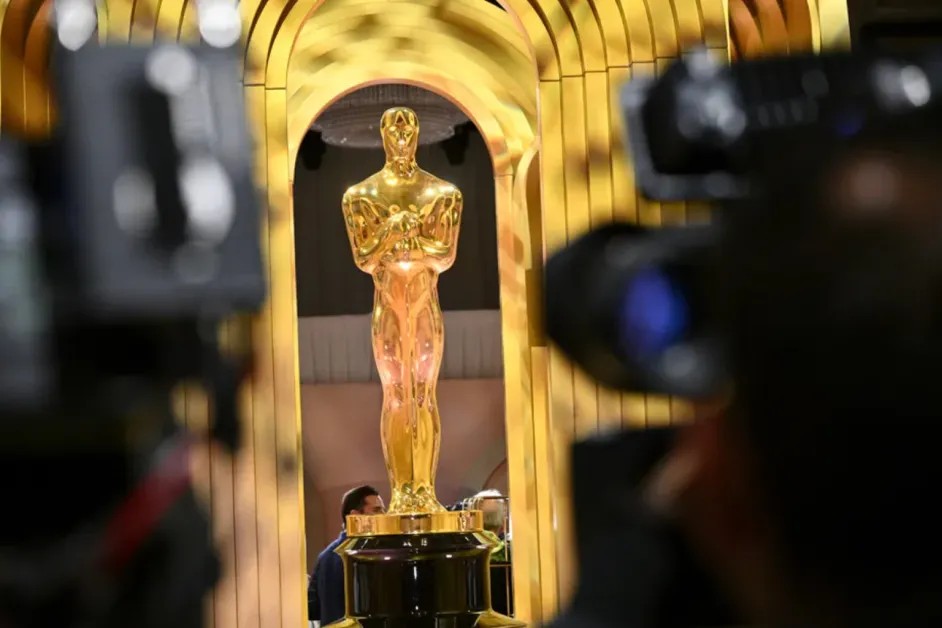
There is a version of the Oscars most people know well: the red carpet, the speeches, the envelope, the tears. And then there is everything else. Nearly a century of strange rules, disputed legends, and revolutions that never quite make it into the highlight reel. The ceremony that airs on the 15th of March 2026 carries more history beneath its surface than most people realise, and some of it will genuinely surprise you.
The 98th Academy Awards is not just another Hollywood night. It is a ceremony sitting at an interesting crossroads, where decades of tradition meet moments that are actively rewriting what the Oscars can look like and who they can celebrate. Before the lights go up at the Dolby Theatre, here are five things worth knowing.
1. The First Oscars Ceremony Lasted 15 Minutes and the Winners Were Already Known
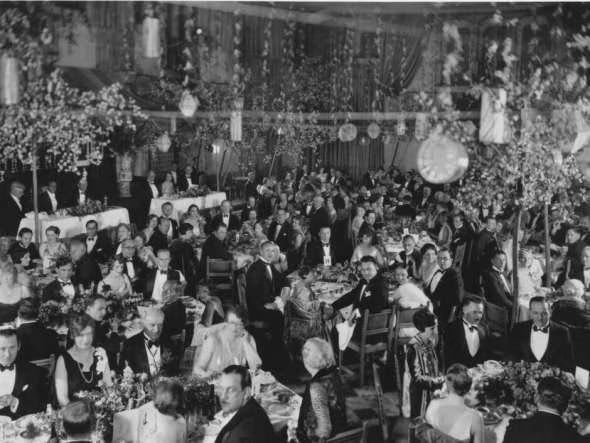
Picture this: a private dinner at the Hollywood Roosevelt Hotel, 270 guests, tickets priced at $5, and a ceremony that was completely over in a quarter of an hour. That was the first Academy Awards in 1929, less of a grand occasion and more of an industry dinner with a brief awards segment attached.
What made it even less dramatic was that the winners had already been announced to the press three months before the night itself. There was no suspense, no sealed envelope, no breathless pause before a name was read out. The reveal that now stops the world each year did not exist at all.
The sealed envelope only came later and not because of any grand creative decision. In 1940, the Los Angeles Times published the winners before the ceremony began. The Academy’s response was to introduce sealed envelopes the following year, 1941, purely as damage control. The most anticipated moment in awards television was born not from tradition but from a newspaper spoiler.
Read: Meet Ruth Carter, Oscars Most Nominated Black Woman in Oscars
2. For Most of Its History, Voters Were Not Required to Watch the Films They Judged
This one is worth sitting with. For the better part of the Oscars’ near-100-year history, Academy members could vote on films they had never actually seen. A member could nominate, rank, and ultimately decide the winner of the most prestigious award in cinema based entirely on reputation, industry relationships, or the strength of a studio’s awards campaign, without watching a single frame of the actual work.
That changed this year. The 98th Academy Awards marks the first time in the award’s history that voters must watch every nominated film in a category before casting their ballot in the final round. Members who have not seen all the nominated films in a category must abstain from voting in it entirely.
It is a remarkable footnote. An industry that has spent nearly a century crowning the best in film only made watching those films a requirement in 2026. The rule is long overdue, and the fact that it took this long tells you something about how the sausage has always been made.
3. Nobody Actually Knows Where the Name ‘Oscar’ Came From
The statuette’s official name is the Academy Award of Merit. Somewhere along the way it became ‘Oscar’, and that is where the agreement ends.
A librarian named Margaret Herrick claimed in 1931 that the statue reminded her of her uncle Oscar. Bette Davis claimed in her 1962 autobiography that she named it in 1936 after her first husband, Harmon Oscar Nelson. A Hollywood columnist named Sidney Skolsky claimed he coined the term in 1934 under deadline pressure, borrowing it from an old vaudeville joke.
The Academy officially credits Skolsky with the first confirmed newspaper reference but even in that very column, Skolsky wrote that the statues ‘are called Oscars’, suggesting the name was already in circulation before he put it in print.
Then in 2021, a Brazilian researcher found what appears to be an even earlier reference in a 1933 newspaper column, predating all of the above. For an industry that has spent a century telling the world’s stories, the origin of its most famous symbol remains genuinely, almost fittingly, unresolved.
4. Winning an Oscar Does Not Mean You Own It
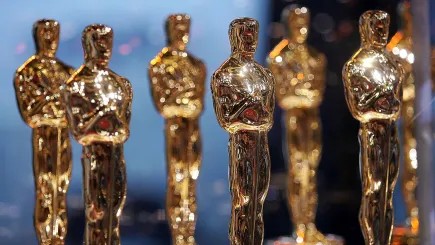
Since 1950, every Oscar winner has signed an agreement stating that if they ever wish to sell their statuette, they must first offer it back to the Academy for exactly one dollar. Winners who decline to sign that agreement do not take the statue home, the Academy retains it. The goal is to ensure that the award never becomes a commodity, that it stays priceless in the most literal sense.
Before this rule existed, Oscars traded hands freely on the open market. Orson Welles’ 1941 Oscar for Citizen Kane, awarded before the rule came into effect, sold at auction in 2011 for over $861,000. In 1992, Harold Russell sold his 1946 Best Supporting Actor Oscar to pay for his wife’s medical bills. ‘My wife’s health is much more important than sentimental reasons’, he said at the time. Nobody could argue with that.
The rule applies only to ceremonies from 1950 onwards, which means pre-1950 Oscars remain fair game. Somewhere out there, a handful of golden knights are sitting in private collections, completely legally, worth a small fortune.
Read: Sinners Makes Oscar History With Record-Breaking 16 Nominations
5. Sinners Just Made History in a Way That Goes Far Deeper Than a Number
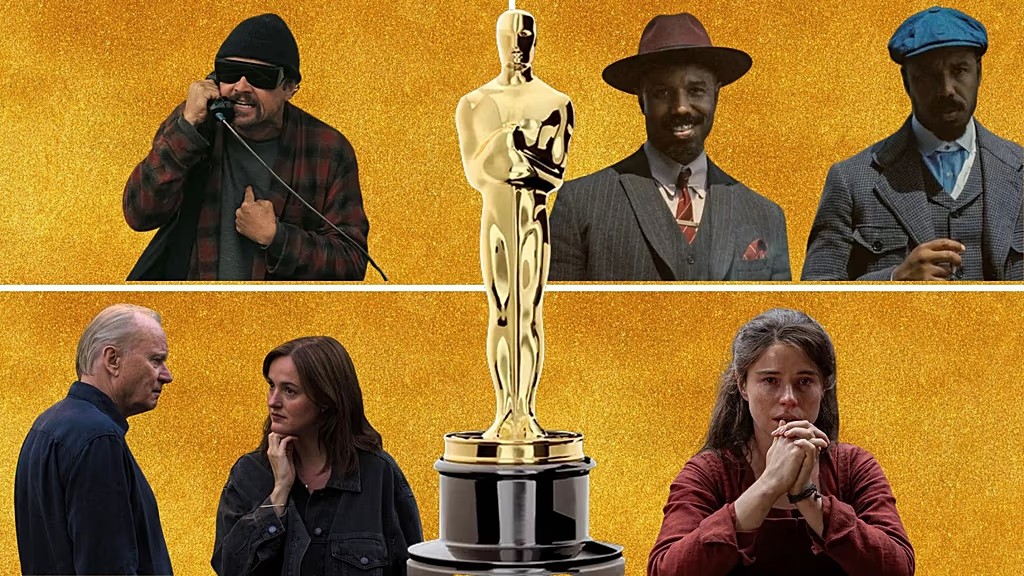
Ryan Coogler’s Sinners arrives at the 98th ceremony with 16 nominations, the most in Oscar history, surpassing the previous record of 14 shared by All About Eve, Titanic, and La La Land That alone would be a story worth telling. But the number is almost the least interesting part.
Sinners also broke the record for the most Black individuals nominated for a single film, with ten. It is a horror film, a genre the Academy has historically treated as unworthy of serious consideration, rarely nominating horror in major categories and almost never in the top tier. The fact that a Black-led, Black-directed horror film now holds the all-time nominations record in Oscar history is not a footnote. It is a statement about what has shifted in Hollywood’s willingness to look at itself honestly.
Critics and journalists responded to the nominations with something close to relief. The Academy, it seems, is finally catching up to what audiences already knew.
The Record Book Is Still Being Written
The Oscars have been running for 98 years, and they are still producing firsts. Chloé Zhao became the first woman of colour to receive two Best Director nominations. Autumn Durald Arkapaw became the first woman of colour nominated for Best Cinematography. Wagner Moura became the first Brazilian nominated for Best Actor. A brand new category, Best Casting, makes its debut this year, the first new competitive Oscar since Best Animated Feature in 2002.
For a ceremony that can sometimes feel like it is honouring the past, the 98th Academy Awards is doing something significant, it is expanding the definition of who and what deserves to be celebrated. That is worth more than a 15-minute dinner and a pre-announced winner.
Whatever happens on the night, this one will be remembered.
Follow RefinedNG for more stories that go beyond the surface. Visit us at www.refinedng.com or subscribe to our newsletter and get them straight to your inbox.