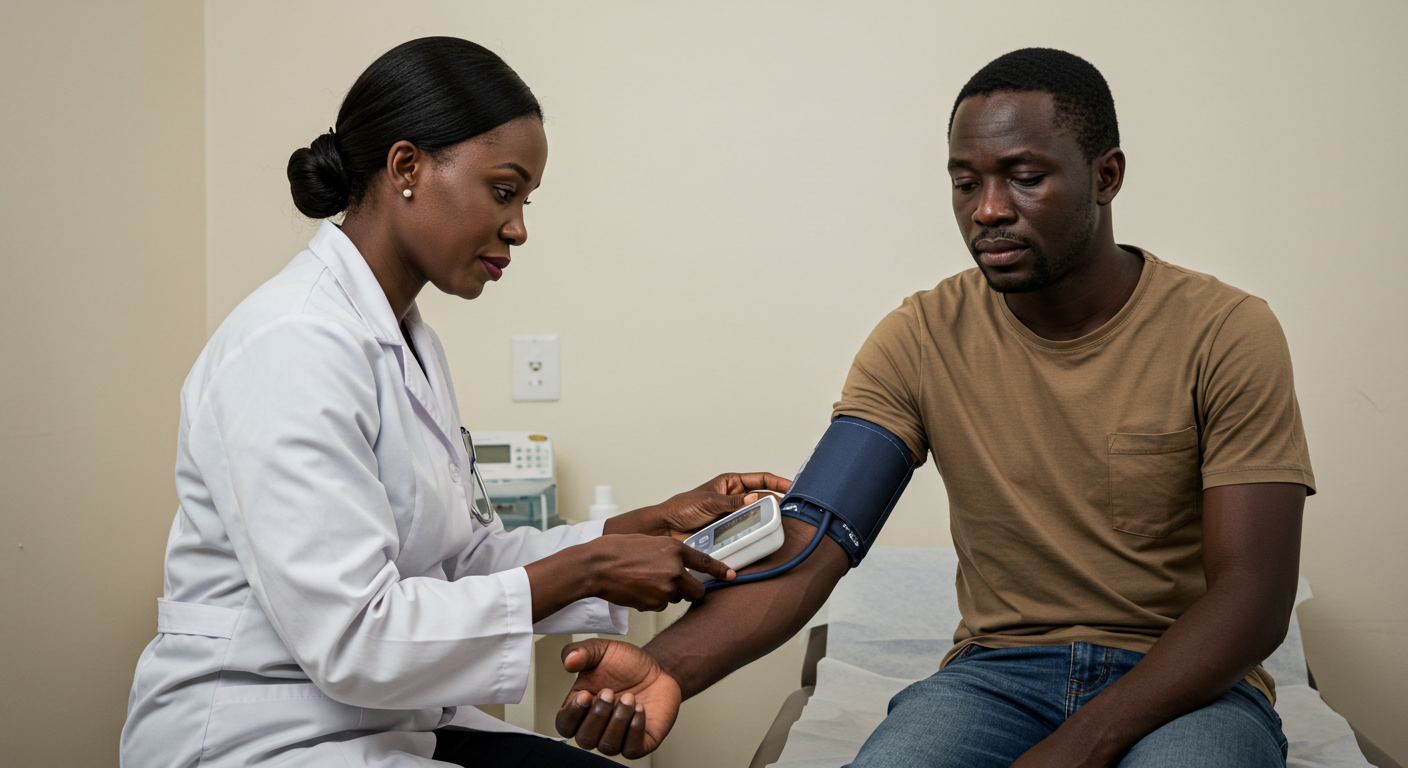
You’ve probably heard it before—“high blood pressure is for older people.” That’s what many Gen Z and millennials believe, until the headaches start, the fatigue sets in, or a routine check-up gives a shocking number. The truth? More and more young Nigerians are developing high blood pressure, and most don’t even know it.
Between constant stress, city hustle, erratic sleep, and our love-hate relationship with energy drinks, many of us are unknowingly walking around with elevated blood pressure. And because it doesn’t always show symptoms, it’s been nicknamed the “silent killer.”
This article isn’t about fear—it’s about facts, awareness, and solutions. Let’s explore how stress might be sneaking into your bloodstream and what you can do (starting today) to protect your health without giving up your lifestyle.
Read: The Emotional Side of Money: Managing Stress After Holiday Overspending
What Exactly is Blood Pressure & Why Should You Care?
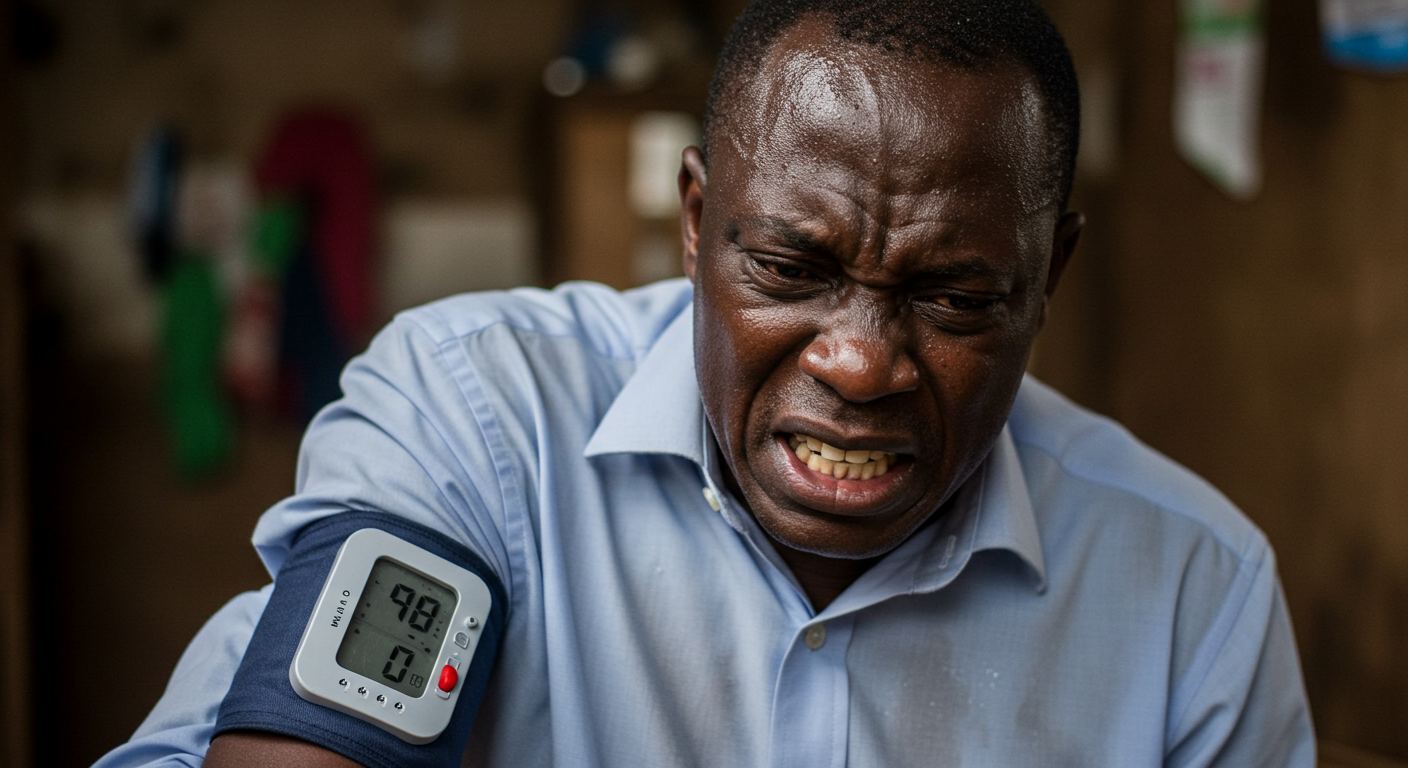
Think of your blood vessels like pipes, and your heart like a pump. Blood pressure is simply the force your blood uses to move through those vessels. When the pressure is just right, your body runs smoothly. But when it’s too high—think of squeezing water through a narrow hose—things can get dangerous over time.
High blood pressure (hypertension) is when this force becomes consistently too strong, silently damaging your arteries, heart, kidneys, and even your brain. It doesn’t usually cause pain or visible symptoms—until it does, in the form of a stroke, heart attack, or kidney failure. And the scary part? It’s increasingly common among young adults.
You don’t need to be overweight, smoke, or be over 50 to have hypertension. With stress, poor diet, lack of sleep, and sedentary habits, even a 25-year-old can become a ticking time bomb. Understanding what BP is helps you stay one step ahead.
Everyday Stressors That Secretly Raise Your BP
You might not think twice about your daily routine, but many of the habits we consider “normal” are slowly raising our blood pressure in the background. Let’s start with the Nigerian classic: traffic. Spending two hours in bumper-to-bumper Lagos gridlock, honking horns, and fumes in your face? Your stress hormones are in overdrive, raising your heart rate and tightening your blood vessels—textbook recipe for high blood pressure.
Then there’s work stress. Tight deadlines, unrealistic expectations, and pressure to keep performing can leave your nervous system in a near-constant state of “fight or flight.” Your body doesn’t know the difference between being chased by a lion or chased by your boss—it just reacts.
Social media doesn’t help either. Whether it’s doom-scrolling or comparing your life to the “highlight reels” of others, this digital pressure can quietly chip away at your peace of mind.
Add to that poor sleep from Netflix binges, academic burnout, or job hunting frustrations, and your body’s stress response barely gets a break. The result? A slow, steady increase in blood pressure over time—even if you’re young, fit, and doing “everything right.”
Signs Your Body Might Be Crying for Help

High blood pressure is sneaky. You can look perfectly fine, hit the gym three times a week, and still have numbers that aren’t so friendly. That’s why it’s often called the “silent killer”—because the signs, if any, are subtle and easy to miss.
Have you been feeling “wired but tired”? That’s when your body is running on empty but your mind won’t slow down. Or maybe you’ve noticed frequent headaches, random chest tightness, or a heartbeat that feels just a bit too fast. These could be warning signals.
Irritability and poor sleep are also big red flags. If you constantly feel tense, edgy, or find it hard to fall asleep (or stay asleep), your body might be under chronic stress—and your blood pressure might be rising in response.
The message? Don’t wait for dramatic symptoms. If something feels off, it’s worth getting your BP checked—even if you’re young and seemingly healthy.
Read: 6 Effective Ways to Overcome Financial Stress
Habits That Are Not Helping You
Let’s be honest—some of the habits we cling to for comfort might be doing more harm than good. Take caffeine, for example. Whether it’s coffee, energy drinks, or that cold bottle of soda to “power through the day,” too much caffeine spikes your blood pressure, especially when your stress levels are already high.
Skipping meals is another silent saboteur. It messes with your blood sugar, stresses your body out, and usually leads to overeating junk food later. And speaking of junk—if your diet consists mostly of shawarma, instant noodles, and puff-puff, your arteries aren’t smiling.
Then there’s the myth of “hustle over sleep.” That grind-hard mindset might sound noble, but consistent sleep deprivation puts your body under stress, keeps your heart rate up, and prevents your blood pressure from settling down at night.
Add sedentary living to the mix—think hours of screen time with minimal movement—and it’s the perfect storm for long-term health issues. Time to switch it up.
What You Can Do to Keep It in Check

The good news? You don’t need a dramatic lifestyle overhaul to protect your blood pressure. Small, consistent changes can make a massive difference—and you don’t even have to give up jollof.
Start with movement. You don’t need to become a gym rat. A brisk 20-minute walk, dancing to your favorite playlist, or doing stretches while watching TV can help reduce stress and get your heart moving in a healthy way. Little motions, big impact.
Next, rethink your meals. Add more fiber-rich foods like leafy greens (hello ugu and spinach), swap out some of that white rice for brown or local grains like fonio, and be mindful of your salt intake. Nigerian foods are flavourful enough—less salt doesn’t mean less taste.
Hydration is your underrated superpower. Drink more water, reduce sugary drinks, and keep caffeine to a moderate level. And please—prioritize sleep like it’s a job. Your brain and heart need downtime.
Lastly, take breathing breaks. Yes, just pausing to breathe deeply a few times a day can help calm your nervous system and keep stress hormones (and your blood pressure) in check.
You don’t need perfection—just better habits.
Your 30s Shouldn’t Come with Medication

Here’s the bottom line: you’re not too young to start caring about your blood pressure. Hypertension isn’t waiting for your 40s—it’s creeping in earlier, especially with the stress-heavy, sleep-deprived, hustle-fueled lifestyle many young Nigerians are living.
But now you know better. You’ve got the tools, the awareness, and the power to make smarter choices. So, check your blood pressure. Check your stress. And check in with yourself more often.
Because your 30s shouldn’t come with prescriptions. They should come with energy, confidence, and a heart that’s healthy enough to carry you wherever you want to go.