
What have you heard about Igbo-Ora?
It’s a small town in Oyo State that the world now calls the Twin Capital of the World. Almost every family here has a story that begins with “when the twins were born.” Streets are filled with children who look alike, dressed alike, and sometimes even think alike.
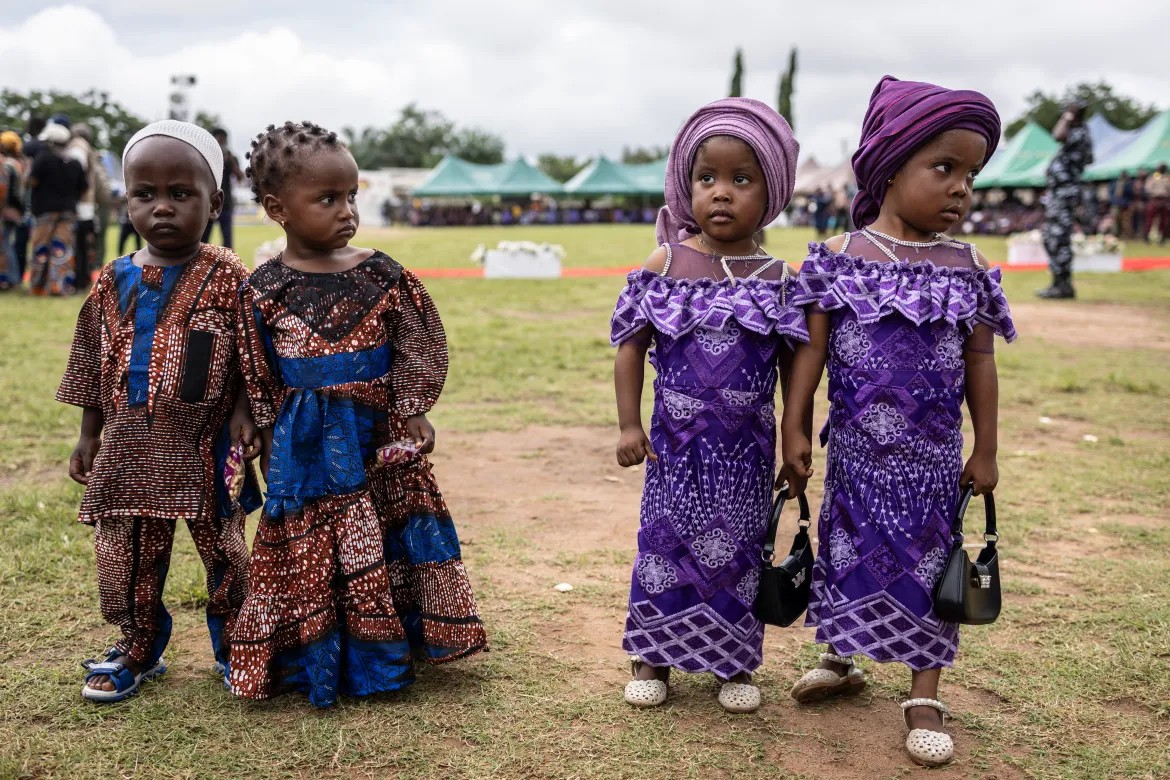
Each year, during the Igbo-Ora Twins Festival, the town becomes a center of attention. Visitors, photographers, and researchers arrive from across Nigeria and beyond to witness this rare wonder. Yet, beyond the joy and colors of the festival lies a mystery that science still struggles to explain.
Why does this quiet Yoruba town produce so many twins? Locals smile at the question and give a simple answer. It’s not magic or genetics. It’s the food — a local delicacy called Ilasa soup, eaten with Amala.
What’s in the Plate? – The Ilasa and Amala Connection
In Igbo-Ora, people believe the secret to their many twin births lies not in genetics but in a bowl of food. The town’s favorite meal, Amala and Ilasa soup, holds a special reputation that has made scientists curious and locals proud.
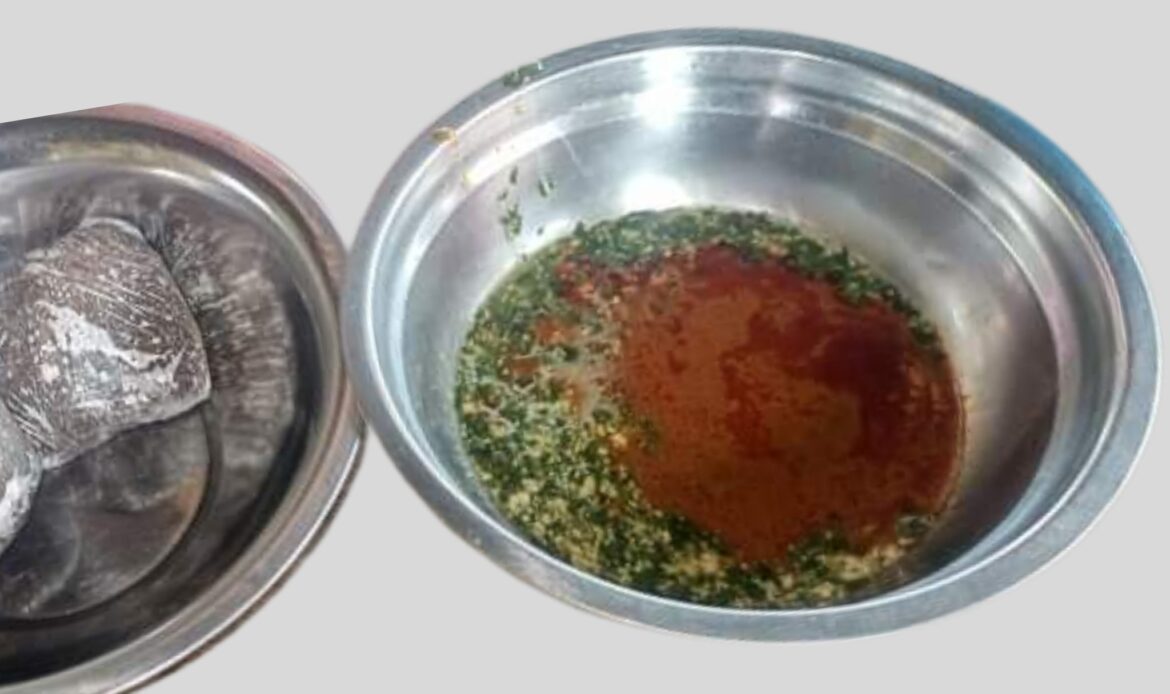
Ilasa soup is made from tender okra leaves, blended with egusi, locust beans, pepper, and a touch of potash to give it that smooth, stretchy texture. It is rich, earthy, and filling — often served with Amala, a dark, soft swallow made from yam or cassava flour. To outsiders, it’s simply delicious. To the people of Igbo-Ora, it’s something more.
Many say it’s not just the ingredients but the local water that makes the difference. Some families even send water and soup ingredients to relatives living outside the town who are hoping for twins.
Scientists have tried to explain the mystery. They found that cassava and yam — both key parts of the Yoruba diet — contain natural compounds like phytoestrogens and gonadotrophins, which may help the body release multiple eggs. Still, while research offers clues, belief runs deeper.
As locals often say with a smile, “We don’t argue science here. Just eat Ilasa and see for yourself.”
Read: Igbo Ora: A town in Oyo State where every family has multiple sets of twins
How to Make Ilasa Soup – The Igbo-Ora Way
The soup is made from okra leaves, ground melon seeds (egusi), and a mix of local ingredients that give it a rich, stretchy texture and distinct earthy aroma.
Ingredients
- A handful of tender okra leaves (Ilasa)
- ½ cup of ground egusi (melon seeds)
- 1 teaspoon of potash (kaun)
- 1 tablespoon of locust beans (Iru)
- Smoked or dried fish (washed and separated)
- 1 cooking spoon of palm oil
- Salt and seasoning cubes
- 4 cups of water (locals insist “water from Igbo-Ora” makes all the difference)
- Optional: A spoon of Ata obe din din (pepper stew) for topping
Preparation
1. Boil four cups of water in a pot, then add the potash and locust beans. Let them blend into the water’s flavor.
2. Pluck the okra leaves gently — not directly from the stem — and slice them finely.
3. Add the leaves to the boiling pot and whisk with an ewedu broom or cooking spoon until the mixture draws like ewedu.
4. Stir in the ground egusi and allow it to cook briefly before mixing again so the melon sets properly.
5. Add palm oil, salt, and seasoning cubes. Let it simmer until it thickens slightly.
6. Drop the fish into the pot, cover, and let the flavors blend for a few minutes.
Your Ilasa soup is ready when it stretches beautifully. Serve hot with Amala, Eba, or Pounded Yam — and if you’re in Igbo-Ora, don’t forget to say a quiet “thank you” before the first bite.
More Than a Meal – A Culture of Blessings
For the Igbo-Ora people, food carries meaning beyond taste. Every spoonful of Ilasa soup and every bite of Amala tells a story about family, faith, and the power of belief. Here, food is not just nourishment. It is heritage passed from one generation to another, with a promise of hope folded into every meal.
During the annual Twins Festival, the entire town comes alive. Streets fill with laughter as families dress their twins in bright matching outfits. Music echoes through the crowd as dancers move to the talking drum, celebrating what they call “double blessings.” For the people of Igbo-Ora, twins are not just children — they are living proof of abundance.
The festival started as a local celebration of joy and gratitude. Today, it attracts visitors from across the world who come to see the miracle town where twins seem to multiply by the week. Scientists may still debate the connection between Ilasa soup and fertility, but in Igbo-Ora, the answer is simple. The food is a symbol of faith, fertility, and family.
So next time you are served Amala with Ilasa, pause before your first bite. In Igbo-Ora, that’s more than a meal. It’s a recipe for miracles.
Follow RefinedNG for more stories that explore the beauty, culture, and living traditions of Nigeria’s communities.