
When Nigerians recall the drama of independence, the script often centers on the “big three” — Nnamdi Azikiwe, Obafemi Awolowo, and Ahmadu Bello. But like every great Nollywood epic, the full cast is much larger. Beyond the marquee names were men and women who carried the weight of agitation, mobilization, and reform. They organized markets, shook colonial power with protests, wrote petitions that unsettled the Crown, and laid down policies that still shape Nigeria’s classrooms and courts today.
Figures like Margaret Ekpo, Funmilayo Ransome-Kuti, H.O. Davies, Alvan Ikoku, T.O.S. Benson, and Adekunle Ajasin were not just background players; they were co-architects of independence. Their stories reveal the lesser-told truths of Nigeria’s nation-building: the battles fought by women, the radical ideas from teachers, and the strategies crafted in council halls and courtrooms. This post revisits their legacies, spotlighting the “supporting actors” who, in many ways, held the film together.
The Women Who Would Not Be Silent
1. Margaret Ekpo: Market Women into Political Muscle
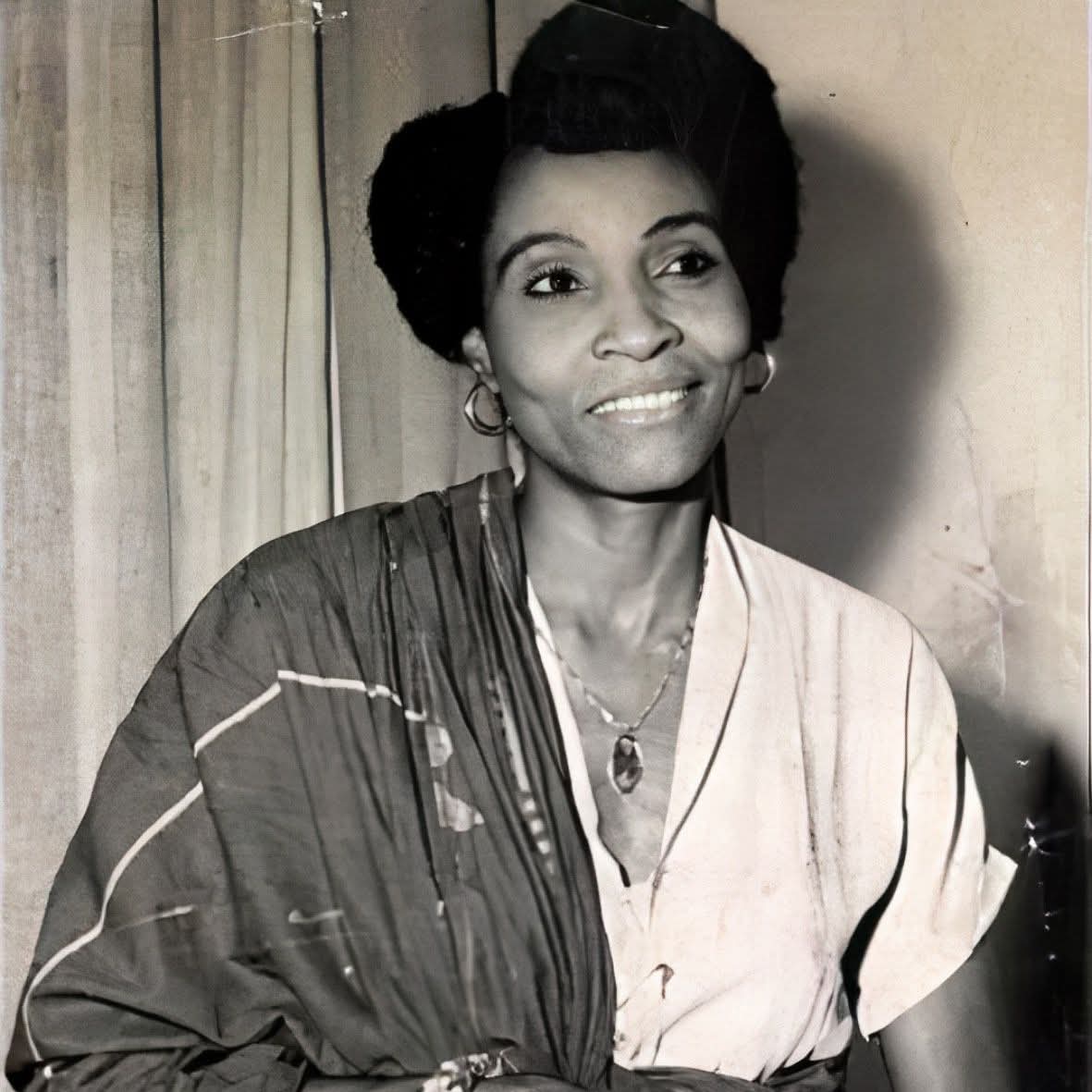
In an era when politics was considered a man’s game, Margaret Ekpo rewrote the rules from the crowded stalls of Aba’s markets. Starting in the 1940s, she turned her outrage at colonial discrimination into activism, attending meetings her husband couldn’t. By the 1950s, she had organized the Aba Market Women’s Association, transforming market women into a formidable political bloc.
Ekpo wasn’t just amplifying women’s voices; she was wielding them as a weapon. In the 1955 citywide election, Aba’s women voters—mobilized by her—outnumbered men for the first time, a landmark moment in Nigeria’s democratic history. Later, as a member of the Eastern Regional House of Assembly, she pushed for policies that directly impacted women and the underclass. For Ekpo, independence meant more than ending colonialism; it meant ensuring Nigerian women would not return to silence once the British left.
Read: Renovated National Arts Theatre Renamed Wole Soyinka Centre
2. Funmilayo Ransome-Kuti: The Lioness of Lisabi
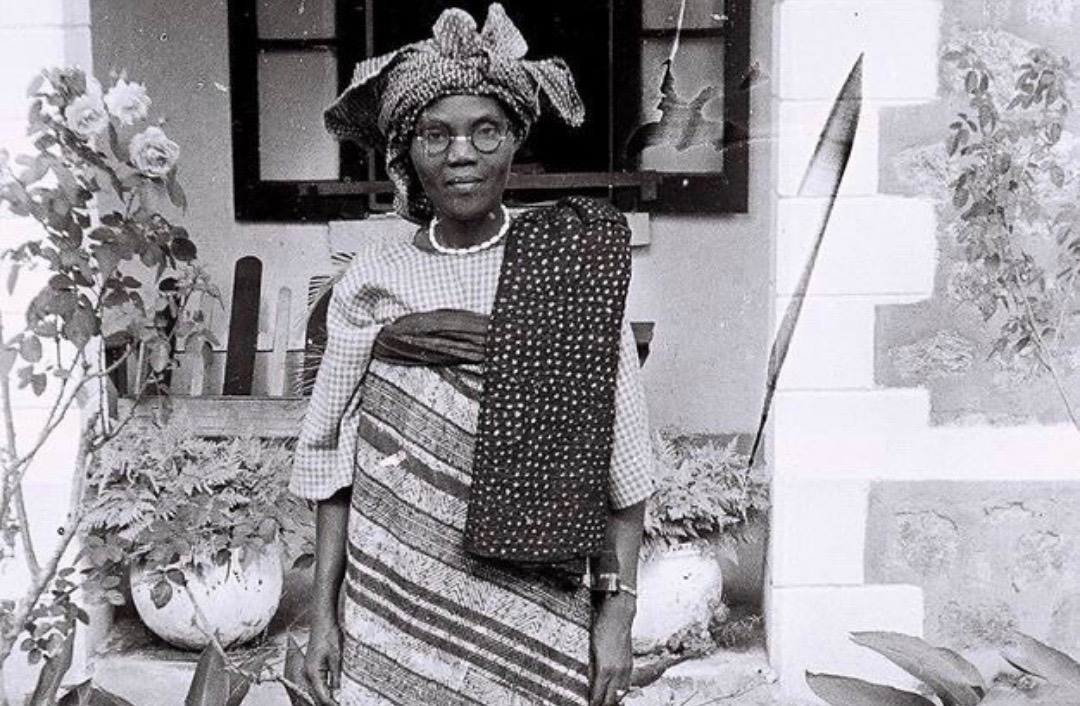
If Ekpo organized the markets, Funmilayo Ransome-Kuti shook the palaces. Known as the “Lioness of Lisabi,” she founded the Abeokuta Women’s Union in the 1940s, rallying thousands of women against unjust taxes. At one point, her marches drew more than 10,000 women, forcing the Alake of Egbaland to temporarily abdicate his throne in 1949. She was also the first Nigerian woman to drive a car—but her real trailblazing came in politics. She sat across the table from colonial authorities, attended independence conferences, and shook hands with Nigeria’s first Prime Minister, Abubakar Tafawa Balewa.
Ransome-Kuti was also fearless in challenging military governments, paying with her life after a raid on her home in 1978. Her activism wasn’t limited to gender; she demanded national liberation and equal political participation. For her, the fight for independence was inseparable from the fight for women’s rights.
The Orators & Organizers
3. H.O. Davies: The Youthful Voice of Nationalism
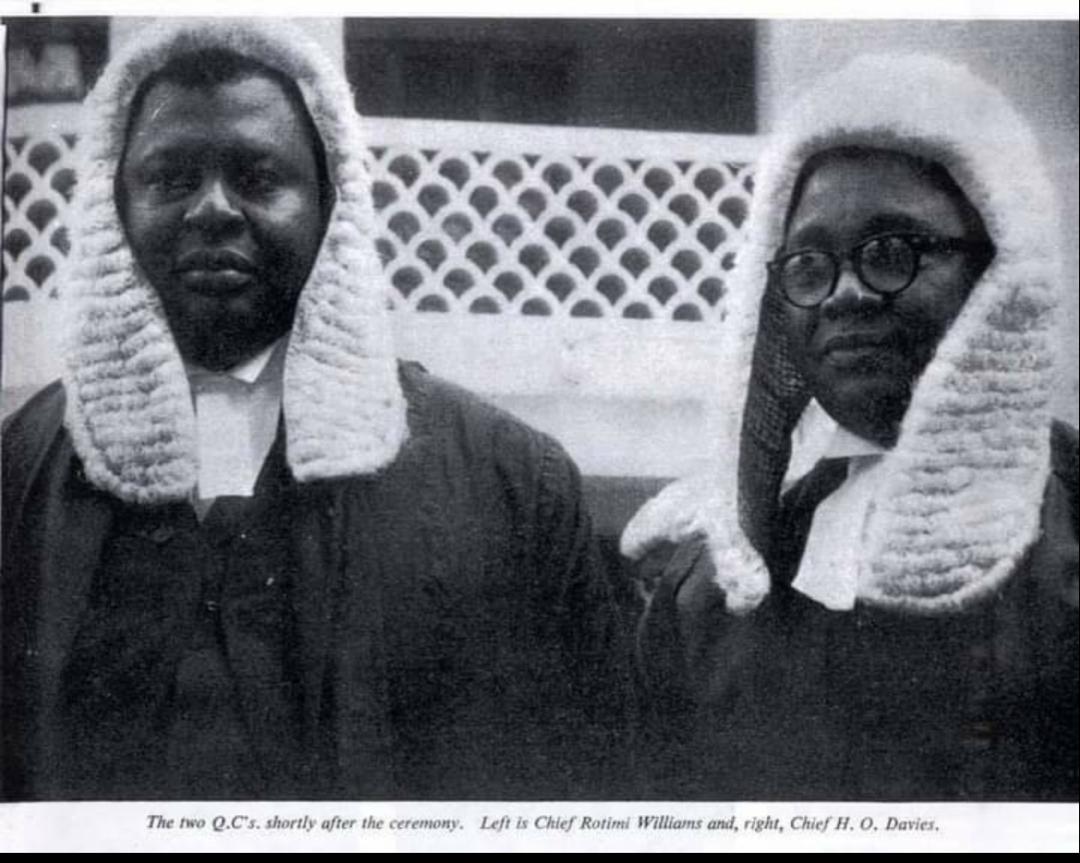
Hezekiah Oladipo Davies was one of Nigeria’s earliest political organizers, a man who understood the power of words in rallying people. In 1934, he co-founded the Lagos Youth Movement, which later became the Nigerian Youth Movement (NYM) — the country’s first truly national political party.
Alongside Nnamdi Azikiwe, Davies transformed the NYM into a platform for young Nigerians to demand more than token representation under colonial rule. His fiery speeches and sharp intellect made him a respected nationalist voice. Though he later founded the Nigerian People’s Congress and eventually served as Federal Minister of State, Davies’ greatest legacy was proving that mobilized youth could no longer be dismissed. He gave Nigeria’s independence struggle its early momentum.
4. T.O.S. Benson: From Lagos Streets to Lancaster House
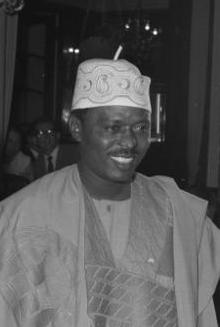
Theophilus Owolabi Shobowale Benson wasn’t just a politician; he was a master of messaging. Starting in the Lagos Town Council, he built his influence on grassroots support in the city’s cosmopolitan neighborhoods. By the 1950s, Benson was at the center of negotiations that would define Nigeria’s future. As a delegate to multiple London constitutional conferences, including the pivotal Lancaster House talks, he carried Lagos’ demands into international rooms where Nigeria’s destiny was debated.
After independence, he became the country’s first Minister of Information, tasked with shaping Nigeria’s national narrative for both citizens and the world. In many ways, Benson embodied the bridge between local politics and global diplomacy.
5. Adekunle Ajasin: Incorruptible Statesman
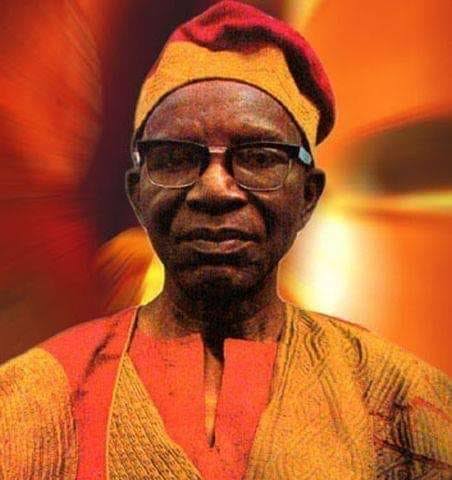
Michael Adekunle Ajasin’s political life spanned colonial struggle, post-independence governance, and later resistance against military dictatorship. As an Action Group stalwart in the 1950s, he was known for his discipline and incorruptibility. He later became Governor of Ondo State, founding universities and polytechnics, all while maintaining a modest lifestyle that stood in stark contrast to the corruption of his peers.
Even in old age, Ajasin remained a thorn in the side of tyranny, emerging as a NADECO elder during the Abacha era. His life proved that independence was not just about removing colonial rule but about setting ethical standards for leadership.
Read: Throwback Spotlight: 5 Things We Remember About Onome Aganga
The Teachers & Builders
6. Alvan Ikoku: Education as Liberation
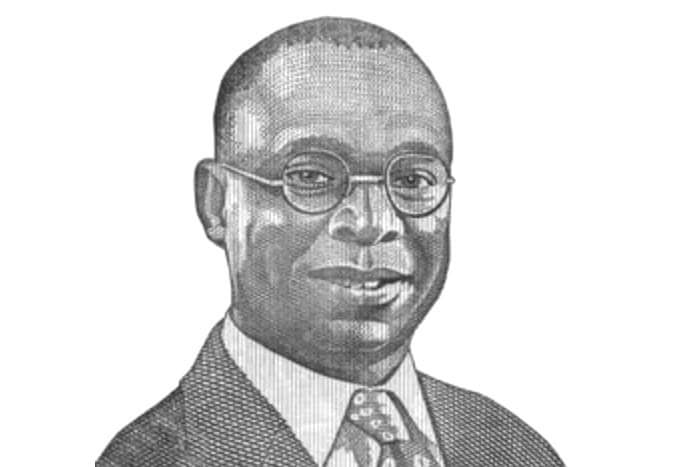
If independence was about freedom, Alvan Ikoku believed that true freedom could only come through education. Born in 1900, Ikoku was both a teacher and a visionary. In 1932, he founded Aggrey Memorial Secondary School, one of West Africa’s first co-educational institutions, proving that boys and girls could learn and lead side by side. But he was not content with running classrooms — he wanted to change the system itself.
As a leader in the Nigeria Union of Teachers (NUT), Ikoku relentlessly lobbied colonial authorities for reforms that would make education accessible to all. His boldest idea came in 1962 when he proposed an “Education Bill of Rights,” calling for six years of free primary schooling for every Nigerian child. The colonial government resisted, but Ikoku’s vision outlived them. In 1976, Nigeria finally adopted free universal primary education, turning his dream into national policy.
Today, every child who carries a school bag, recites multiplication tables, or writes their first essay is walking in Ikoku’s footsteps. He showed that independence was not just about breaking political chains, but also about building a nation where knowledge was the foundation of freedom.
Beyond the Big 3 – Why They Matter
When we talk about Nigeria’s independence, the narrative too often circles around three giants: Azikiwe, Awolowo, and Bello. But independence was never the work of a trinity — it was a chorus. Margaret Ekpo and Funmilayo Ransome-Kuti turned markets and protests into engines of political change. H.O. Davies gave young Nigerians a voice through the Lagos and Nigerian Youth Movements. Alvan Ikoku built a blueprint for universal education, while T.O.S. Benson mastered the art of political messaging at a national level. Adekunle Ajasin embodied integrity, carrying that spirit into both independence and later resistance against dictatorship.
Together, they gave independence texture — women’s rights, free education, media strategy, incorruptible leadership. Their stories remind us that freedom was never a solo act, but a movement woven from many voices, each demanding that Nigeria stand tall.
Call to Memory
Think of Nigeria’s independence not as a tale of three men in agbada, but as a Nollywood ensemble drama. Picture women marching through Abeokuta’s dusty streets, teachers chalking out reforms in dimly lit classrooms, orators filling Mapo Hall with fire, and incorruptible leaders shaping policies for generations yet unborn.
These were Nigeria’s first leaders too — the ones who showed that independence was more than a transfer of flags. It was about reimagining society itself.
Next time you recall October 1st, remember the chorus beyond the big three. And if you know of other unsung heroes who shaped Nigeria’s freedom story, share their names.
Follow along as we keep spotlighting the figures who turned history into heritage.