
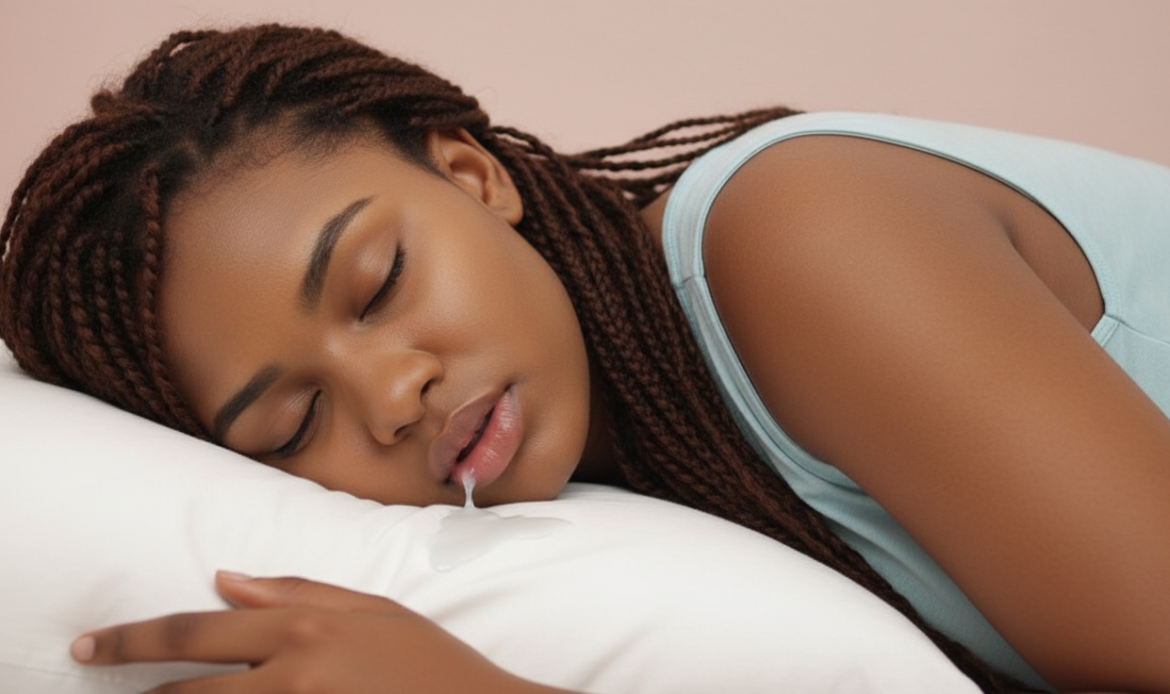
Let’s be honest. Few things are more humbling than waking up, stretching, and then realizing your pillow is… damp. You replay the night in your head, hoping there’s a leak somewhere else to blame. But no. It’s you. Drooling. Again.
Before you start Googling symptoms at 6 a.m., relax. Drooling while sleeping, known medically as nocturnal drooling, is far more common than most people admit. It happens to adults, not just babies, and it doesn’t automatically mean something is wrong with you.
We break down why drooling happens during sleep, when it’s perfectly normal, when it deserves attention, and what simple changes can help. There’s no need to panic. No medical jargon overload. Just a series of clear explanations for a very human experience.
What Exactly Is Drooling During Sleep?
Saliva has a full-time job. It helps you chew, swallow, digest food, and protect your mouth from bacteria. Your body produces it constantly, even when you’re asleep. What changes at night isn’t the saliva itself, but what your body does with it.
Drooling happens when saliva pools in the mouth and escapes instead of being swallowed. During sleep, especially deep sleep, your swallowing reflex slows down. The muscles around your mouth and jaw relax, and gravity does the rest.
So nocturnal drooling isn’t your body malfunctioning. It’s your body on low power mode. Think of it as a system that’s still running, just less supervised.
Read: Blue Light and Sleep: How Screens Are Sabotaging Your Rest
Why Does It Happen More at Night?
During the day, you swallow hundreds of times without thinking about it. At night, that automatic reflex takes a back seat. Your brain is focused on rest and repair, not housekeeping saliva.
Sleeping position matters too. If you sleep on your side or stomach, gravity encourages saliva to move outward instead of backwards toward your throat. Mouth breathing also plays a role. When your mouth stays open during sleep, saliva has an easy escape route.
Blocked nasal passages from colds, allergies, or sinus issues force people to breathe through their mouths. Deep sleep can make this worse, especially after exhaustion or alcohol use, which further relaxes facial muscles.
In short, drooling at night is often a combination of gravity, relaxed muscles, and reduced swallowing. Nothing mysterious. Just physics meeting biology.
When Drooling Is Normal and When It Is Not
Occasional drooling is normal. If it happens once in a while, especially when you’re very tired or sleeping deeply, it’s usually harmless.
It becomes worth paying attention to when it’s frequent, excessive, or suddenly new. If you’re waking up soaked every night, or experiencing other symptoms alongside drooling, your body may be trying to tell you something.
Red flags include loud snoring, choking or gasping during sleep, persistent bad breath, heartburn, or waking up tired despite a full night’s rest. Drooling combined with these signs may point to issues like sleep-disordered breathing or acid reflux.
The key difference is consistency. An occasional wet pillow is life. A nightly pattern with other symptoms deserves a closer look.
Health Issues Linked to Excessive Drooling
Several common health conditions can increase drooling during sleep. Nasal congestion from allergies or sinus infections forces mouth breathing, making saliva escape more easily. Acid reflux can trigger excess saliva production as the body tries to protect the throat.
Some infections and medications also affect muscle control or saliva flow. Certain pain medications, sedatives, and antidepressants list drooling as a side effect, especially during sleep.
In rarer cases, neurological conditions that affect muscle coordination can cause persistent drooling. This is not the common scenario, but it’s why ongoing or worsening drooling should not be ignored.
It is important that you do not fear, instead, you should seek medical attention. Most causes are manageable, especially when caught early and addressed with proper care.
Read: Are you getting enough sleep? Here are five reasons to prioritize sleep
Simple Ways to Reduce Drooling While Sleeping
Small changes often make a big difference. Sleeping on your back reduces the effect of gravity and helps saliva flow naturally toward the throat. Elevating your head slightly can also help, especially if reflux is involved.
Treat nasal congestion promptly. Clearing blocked sinuses encourages nasal breathing and keeps the mouth closed during sleep. Staying hydrated during the day helps regulate saliva thickness and flow.
If heartburn is a factor, avoid heavy meals close to bedtime and reduce late-night caffeine or spicy foods. Most importantly, don’t self-diagnose endlessly. If drooling is persistent, a simple medical check can offer clarity and peace of mind.
So, Should You Be Worried?
For most people, drooling while sleeping is harmless and temporary. It’s a side effect of deep rest, relaxed muscles, and gravity doing its thing. It is not glamorous, but it is also not dangerous.
That said, your body is a good communicator. When drooling becomes frequent, disruptive, or comes with other symptoms, it’s worth listening to. Early attention often prevents bigger problems later.
Health concerns don’t always announce itself with pain. Sometimes they show up as a wet pillow signalling a hint to check in.
For more clear, relatable health explainers that make everyday symptoms easier to understand, follow and share RefinedNG’s articles. Your body deserves attention, not guesswork.