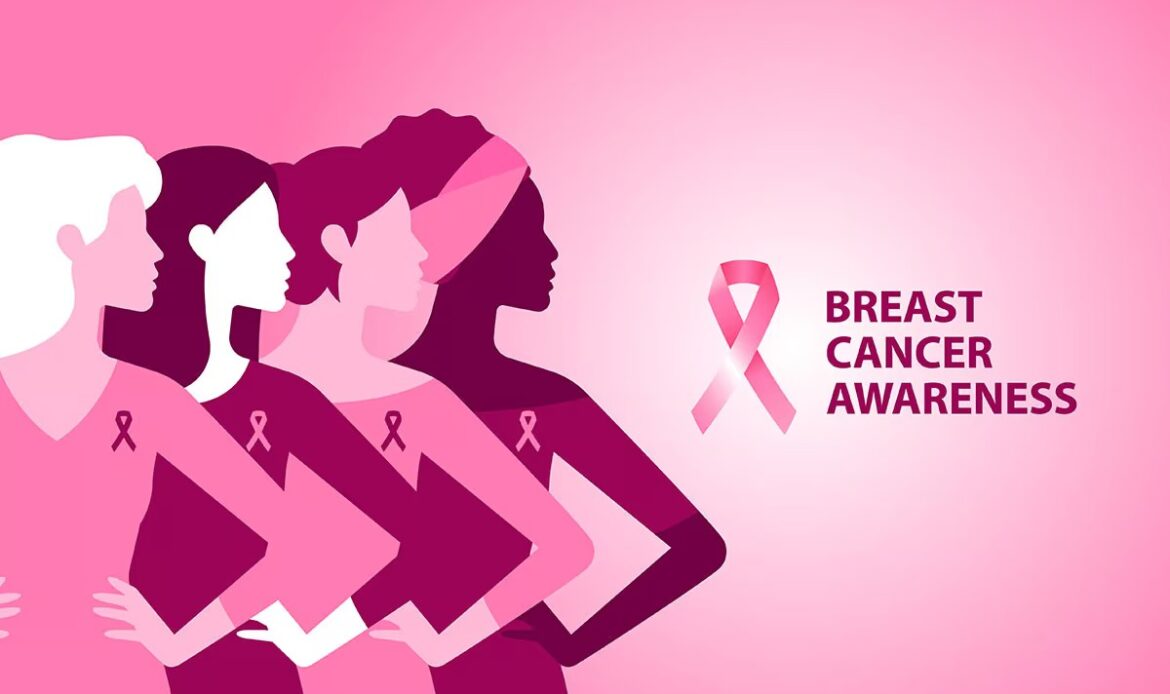
October is Breast Cancer Awareness Month, a time to honor survivors, remember those we’ve lost, and raise our collective understanding of breast health. Yet, awareness is more than wearing pink ribbons or sharing statistics. It’s about learning what health looks like for you and taking small, intentional steps to protect it.
Breast cancer affects women of all ages, though risk increases over time. The key to prevention and early detection lies in understanding your own body: its rhythms, changes, and signals. When you know what’s normal, you can quickly notice what’s not.
This month, beyond the campaigns and conversations, let’s focus on action; on knowing, checking, and caring for our health at every stage of life.
Your 20s: Awareness Begins Early
In your 20s, breast cancer is rare, but this is the best time to build habits that protect your health for life. Your body is still changing, guided by hormones that influence your breast tissue. Learning how your breasts normally look and feel helps you notice any changes early. Self-exams aren’t about fear, they’re about familiarity. Spend a few minutes each month checking for anything unusual: lumps, dimples, or discharge.
Your lifestyle also plays a quiet but powerful role in prevention. A diet rich in fruits, vegetables, and whole grains supports hormonal balance, while regular exercise strengthens your immune system and reduces long-term risk. Limit alcohol and processed foods—they can raise estrogen levels linked to breast cancer. Awareness in your 20s isn’t just about screening; it’s about setting the foundation for lifelong wellness. Healthy habits formed now become protection later.
Read: Debunking Common Breast Cancer Myths
Your 30s: Balance and Vigilance
Your 30s bring new responsibilities, and with them, new changes in your body. Hormones fluctuate more during this decade, influenced by pregnancy, contraceptive use, and stress. These shifts can cause breast tenderness, swelling, or other variations that are often harmless but knowing your baseline helps you recognize when something feels different.
Although breast cancer is still uncommon at this age, risk begins to rise slightly. About five percent of all cases occur in women under 40, so regular check-ins with your healthcare provider matter. Schedule a clinical breast exam every one to three years and discuss any family history of breast or ovarian cancer. Women with close relatives who’ve had these conditions might benefit from genetic counseling or earlier screening.
Lifestyle choices, balanced nutrition, stress management, and consistent exercise, also support hormonal stability and long-term breast health. Your 30s are a time to listen to your body and make preventive care a priority. As you move into your 40s, screenings become even more essential.
Your 40s: Screening and Self-Care
Your 40s mark a turning point in breast health. At this stage, regular screening becomes essential, not optional. Both the World Health Organization (WHO) and the American Cancer Society (ACS) recommend starting annual mammograms at age 40. A mammogram can detect tiny lumps or abnormalities long before they can be felt, giving doctors the chance to treat them early and effectively.
If you have dense breast tissue, mammograms may be harder to read. Don’t hesitate to ask your doctor about additional screening options such as ultrasound or MRI, which can offer a clearer picture.Beyond screenings, your emotional and physical wellness matter too. Reduce stress through rest, movement, or mindfulness. Maintain an active lifestyle, walk, dance, stretch, and nourish your body with wholesome foods. Adequate sleep helps your body repair and regulate hormones that influence breast health.
Remember, screening is not fear, it’s self-love. Caring for your health allows you to keep showing up for the people and passions that matter most. In your 50s, awareness meets long-term care.
Read: 8 Healthy Habits to Improve Your Breast Health
Your 50s and Beyond: Long-Term Health and Support
By your 50s, your body has weathered decades of change, and hormonal shifts after menopause can increase breast cancer risk. With declining estrogen and progesterone levels, the balance that once protected your breast tissue begins to change. This makes annual screenings and regular medical checkups more important than ever.
A balanced lifestyle can make a lasting difference. Maintaining a healthy weight, eating fiber-rich foods, and limiting saturated fats help reduce estrogen-related risks. Regular physical activity keeps your metabolism steady and supports overall heart and bone health.
Beyond personal care, this stage of life is also about community and connection. Support others through awareness programs, survivor advocacy, or by simply talking about breast health openly. Shared experiences help remove stigma and encourage early detection across generations.
Your 50s are a time to live wiser, not fearfully. Keep learning, supporting, and showing up for your health because awareness doesn’t end after October, it continues with every healthy choice.
From Awareness to Action
Breast cancer awareness isn’t confined to a single month. It’s a lifelong commitment to health, knowledge, and action. Every woman, and man, should take charge by scheduling regular screenings and speaking openly with their doctors. Early detection remains the most powerful step toward saving lives, and each conversation can spark another person’s courage to check, care, and act.
Let this October be more than a reminder; let it be a renewal of your promise to prioritize your health. Awareness begins with you and your story could inspire someone else to act.
At RefinedNG, we believe stories can change outcomes. Join us as we share more conversations that inform, empower, and inspire healthier communities. Follow us for more health-driven insights and inspiring human stories.
RefinedNG – your number one stop for all things positive.