

It has been over a month since Adekunle Gold dropped his Fuji album, and the conversations around it are still loud. The project has revived a fresh wave of love for Fuji music, especially among younger listeners who only encountered the genre through nostalgic stories or their parents’ playlists. But one track, “Many People”, has sparked its own debate. Some fans argue that the catchy refrain draws from Yinka Ayefele’s early-2000s classic. In contrast, others insist the spirit of that line can be traced even further back to an unmistakable delivery by Adewale Ayuba in his 1995 Fuji Musik.
The discussions have become a reminder of how deeply Fuji runs in our collective memory, and how many artists shaped the sound long before it became trendy again. So instead of choosing sides, we followed the trail back to one of the genre’s most influential architects.
Many, many, many people are talking… and here are a few things we found out about Adewale Ayuba.
1. Ayuba’s Fuji Journey Began at Eight
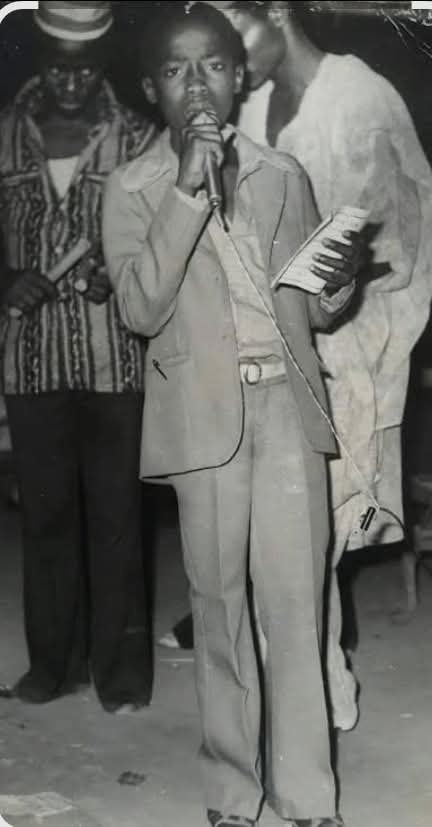
Before the awards, the international tours, and the glitter of Bubble, Adewale Ayuba was already living the life of a prodigy. Born in Ikenne, Ogun State, in 1965, he stepped onto his first makeshift stage at just eight years old, singing at local competitions and village fiestas with a confidence far beyond his age. While most children his age were learning multiplication tables, Ayuba was learning how to hold a crowd, how to carry a melody, and how to stretch his voice around the rhythms of early Fuji.
By his teenage years, he had become the boy everyone in the community knew; the slim, soft-voiced performer who delivered Fuji with a kind of polish people were not used to hearing from someone so young. His sound was clean, melodic, and unusually disciplined, and those qualities would eventually form the backbone of the “Bonsue Fuji” identity.Long before fame found him, Ayuba had already built the foundation for it.
Read: Olamide Becomes First African Rapper to Sell Out OVO Arena
2. He Took Fuji from the Streets to Sony Music

Ayuba didn’t just rise in Fuji; he shifted its entire direction. In 1983, he released Ibere (Beginning), a debut that marked him as a young act with unusual polish and ambition. That early momentum caught the attention of Sony Music Nigeria, leading to a major-label deal that was almost unheard of for Fuji artists at the time.
Then came Bubble in 1991, the album that didn’t just succeed but exploded. It sat at No.1 for six straight months, swept the Nigerian Music Awards, and suddenly made Fuji feel glossy, modern, and accessible to audiences beyond its core base. Bubble became the blueprint for refined, export-ready Fuji, proving the genre could evolve without losing its soul. Adewale Ayuba didn’t follow the wave; he engineered the new tide.
3. Education Didn’t Take Him Away from Music
Ayuba’s rise wasn’t built on talent alone; it was shaped by discipline and an unusual blend of academics and artistry. After finishing at Remo Secondary School, he left Nigeria for the United States, where he enrolled at Queensborough Community College to study Financial Accounting. Most artists would have taken a break from music to focus on school, but Ayuba moved with both worlds in his hands. He attended classes during the day and sharpened his Fuji craft at every opportunity, refusing to choose one path over the other.
His academic journey didn’t stop there. He later earned a Doctor of Arts in Music from Bradley University, proof that he understood the structure, business, and theory behind his sound long before “artistpreneur” became a buzzword.
4. Ayuba Was One of the Earliest Global Ambassadors of Fuji Music
Long before global stages became familiar territory for Nigerian artists, Ayuba was already carrying Fuji across continents with the confidence of someone who knew his sound deserved the world. His tours stretched through West Africa, Europe, and the United States, with standout moments like performing at the New Orleans Jazz Festival, the iconic SummerStage concerts in New York, and BET’s Jazz USA.
His reception wasn’t lukewarm either. Providence, Rhode Island, honoured him with a “Key to the City”, and Los Angeles Weekly praised his performances as vibrant, powerful, and irresistibly rhythmic.
Ayuba didn’t just perform; he translated Fuji for global ears. By blending Yoruba talking drums with American percussion and collaborating internationally, especially on Fuji Satisfaction with BANTU, he made Fuji portable, danceable, and undeniably global.
5. His Discography Is Massive

If you ever needed proof that Ayuba is built for longevity, his discography tells the story loudly. With more than 15 albums released in Nigeria and at least four more internationally, he stands as one of the most prolific Fuji musicians of his generation and one of the few who never stopped experimenting with sound. His early work carried the raw, energetic Bonsue Fuji identity that introduced him to the world, but by the mid-90s he was shaping a more polished, pop-friendly Fuji that appealed to both street listeners and upwardly mobile fans.
The 2000s saw him dive into cross-cultural fusions, blending Yoruba rhythms with Western arrangements and collaborating with international acts. And just when many believed he had done it all, Ayuba returned with a global Fuji revival across 2023 and 2024, dropping projects like Koloba Koloba, Fujify Your Soul, Uncommon, and Jafo Authority.Ayuba isn’t just consistent, he’s constantly evolving without ever losing the core of who he is.
6. Ayuba Was Branding Before It Was a Trend
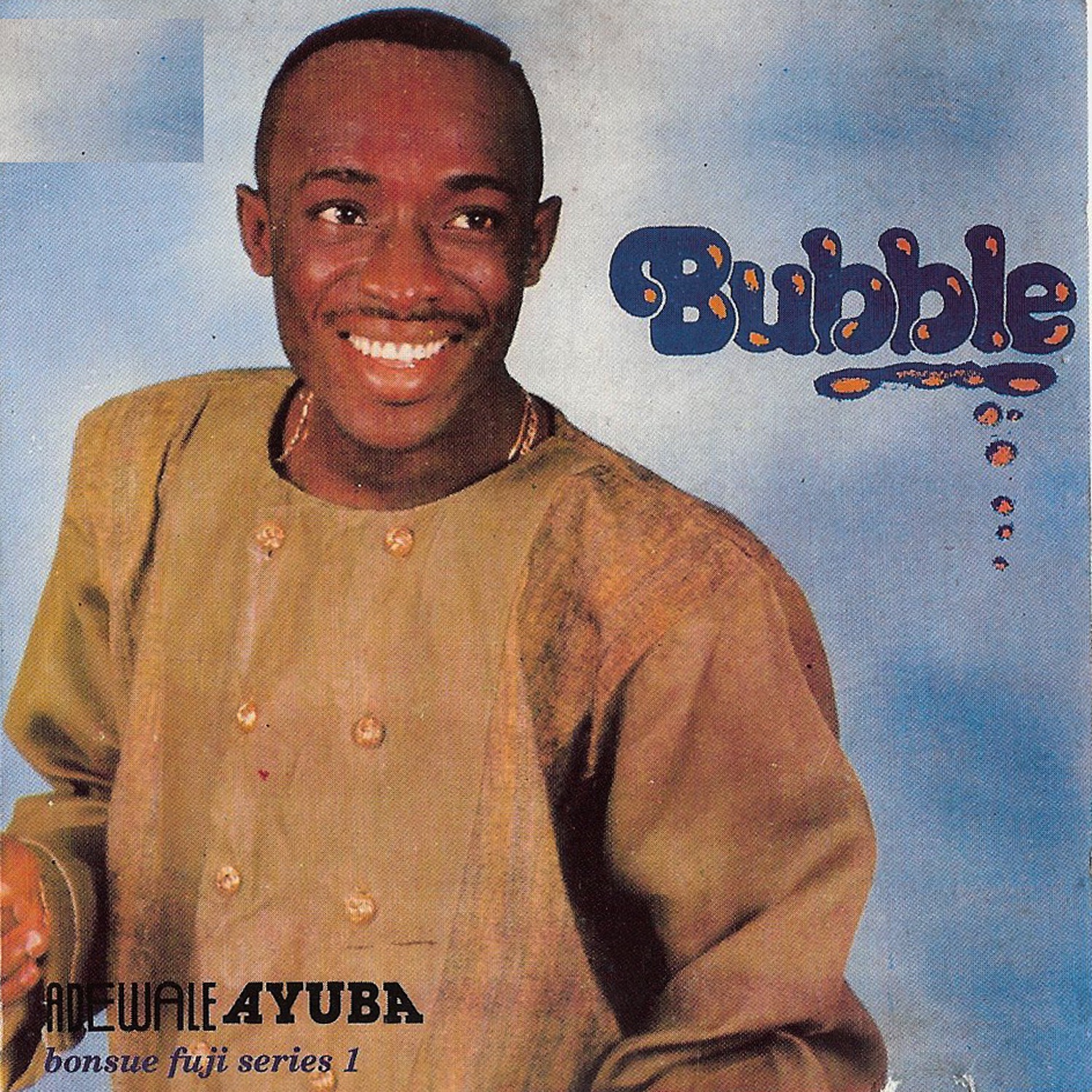
Long before “branding” became an industry buzzword, Adewale Ayuba had already carved a signature identity that fans could spot from a mile away. His iconic shokoto and bubba ensembles, later formalized in the Bonsue Wears collection, combined traditional Yoruba elegance with a stage-ready flair, making him instantly recognisable at every performance.
But it wasn’t just fashion; it was the entire experience. His 15-man Bonsue Fuji Band moved with precision, delivering tight, choreographed performances that balanced complex percussion with melodic vocals. Clean lyrics, synchronized dancing, and disciplined stage presence turned every show into a masterclass of Fuji showmanship.
Ayuba didn’t just perform music, he performed a persona. Decades later, the model he created for stage identity, style, and live energy remains one that countless modern artists look to replicate.
Read: The Origin of Bata Dance: Rhythm, Ritual, and Yoruba Heritage
7. Humanitarian, Actor, Cultural Icon

Adewale Ayuba’s influence stretches far beyond his Fuji records. He has served as a member of the Nigerian Red Cross and was honoured as the “Prince of Peace” in 2012, reflecting his commitment to humanitarian causes. In 2015, he publicly shared his Christian faith, adding another layer to his personal evolution. Ayuba has also stepped into acting, appearing in Mystery of Unity, showcasing his versatility beyond music.
Even decades into his career, the national recognition continues. Earlier this year, the President of Nigeria joined well-wishers worldwide to celebrate his 60th birthday. Ayuba is more than an entertainer; he is a cultural figure whose legacy of artistry, leadership, and influence remains enduring.
Why Ayuba’s Influence Still Resonates
The “Many Many…” conversation might have started with a single lyric, but it opens a window into a career that spans decades, continents, and countless stages. Looking closely at Adewale Ayuba, it becomes clear that his influence on Fuji and African pop culture at large, goes far beyond one line in a song. His albums, tours, fashion, and humanitarian work, all paint the picture of an artist whose legacy is both deep and enduring.
If you haven’t yet explored the classics, now is the perfect time to dive into Ayuba’s discography and experience why he remains a touchstone for Fuji music worldwide.
Follow RefinedNG for more spotlights on Nigerian legends, cultural icons, and the stories behind the music we love. Which Ayuba song shaped your childhood, or which artist should we spotlight next?