
Forbes Africa has unveiled its 2026 list of “Africa’s 25 Most Powerful Women Under 50”, spotlighting women who are shaping industries, influencing culture, and leading institutions across the continent. The list cuts across nine countries and reflects a wide mix of fields, including finance, technology, entertainment, fashion, social impact, and sport.
This year’s selection highlights women who are making clear decisions, building lasting institutions, and stepping into roles that carry weight. From boardrooms and football pitches to music stages and community classrooms, these women represent a generation that is not waiting for permission to lead.
Read: From Kaduna to Global Stage: Abel Otitoju Wins Shutterstock Award
Leaders in Business, Finance and Technology
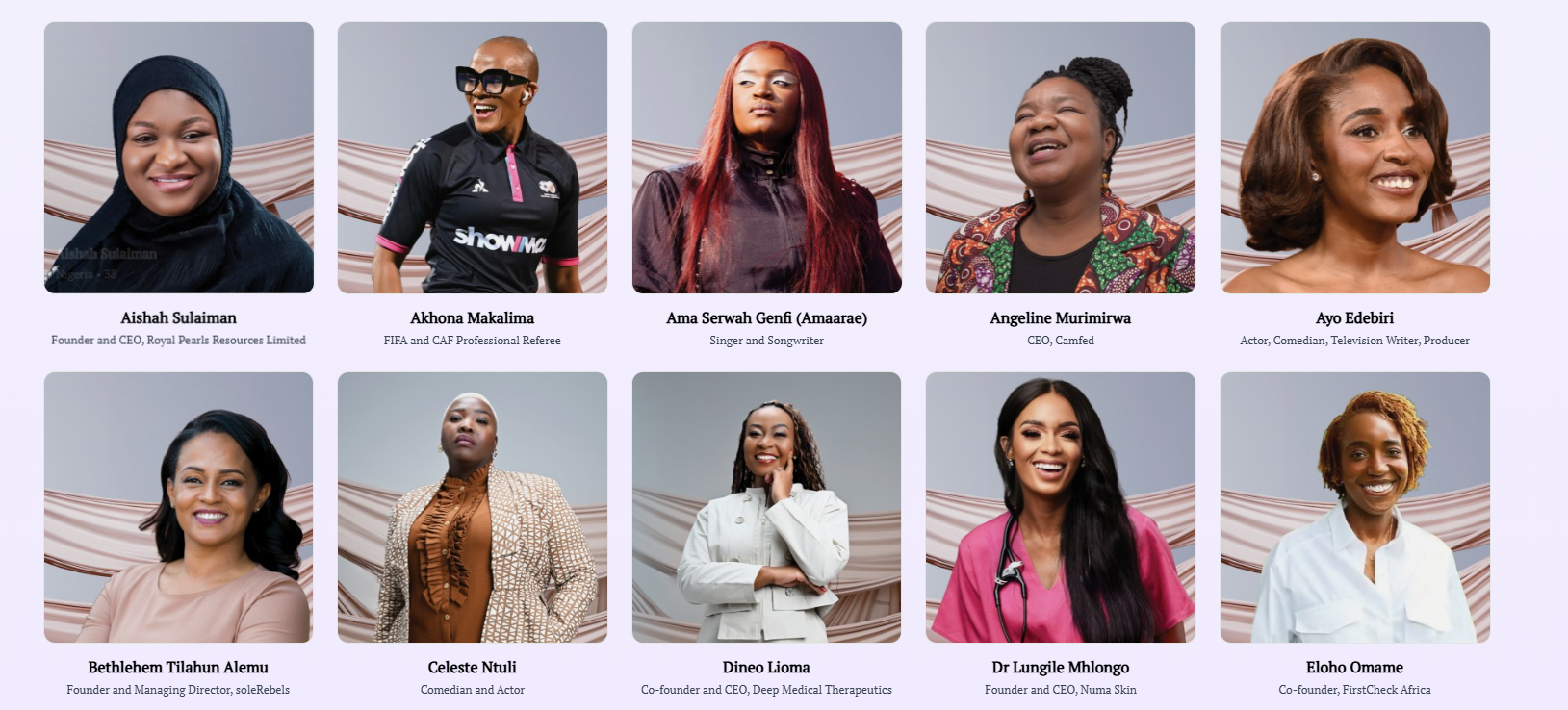
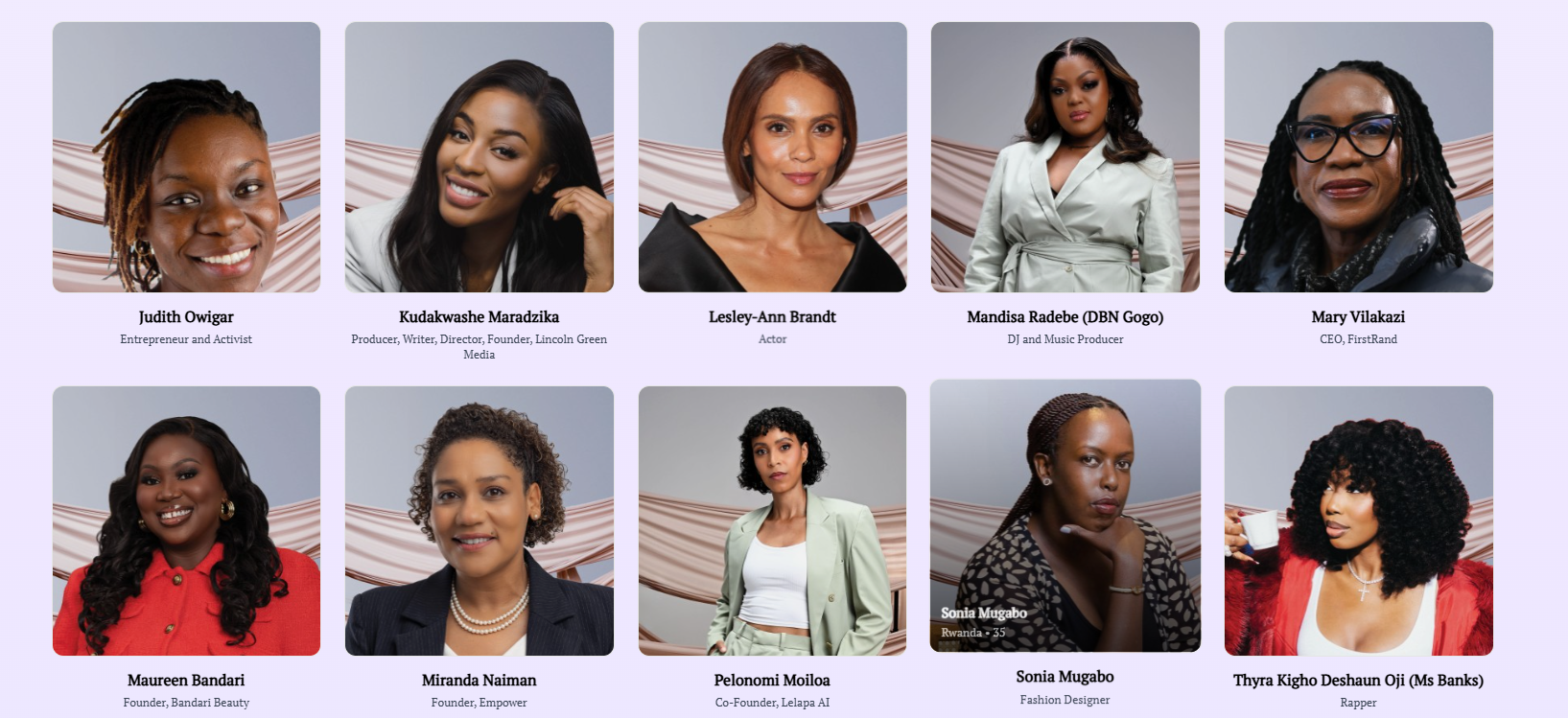
In finance and enterprise, names like Mary Vilakazi, CEO of FirstRand in South Africa, stand out. Leading one of the continent’s major financial institutions before the age of 50 places her in a rare category of corporate leadership. Her role signals the growing presence of women at the highest levels of African banking.
Nigeria’s Aishah Sulaiman, founder and CEO of Royal Pearls Resources Limited, represents the agro-allied and food processing sector. Her work connects agriculture to structured markets, a key area for economic growth in West Africa.
Technology and innovation also feature strongly. South Africa’s Dineo Lioma, co-founder and CEO of Deep Medical Therapeutics, is building solutions at the intersection of science and healthcare. Pelonomi Moiloa, co-founder of Lelapa AI, is contributing to artificial intelligence development from an African standpoint, ensuring local languages and contexts are not left out of the global tech conversation.
Eloho Omame of Nigeria, co-founder of FirstCheck Africa, continues to push for early-stage funding for women-led startups. Her work addresses the funding gap that many female founders face across the continent.
Culture, Film, Music and Fashion
The list also celebrates cultural influence. Ghanaian singer Amaarae, born Ama Serwah Genfi, has expanded the reach of African alternative music. Her sound travels across borders, drawing audiences beyond the continent.
South Africa’s Mandisa Radebe, known as DBN Gogo, has helped carry Amapiano from local clubs to international festivals. In film and television, Ayo Edebiri, a Nigerian-born actor, comedian and writer, continues to earn recognition in Hollywood, adding another layer to African representation in global media.
Fashion and sustainability are represented by Ethiopia’s Bethlehem Tilahun Alemu, founder of soleRebels. Her brand focuses on locally sourced materials and ethical production, proving that African fashion can compete globally while staying rooted at home. Rwanda’s Sonia Mugabo and Kenya’s Maureen Bandari are also building strong brands in fashion and beauty.
Comedy and acting feature prominently with names such as Celeste Ntuli and Yvonne Orji, while Lesley-Ann Brandt continues to build a strong screen presence internationally.
Read: Hamamat Montia Named Ghana’s First Ambassador of Shea
Social Impact, Sport and Community Leadership
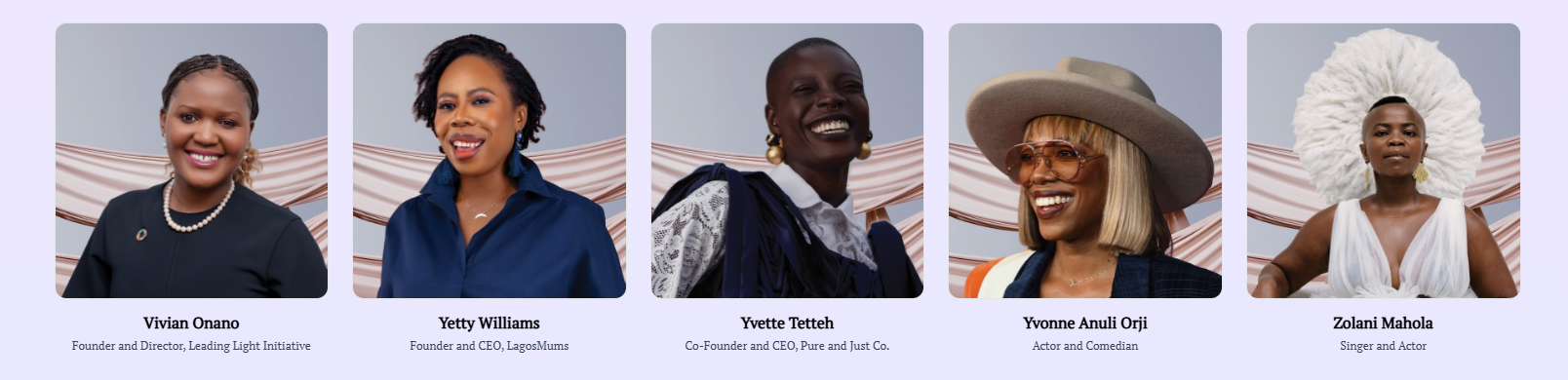
Beyond business and entertainment, several honorees are focused on community development and advocacy. Angeline Murimirwa, CEO of Camfed in Zimbabwe, works to advance girls’ education across Africa. Vivian Onano from Kenya leads initiatives that promote youth leadership and gender equality.
In sport, South Africa’s Akhona Makalima has built a respected career as a FIFA and CAF professional referee, operating at the highest levels of international football. Her presence on major pitches challenges long-held assumptions about women in officiating.
Yetty Williams of LagosMums has created a platform that supports parenting, career growth and community building in Nigeria. Yvette Tetteh of Ghana combines entrepreneurship with environmental advocacy, while Judith Owigar of Kenya continues to support women in technology through activism and enterprise.
Together, these women reflect different paths to influence. Some lead corporations, others build brands, and many invest in people and systems that will outlast them.
A Broader Picture of Power
This Forbes 2026 list shows that power now carries many forms. It may sit in a corporate office, on a concert stage, inside a laboratory, or within a grassroots organisation. What connects these women is responsibility. They manage teams, shape conversations, move capital, and create opportunities.
Their presence across Ethiopia, Ghana, Kenya, Nigeria, Rwanda, South Africa, Tanzania and Zimbabwe highlights the depth of talent across the continent. The recognition also signals to younger women that leadership roles are within reach.
For more updates on African leaders, innovators and culture shapers, follow RefinedNG. We bring you clear, detailed stories about Africans making an impact at home and across the world.