
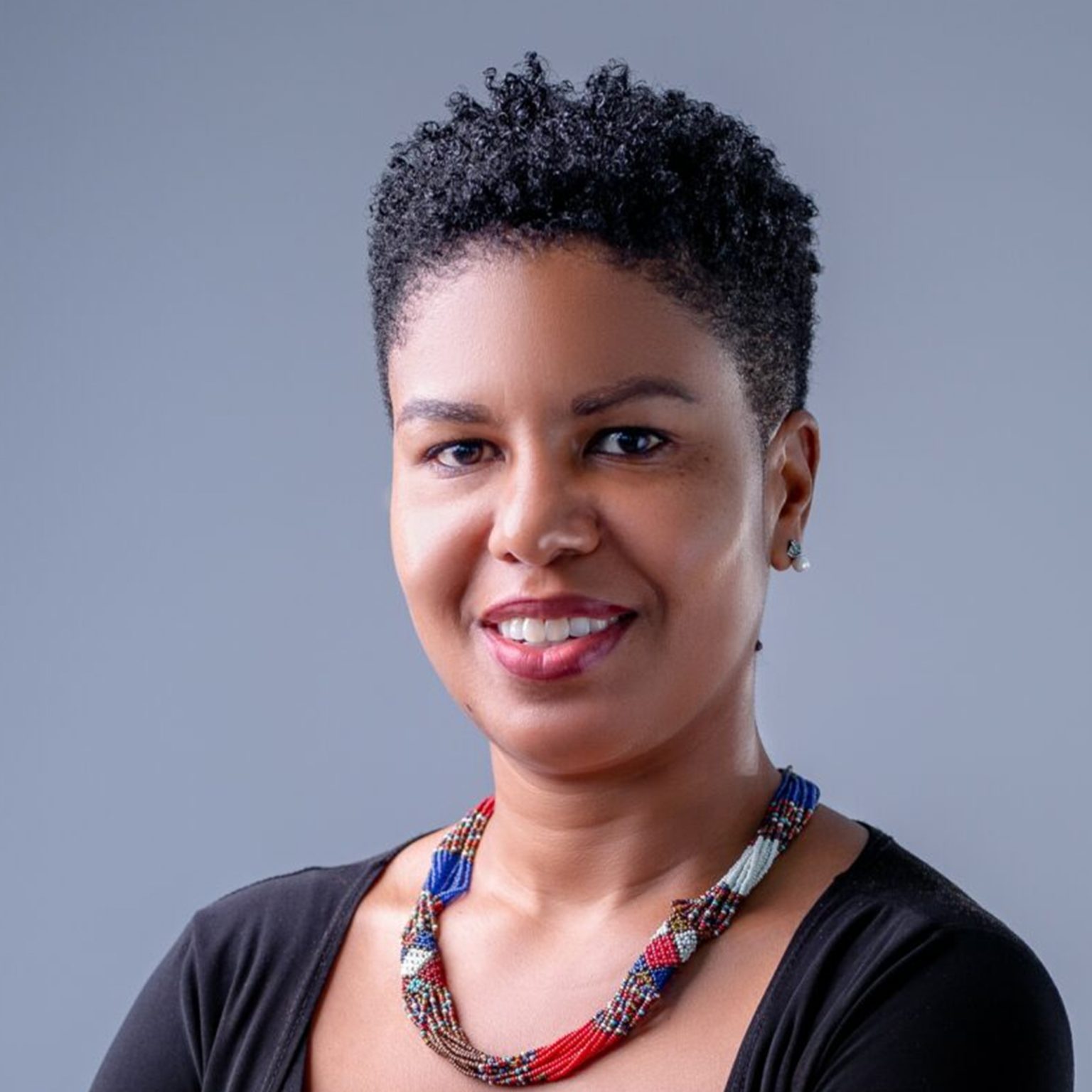
Most people experience African trade as frustration. Containers stuck at ports and paperwork that moves slower than ships. The frustration shows up in businesses that want to scale but can’t because one missing document or one delayed payment stalls everything. We talk about these issues like they’re inevitable, but they’re not. They’re design problems, and design problems attract a very specific kind of mind. Miishe Addy-Asare decided to offer a solution.
Miishe Addy-Asare didn’t enter logistics because it was trendy or lucrative. She entered it because the system didn’t make sense. From the outside, African trade looks chaotic. From the inside, it looks underbuilt. That distinction matters because chaos suggests disorder, while underbuilt suggests opportunity. Miishe saw the second one and decided to do something about it.
From Harvard Philosophy to Ghana’s Trade Corridors
Miishe’s path into African logistics surprises people because it doesn’t start where they expect. She grew up in the United States and studied philosophy at Harvard. That detail often gets treated like trivia, but it’s foundational. Philosophy trains you to interrogate assumptions, sit with complexity, and resist easy answers. Those skills matter when you’re dealing with systems that have been broken for decades.
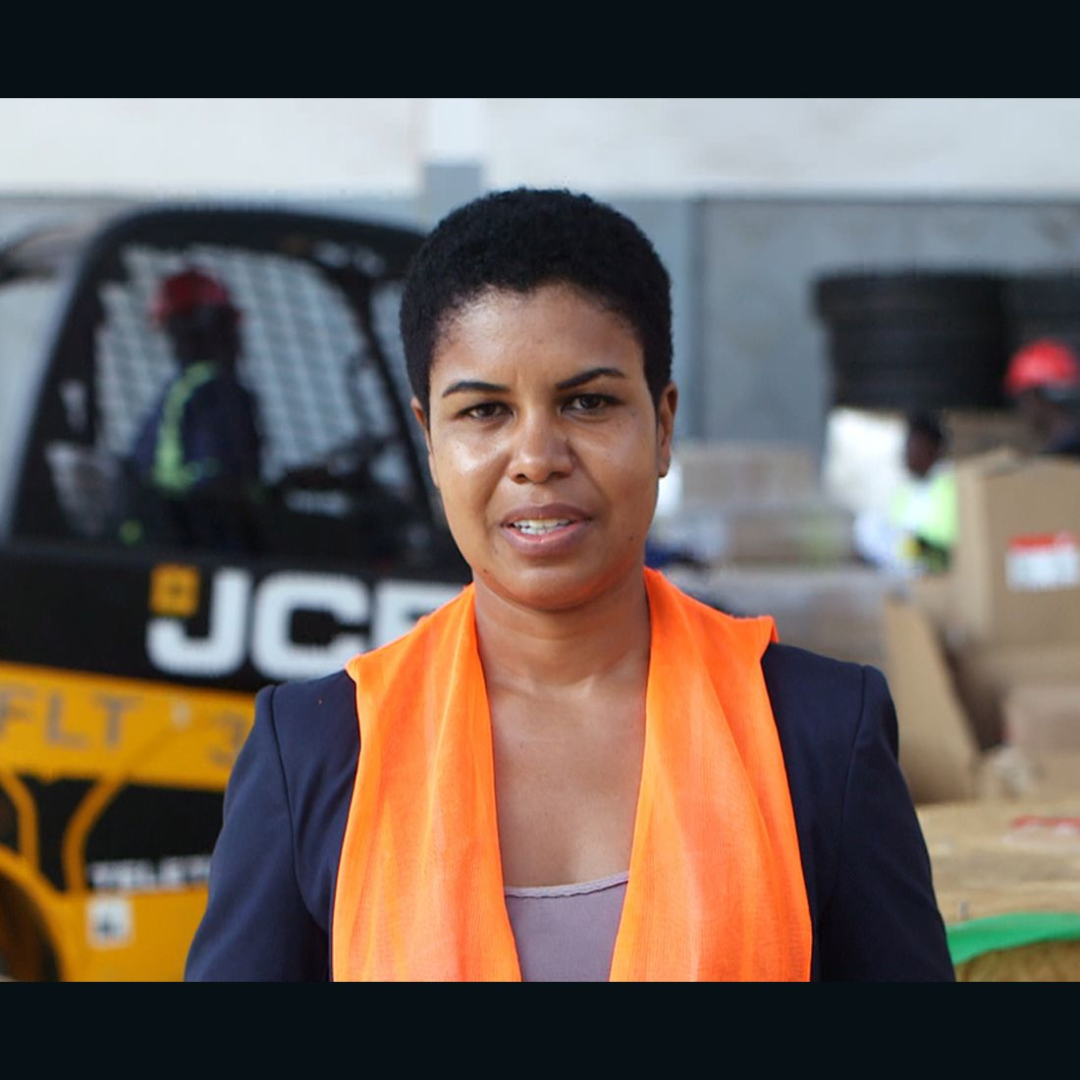
In 2017, she moved to Ghana, not for a sentimental homecoming story, but for relevance. She wanted proximity to real problems. She joined MEST as an entrepreneur-in-residence, mentoring founders and evaluating ideas. That role put her in constant contact with early-stage startups and exposed her to patterns. Again and again, founders hit the same wall when they tried to move goods across borders. Logistics wasn’t just a pain point. It was a bottleneck holding entire businesses back.
That realization didn’t come with a dramatic epiphany. It came through repetition. The same complaints, the same delays, and the same lack of transparency. Over time, it became clear that Africa didn’t just need better shipping options. It needed an integrated system that treated logistics and finance as one continuous process.
Read: The Part of Nissi Ogulu Most People Don’t Talk About
The MEST Moment That Changed Everything
While at MEST, Miishe met Solomon Torgbor, and their conversations shifted from abstract ideas to practical execution. They didn’t start out trying to build a logistics company. They tried to solve specific trade problems and kept discovering that isolated fixes didn’t work. You could digitize tracking, but financing still failed. You could arrange freight, but customs delays erased any efficiency gains.
Those early false starts did something important. They filtered out shallow solutions. What remained was a clear insight: small and medium-sized businesses in Africa struggle to trade because no one coordinates the entire journey of goods and money. Banks hesitate to finance shipments they can’t see. Logistics providers move cargo without understanding the financial constraints behind it. Everyone operates in silos, and businesses pay the price.
Jetstream Africa emerged from that gap. Not as a flashy disruption, but as an attempt to connect what already existed into something functional.
Jetstream Africa: Turning Chaos Into a System
Jetstream Africa sits at the intersection of freight forwarding, trade finance, and technology. At its core, it helps African businesses move goods across borders while providing visibility and financing along the way. That combination is what most people miss.
Logistics alone doesn’t unlock growth if businesses can’t access working capital. Finance alone doesn’t work if lenders can’t track goods or assess risk accurately. Jetstream connects shipment data with financial decision-making, creating trust where there was previously guesswork.
This approach changes how trade works in practice. Businesses know where their goods are. Financiers understand what they’re funding. Delays become visible instead of mysterious. ransparency doesn’t just improve efficiency, it makes scale possible.
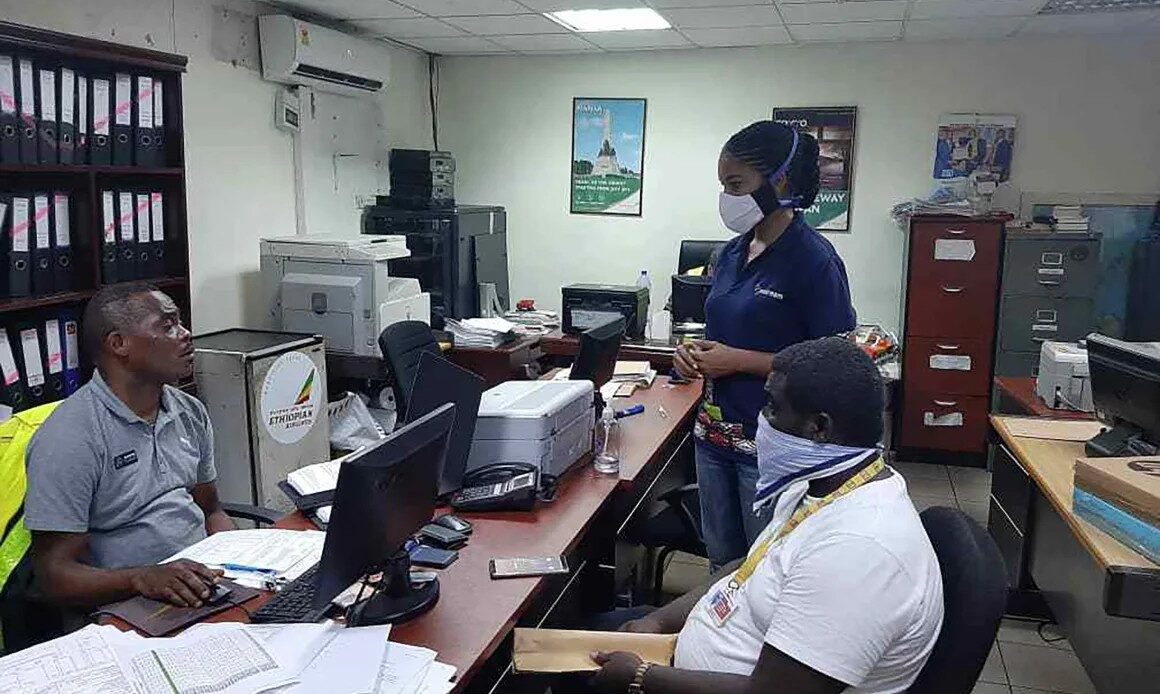
Miishe’s role here isn’t about being the face of the company. It’s about insisting on structure. She focuses on building processes that work even when she’s not in the room. That mindset explains why Jetstream has attracted serious institutional backing. Investors don’t fund vibes. They fund systems that can hold weight.
Leadership Without Noise
Miishe doesn’t lead with spectacle. She leads with clarity. Her decision-making draws heavily on first principles and legal rigor, which matters in a heavily regulated space like trade. She understands that compliance isn’t an obstacle to growth. It’s a condition for durability.
Jetstream has faced regulatory scrutiny and legal challenges, as any company operating at this scale will. What stands out isn’t the existence of those challenges, but how they’re handled. There’s no public panic, no reactive storytelling. The company addresses issues within the framework of the law and keeps building.
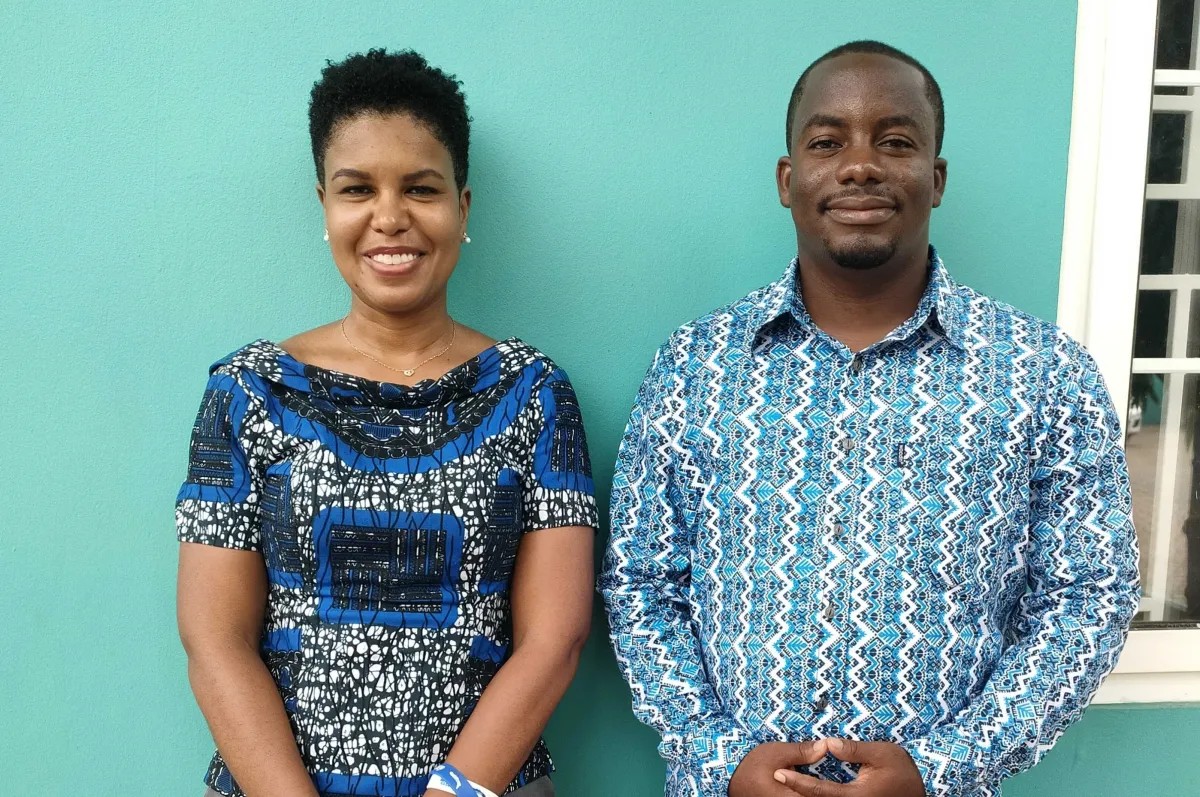
That restraint signals confidence. It also reflects Miishe’s broader leadership philosophy. She doesn’t optimize for applause. She optimizes for systems that survive pressure.
Read: How Twama Nambili Is Simplifying Marketing With AI and Conviction
What Miishe Addy-Asare Represents for Africa’s Future
Miishe represents a shift in how African success stories look. This isn’t about personal branding or viral moments. It’s about infrastructure. The kind that makes other businesses possible. The kind that rarely trends but always matters.
Africa’s growth depends on people willing to tackle unglamorous problems at scale. Moving goods. Financing trade. Reducing friction. These are the quiet mechanics of prosperity. Miishe chose to work there, not because it was easy, but because it was necessary.
Her story challenges a familiar narrative. You don’t have to build the loudest company to build the most important one. You just have to fix what actually moves.
At RefinedNG, we focus on stories like this because they reveal how progress really happens. Not through shortcuts or spectacle, but through ownership, structure, and long-term thinking. If you care about African excellence, systems that last, and the people building them quietly, RefinedNG is where those stories live.