
In 2022, the World Health Organisation reported 2.3 million new cases of breast cancer worldwide. Around 670,000 women died from it. Today, about 1 in 20 women will be diagnosed with breast cancer in their lifetime.
In Africa, the number of cases is lower than in many high-income countries. Yet more women die from it. Survival rates in parts of the continent range between 40 and 66%. Many women are diagnosed late. By the time they find out, treatment becomes harder and more expensive.
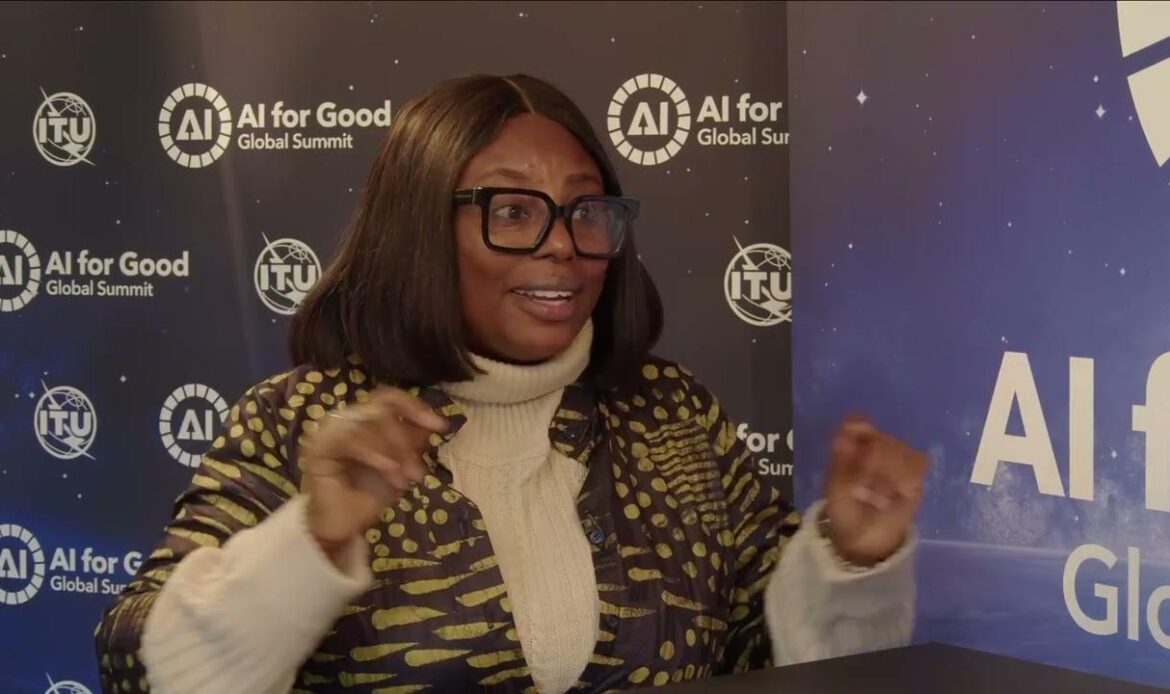
For some people, these are just numbers. For Kemisola Bolarinwa, it became personal in 2017 when she lost her aunt to breast cancer. That loss changed the direction of her life and career.
A Young Engineer Who Loved Science Early
Kemisola studied Electrical and Electronics Engineering at Ekiti State University. Her interest in science started much earlier. In secondary school, she enjoyed physics and mathematics. Later on, she joined the Junior Engineers, Technicians and Scientists (JETS) club and spent time learning how things worked.
She did not accidentally drift into tech. She built her skills step by step. Over time, she focused on robotics and embedded systems. She liked solving practical problems using engineering.
Before her aunt’s illness, breast cancer was something she heard about on the news. It felt distant. That changed when she began visiting the hospital and seeing the disease up close.
When her aunt was diagnosed, Kemisola saw how difficult the journey was. The hospital visits became frequent. The treatments were draining. The emotional weight on the family was heavy. During that time, she began reading more about breast cancer.
One fact stood out clearly: early detection saves lives.
When breast cancer is found early, treatment is often more effective and less costly. The problem is access. In many Nigerian communities, mammography is expensive. Screening centres are limited. Some women only discover a lump when it has grown for months or even years.
Kemisola kept asking herself a simple question: if early detection is so important, why is it still out of reach for many women?
That question led to an idea.
Read: Meet Dr. Samuel Achilefu, The Scientist Who Makes Cancer Glow
Turning Ultrasound Into Something You Can Wear
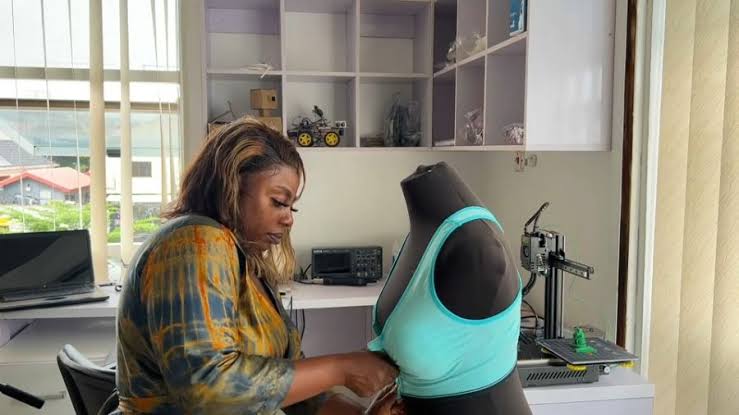
Kemisola founded Nextwear Technologies and began working on a wearable breast cancer screening device known as the Smart Bra Cup Diagnostic Device.
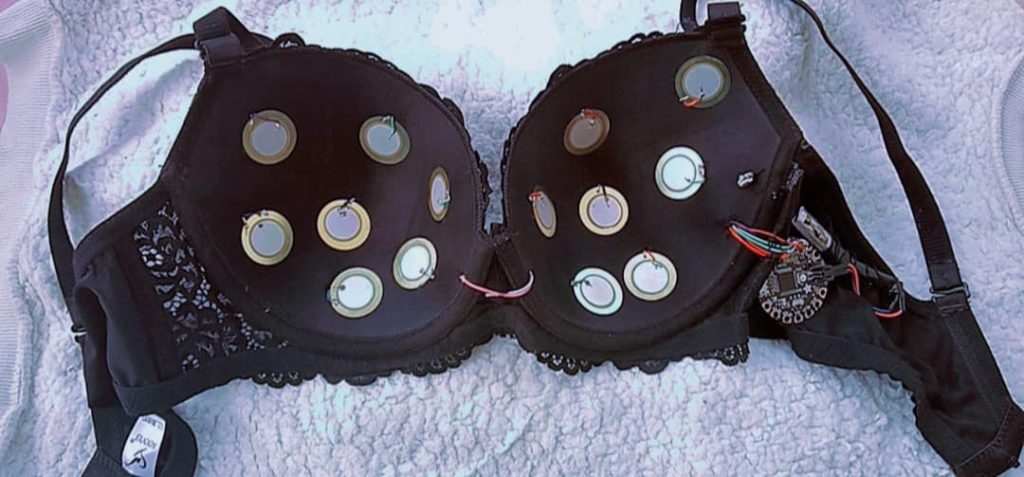
The idea is straightforward. The device uses Doppler ultrasound technology, which helps detect unusual blood flow patterns linked to cancerous growth. Instead of a large hospital machine, she redesigned the technology into small sensors that can fit inside bra cups.
A woman wears the bra for about 30 minutes. The sensors scan the breast tissue and collect data. The device then connects to a phone or laptop through an Internet of Things (IoT) system, allowing health professionals to review the results.
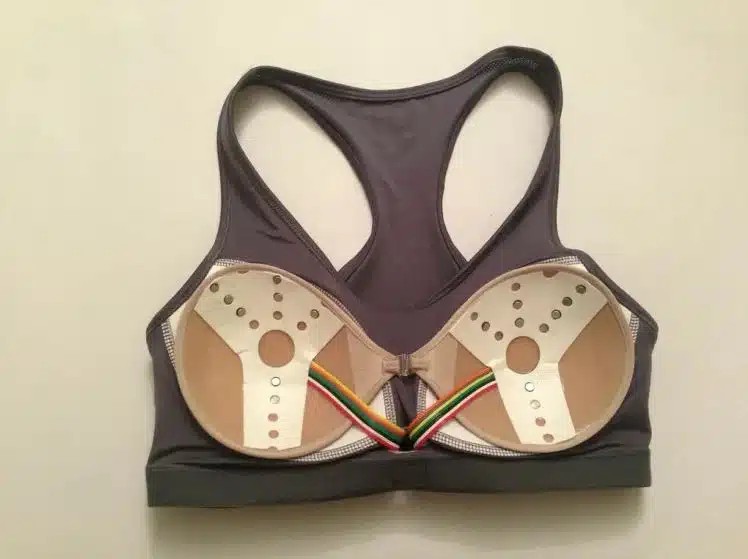
It is non-invasive. It does not involve radiation and can be used regularly.
Kemisola also explored nanotechnology to make the components smaller and more efficient. In simple terms, this means building technology at a very tiny scale so it can fit comfortably into everyday clothing.
The goal is simple: make breast checks easier, more frequent, and more accessible.
The device is still under development and requires further testing and regulatory approvals. Building medical hardware takes time and careful validation.
The Reality of Building Medical Hardware in Nigeria
Creating medical devices in Nigeria comes with serious challenges.
Research facilities are limited. Specialised components often have to be imported. Import delays can slow down progress. Funding is another major hurdle. Medical hardware requires clinical trials, certifications, and strict safety checks. All of this costs money.
Unlike digital products that can be built and launched quickly, medical devices demand years of testing and refinement.
So far, Kemisola has raised over $120,000 to support development. That funding has helped her continue research and prototype testing. Even so, more investment is needed to bring the product fully to market.
Despite the obstacles, she has kept going. The reason is simple. She knows what late detection can cost.
Making Screening More Affordable
Kemisola understands that many women cannot afford to buy a personal medical device. That is why she is exploring a pay-per-scan model.
Instead of selling the device directly to individuals, the plan is to partner with primary health centres and local clinics. Women would visit these centres and pay a small fee for screening. This approach reduces the cost barrier and allows more women to access early checks in their communities.
Global projections show that breast cancer cases could rise to 3.2 million per year by 2050. Deaths could increase to 1.1 million. Low-resource regions are expected to carry a large part of that burden.
Improving access to early screening could change those outcomes.
Read: Dr. Funmilayo Olopade is Changing How the World Understands Breast Cancer
Building Beyond One Device
Kemisola’s work goes beyond one invention. She founded the Nigeria Innovative Hardware Development Society to support local hardware creators. She also advocates for more girls to enter STEM fields. Kemisola wants young women to see engineering as something they can pursue confidently.
Her efforts have earned recognition. She is a member of the Obama Leaders Network and has been recognised by UN Women for her work in innovation.
She continues to mentor, speak, and push for better support systems for hardware development in Nigeria.
Engineering as a Response to Loss
Breast cancer remains a global health challenge. In many parts of Africa, late detection remains a major issue. Kemisola Bolarinwa’s journey shows how personal loss can lead to practical action. She used her engineering background to focus on one clear goal: make early breast cancer screening easier to access.
Sometimes, the fight against disease begins with medicine. Other times, it begins with an engineer who decides to build something that could save lives.
At RefinedNG, we continue to spotlight Africans creating solutions to real problems. Follow us for more stories of innovation shaped by purpose.