
Bridges are never just slabs of concrete stretched across water. In many ways, they are shortcuts to opportunity. Think about it: the difference between spending hours on a rickety ferry and cruising over in a few minutes is not just comfort — it’s time saved, goods delivered faster, and people staying connected.
In Africa, bridges often carry more than cars and trucks. They carry stories. Some are bold symbols of modern engineering, others are lifelines for farmers and traders who depend on them every day. And then there are the bridges that have become cultural landmarks, appearing in movies, music videos, and postcards.
From Lagos to Maputo to the Congo River, Africa’s bridges remind us that development isn’t abstract — it’s as real as getting to school on time, reaching a hospital, or selling yams at the market.
1. Maputo–Katembe Bridge: Mozambique’s New Lifeline
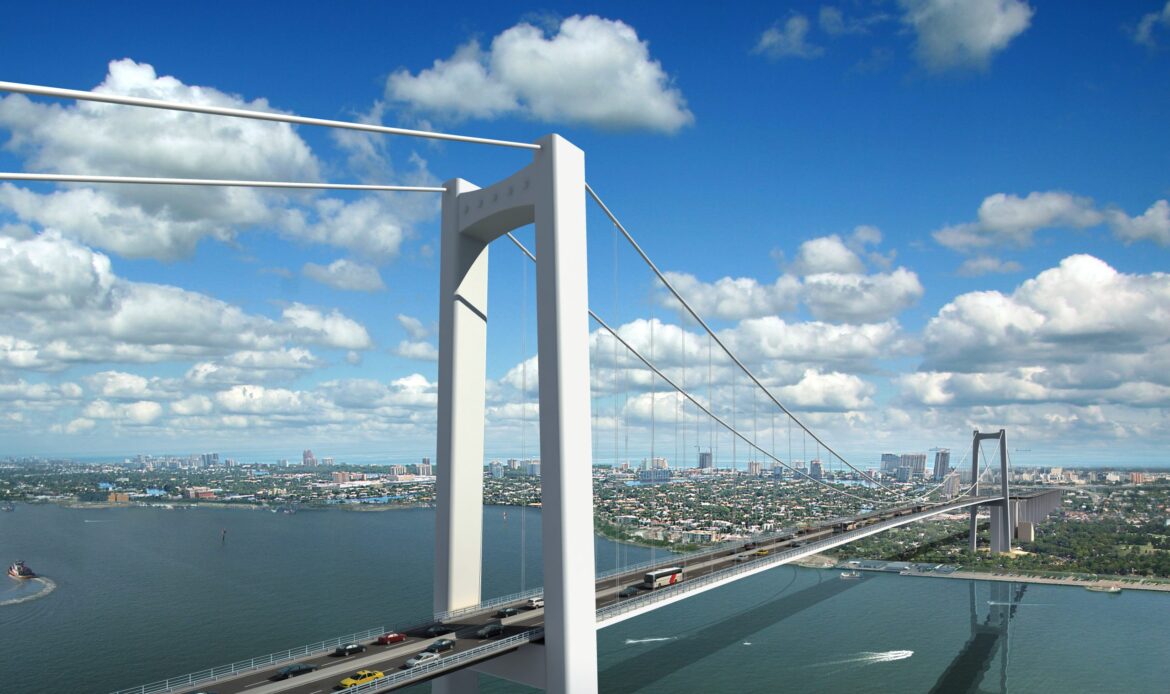
If you land in Maputo today, one of the first things you’ll notice is the striking Maputo–Katembe Bridge stretching across the water. At over three kilometers long, it holds the crown as Africa’s longest suspension bridge. But it’s more than an engineering flex, it’s a story of access.
Before the bridge, crossing from Maputo city to Katembe was a patience game. Residents had to rely on ferries that took hours, and bad weather often meant being stranded. Now, the trip takes less than ten minutes by car. That single change has opened doors for business, tourism, and real estate on Katembe’s side, turning what was once seen as a sleepy, cut-off town into prime land for development.
It also reflects a bigger story, the role of China in financing and building Africa’s big infrastructure projects. For locals though, the bridge isn’t about geopolitics. It’s simply freedom of movement.
Read: 10 African Fabrics You’ve (Probably) Not Heard Off
2. Lekki–Ikoyi Link Bridge: Lagos’ Landmark
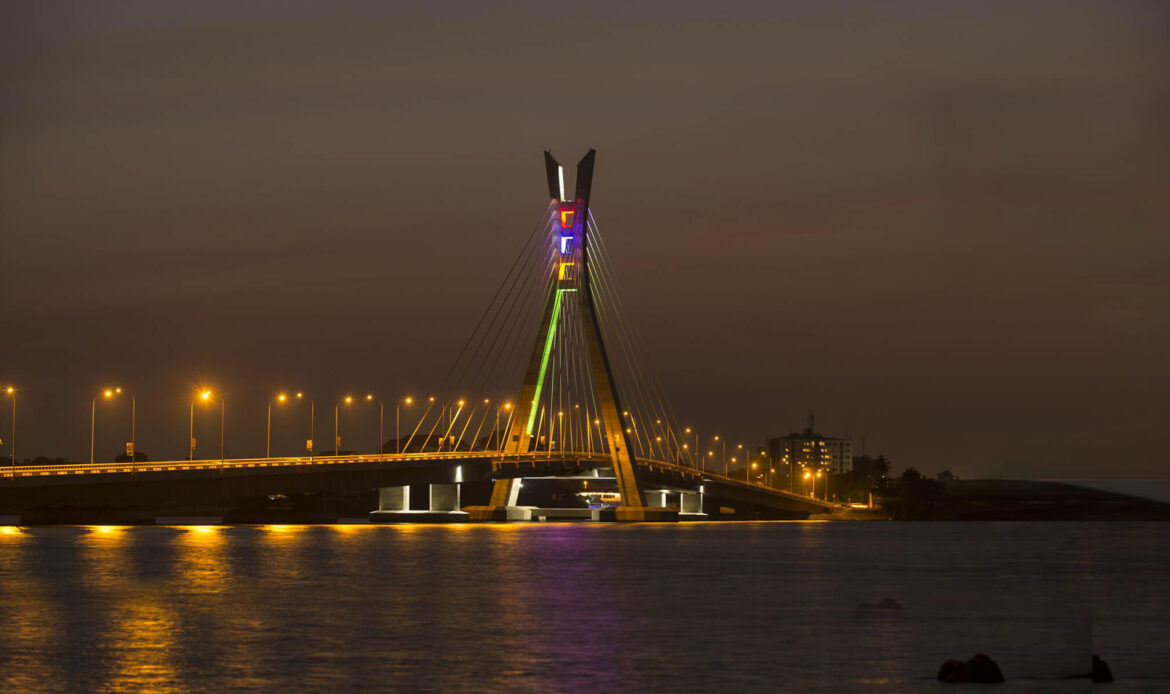
In a city where traffic can test anyone’s patience, the Lekki–Ikoyi Link Bridge arrived like a breath of fresh air. Opened in 2013, it became the first cable-stayed bridge in West Africa — a sleek structure designed to ease movement between Lekki Phase 1 and Ikoyi. For many Lagosians, it cut down precious minutes (sometimes hours) on their daily commute.
But the bridge quickly became more than just a shortcut. Its striking design and waterfront views turned it into a cultural landmark. On most mornings, you’ll spot joggers pacing across it, influencers snapping skyline shots, or even film crews shooting music videos. In a city famous for its chaos, the bridge offers a surprising touch of calm, a space where lifestyle and infrastructure meet.
Today, the Lekki–Ikoyi Link Bridge isn’t just about traffic flow. It’s a symbol of Lagos’ ambition, energy, and knack for turning utility into style.
3. Kazungula Bridge: Four Countries, One Crossing
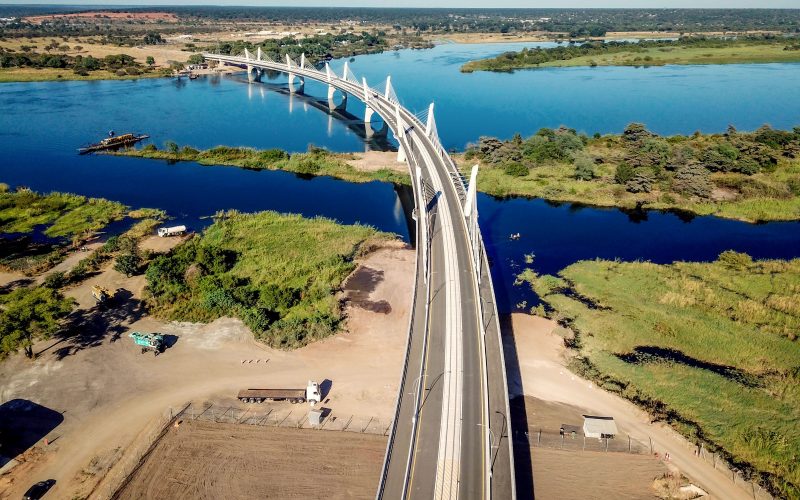
Few bridges in the world sit at a crossroads as unique as Kazungula. Opened in 2021, this curved wonder connects Zambia and Botswana right next to the spot where four countries almost meet — with Namibia and Zimbabwe just a stone’s throw away. For decades, crossing here meant relying on a single ferry that could only carry one truck at a time. Long queues, delays, and headaches were part of the routine.
The Kazungula Bridge changed everything. Now, goods and people move across the Zambezi River in minutes instead of hours. For truckers hauling cargo across Southern Africa’s trade routes, it’s a game-changer. Beyond the traffic flow, the bridge represents something bigger: regional cooperation. Zambia and Botswana teamed up, while neighboring countries also benefit.
It’s more than concrete and steel — Kazungula is proof that when African nations work together, borders become bridges to opportunity.
4. Matadi Bridge: Congo’s Engineering Feat
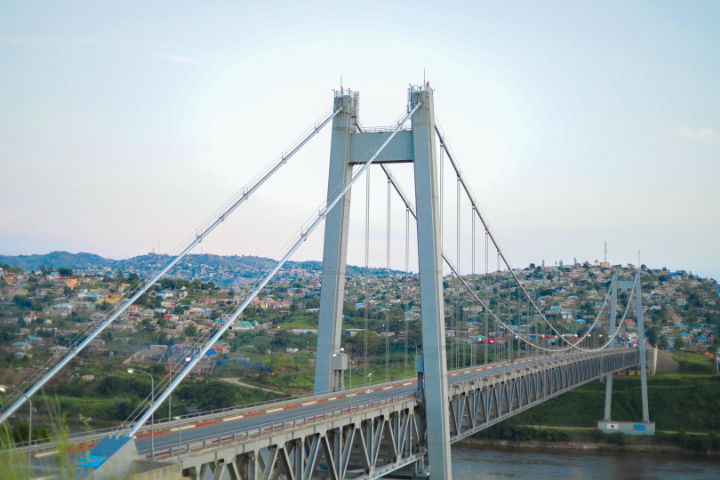
When the Matadi Bridge opened in 1983, it wasn’t just another piece of infrastructure — it was a bold statement. Stretching across the mighty Congo River, it became (and still remains) the only suspension bridge to span this turbulent waterway. For the Democratic Republic of Congo, a country where rivers often dictate the pace of travel, the bridge was a lifeline.
Matadi, a key port city, links Kinshasa and the rest of the country to the Atlantic trade routes. Without the bridge, moving goods and people across would have been painfully slow, sometimes impossible. What made it even more impressive was the context: building such an advanced suspension bridge in central Africa during the 1980s, with limited resources and challenging terrain, was nothing short of remarkable.
Decades later, the Matadi Bridge still stands strong — a reminder of Congo’s ambition and engineering resilience.
Read: 5 African Fashion Icons Under 35
Everyday Bridges with Big Impact
Not every African bridge is a record-breaking mega structure, but some of the smaller ones quietly change lives every single day. Take Tanzania’s Mkapa Bridge, for instance. When it opened in the early 2000s, it suddenly connected regions that had long been cut off from each other, reducing travel time for farmers trying to get crops to market. Then there’s the Senegambia Bridge, linking Gambia and Senegal. Before it, travelers often endured long waits for ferries; now, buses, trucks, and traders move across in minutes.
These bridges may not make the international headlines like Maputo or Kazungula, but their impact is felt in the pockets and routines of everyday people. They turn hours into minutes, isolation into connection, and local produce into regional trade. For farmers, traders, and families, these bridges aren’t just structures — they’re game changers.
More Than Steel and Concrete
At the end of the day, bridges are never just about steel, cables, or concrete. They’re about the people whose lives they connect and transform. In Africa, bridges tell layered stories — some rooted in colonial history, others in bold new projects shaping the continent’s future.
From mega spans like the Maputo–Katembe to humble crossings like the Senegambia Bridge, each one represents resilience, trade, and community. They remind us that infrastructure is really about opportunity and human connection.
Follow RefinedNG for more stories that uncover Africa’s heritage, culture, and innovation — because behind every landmark is a story worth telling.