
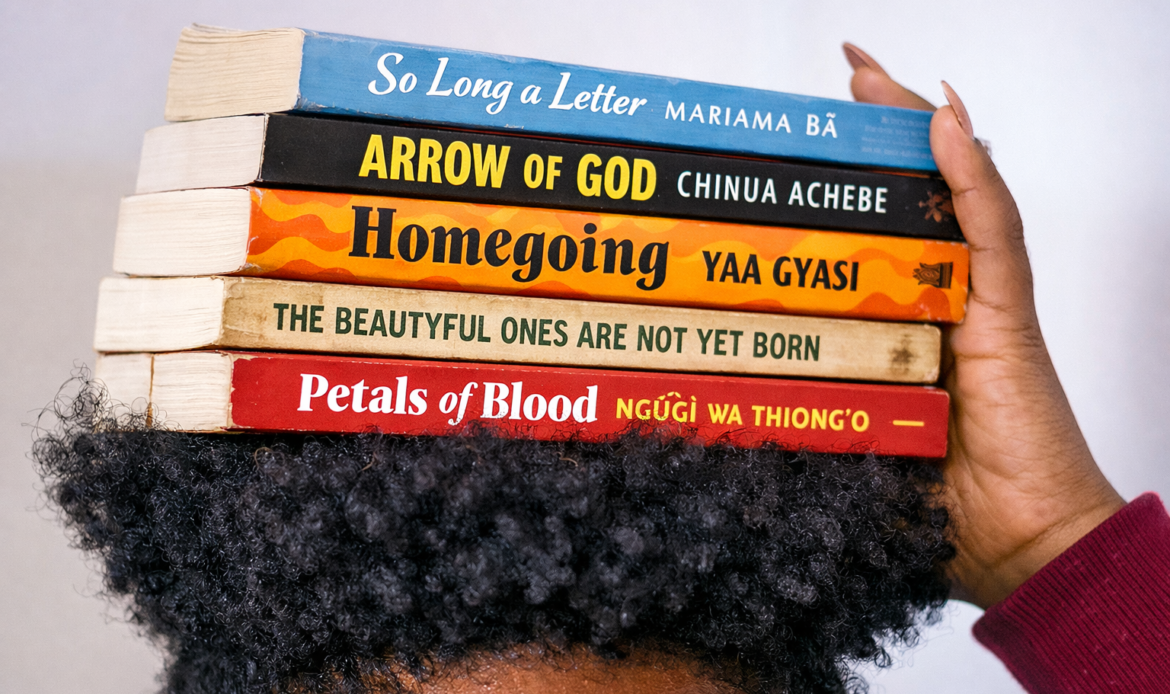
A lot of people say they want to read more African books. Fewer people actually do. Life gets busy, reading lists grow long, and somehow the books stay on the shelf.
There’s also this idea that African literature is always heavy, slow, or meant only for classrooms. That assumption pushes many readers away before they even start. The truth is simpler. These stories are direct, emotional, and deeply human. They talk about family, power, belief, love, money, and survival in ways that feel familiar, even when the setting is new.
We pull together five African books that we think you should check out. Each one comes from a different place, a different moment, and a different voice. Together, they show how wide and rich African storytelling really is.
Let’s get into the books.
1. So Long a Letter by Mariama Bâ
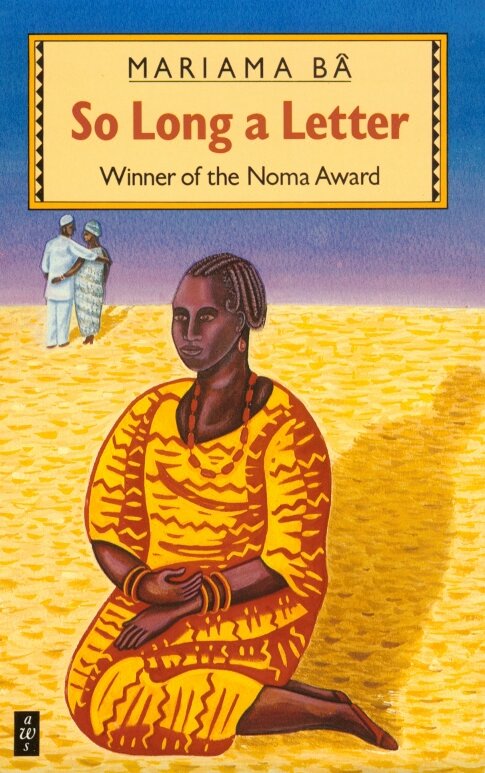
This novel comes from Senegal and is written as a long letter. That choice, alone, shapes everything about it. Ramatoulaye, the main character, writes to her close friend Aissatou after the death of her husband. As she writes, memories surface. Her marriage, her disappointments, and the strength she has had to build over time all come into focus.
The story touches on polygamy and the emotional cost it places on women. It also shows how friendship between women becomes a place of honesty and support, especially when society decides to stay silent. Religion and tradition appear throughout the book as daily realities Ramatoulaye must live with and question.
Despite the themes, the book stays readable and personal. It feels like listening to someone you trust talk about their life. That intimacy is why the novel still works decades later. It won the Noma Award for Publishing in Africa and continues to show up in classrooms for good reason.
A strong starting point if you want a thoughtful, emotional story without feeling overwhelmed.
Read: 3 Must-Read Nigerian Books to Boost Your Earnings and Career
2. Arrow of God by Chinua Achebe

Arrow of God sits alongside Things Fall Apart and No Longer at Ease as part of Chinua Achebe’s African Trilogy, but it often gets less attention. That’s a shame, because this one cuts deep.
The story follows Ezeulu, the chief priest of a god worshipped by several Igbo villages during colonial rule in Nigeria. He sees himself as a servant of his god, not a man who bends to pressure. That belief puts him on a collision course with both British colonial officers and his own people.
As the novel unfolds, conflicts grow. Tradition faces colonial power. Spiritual duty clashes with political control. Ezeulu’s pride and refusal to compromise begin to shape the fate of an entire community.
The title comes from how Ezeulu views himself. He believes he is an arrow shot by his god, not someone who chooses his own path. Achebe uses this idea to explore authority, responsibility, and what happens when belief becomes inflexible.
A sharp look at leadership and belief, especially when power starts to shift.
3. Homegoing by Yaa Gyasi
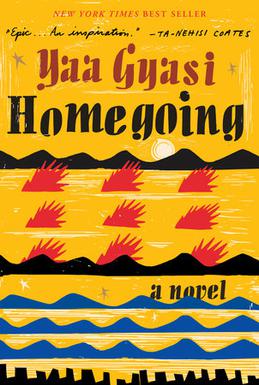
This novel starts with two half-sisters in 18th-century Ghana. Effia lives above ground in Cape Coast Castle, married into relative comfort. Her sister Esi lives below, imprisoned in the dungeons. They never truly know each other, but their separation shapes generations to come.
Each chapter follows a different descendant from either sister’s line. The story moves from Ghana to the United States, crossing centuries and oceans. Slavery, war, migration, segregation, and survival all appear as lived experiences.
The chapters are short and focused. You move quickly, but the emotional thread stays intact. Characters change, settings shift, yet the past keeps reaching forward. Silence, guilt, and inherited pain show up again and again.
What makes Homegoing stand out is how personal it feels. Big historical moments become family stories. You don’t just learn what happened. You feel how it lingered.
A powerful way to understand history through people.
4. The Beautyful Ones Are Not Yet Born by Ayi Kwei Armah
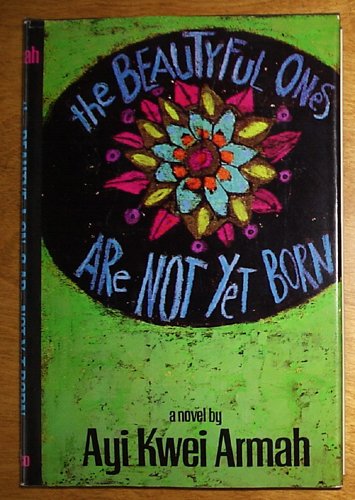
Set in post-independence Ghana, this novel follows an unnamed railway clerk trying to live honestly in a system built on corruption. Everyone around him seems to be cutting corners, taking bribes, and moving ahead. He refuses to join them, and that choice isolates him.
The story captures the disappointment that followed independence. Freedom arrived, but the promised change did not. The pressure to “play the game” comes from work, family, and society. Even his own wife struggles to understand why he keeps saying no.
Armah’s writing can feel uncomfortable at times. He uses vivid imagery to show decay, both physical and moral. That discomfort is deliberate. It reflects the frustration of living in a place where integrity feels like a burden.
The novel still speaks clearly today. It asks what it really costs to stay honest when corruption feels normal.
A hard but honest look at integrity in a broken system.
Read: 5 Things to Know About the Aké Arts and Book Festival
5. Petals of Blood by Ngũgĩ wa Thiong’o
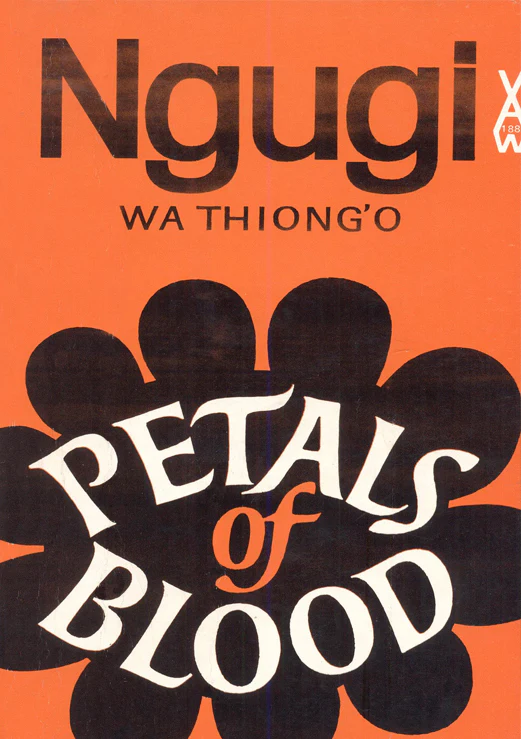
Petals of Blood takes place in Kenya after independence. The story follows four characters whose lives meet in the rural village of Ilmorog. Each of them carries the weight of past struggles, including the Mau Mau rebellion.
As the village changes, the novel shows how new systems replace old ones without fixing much. Capitalism, politics, and foreign influence reshape daily life. Education promises progress, yet often leads to frustration. Independence exists, but many people still feel trapped.
This book marked a turning point for Ngũgĩ wa Thiong’o. Its political tone drew attention and eventually led to his arrest. After this period, he chose to write first in his native Gikuyu, shifting his focus more directly to ordinary people.
The story still feels familiar across many African countries. The questions it raises about power, development, and who truly benefits remain unresolved.
A reminder that independence alone does not guarantee justice.
Where to Start and Why You Should
These five books cover different countries, different decades, and different styles. Some are quiet and reflective. Others are tense and political. Together, they show how African stories handle love, faith, power, disappointment, and hope without losing their human core.
You don’t have to read these books all at once. Start with what fits your mood. Choose So Long a Letter for something intimate. Pick Homegoing if you want a wide, emotional sweep of history. Reach for Achebe, Armah, or Ngũgĩ if questions about leadership, corruption, or independence interest you.
Stories carry memory. They also help us ask better questions about where we come from and where we’re going.
Which African book stayed with you long after you finished it? Which one from this list are you adding to your reading list next?
Save this, share it, and come back to RefinedNG when you’re ready for the next discovery. We’ve got you covered.