
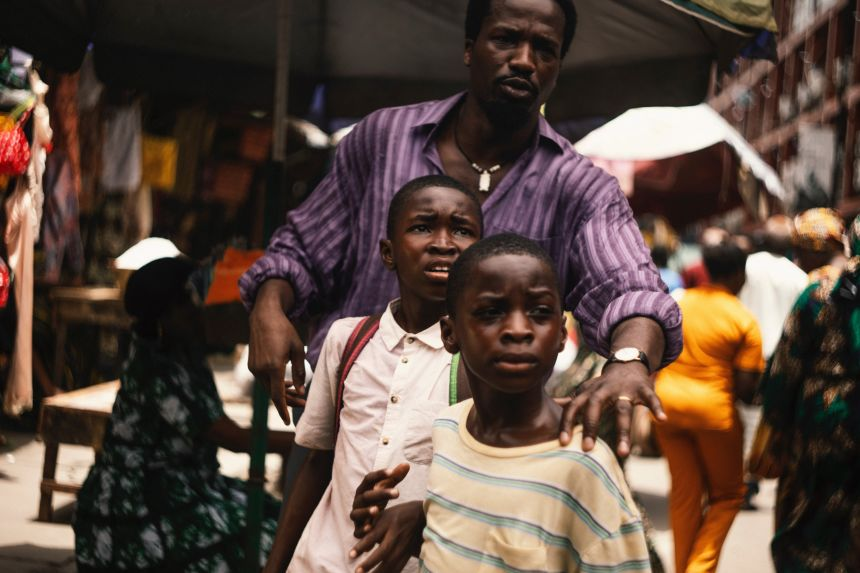
When My Father’s Shadow won the BAFTA Award for Outstanding Debut, it was more than a trophy moment. It confirmed that a deeply Nigerian story could compete and win, within the highest global film circles. Since Cannes, the film has gathered momentum across festivals and award bodies, sparking conversations about identity, infrastructure, and the future of Nigerian cinema.
This is not a review. It is a closer look at what makes the film significant and why it deserves your attention.
1. It Is Fully Nigerian in Story, Even If Its Funding Was Global
Set in Lagos during the aftermath of the 1993 presidential election, My Father’s Shadow tells a story rooted in Nigerian history and lived experience. It was written by Wale Davies and directed by Akinola Davies Jr., shot on location in Lagos, and performed in Nigerian Pidgin, Yoruba, and English.
The film was produced by Element Pictures and financed by BBC Film and the British Film Institute. That structure allowed it to access Cannes, BAFTA, and Oscar consideration. The debate about whether it is a Nollywood film or a Nigerian film misses a larger point. The voice is Nigerian. The emotional truth is Nigerian. What differs is the infrastructure that carried it into global rooms.
Read: My Father’s Shadow Wins Outstanding Debut at 2026 BAFTA Awards
2. The Entire Story Unfolds Over One Tense Day in 1993 Lagos
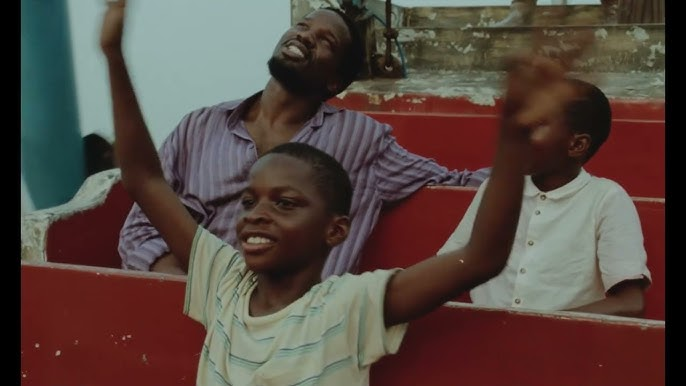
The film follows a father and his two sons over the course of a single day. As political uncertainty builds across the country, the boys travel with their emotionally distant father to Lagos so he can collect months of unpaid wages before instability escalates.
The election crisis hums in the background. Soldiers stand watch. Rumours circulate. But the film never turns into a political spectacle. Instead, it keeps the camera close to the family. The tension is national, but the focus is intimate. History becomes the backdrop against which a fragile father–son relationship quietly unfolds.
3. It Explores Fatherhood Without Offering Easy Comfort
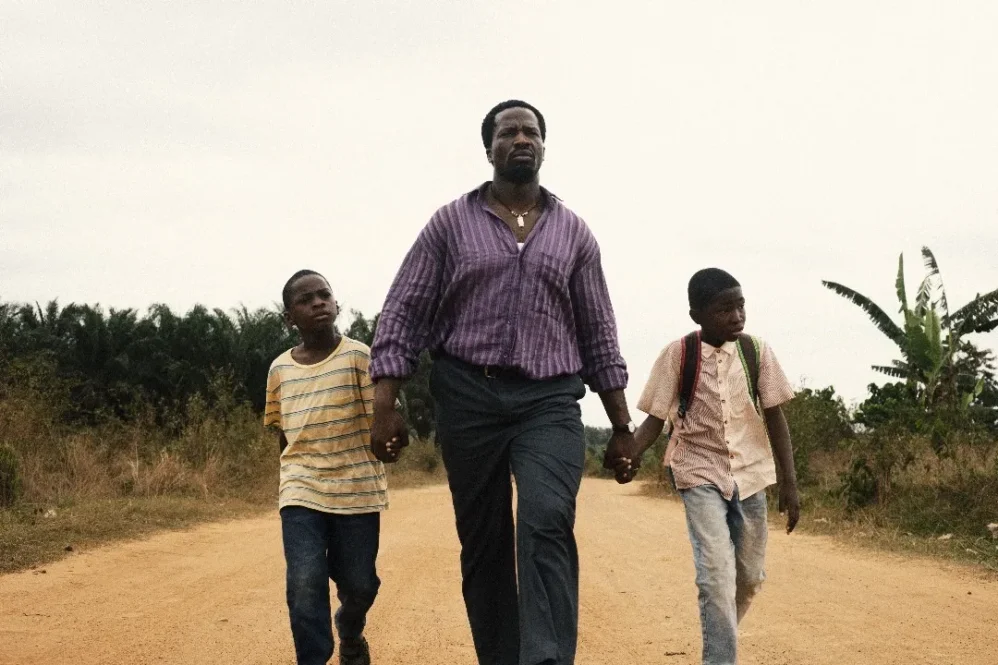
At its emotional centre, My Father’s Shadow is about absence. The father, Folarin, has been largely missing from his sons’ lives. His return is sudden, authoritative, and unexplained.
Over the day, the boys see both his strengths and his flaws. They watch him struggle for money, perform pride, and attempt connection. The film raises a difficult question: if a father leaves to provide, is absence a form of love? It does not offer a tidy reconciliation. Instead, it presents a slow recognition. The boys begin to see their father clearly, perhaps for the first time. That emotional complexity is what lingers.
4. Its Festival Run Has Been Historically Significant
The film became the first Nigerian title selected for the Official Selection at the Cannes Film Festival, screening in the Un Certain Regard section. It received a Special Mention for the Caméra d’Or.
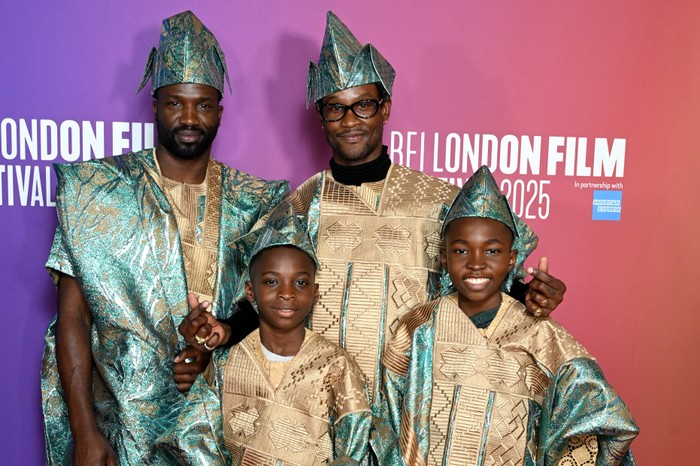
Since then, it has collected a BAFTA Award for Outstanding Debut, a British Independent Film Award, and a Gotham Independent Film Award recognition. It was also chosen as the United Kingdom’s entry for Best International Feature Film at the Oscars.
This is sustained momentum, not a one-off headline. The film has travelled consistently across major platforms.
Read: 5 Things We Know About Akinola Davies Jr.
5. It Shows What Access and Structure Can Change
Nollywood is one of the most prolific film industries in the world. It produces volume, builds stars, and sustains a domestic audience. What it often lacks is the global distribution structure that positions films for Cannes, BAFTA, or Oscar campaigns.
Being financed by BBC Film and the British Film Institute did more than provide money. It provided networks. Those networks opened doors to international programmers and award bodies. My Father’s Shadow demonstrates that Nigerian stories are not short on quality. They are often short on access. When infrastructure aligns with talent, the results can be transformative.
A New Chapter for Nigerian Storytelling
The film blends Nigerian memory with the restraint often associated with British independent cinema. It trusts silence, stillness and allows emotion to unfold gradually rather than loudly.
At the same time, it remains grounded in Lagos streets, Nigerian speech patterns, and a distinctly local emotional landscape. It does not explain Nigeria to outsiders. It simply presents it.
That balance feels important. It suggests Nigerian cinema can operate confidently across multiple spaces: local, diasporic, and global. It also challenges creatives and institutions to consider what a stronger local infrastructure could achieve.
My Father’s Shadow is not just a film with awards. It is a case study in how Nigerian stories move when supported by the right structures. If you are interested in where African cinema is heading next, this is one to watch.
For more stories celebrating African creativity, global impact, and emerging talent, follow RefinedNG and visit www.refinedng.com to stay inspired and informed.