
What’s in names?
In Africa, a name is never just a name. It is a story whispered at birth, a prayer carried through life, and sometimes, a prophecy waiting to unfold. Unlike in many Western cultures where names may be chosen for their sound or trend, African names are chosen with deliberate meaning. They carry the weight of family history, community values, and spiritual belief.
Among the Igbo of Nigeria, a child may be called Chinedu — “God leads” — a daily reminder of divine guidance. In Yoruba tradition, a baby born breech could be named Ìgè, forever tying their identity to the miracle of survival. For the Akan in Ghana, a boy born on Friday becomes Kofi, his destiny linked to the rhythm of the week. From Swahili names like Amani (Peace) to Somali names like Ayaan (Good fortune), every name is a living archive.
Igbo Names: Sentences of Identity
In Igbo culture, a name is more than an identifier — it is a sentence, sometimes even a full story, compacted into one word. To call someone by their name is to speak a truth, a prayer, or a reminder aloud. Igbo names carry an intentional weight, often functioning as mini-proverbs, weaving together spirituality, family ties, and lived circumstances.
One of the most common categories is divine gratitude. Parents often frame names as testimonies to God’s intervention or blessings. Chukwuemeka means “God has done well,” Chinedu declares “God leads,” while Chioma celebrates “the goodness of God.” Each time the name is spoken, it renews faith in divine providence.
Another layer of Igbo naming lies in circumstances of birth. A father’s joy may inspire the name Obinna (“Father’s heart”), while Nnenna (“Father’s mother”) signals that a girl is believed to embody her grandmother’s spirit — a nod to reincarnation, which is a strong aspect of Igbo cosmology. Similarly, names like Ifeanyi (“Nothing is impossible with God”) are given to miracle children born after long struggles.
Ancestral and communal connections also run deep. Nneka (“Mother is supreme”) honors matriarchal influence, while Onwubiko (“Death, please have mercy”) reflects a family’s plea for the survival of a child after previous losses.
Interestingly, many Igbo names function as condensed proverbs. A single name can embody an entire philosophy. For example, Uchechukwu translates to “God’s will,” a profound statement on destiny. Chukwuebuka (“God is great”) is a name and a sermon in one breath.
Read: 8 African Proverbs That Everyone Should Know
Yoruba Names: Destiny & Poetry
Among the Yoruba, there is a proverb that says “Orúkọ ńróni” — a name shapes destiny. This belief places extraordinary care on the naming of a child, for to name is not only to identify but to declare the path a soul will walk. Every Yoruba name carries layers of philosophy, spirituality, and poetry.
Yoruba names are often grouped into three major categories.
Orúkọ Amútọ̀runwá are predestined names, given to children born under unique circumstances. Twins are automatically called Taiwo (the first to taste life) and Kehinde (the one who comes last). A child born breech may be named Ìgè, while one born with six fingers might be called Olúgbódi. These names are considered divine stamps on destiny.
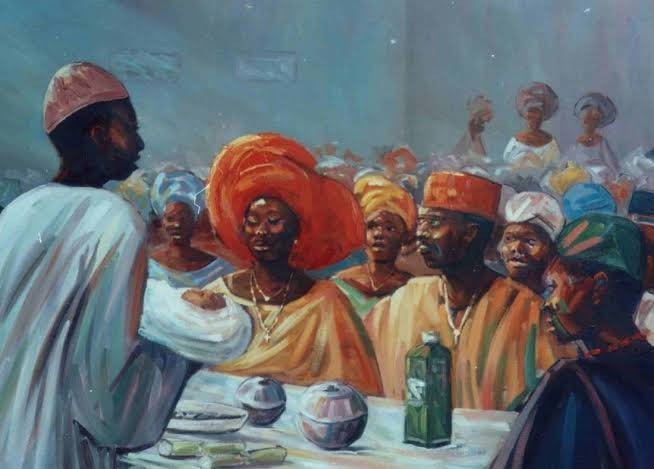
Orúkọ Abísọ are names bestowed at the traditional naming ceremony (Ìsomọ lorukọ), held on the eighth day after birth. Here, elders gather, prayers are offered, and symbolic items are presented: honey (that life may be sweet), salt (that the child may never lose value), palm oil (for smoothness in life’s journey), and kola nut (for longevity). It is in this setting that names like Damilọla (“Prosper me with wealth”), Adéọlá (“Crown of wealth”), or Simisọ́lá (“Rest in wealth”) are given — reflecting parental hopes and blessings.
Then there are Oríkì, praise names that are more poetic than practical. They highlight heritage, character, or destiny. Ajani means “One who fights to possess what is theirs,” Ariyọ means “One who brings joy at first sight,” while Atanda suggests “Born to shine.” Oríkì are recited in songs, chants, and poetry, reminding individuals of the greatness tied to their lineage.
Yoruba culture also honors reincarnation with names like Babatunde (“Father has returned”) and Yetunde (“Mother has returned”), affirming the eternal presence of ancestors in family life.
For the Yoruba, to call a name is to call forth destiny — with every syllable echoing prayer, philosophy, and ancestral wisdom.
Akan (Twi) Names: The Day You Were Born
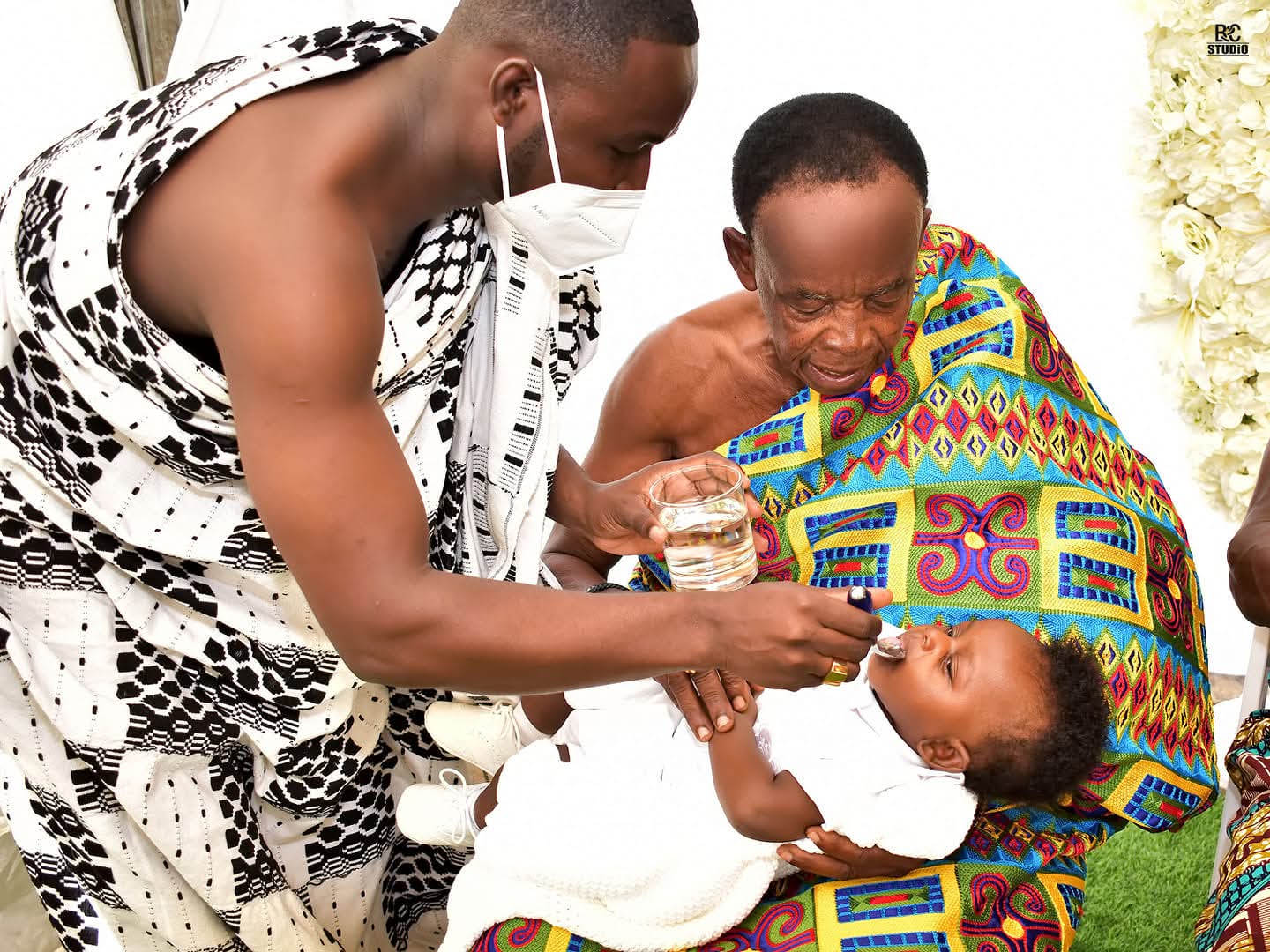
Among the Akan people of Ghana and Côte d’Ivoire, names don’t just mark identity — they stamp the calendar of your life. One of the most fascinating traditions is the system of “day names”, where a child is named according to the day of the week they were born. These names come with deeply held beliefs about character and destiny.
A boy born on Friday is Kofi — adventurous, sociable, and strong-willed. A girl born that same day is Afua or Efua. Saturday-born girls are often named Ama, believed to be nurturing yet determined, while Sunday-born boys are called Kwesi, associated with leadership and creativity. Perhaps the most internationally recognized is Kofi Annan, the former UN Secretary-General, whose name instantly placed him within this proud Friday-born tradition.
Beyond day names, the Akan also have event-based names. Mensah is the name for a third-born son, Osei-Tutu signals royalty and honors the legendary Ashanti king, while Adwoa (Monday-born girl) may also carry modifiers that connect her to family history or circumstances.
Some families blend traditions, giving children double names that honor both their day of birth and their lineage. For example, a child could be Kwame Mensah (a Saturday-born third son) — a name that is both a timestamp and a legacy.
To the Akan, a name isn’t a random choice; it’s a birth certificate of destiny, a poetic code linking personality, ancestry, and history all in one breath.
Swahili & Somali Names: Blends of History and Poetry
Names along Africa’s eastern coast often carry the rhythm of history itself. In Swahili culture, names are a beautiful blend of Bantu roots and Arabic influence, shaped by centuries of trade and cultural exchange along the Indian Ocean. Many Swahili names carry both spiritual and aspirational meanings — Amani (Peace), Baraka (Blessing), Zuberi (Strong). They aren’t just identifiers; they are mini proverbs, whispers of hope from parents to child. Some names echo Kiswahili sayings, turning an everyday introduction into a life lesson. For instance, a name like Imani (Faith) instantly conveys both identity and philosophy.
Meanwhile, in Somali culture, names are not just individual but genealogical. A typical Somali name has three parts: the child’s personal name, the father’s name, and the grandfather’s name — a living chain of ancestry. This means every Somali introduction is also a mini family tree. Names themselves are deeply poetic. Ayaan means “Good fortune,” Hodan means “Wealthy,” and Ilhaan means “Optimistic.” Even spoken aloud, these names carry the cadence of poetry and prayer.
What ties Swahili and Somali traditions together is the sense that a name is both personal and communal. It situates you within your family, your people, and your history — a reminder that your identity is never yours alone, but part of a longer story.
Read: The Role of Storytelling in African Cultures
Beyond Identity: Why They Matter
In Africa, names are not just for calling — they are for remembering. But history shows how easily that can be stolen. During the transatlantic slave trade and colonial rule, millions of Africans were stripped of their birth names and given European ones instead. This was more than a change of labels — it was an attempt to erase identity, culture, and dignity.
To reclaim a name, then, is to reclaim a piece of oneself. Across Africa and its diaspora, there’s a growing movement of people reviving traditional names or adopting African names they were never given at birth. It’s not a trend; it’s an act of resistance and pride.
The Yoruba say: “Orúkọ rere san ju wúrà àti fàdákà lọ” — “A good name is worth more than gold or silver.” A name holds value beyond wealth, because it carries memory, hope, and legacy.
Today, more parents are returning to indigenous names for their children. In the diaspora, many are rediscovering the meanings of Igbo, Swahili, Zulu, or Twi names and embracing them as anchors of identity.
Because in the end, to speak your name — your true name — is to speak your history aloud.The Future of African NamesAfrican names are not relics of the past — they are alive and evolving. Today, many parents embrace a fusion of tradition and modernity, giving their children both indigenous names and English or global ones. This creates a balance: honoring heritage while navigating a globalized world.
Technology is also breathing new life into naming traditions. From mobile apps and podcasts to cultural learning platforms, more Africans at home and in the diaspora are discovering the meanings of names that once seemed ordinary. Each rediscovery is an act of reconnection — a way of stitching the present back to the past.
The call is simple: ask about names. Learn what yours means. Ask a friend. Reclaim what was almost lost. Because in every name lies a hidden inheritance waiting to be remembered.
A Name Is a Story
African names are not just labels — they are stories, prayers, and prophecies woven into identity. Each one carries the echoes of ancestors, the hopes of parents, and the resilience of cultures that refused to be erased.
To hear a name is to be invited into history. To speak it is to honor a legacy. Let us listen closely to the names around us. Ask. Learn. Remember.
Because when you speak an African name, you speak a history, a prayer, and a future.
For more inspiring culture pieces, untold histories, and positive stories shaping Nigeria and Africa, follow RefinedNG. We also bring you the latest on news, opportunities, lifestyle, and more — your number one stop for all things positive and inspiring. Stay tuned, stay inspired.