Step into any Nigerian market, and you’ll quickly realize it’s more than just a place to shop. It’s a world of color, sound, and movement. Traders call out prices in quick succession, the smell of roasted corn and fried plantain hangs in the air, and piles of fabrics, vegetables, and everyday goods fill every corner. From sunrise till dusk, people bargain, laugh, and exchange stories over stalls and baskets.
Markets in Nigeria are living museums of trade and culture — spaces where commerce meets community. Every major city has its own market that defines its rhythm, from the crowded lanes of Lagos Island to the open stalls of Ibadan or Abeokuta. Each one tells a unique story about Nigerian life, resilience, and enterprise.
1. Balogun Market, Lagos – The Fabric Kingdom
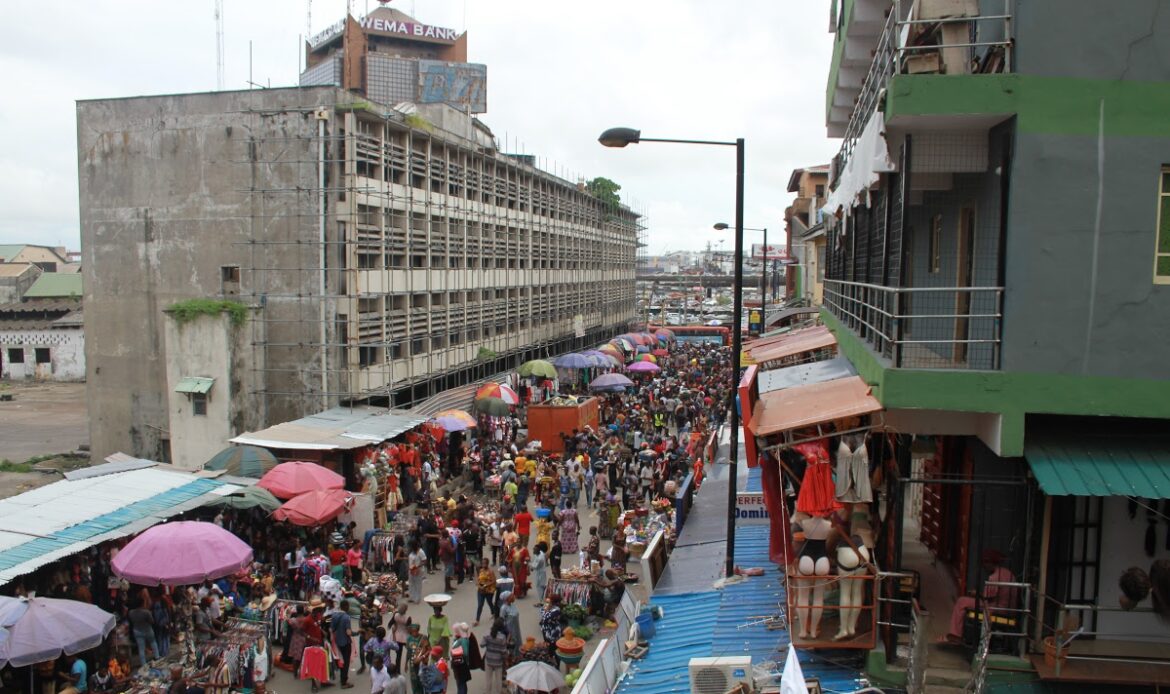
Balogun Market is often called the heartbeat of Lagos Island. It is one of the largest and busiest markets in Nigeria, known for its size, variety, and energy. The market doesn’t have a single address because it spills across several streets — from Broad Street to Balogun Street, all the way to Marina.
What draws people there is simple: variety and affordability. It’s the go-to place for fabrics, shoes, bags, and jewelry, especially traditional materials like Ankara and lace. The narrow lanes are always filled with traders calling out prices, customers balancing rolls of fabric, and tailors offering quick sewing services nearby. It’s crowded, sometimes confusing, but always full of life.
Balogun isn’t just where people buy things — it’s where they experience the real pulse of Lagos.
Read: The Most Famous Markets in Nigeria
2. Katangua Market – The Thrift Capital
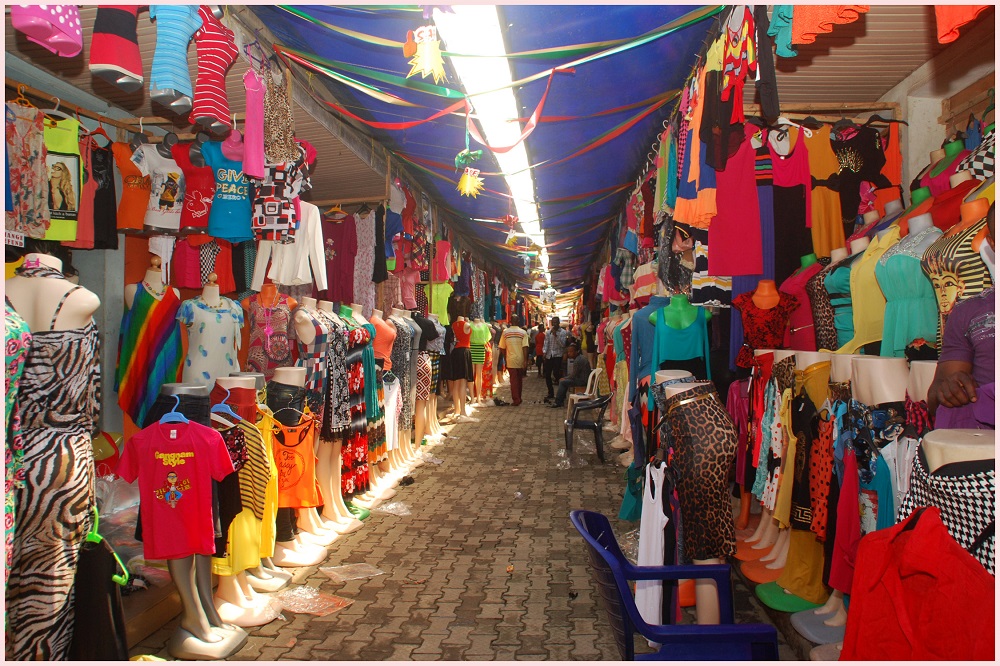
Katangua Market, located near the Super Bus Stop in Abule Egba, is Lagos’ unofficial headquarters for thrift shopping, known locally as “Okrika.” On Mondays, Wednesdays, and Fridays, the area transforms into a sea of vendors and bargain hunters. Here, piles of secondhand clothes, shoes, and bags line the streets — from vintage denim and branded jackets to curtains and children’s wear.
Everything is pre-loved, but with a bit of washing and flair, it becomes new again. Shopping here comes with its own unwritten rules: arrive early to get the best picks, bargain like your life depends on it, and never dress too well or you’ll pay more. Katangua proves that in Lagos, great style isn’t about spending big — it’s about finding hidden gems and knowing how to hustle for them.
3. Dugbe Market, Ibadan – Where Trade Meets Tradition
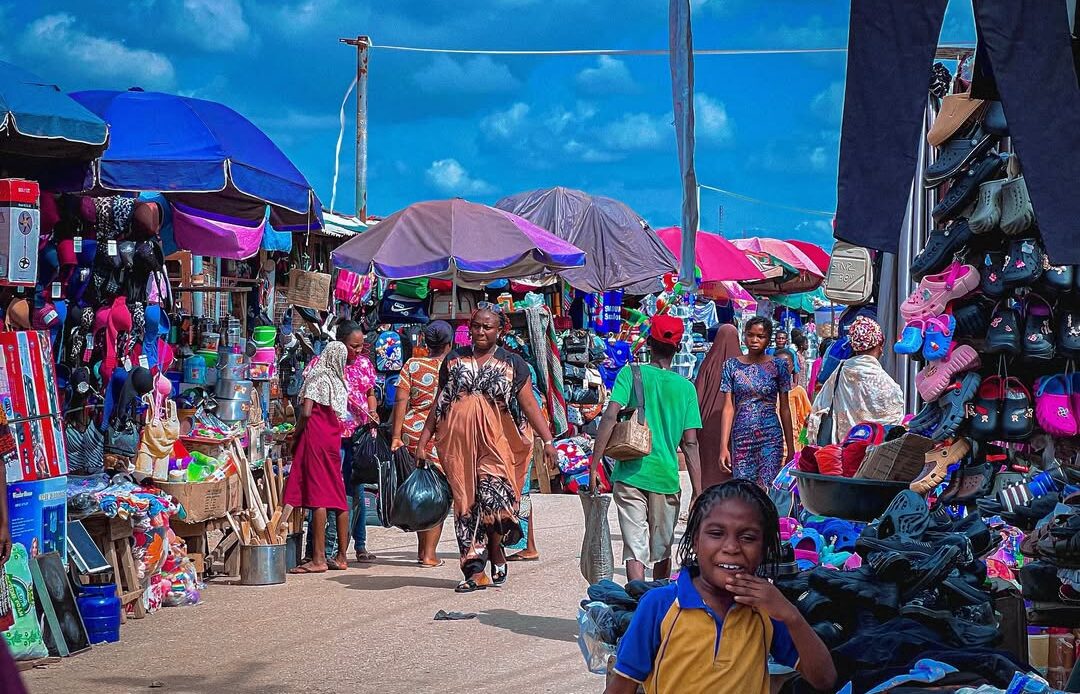
Dugbe Market stands as the commercial heartbeat of Ibadan — a place where business, culture, and everyday life blend seamlessly. It’s one of the city’s busiest spots, with traders setting up as early as dawn and the buzz lasting well into the evening. Here, old meets new: open-air stalls selling yam, pepper, and fabrics sit beside modern shops offering electronics and imported goods. The air is rich with the aroma of Yoruba street food — amala, gbegiri, and fried plantain — served to shoppers taking quick breaks between purchases.
But Dugbe is more than a marketplace; it’s a meeting ground. People come to trade, catch up on neighborhood news, and share laughter over bowls of food. To visit Dugbe is to experience Ibadan’s pulse — its rhythm, warmth, and enduring sense of community.
4. Kuto and Lafenwa Markets, Abeokuta – The Twin Hubs of Everyday Life
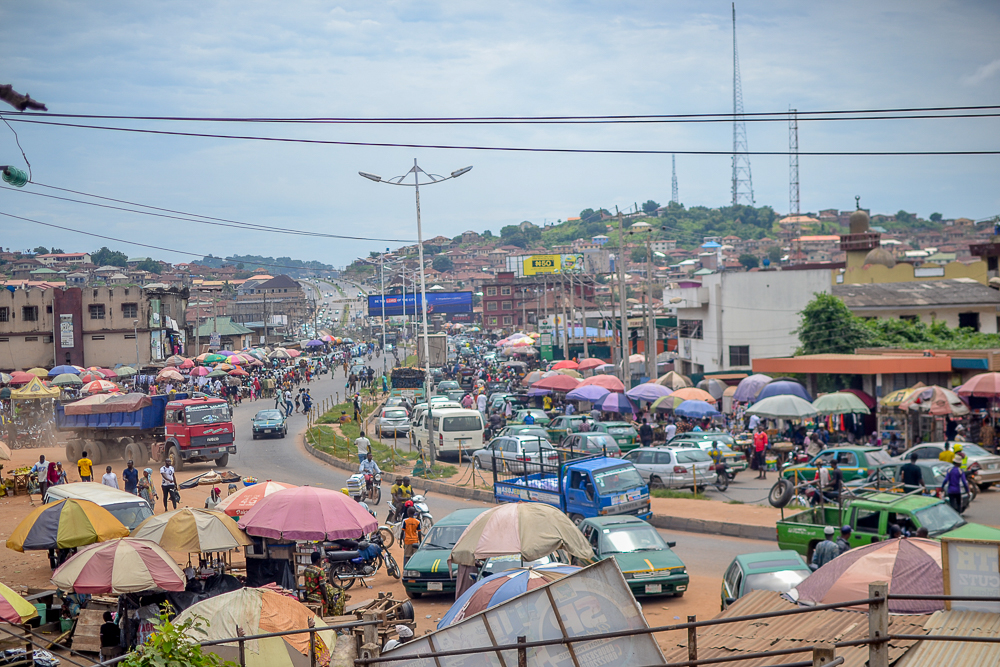
In Abeokuta, two markets define the city’s daily rhythm — Kuto and Lafenwa. Kuto Market runs on a traditional five-day cycle, and when it’s market day, the entire area comes alive. Trucks rumble in with baskets of yams and vegetables, traders arrange their goods under colorful umbrellas, and the air fills with the smell of pepper, dried fish, and palm oil. It’s a sensory rush and a vital trading center that draws buyers and sellers from across Ogun State and beyond.
Just a few kilometers away, Lafenwa Market beats at a slower, steadier pace. It’s where residents come for daily groceries, household goods, and small talk with familiar faces. While Kuto thrives on scale and motion, Lafenwa thrives on community and connection. Together, they form the heartbeat of Abeokuta’s economy — grounded, hardworking, and deeply communal. In every transaction, whether loud or quiet, you can feel the Ogun State spirit: industrious, resilient, and proudly local.
Read: Cultural Tours in Morocco: Markets, Medinas, and More
5. Tejuosho Market – From Fire to a Modern Revival
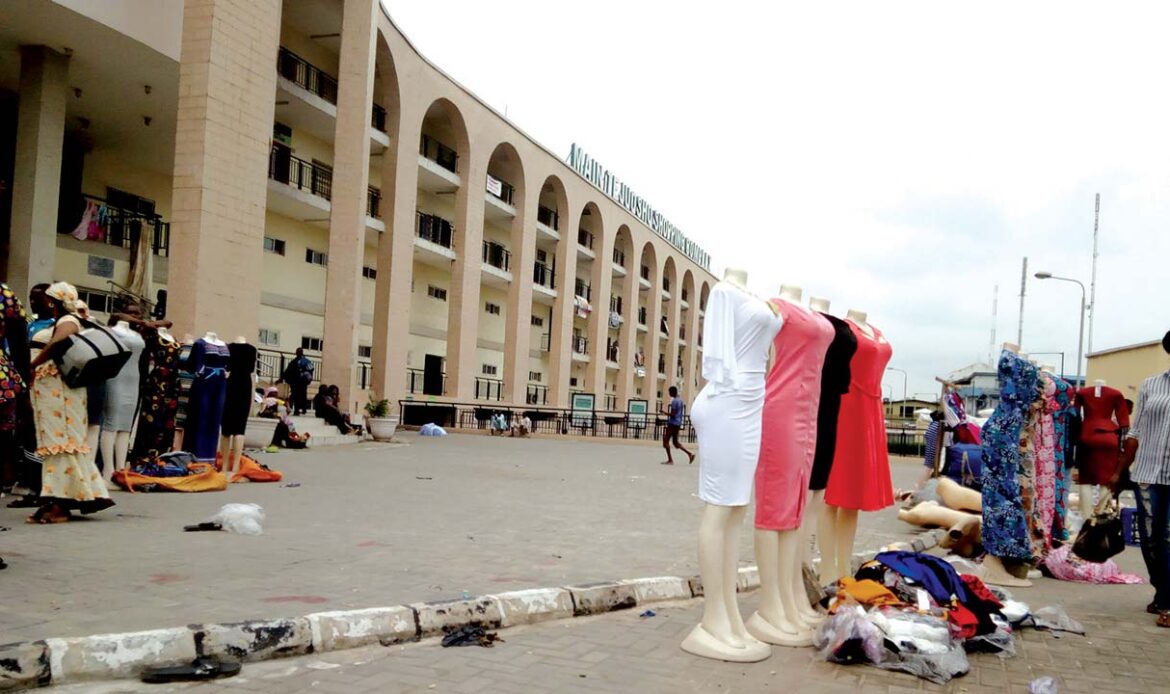
Tejuosho Market in Yaba is one of Lagos’s most striking comeback stories. Once reduced to ashes by a devastating fire, it has since transformed into an ultramodern trading hub that reflects the city’s resilience. Rebuilt through a public-private partnership, Tejuosho now houses more than 2,000 shops across multiple floors, complete with escalators, food courts, banking halls, elevators, and even a crèche for busy parents.
Yet despite its glass walls and modern facilities, Tejuosho hasn’t lost its Lagos soul. Traders still haggle over prices, buyers still weave through tight corridors, and the sound of bargaining still fills the air. What’s changed is the structure — cleaner, safer, and better organized. Tejuosho is proof that Nigerian markets can evolve without losing their essence, blending tradition and innovation in a way that feels both familiar and forward-looking.
More Than Just Markets
Nigerian markets are more than trading spaces — they’re living reflections of the country itself. They buzz with the same noise, resilience, and creativity that define everyday Nigerian life. In every aisle, cultures meet, deals are struck, and stories unfold in real time. From Balogun’s fabric lanes to Katangowa’s thrift treasures, each market captures a piece of who we are — resourceful, adaptable, and full of life.
So, what have you heard about Nigerian markets — and which one would you visit first?
Follow RefinedNG for more stories that celebrate the everyday brilliance of Nigerian life.