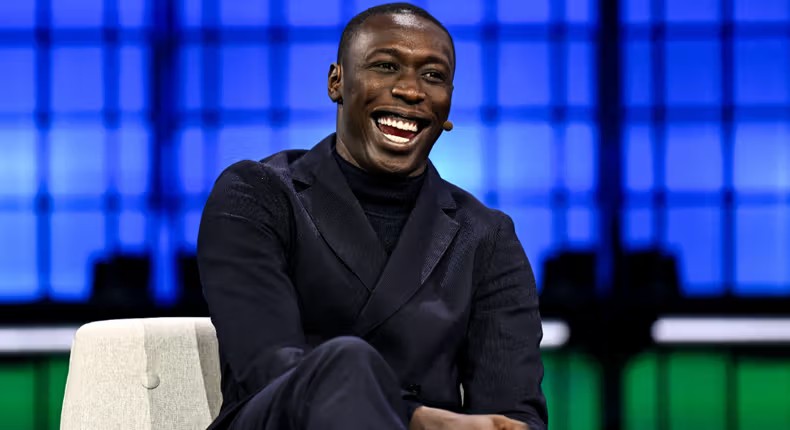
Khaby Lame didn’t trend yesterday. He didn’t drop a motivational thread. He didn’t announce a pivot with emojis and a documentary soundtrack. Rather, he quietly sold his company, Step Distinctive Limited, in a deal reportedly valued at about $975 million, and the internet mostly reacted with surprise instead of understanding. That reaction alone tells you something important: people were watching the jokes, not the architecture behind them.
Because Khaby’s story was never really about going viral. It was about what happens when virality hardens into infrastructure. It was about ownership, restraint, and building something that keeps working even when you step out of the frame. Once you see it that way, the salestops feeling sudden and starts looking inevitable.
Here are 5 things you can learn from Khaby Lame.
1. He Didn’t Build a Brand. He Built a Translation Layer
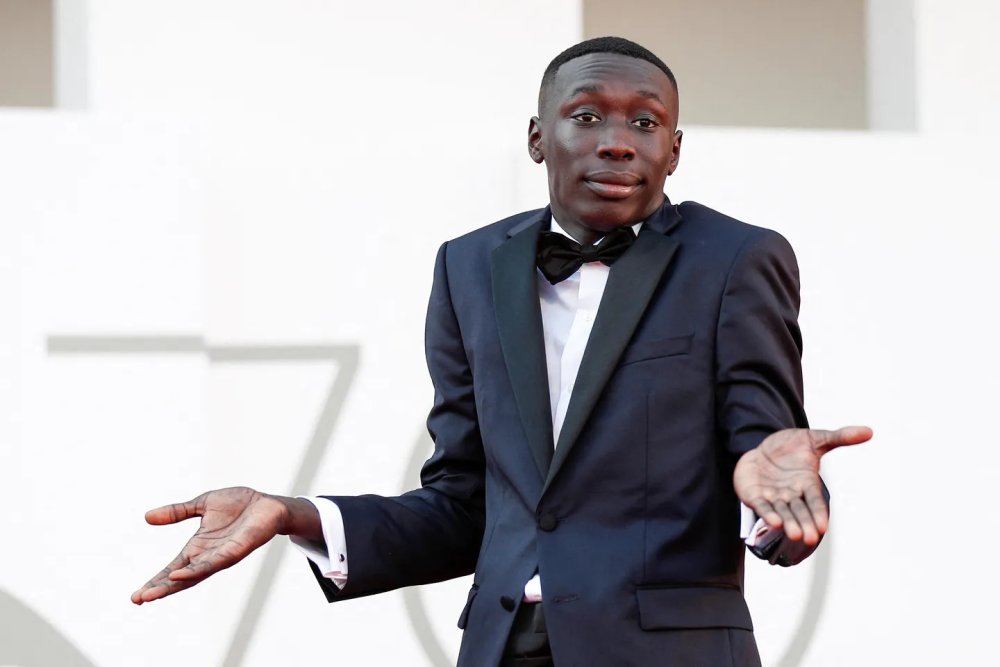
Khaby’s silence was never just a gimmick. It was a design choice, even if he didn’t frame it that way at first. By removing language entirely, he turned his content into a universal interface. No subtitles, cultural explanations, or localisation budget. Just human behavior, stripped down to its most obvious logic.
That choice solved a problem most global brands still struggle with: how to be understood everywhere at once. His videos didn’t need context. They worked in Lagos, Milan, São Paulo, and Seoul with the same efficiency. Anyone could project their own frustration onto the scenario and instantly get the joke.
Over time, this did something powerful. It turned Khaby from a personality into a system. His content didn’t rely on mood, controversy, or constant reinvention. It relied on clarity. And clarity scales. Investors didn’t just see a creator with reach. They saw a repeatable, low-friction attention machine that crossed borders without resistance.
Read: Wunmi Mosaku Receives Her First Oscar Nomination For “Sinners”
2. Why Losing His Factory Job Wasn’t the Break. It Was the Filter
The factory job story gets told a lot, usually as the dramatic turning point. But that framing misses the real value of that period. Losing the job didn’t magically push Khaby into content creation. It removed noise.
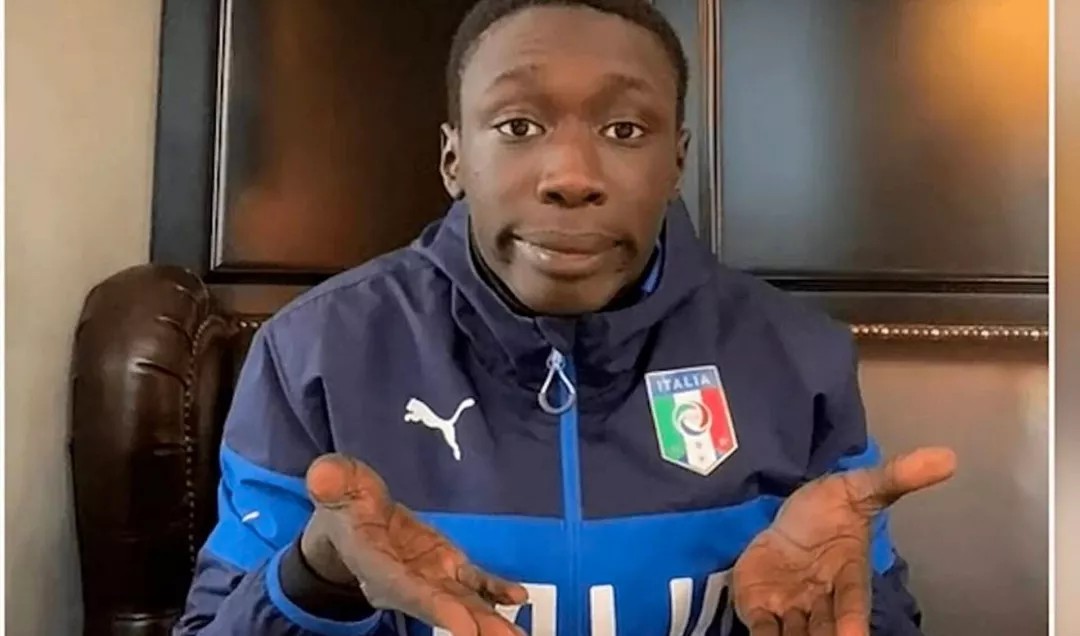
Factory work is repetitive by nature. You do the same motions, follow the same rules, and watch inefficiencies pile up because “that’s how it’s always been done.” That environment trained Khaby’s eye. It sharpened his sensitivity to pointless complexity and unnecessary steps. Those frustrations later became the punchline of his videos.
This wasn’t a glow-up narrative. It was a refinement process. Boredom gave him time. Repetition gave him pattern recognition. Silence gave him space to observe. What people call luck was really filtration. The moment stripped away distractions and left behind a clear instinct for simplicity, which became his signature.
3. Step Distinctive Limited: The Company Nobody Paid Attention To
Most people thought Khaby was just stacking brand deals. That’s usually where the story stops for creators. But quietly, he did something more important: he centralized everything into a company. Step Distinctive Limited wasn’t flashy, and that was the point.
Owning the wrapper changes everything. It turns influence into an asset and attention into equity. Instead of being a face rented by brands, Khaby became the owner of the machine that brands plugged into. Contracts, IP, licensing, long-term strategy, all of it lived in one structure.
This is why the $975M deal makes sense. Buyers don’t pay that kind of money for vibes or follower counts. They pay for systems they can inherit, scale, and optimize. Step Distinctive was the proof that Khaby understood leverage. Fame opened the door, but structure closed the deal.
4. The AI Twin Isn’t About Tech, It’s About Time

The AI twin detail sounds futuristic, but the real story isn’t technology. It’s time. With a digital version of himself capable of creating, appearing, and engaging, Khaby no longer needs to be physically present for value to be generated.
That’s the line most creators never cross. They monetise presence. Khaby detached income from presence entirely. The system can now operate while he rests, travels, or disappears. That shift quietly moves him from worker to owner, from performer to platform.
It’s also slightly unsettling, because it hints at where the creator economy is heading. The next level isn’t more content. It’s autonomy from constant output. Khaby didn’t just build relevance. He built endurance.
Read: Meet Oluwatobi Ajayi, the Mind Behind Nigeria’s Nord Automobile
5. What Khaby’s Exit Actually Teaches African Creators
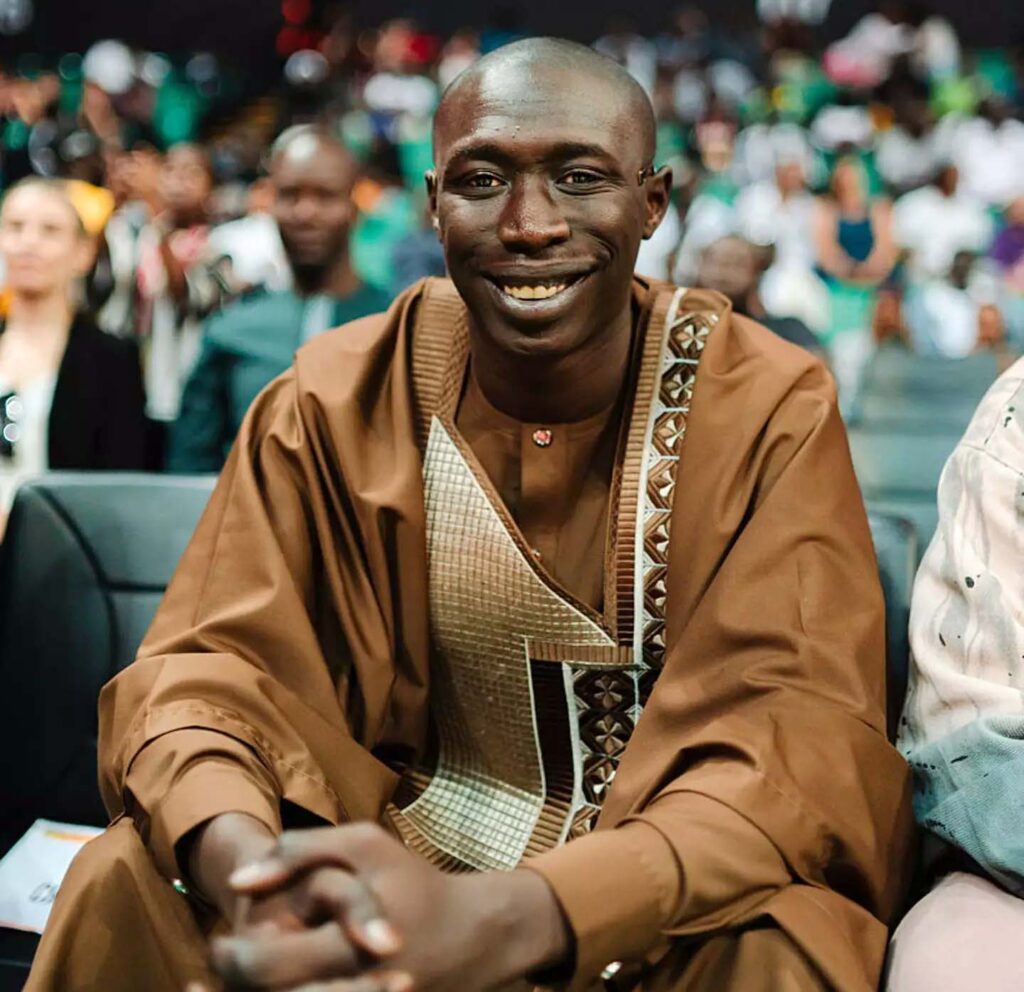
This story isn’t really about comedy, TikTok, or even Khaby himself. It’s about thinking beyond moments into models. Virality can open doors, but only ownership keeps them open.
Khaby’s journey shows that African creators don’t need permission to play globally. But they do need systems. Structure turns attention into legacy. Without it, fame expires. With it, impact compounds.
His exit isn’t a finish line. It’s a signal. One that says the real work starts when the noise fades and the architecture remains.
Turning Attention Into Architecture
Khaby Lame’s exit isn’t just a headline; it’s a blueprint. Attention alone doesn’t build empires, structure, ownership, and foresight do. His story reminds us that the work that lasts happens behind the scenes, in systems, not just in virality.
At RefinedNG, we spotlight the people, ideas, and innovations shaping Africa’s next chapter. Follow us for deep dives into ownership, creativity, and the strategies that turn influence into enduring impact. Learn, share, and see what it takes to build what lasts.