
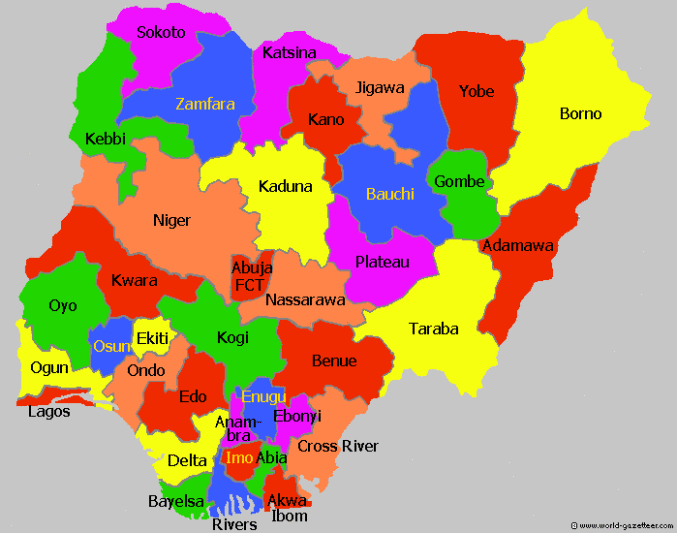
Have you ever wondered which Nigerian states rub shoulders with other countries?
There are 17 border states in Nigeria that are gateways to adventure, trade, culture, and history. From the sandy stretches of the north to the lush rainforests of the south, each border state tells a story of connection, exchange, and exploration. Whether you’re a solo traveler, a family looking for a weekend getaway, or a curious adventurer, Nigeria’s frontiers offer unique experiences that most tourists overlook.
Buckle up, because we’re about to hit the road and explore Nigeria, one border at a time.
Northern Neighbors: Where the Sahel Meets Adventure
The northern part of Nigeria hosts some of the most strategic and historically significant borders. Borno State steals the spotlight here, sharing boundaries with Cameroon, Chad, and Niger Republic. This triple-border setup makes it a hub for trade, security cooperation, and cross-border movement. It’s also where geography and geopolitics collide: the northeast desert landscape shapes livelihoods, markets, and transport routes.
Read: Through New Eyes: My First Time in Ghana
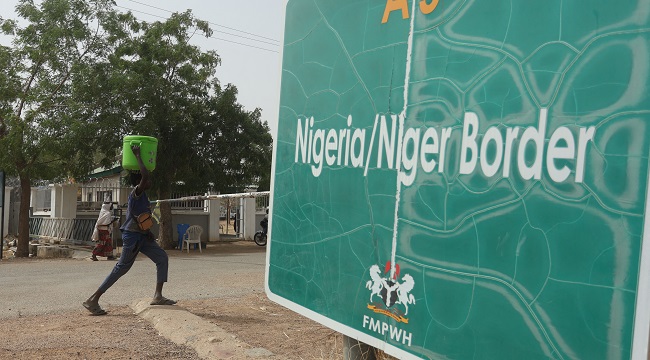
Other northern states include Adamawa (Cameroon), Kwara & Niger (Benin Republic), Yobe (Niger Republic), Zamfara (Niger Republic), Sokoto (Niger & Benin Republic), Katsina (Niger Republic), Kebbi (Niger & Benin Republic), Kwara and Jigawa (Niger Republic). These states are known for agricultural trade, livestock markets, and bustling local economies. For travelers, it’s a chance to witness traditional cattle markets, expansive farmlands, and unique northern cultural festivals that spill across borders.
Transitioning from the arid north, we move to the east, where rivers and forests form the border life.
Eastern Borders: Tropical Landscapes and Cultural Crossroads
In the east, Cross River, Taraba (North East), and Akwa Ibom share borders with Cameroon.
Here, the landscape changes dramatically: tropical rainforests, rivers, waterfalls, and fertile lands dominate the scenery. Cross River State is particularly notable, serving as a gateway to Cameroonian trade and tourism. Its rainforest reserves, like the Afi Mountain Wildlife Sanctuary, offer eco-tourism opportunities for adventurous travelers.
Taraba State, with its vast landscapes and border access to Cameroon, plays a crucial role in local trade, farming, and cross-border cultural exchange. Meanwhile, Akwa Ibom extends the tropical vibe with coastal borders that encourage maritime commerce and small-scale fisheries connecting communities across the border. For visitors, eastern borders combine natural beauty with vibrant, culturally intertwined communities.
From the lush eastern frontiers, let’s head west to where trade routes and historic towns meet international neighbors.
Western Borders: Trade, History, and Coastal Connections
Western Nigeria hosts several key border states with the Benin Republic. These include Lagos, Ogun, and Oyo states each offering a distinct flavor of cross-border interaction.
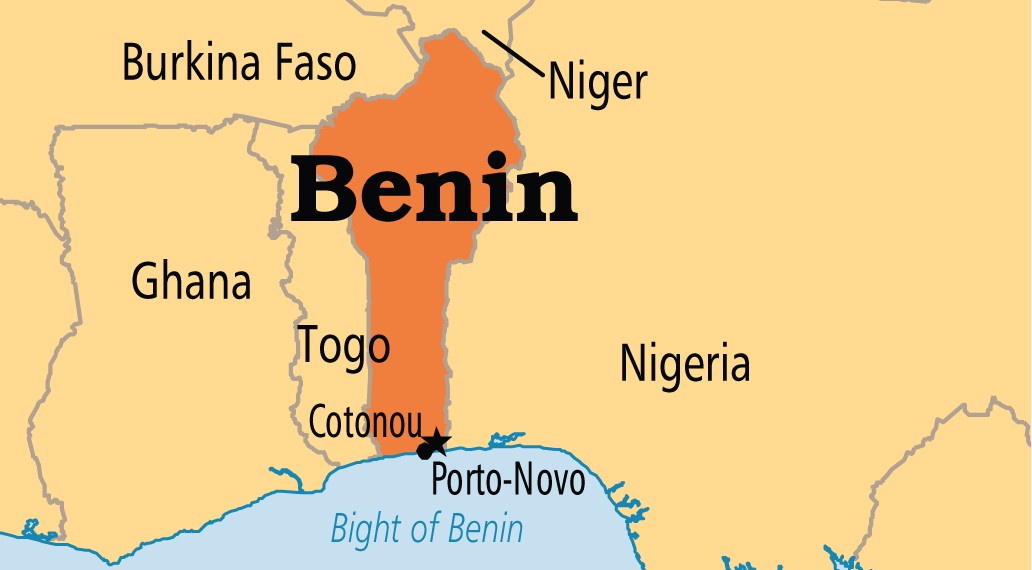
Lagos State, Nigeria’s economic powerhouse, shares a coastal boundary with Benin. The border here is alive with trade activity: goods, services, and people flow continuously, making it a hotspot for commercial travelers and explorers.
Ogun State, an industrial hub, thrives on cross-border economic activity, especially in manufacturing and agriculture.
Oyo State offers a mix of agriculture and history, linking local markets with communities across Benin. These western borders show how geography, commerce, and culture blend seamlessly, giving travelers a mix of historical sites, markets, and riverside escapes.
Read: 4 African Bridges With a Story
More Than Just Lines on a Map
Nigeria’s borders connect economies, communities, and cultures. Cross-border trade fuels local economies, whether through agricultural exchange, fishing, or textiles. Borders also bring diversity: languages, festivals, cuisines, and traditions intermingle naturally where states meet their neighbors.
Some states, like Borno, Sokoto, and Kebbi, have borders with more than one country. This doubles the cultural and economic interactions, making these regions hotspots for vibrant trade and social exchange. For tourists, visiting border towns is witnessing the pulse of everyday life marked by cross-national connections.
How to Explore These Border States
Travelers have many ways to experience Nigeria’s border regions safely and enjoyably:
- Cultural Tours: Visit traditional markets and experience cross-border festivals.
- Eco-Tourism: Explore the rainforests in Cross River or the Sahel landscapes in Borno.
- History & Heritage: Learn about trade routes, colonial history, and border communities.
- Food Adventures: Taste dishes influenced by neighboring countries, from spicy Cameroonian-inspired stews to Beninese street snacks.
With proper planning, these trips can be educational, adventurous, and culturally enriching.
Your Next Adventure Awaits
Nigeria’s 17 border states are your gateways to culture, trade, history, and natural beauty. From the deserts of the north to the tropical forests of the east and the vibrant trade hubs of the west, each border state offers a unique story and experience.
So, why wait? Pack your bags, chart your route, and explore the worlds waiting just beyond Nigeria’s borders. Every state has its own rhythm, flavor, and adventure, ready for you to discover!
Don’t just read about Nigeria’s border adventures, experience them!
Follow RefinedNG, plan your next getaway, discover hidden border towns, explore local markets, and see the cultures that make each state unique. Start your journey today and turn borders into your next adventure!