Here is a fact that should make most people uncomfortable: many conventional sanitary pads contain up to 90% plastic and can take hundreds of years to decompose. Multiply that by every cycle, every month, for millions of women across the world, and the scale of the problem becomes difficult to ignore.
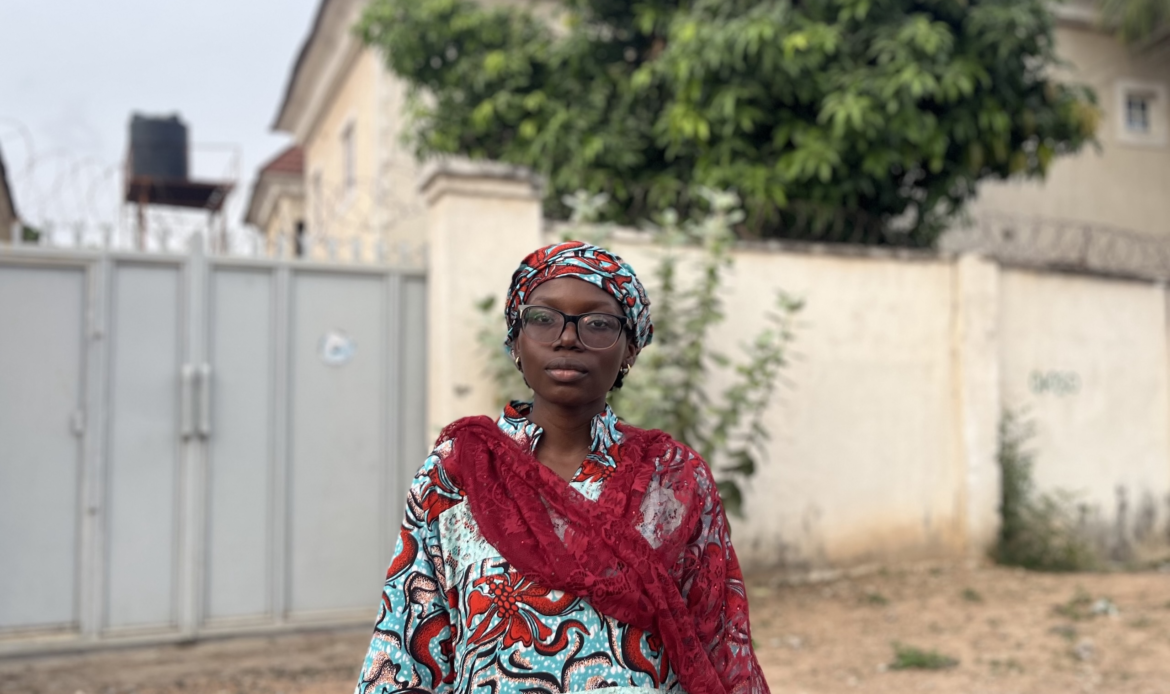
Raheema Auwal-Panti, a 15-year-old from Minna, the capital of Niger State, looked at that fact and decided she was not going to wait for someone older or more qualified to fix it. So she built her own solution.
Read: Njideka Akunyili Crosby Unveils Obama Presidential Centre Portrait
She Saw Two Problems and Realised They Could Solve Each Other
Most innovation starts with noticing something everyone else has walked past. For Raheema, that something was happening in her own region. Northern Nigeria’s cassava processing industry generates enormous volumes of agricultural waste; peelings, banana leaves, corn husks, much of which ends up poorly managed, contributing to soil contamination and the pollution of nearby water bodies.
At the same time, she understood the other half of the equation. Conventional sanitary pads, heavy with plastic and chemicals, were expensive for many Nigerian girls and environmentally damaging at scale. Rather than treating these as two separate problems, Raheema connected them. She founded PantiPads in 2025, using that same biomass-rich agricultural waste as the raw material for biodegradable, affordable sanitary pads.
Her own words capture the motivation simply. She wanted to “sweep up plastic pollution” in Nigeria, and she believed that even if no one else acted, she could do something herself. That is not a small mindset for a 15-year-old to hold onto, and it is exactly the mindset that built PantiPads from an idea into a functioning project.
Read: Four Nigerians Selected for Talents Durban 2026
Why This Matters Beyond the Environment
PantiPads is not only an environmental story. It sits at the intersection of sustainability and public health, two issues that rarely get discussed together but are deeply connected for girls across Africa.
Menstrual stigma and inaccessible products remain a significant barrier to education and overall well-being for many girls on the continent. When sanitary products are too expensive or simply unavailable, girls miss school, fall behind, and face health risks from unsafe alternatives. Raheema’s pads are designed to interrupt that cycle by offering something both affordable and genuinely safer.
She has been direct about the safety dimension specifically. Sanitary pads, she points out, are used on some of the most sensitive parts of the human body, and people deserve a genuinely safe option. Eco-friendly, biodegradable alternatives made from natural agricultural waste offer exactly that, without the plastics and chemicals embedded in many commercial products currently available.
Global Recognition and What Comes Next
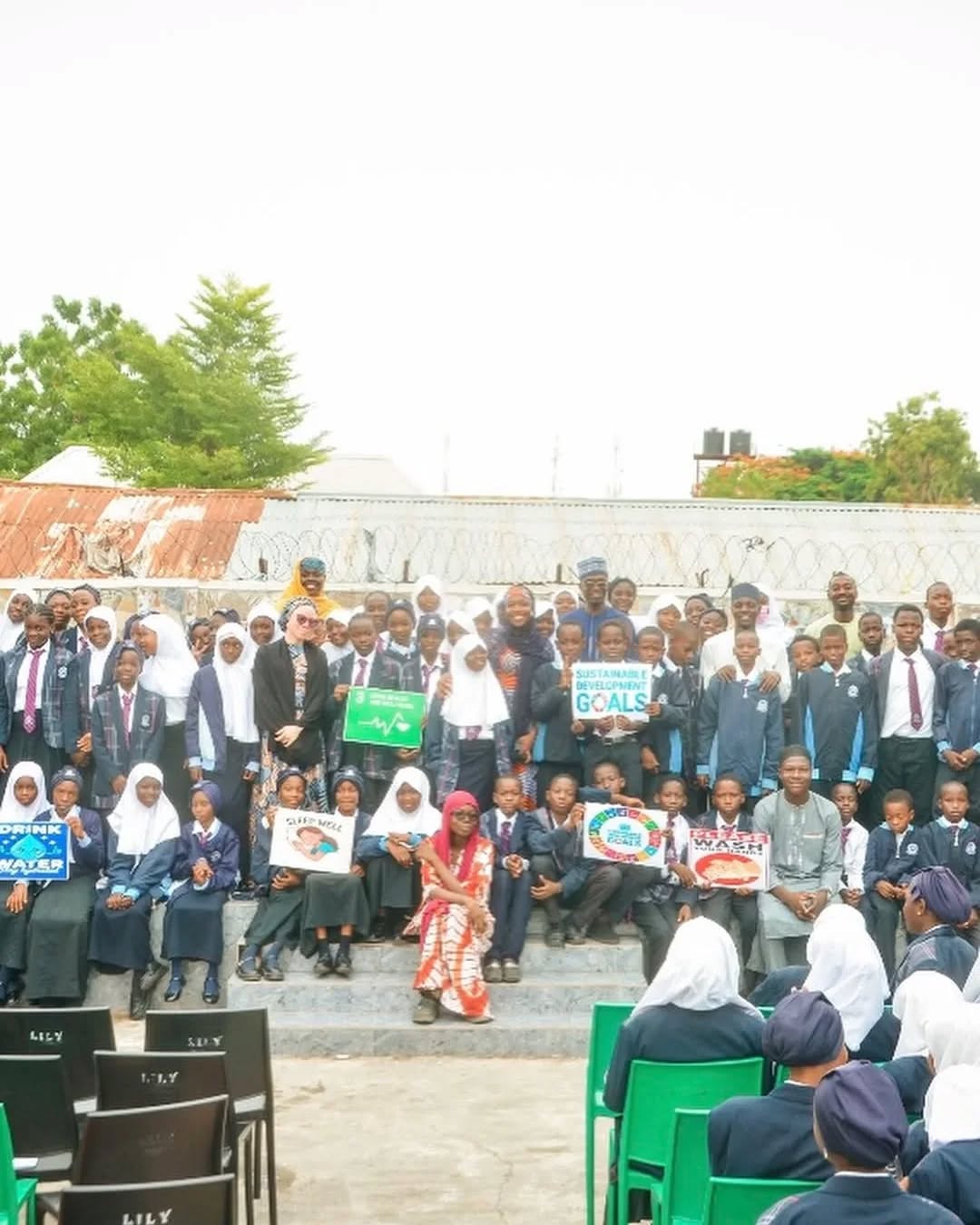
PantiPads has been shortlisted among 35 global teams for the 2026 Earth Prize, an award run by the Switzerland-based Earth Foundation, which exists to empower and inspire young people tackling environmental challenges. For a 15-year-old founder competing against teams from around the world, that recognition is a genuinely significant milestone.
Right now, Raheema is focused on the groundwork rather than rushing to scale. She is building relationships with existing manufacturers and learning production systems properly before establishing her own dedicated production facility. PantiPads is also working to bring its products directly to consumers, with support from members of the local business community.
She has been clear that individual innovation alone is not enough. African governments, she argues, have a key role to play in shifting policy away from plastic-based sanitary products toward biodegradable alternatives; a reminder that the systems around an idea matter just as much as the idea itself.
A teenager in Minna identified a circular economy solution that turns agricultural waste into a product that protects both the environment and the health of girls across her community. That kind of clarity, at 15, is worth paying attention to and worth supporting.
Follow RefinedNG for more stories celebrating young African innovators building real solutions for real problems. Visit our channels or subscribe to our newsletter and get them straight to your inbox.