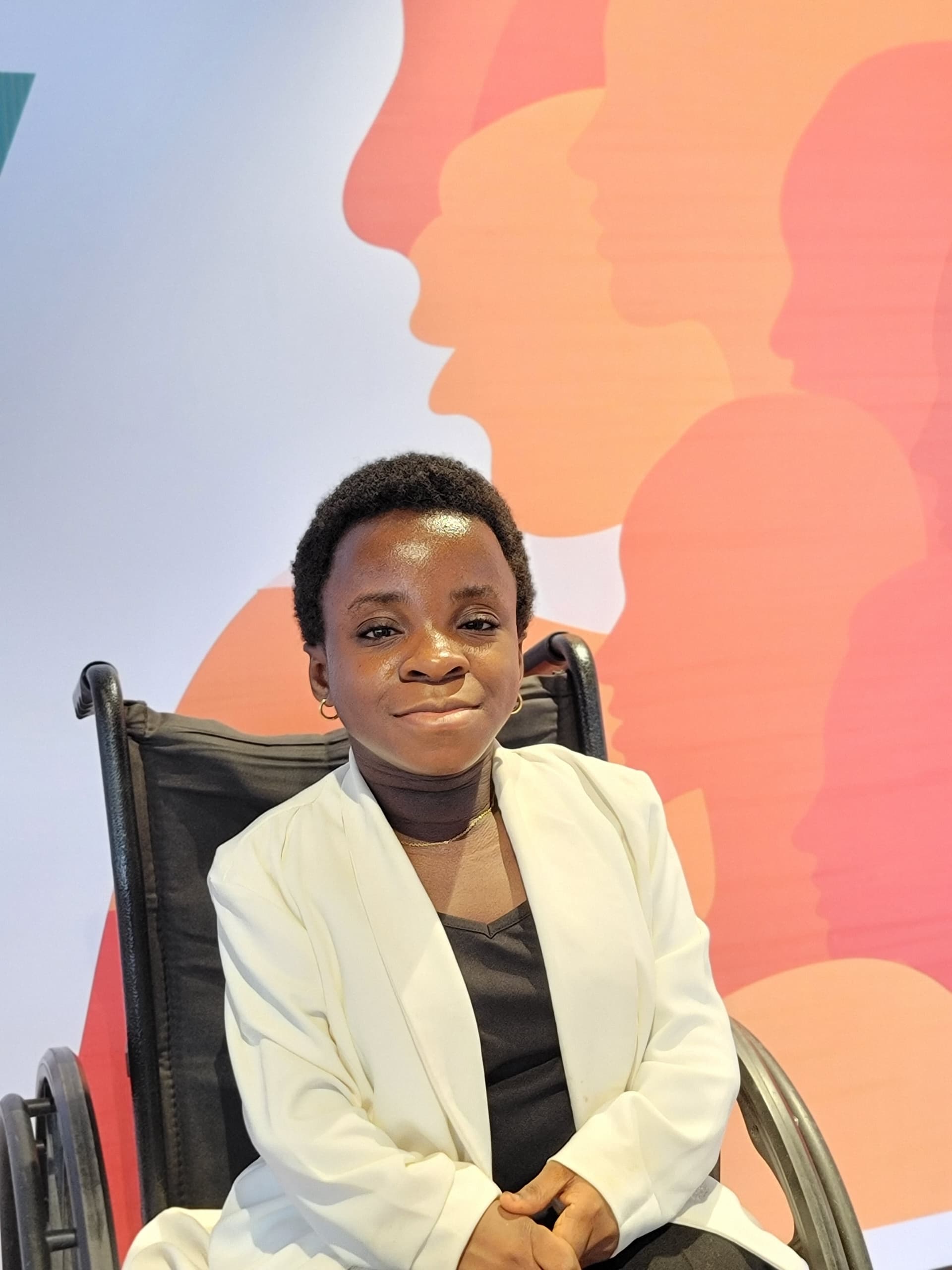
Africa’s tech scene is moving fast; new products, new funding, new ideas every day. But for millions of people, especially those living with disabilities, many of these innovations still don’t work the way they should. That is the problem Stephanie Osasumwen Egharevba has chosen to take on.
Not just by talking about inclusion, but by breaking it down, step by step, into something people can actually build. From developers to founders to policymakers, her work challenges a simple assumption: that awareness is enough. It isn’t.
In this interview with RefinedNG, she shares what it really means to design for everyone, how her voice evolved into a tool for change, and why the future of African innovation depends on who we choose to include.
1. Before the work, who is Stephanie outside of advocacy? What does your everyday life look like, and what fills you up?
Stephanie: When I’m not in advocate mode, I’m grounded in my faith. That’s where I draw strength from, especially because the work I do can be demanding. I spend time praying and being still, which keeps me centred and reminds me that my life is about purpose.
My everyday life is simple. I’m either working on ideas, creating content, or taking quiet moments to think and reset. I enjoy calm spaces, music, rest, and good food.
What fills me up is living intentionally, doing things that align with who I believe God has called me to be. My work and my faith are completely connected. Everything I do comes from a place of wanting to serve and make things better.
Outside of everything I’m building, I’m just a girl learning, growing, and staying aligned with purpose.
2. You’ve been speaking since you were eight. When did that voice become something intentional and professional? Was it a moment or a slow build?
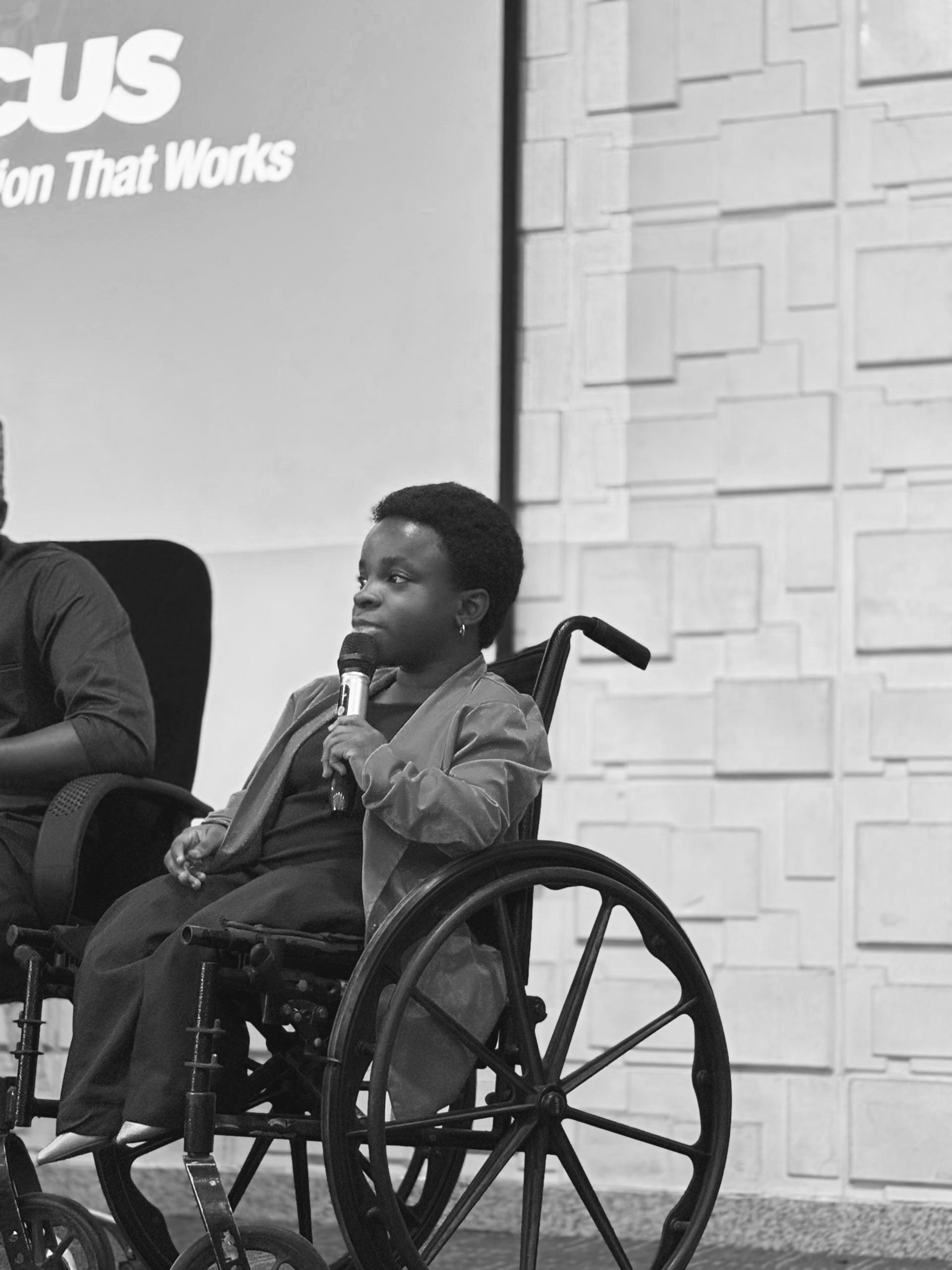
Stephanie: I think it was a slow build, but some moments made it clear. I’ve always been expressive. Even as a child, I wasn’t afraid to speak, to stand in front of people, but turning that into something intentional came later, when I started to understand my experiences, especially as a person with a disability.
It was a series of realisations. I realised that what I was experiencing wasn’t just personal, it was systemic. And I realised that when I spoke, people listened and more importantly, they learned. That’s when it shifted from just having a voice to using it with purpose.
Read: KollegeScout and Fiyinfoluwa’s Vision for African Students
3. You have been very direct about the difference between awareness and actual inclusion, and you have said clearly that awareness alone is not enough. What does real, structural inclusion actually look like in practice?
Stephanie: Awareness is when people know a problem exists, while inclusion is when they actually do something about it.
A lot of spaces are aware. They talk about disability, they post about it, but their systems and products still exclude certain people.
Real inclusion is structural. It’s built into how things are designed from the beginning. When a space gets it right, it is dignified. You don’t have to ask for permission to exist or for help to do basic things. Everything just works. It feels seamless.
4. Your “30 Days to Inclusive Design” series went very practical. Why was it important to go that technical, and what gaps did the response reveal?
Stephanie: I went deep into things like alt-text and accessible coding because general advocacy only goes so far. You can tell a developer to “be inclusive”, and they might agree, but if they don’t know how to write the code, nothing changes. I wanted to remove that gap by making it practical.
To break things down and say: this is alt-text, this is how to write it. This is colour contrast, this is why it matters.The response showed me something very clear: people are willing, but they don’t know how. The gap is a lack of information, and if we don’t close it, inclusion will always remain a conversation.
5. Africa’s tech ecosystem is growing fast, but accessibility still lags. If you could sit down with the founders, product managers, and investors, what would you tell them to do differently, starting tomorrow?
Stephanie: I would tell them they are leaving money on the table.When you build a product that excludes 15% of the population, you are losing a massive market. Accessibility isn’t a “nice to have”, it’s fundamental to good product design.
Starting tomorrow, do two things: include accessibility from your very first line of code, and hire people with disabilities to test your products. Don’t guess, ask us.If your platform isn’t accessible, you’re wasting the talent and potential of millions. And leadership has to take ownership. If founders and investors don’t prioritise inclusion, teams won’t either.
Africa doesn’t just need more technology, we need technology that works for all of us.
6. You have talked about wanting to build an ecosystem that merges creativity with technology to measure and embed inclusion. What does that look like, and how far along are you?
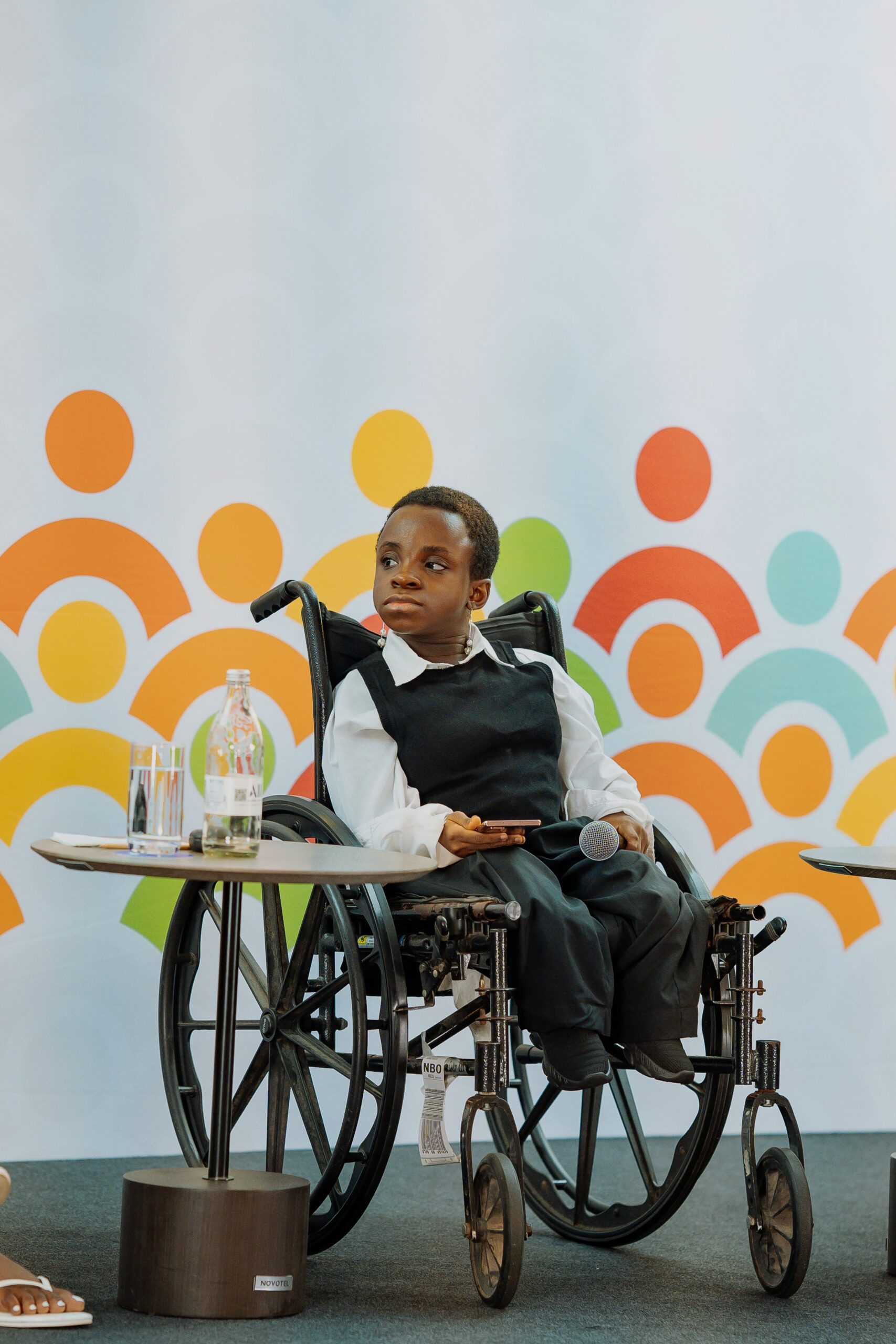
Stephanie: In my mind, that ecosystem is practical. A space where inclusion can be seen, measured,, and improved. Right now, people say they care about inclusion, but there’s no clear way to check if what they’re building is actually accessible. That’s the gap I want to close.
It means bringing creatives and technical people into the same conversation; designers, developers, storytellers, where inclusion is everyone’s responsibility.It also means involving people with disabilities from the beginning, not just at the end. They help shape ideas, test products, and influence decisions.
And it has to be measurable, so companies can see where they’re excluding people, what needs fixing, and how to improve.
I’m currently in the foundation stage, educating through content, building communities, and influencing how people think about accessibility. The goal is to move from awareness to systems, tools, and frameworks that make inclusion easier to implement.
Read: How Damilola Ogunbiyi Got to the Top of Global Clean Energy
7. You talk about raising leaders who don’t just survive systems but rebuild them. How does that shape your mentorship, and what do you wish you knew earlier?
Stephanie: For me, it’s intentional. I don’t just help people fit into systems; I mentor them to question and rebuild them in ways that work for more people, especially those with disabilities.
I focus on confidence and voice, creating spaces where young advocates can speak and be taken seriously. I also emphasise structure, because passion alone isn’t enough. If you don’t understand how systems work, you can’t change them.
Then execution, turning ideas into real work, whether that’s programmes, communities, or products.I’m also honest about the hard parts. There will be rooms where you’re the only one, moments where your work is misunderstood. But it’s still possible to build something meaningful.
What I wish I had known earlier is that you don’t need permission to start. And that rest is part of the work. You can’t build sustainably if you’re constantly drained.The goal is not just resilience, but raising people bold enough to create something better.
8. What is the one thing you want the people reading this: young Africans, tech builders, policymakers, anyone, to walk away knowing or doing differently? And when you picture the Africa you are working towards, what does it actually look like?
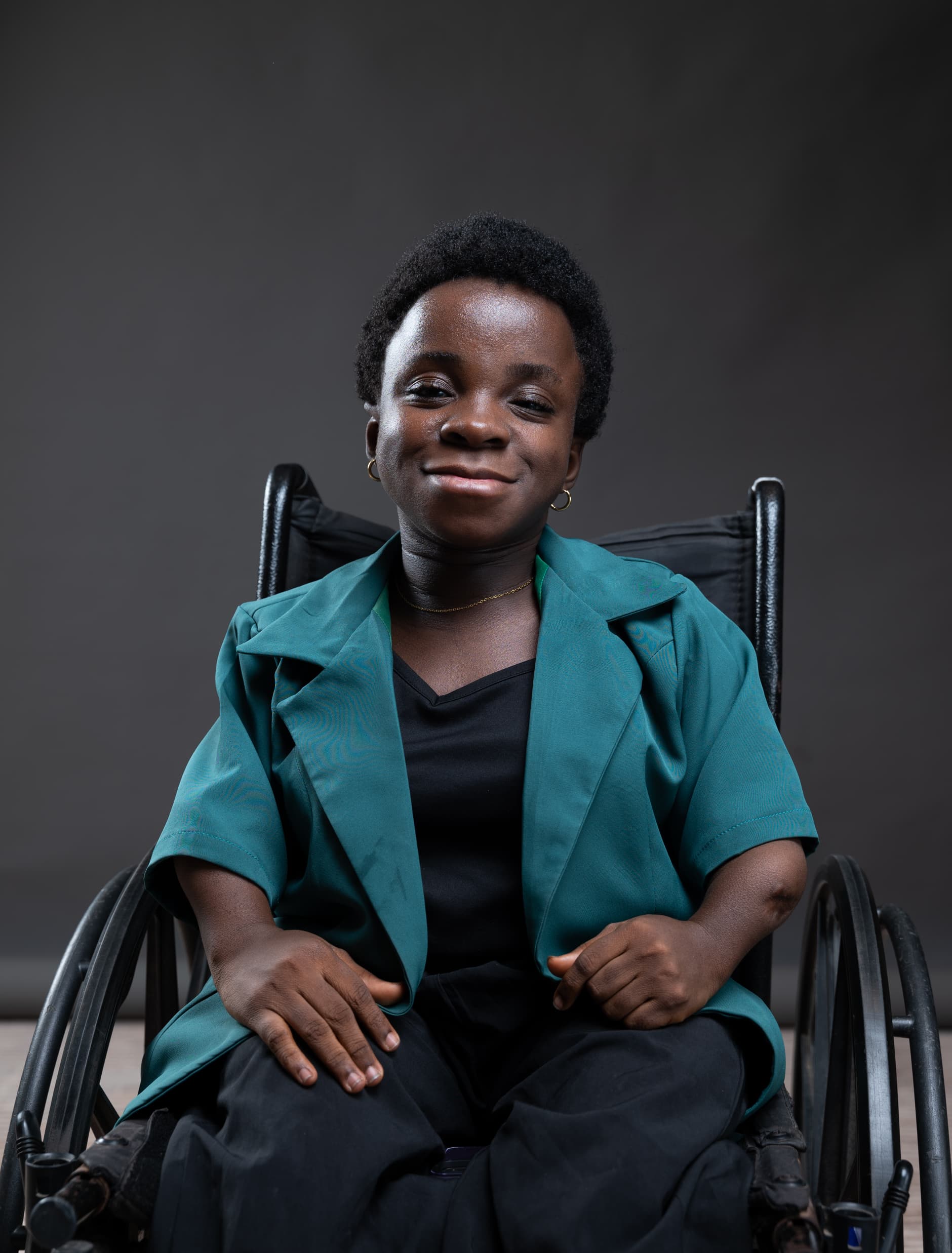
Stephanie: If there’s one thing I want people to take away, it’s that inclusion is a decision. It doesn’t happen by default; it happens when people choose, every day, to build differently and take responsibility for who might be left out.
For young Africans, especially those with disabilities, your voice matters. The systems we have were built by people, which means they can be rebuilt. You don’t have to wait for permission to start shaping the world you want.
For tech builders, move from awareness to action, build it into your products, budget for it, and measure it. For policymakers, inclusion is not charity. When people are excluded, we all lose talent and progress.
The Africa I’m working towards is practical: a young girl with a disability can use an app without struggle. Classrooms, workplaces, and digital spaces are designed with different needs in mind from the start. People with disabilities are not just included, they are leading and shaping the future. That’s the future I see. And we only get there when we treat inclusion as a responsibility.
The future Stephanie is building towards is not abstract, it’s practical, measurable, and possible. But it requires a shift from awareness to action, from intention to implementation. Follow RefinedNG for more stories spotlighting the people building what’s next.