
Artificial intelligence often presents itself as universal. Ask an AI assistant a question, translate a sentence, or generate an image, and it feels as though the technology understands the world equally well. The reality is very different.
Every AI model learns from data. When that data overlooks certain languages, cultures, or ways of communicating, entire communities become less visible to the technology shaping the future. That is the challenge Awarri has chosen to solve.
Founded in 2019 by Nigerian entrepreneurs Silas Adekunle and Eniola Edun, the Lagos-based AI and robotics company is building frontier AI models rooted in African languages, voices, and lived experiences. Rather than asking how Africa can use artificial intelligence, Awarri is asking a more important question: how can artificial intelligence truly understand Africa?
Read: The Story of Rediet Abebe, Ethiopia’s Trailblazing AI Scientist
Building the Missing Knowledge Layer of AI
Most discussions around AI focus on applications like chatbots, virtual assistants, or automation. These innovations only exist because someone first built the knowledge layer beneath them.
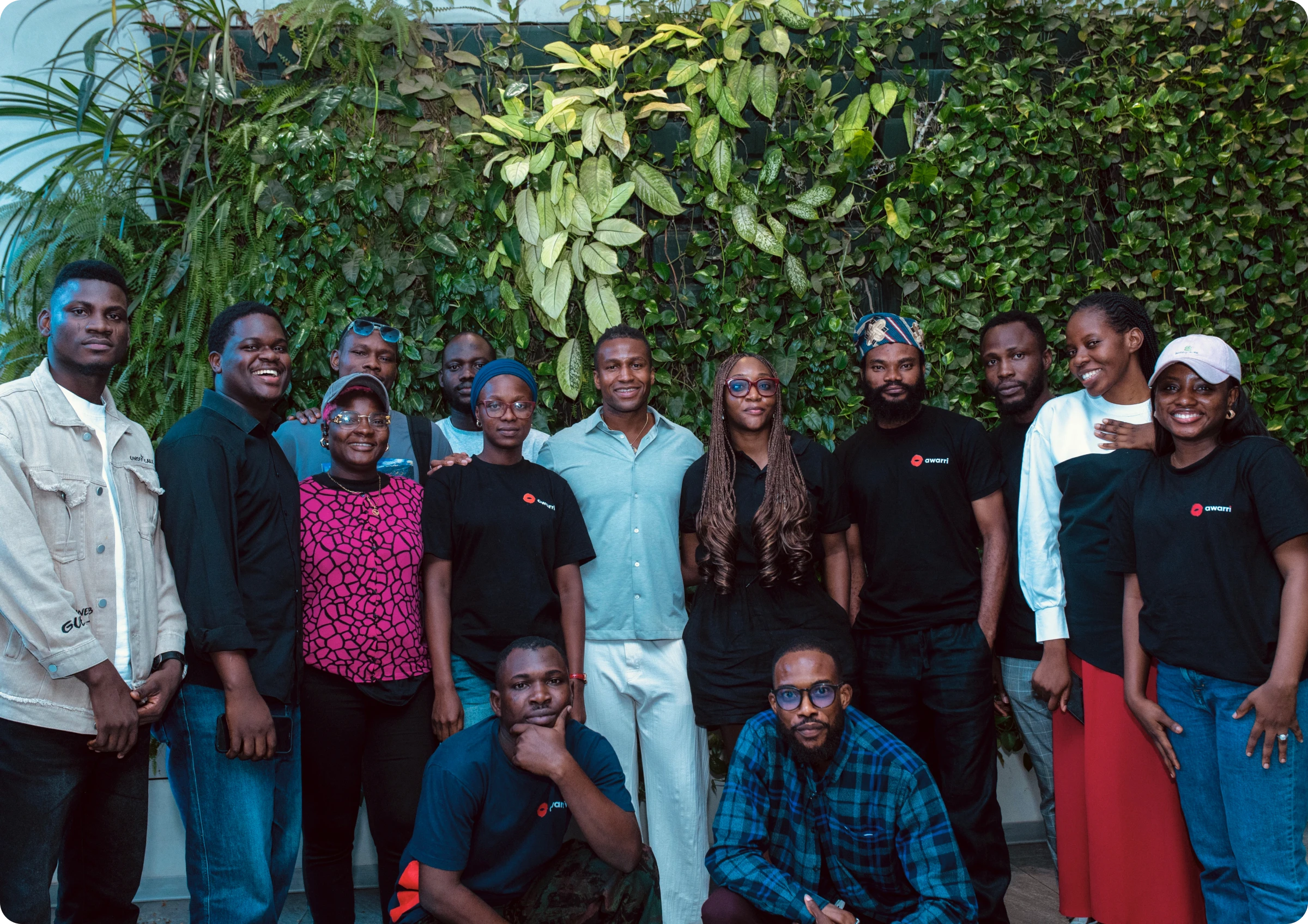
In Africa, that layer has remained surprisingly thin. Many global language models perform well in English and other widely represented languages but struggle with Yoruba, Hausa, Igbo, Pidgin, Ibibio, and many others. The problem is not intelligence, it is representation. Awarri is working to close that gap.
Awarri’s flagship project, N-ATLaS, is Nigeria’s first government-backed multilingual and multimodal large language model. Rather than treating Nigerian languages as an afterthought, the model is being trained to understand how people naturally speak, write, and communicate across different regions.
Supporting that effort is LangEasy, a nationwide platform that invites Nigerians to contribute translations and voice recordings using their smartphones. Every recording helps expand the language resources available for future AI systems.
In many ways, Awarri is not simply training machines. It is preserving linguistic knowledge that could otherwise remain absent from the technologies billions of people will eventually use.
Building People Alongside Platforms
Technology rarely succeeds because of software alone. It succeeds because people know how to build, improve, and maintain it. Awarri appears to understand this better than most.
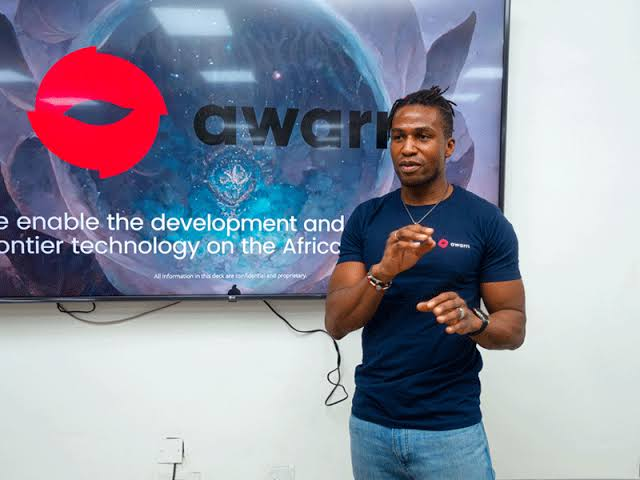
Alongside its AI research, the company has invested heavily in developing local talent through its data annotation labs in Lagos and partnerships with the Federal Ministry of Communications, Innovation and Digital Economy. Thousands of participants from Nigeria’s 3MTT programme have contributed to collecting, validating, and annotating the data needed to train advanced AI models. This creates something far more valuable than a single product.
Every dataset assembled, annotation completed, and fellow trained strengthens Nigeria’s broader AI ecosystem. Instead of importing expertise indefinitely, the country develops researchers, engineers, and data specialists capable of building future technologies from within.
It is an approach that transforms AI development from a company project into national capability.
Read: From Educare to Rome: How Alex Onyia Is Making Academic Excellence Exciting Again
Why African Context May Become AI’s Biggest Competitive Advantage
As artificial intelligence becomes embedded in healthcare, education, financial services, agriculture, and public services, context will matter just as much as computing power.
An AI system trained primarily on Western data may understand global concepts, yet still misunderstand local expressions, cultural references, accents, or regional realities that shape everyday life across Africa.
Companies like Awarri are working to change that by combining locally collected data, multilingual models, and homegrown engineering talent, the company is helping ensure that future AI systems recognise African voices as naturally as they recognise any other.
This work extends beyond language. It represents a broader shift towards building technologies that reflect local realities instead of expecting local users to adapt to global defaults.
As AI reshapes the world’s digital infrastructure, representation will increasingly become a technical advantage rather than simply a cultural aspiration. Awarri is helping ensure Africa contributes knowledge to that future, not just data points.
Enjoy discovering the companies shaping Africa’s future? Follow RefinedNG for more industry spotlights on the innovators, builders, and technologies redefining what’s possible across the continent.