
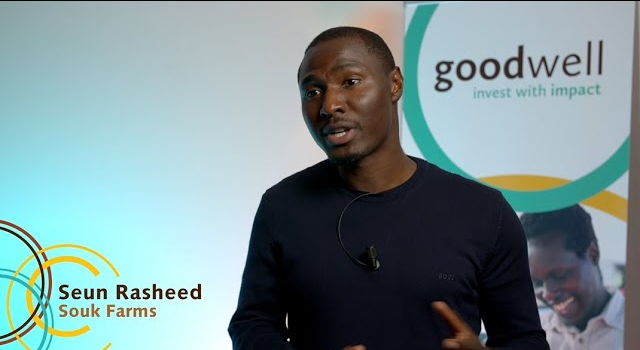
People often say Africa has enormous agricultural potential. The conversation usually ends there. Far less attention is given to the entrepreneurs figuring out how to turn that potential into profitable businesses, and even fewer stories explore Africans who cross borders to solve problems in another African country.
That’s what makes Seun Rasheed’s journey so interesting.
Born in Nigeria and working in Qatar’s energy sector, Rasheed didn’t set out to become a farmer. He certainly didn’t imagine building one of Rwanda’s leading horticultural export businesses. Yet today, through SOUK Farms, he is helping Rwandan produce reach supermarket shelves across Europe and the Middle East while creating opportunities for thousands of local farmers.
His story is a reminder that Africa’s future may depend less on where entrepreneurs come from and more on where they’re willing to create value.
A Holiday That Became a Business Plan
Before agriculture, Seun Rasheed built his career as an engineer in the corporate world, working with Shell in Qatar.
Then a holiday changed everything. While visiting Rwanda, he noticed something many tourists would have ignored. Passion fruit sold for relatively little in local markets, yet fetched significantly higher prices in Europe.
Most people would have simply observed the difference. Rasheed saw a business model. The opportunity wasn’t just about exporting fruit. It was about connecting African farmers to premium international markets that valued quality produce and were willing to pay for it.
Instead of returning to corporate life unchanged, he began asking bigger questions. Could African agriculture become a globally competitive export business? Could farmers earn more if someone built the right supply chain between their farms and overseas buyers?
Those questions became the foundation of SOUK Farms.
Read: Shifra Ainomugisha’s Journey from Family Farm to Global Recognition
Building an Export Business Around Rwanda’s Strengths
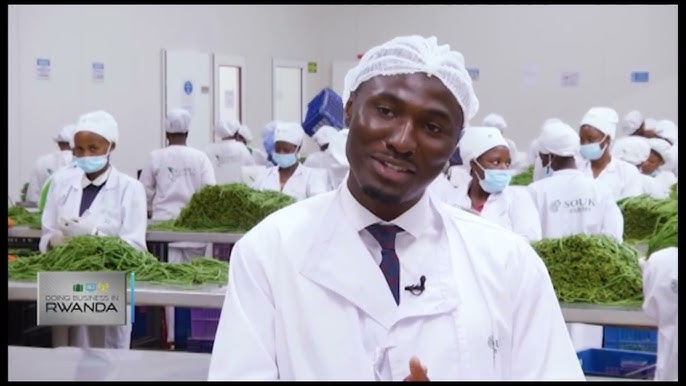
Starting an agricultural export business requires much more than growing crops. International buyers expect consistent quality, reliable delivery schedules, strict food safety standards and complete traceability.
Rather than trying to force unfamiliar crops into unsuitable conditions, Rasheed built SOUK Farms around Rwanda’s natural advantages.
Today, the company exports avocados, bird’s eye chillies, French beans, baby corn and tenderstem broccoli to customers across Europe and the Middle East.
Technology, sustainable farming practices and efficient logistics all play important roles in maintaining export quality. But perhaps the company’s biggest strength lies in understanding that agriculture is as much about systems as it is about soil.
By creating dependable export channels, SOUK Farms has positioned Rwandan-grown produce alongside competitors from around the world.
Growing More Than Crops
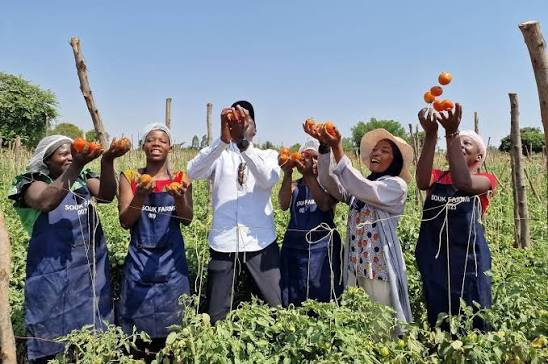
One of the most overlooked aspects of Seun Rasheed’s work is that SOUK Farms isn’t trying to own every farm. Instead, the company grows through partnerships.
Working with thousands of smallholder farmers across Rwanda allows production to scale while ensuring more farming communities participate in export opportunities. This model also helps tackle one of African agriculture’s biggest challenges: market access.
Many farmers know how to grow quality produce. What they often lack is a reliable buyer willing to purchase consistently at international standards. SOUK Farms helps bridge that gap.
Beyond exports, the business creates employment across cultivation, harvesting, packaging, logistics and seasonal farm work. Strategic investment has also enabled the company to continue expanding while strengthening sustainable agricultural practices.
The result is an ecosystem where farmers, workers and exporters all benefit from stronger market connections.
Read: Zimbabwe’s Maminda Is Using AI to Transform Smallholder Farming
A Different Kind of African Entrepreneurship
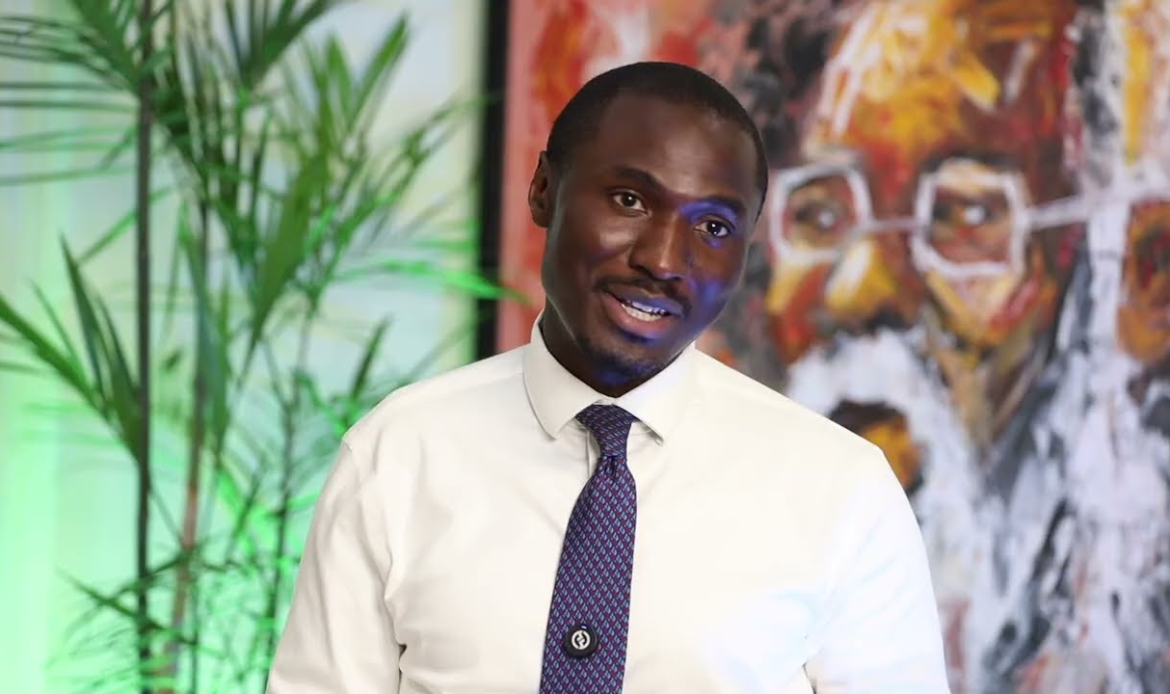
Seun Rasheed’s story raises an interesting question. What if more African entrepreneurs looked beyond their own borders when searching for opportunities?
Too often, entrepreneurship is framed as solving problems only within one’s home country. Yet Africa’s economies are increasingly interconnected, and many challenges, from agriculture to healthcare and technology, are shared across the continent.
Rasheed didn’t move to Rwanda because it was easier. He moved because he recognised an opportunity where his skills could create value.
That mindset reflects a broader shift taking place across Africa. A new generation of founders is thinking continentally, building businesses that connect markets, strengthen regional trade and prove that African solutions don’t have to stop at national boundaries.
In many ways, SOUK Farms is doing more than exporting vegetables. It is exporting confidence in Africa’s ability to compete globally through quality, innovation and collaboration.
Growing Africa Together
At RefinedNG, we believe some of Africa’s most inspiring stories are those that challenge conventional thinking.
Seun Rasheed’s journey shows that entrepreneurship isn’t defined by geography. It’s defined by the willingness to recognise opportunities, build sustainable businesses and create value wherever it’s needed.
As more Africans collaborate across borders, the continent’s greatest harvest may not simply be its crops, but the ideas, partnerships and businesses that grow from them.
Know an African entrepreneur changing lives across the continent? Share their story with RefinedNG, and explore more Spotlight features celebrating the innovators shaping Africa’s future.