
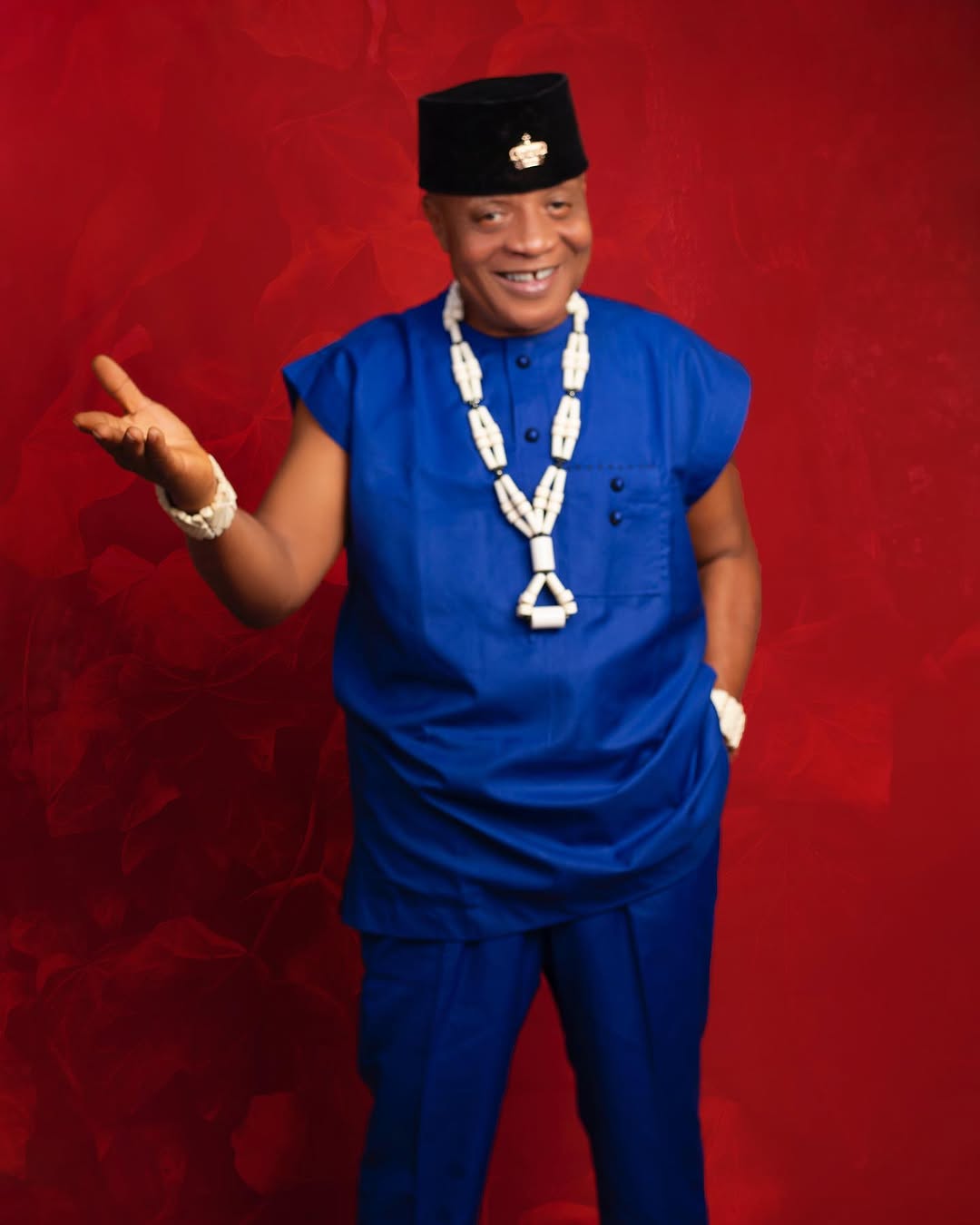
In a music industry often driven by trends and short-lived fame, Bright Chimezie stands as a powerful reminder that originality, message, and culture never go out of style. A pioneer of the Zigima Sound — his self-invented blend of highlife, Afrobeat, and traditional Igbo rhythms — Chimezie carved out a unique space in Nigeria’s sonic history during the 1980s, using music as a tool for both entertainment and enlightenment.
Decades later, his influence is roaring back into the spotlight. In 2025, global Afrobeats superstar Davido publicly revealed that Chimezie’s 2018 track Because of English inspired his hit single With You, signaling a renewed recognition of the highlife veteran’s creative depth.
But Bright Chimezie’s story goes far beyond a viral moment. His journey is one of resilience, rhythm, and cultural pride — and it’s one every lover of African music should know.
So who is the Duke of African Music, really? Let’s take it from the top
Early Life and Musical Roots
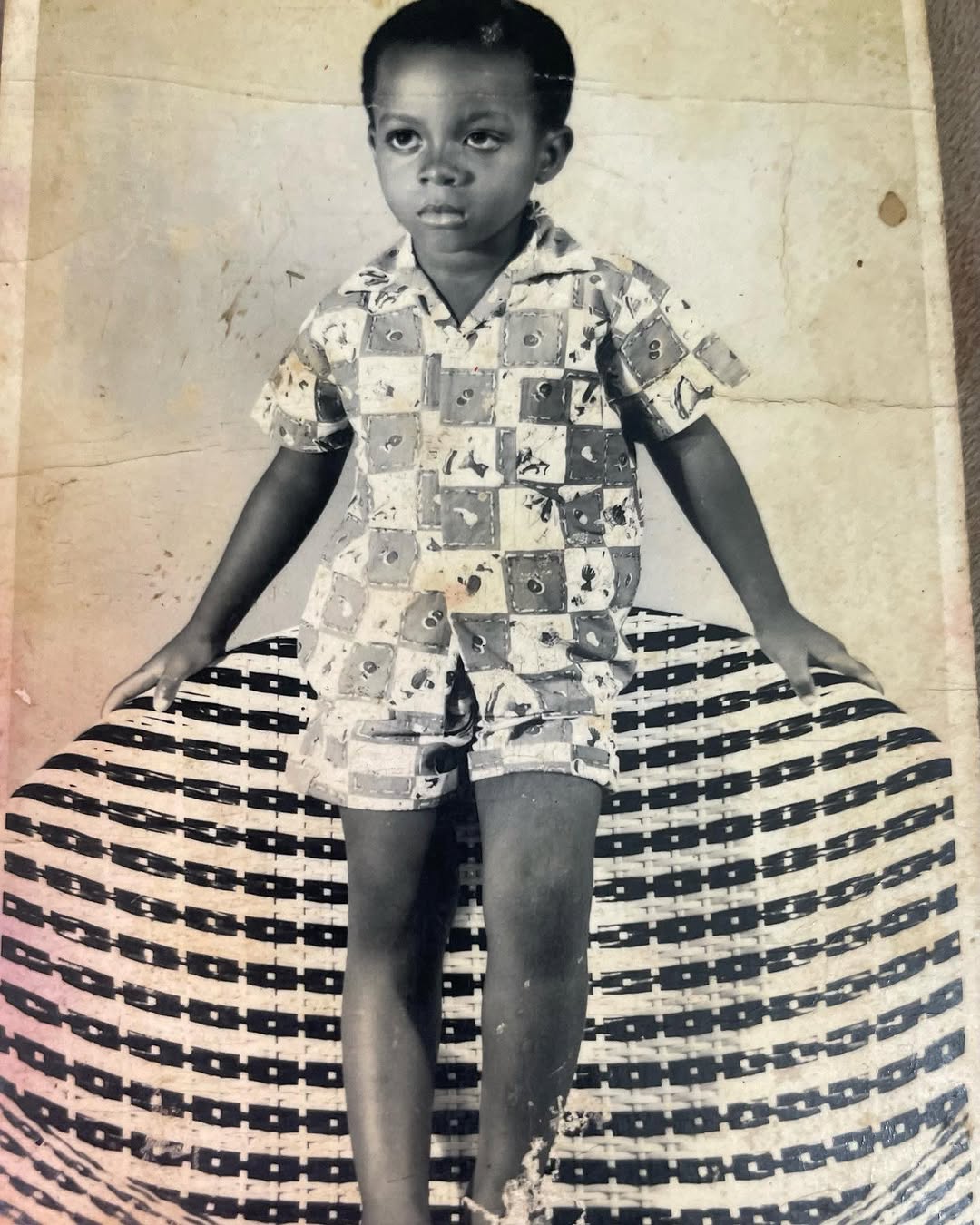
Born on October 1, 1960, in Ekeoba village, Umuahia, Bright Chimezie came into the world the same year Nigeria gained independence — a fitting coincidence for a man who would grow to become a fierce advocate for African identity. Raised in a Christian home by Reverend and Mrs. Ezekiel Iromuoh, Chimezie’s earliest exposure to music came through the Methodist Church choir, where he sang alto. But it wasn’t just gospel that shaped him. By age seven, he had joined his clan’s cultural troupe, eventually becoming its leader, choreographing performances and leading traditional songs with a maturity beyond his years.
His childhood coincided with the turbulence of the Nigerian Civil War, but even during those uncertain years, Chimezie remained rooted in music and storytelling. At Ohuhu Community Secondary School, he led the school band and began collaborating with rising Eastern musicians — laying the groundwork for what would become a genre-defining career.
From those early days, one thing was clear: Chimezie wasn’t just a performer. He was a movement waiting to happen.
Read: Nigerian Startup, Carrot Credit, Raises $4.2M for Asset Loans
From Dance Troupes to Zigima Sound
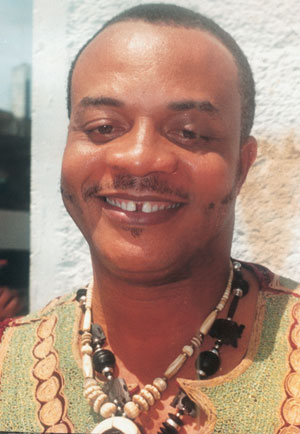
Bright Chimezie’s evolution from a school bandleader to a national figure didn’t happen overnight — it was a path shaped by grassroots performance and cultural immersion. After finishing secondary school in 1976, he joined the Modernized Odumodu Cultural Dance Group, known for its vibrant stagecraft and storytelling. For years, they toured Eastern Nigeria, telling ancestral tales through song and rhythm until the group eventually disbanded in 1979.
Chimezie then moved to Lagos, where he joined the Nigerian Customs and Excise Dance Band — a move that gave him national exposure and allowed him to travel across the country performing for diverse audiences. But even in uniform, he craved something that was fully his own.
In 1984, that vision materialized with the birth of Zigima Sound. Rooted in the Igbo expression “o zi gi ma” (meaning “you already know the message”), Zigima fused traditional Igbo highlife, Afrobeat rhythms, social commentary, and humor, all layered with Chimezie’s unmistakable vocal delivery and signature dance steps.
Zigima wasn’t just a sound. It was a new language of cultural resistance — and it was about to catch fire.
The Rise of a Movement
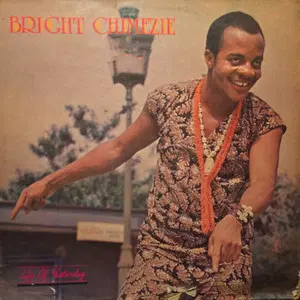
In the mid-1980s, Nigeria’s music scene was buzzing with new sounds, but Bright Chimezie brought something different: a message wrapped in melody, delivered with both soul and satire. With the release of his debut album, Respect Africa, Chimezie formally introduced Zigima to the world. The album’s title track, along with other songs like Lekwe Uwa M, Liza, and You Can Never Hurry the Sunrise, delivered not just groove, but wisdom. Each track was a layered commentary on Africa’s social fabric — colonial legacies, cultural erosion, greed, and identity.
Chimezie’s follow-up, Life of Yesterday, released in 1987, cemented his status. With standout tracks like No True Love, Nne m Oma, and Message Boy, he became more than a musician — he became a voice of moral clarity for a generation wrestling with modernity.
But Zigima wasn’t just about what was heard — it was about what was seen. Chimezie’s energetic stage performances, dance-heavy sets, and traditional outfits turned every show into a celebration of African pride.
By the late ‘80s, Zigima wasn’t just a genre. It was a grassroots movement — defiant, joyful, and deeply rooted in truth.
Global Stages and Honors
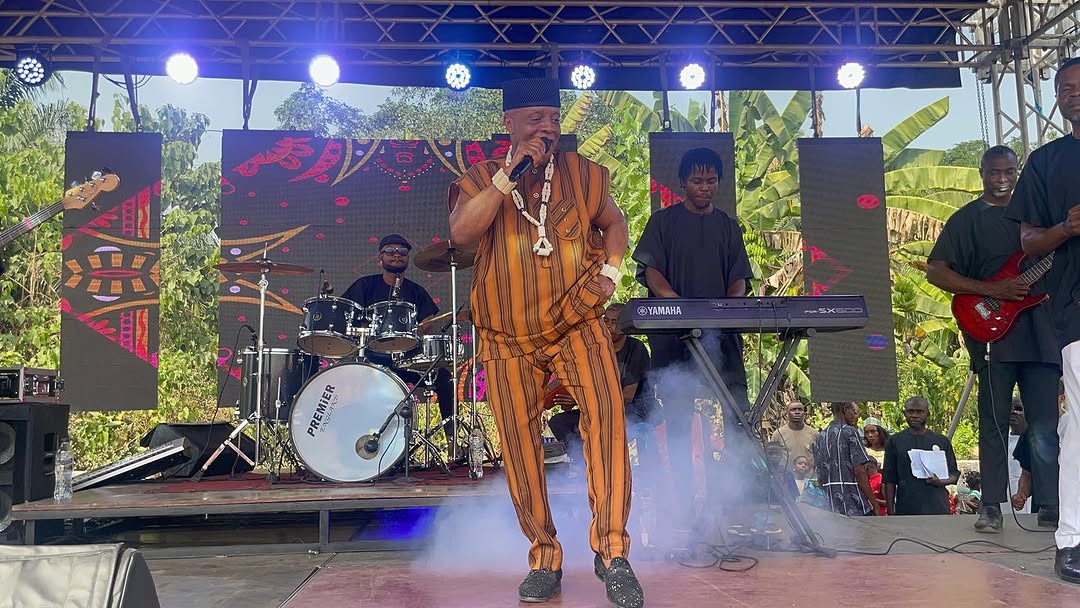
Bright Chimezie’s music may have been born in the streets of Umuahia and refined in Lagos, but its message reached far beyond Nigerian borders. Over the course of his career, Chimezie performed on global stages, bringing Zigima Sound to audiences in London, Austria, Brazil, and more. One of the most defining moments came when he represented Nigeria at the OPEC Cultural Festival in Caracas, Venezuela, performing as a cultural ambassador before a global audience.
But few honors matched the emotional significance of his performance for Nelson Mandela during Mandela’s first visit to Nigeria after his release from prison. Greeted warmly by both Nelson and Winnie Mandela, Chimezie’s presence on that stage was more than symbolic — it was a meeting of cultural and political liberation.
In recognition of his contributions to African identity and pride, Chimezie earned multiple awards, including a royal title: “The Duke of African Music,” conferred by Oba Omowonuola Oyeyede Oyeyonsin II of Oyo State.
His voice had become not only musical, but diplomatic — a global emblem of African dignity.
Read: Two British-Nigerians Just Made History in London — Here’s All To Know
Influence on Modern Artists & Davido’s Tribute

While Bright Chimezie’s peak years may have been in the ’80s and ’90s, his influence never truly faded. His music, laced with humor, truth, and rhythm, has quietly shaped the DNA of modern African sounds. Now, in 2025, that legacy has come full circle — thanks to a surprising but heartfelt tribute from one of Afrobeats’ biggest stars: Davido.
In a video call shared publicly, Davido revealed that his chart-topping single With You, featuring Omah Lay, was directly inspired by Chimezie’s 2018 track, Because of English. The lyrics, the cadence, even the playful critique of society — it was a clear echo of the Zigima formula.
Chimezie responded not with legal threats or criticism, but with grace and gratitude. In a video shared on his Instagram, the 64-year-old legend danced joyfully to the song outside his home, praising the younger artist’s creativity and acknowledging the homage.
This moment wasn’t just a cross-generational exchange — it was proof that Chimezie’s sound, message, and energy still pulse through the veins of African music today.
Zigima never died. It simply evolved — and found new voices.
Beyond the Music: Acting, Family & Legacy
Though best known for his music, Bright Chimezie’s influence extends beyond the stage and studio. He has also graced the screen, appearing in several Nigerian films such as Deadly Proposal and Abuja Boys, where his presence brought the same charisma and cultural authenticity he’s known for in music.
Offstage, Chimezie leads a grounded, family-centered life. He is married to Chinyere Chimezie, and together they have five children — Kelechi, Chukwuemeka, Chukwudi, Chinemeze (Michael), and Chidinma — many of whom have grown up witnessing firsthand the power of storytelling, rhythm, and identity.
More than an entertainer, Chimezie sees himself as a custodian of culture, committed to preserving the values and voices of his heritage. Whether through music, acting, or mentorship, he continues to shape the cultural landscape — not with noise, but with purpose.
And that, perhaps, is his greatest legacy: staying true to who he is, while inspiring others to do the same.
Why Bright Chimezie Still Matters
In a world where music often chases the moment, Bright Chimezie has always stood for something deeper — truth, culture, humor, and heritage. His Zigima Sound was never about fame or formulas. It was a reflection of lived experience, of African pride, of a people’s story told through rhythm, movement, and wit.
Today, as new artists reach back to draw from his legacy, Chimezie’s relevance is not just intact — it’s expanding. Whether it’s Davido tipping his hat or younger fans discovering Respect Africa for the first time, the message is the same: legends don’t fade. They echo.
Bright Chimezie matters because his art still resonates — across decades, across genres, across generations.
And as long as African music continues to evolve, his voice will remain part of its heartbeat.