
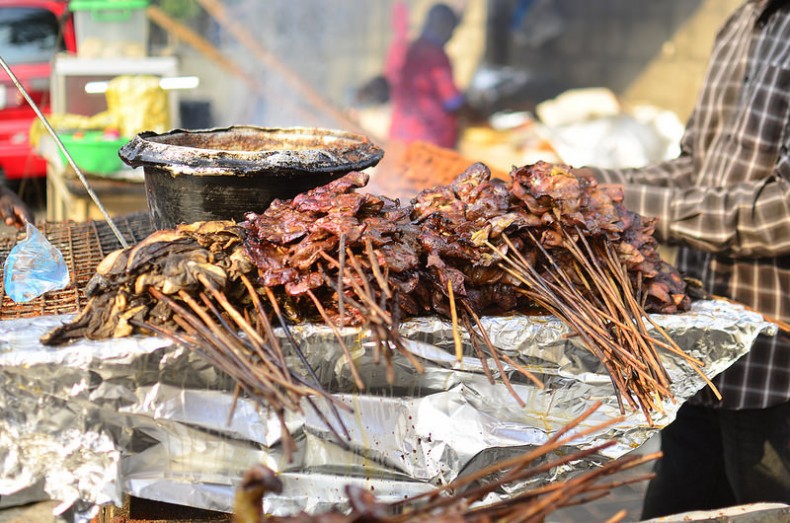
There’s just something about suya. The smoky aroma wafting through the night air, the sharp kick of Yaji spice, and the satisfying crunch of onions—it’s a Nigerian ritual. From street corners in Lagos to late-night hangouts in Kano, suya has earned its place as a national treasure. But lately, it’s also found its way into the spotlight for a different reason: health concerns.
Aproko Doctor, Nigeria’s favorite health influencer in a lab coat, dropped a spicy warning—suya might not be as innocent as it tastes. Could our beloved skewered meat be linked to cancer, heart problems, or worse?
Before you panic and swear off your favorite street snack, let’s unpack the facts. Is suya safe, or are we turning a blind eye to a hidden health hazard?
What’s Really in Your Suya?
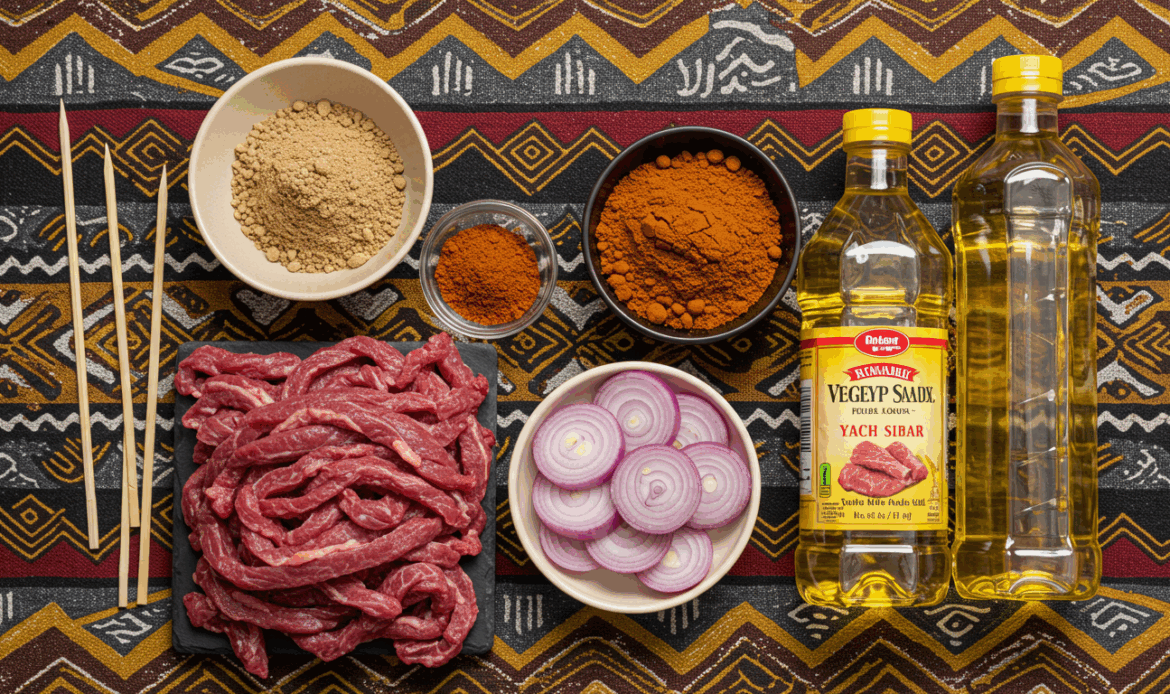
Before we get into the science, let’s appreciate what suya really is. Suya—also known as tsire—is a smoky, spicy, thinly sliced meat, usually beef, chicken, or ram, marinated in a peppery mix called yaji. This blend typically includes ground peanuts, chili, ginger, garlic, salt, bouillon powder, and other bold seasonings. The meat is skewered, brushed with oil, and grilled over open flames by skilled hands, often Hausa men known as “mai suya.”
Suya isn’t just food. It’s culture. It’s weekend vibes, late-night cravings, and the go-to with a bottle of malt or beer. But while the experience is tasty and nostalgic, what goes into your suya (and how it’s made) can vary a lot depending on the vendor.
Not all suya is created equal. From low-quality meat to questionable hygiene practices, what you’re getting off the skewer might not always match the magic in your mouth. Let’s get into the fire behind the flavor.
Read: The Health Benefits of Common Spices in Nigerian Cuisine
The Heat Problem: Flames, Smoke & Cancer Links
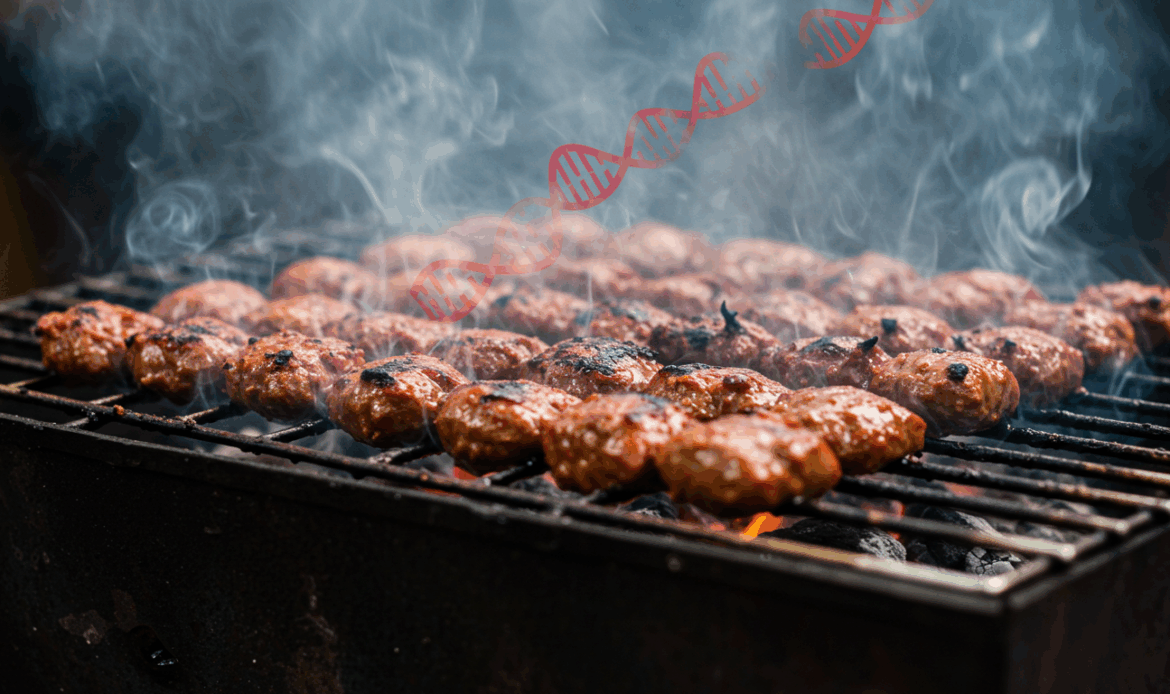
Here’s where things get serious. That irresistible smoky char on your suya? It’s also where health experts, including Aproko Doctor, raise a red flag. Suya is traditionally grilled over open flames—wood, charcoal, or coal. And while that gives it its signature flavour, it also creates conditions for something far less tasty: harmful chemicals.
When meat is cooked directly over high heat, especially when fat drips onto the flame, it produces smoke that contains polycyclic aromatic hydrocarbons (PAHs). At the same time, the meat itself, when exposed to intense heat, forms heterocyclic amines (HCAs). Both of these compounds have been shown to damage DNA in lab studies, with links to cancers, particularly colorectal cancer.
Here’s the thing: the more burnt and blackened your suya, the higher the concentration of these chemicals. So those crispy, charred edges? Delicious, yes. But also potentially dangerous.
While the occasional indulgence may not pose a major threat, regular consumption—especially of heavily blackened suya—could increase long-term health risks. It’s not just about what’s in the yaji; it’s about how the meat meets the heat.
Suya and Street Health Risks
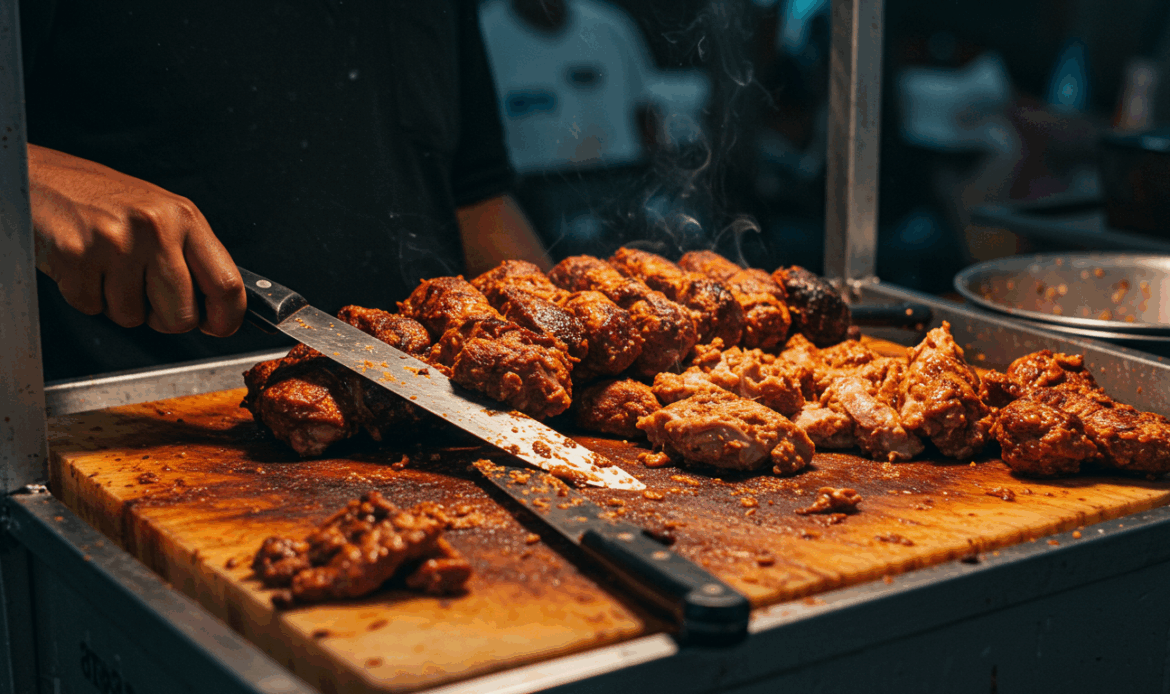
Beyond the smoke and flames, there’s another layer of concern when it comes to suya hygiene. Let’s be real: not every suya spot follows safe food handling practices. Ever seen a vendor use the same knife and chopping board for hours without a rinse? Or meat displayed for hours without proper covering or refrigeration?
Contamination from dirty tools, unwashed hands, or spoilt meat can lead to serious foodborne illnesses like food poisoning, typhoid, or even gastrointestinal infections. And if you’ve ever bought suya late at night or on the roadside, you’ve probably wondered (or ignored the thought) about how long that meat’s been sitting out.
There’s also the trend of reheating leftover suya—something health experts caution against, especially if it wasn’t stored or handled properly. Stale or undercooked suya could do more than upset your stomach; it could lead to infections or long-term gut issues.
So while your suya might be spicy on the tongue, it shouldn’t come with a side of bacteria.
Can Garnishes Save the Day?
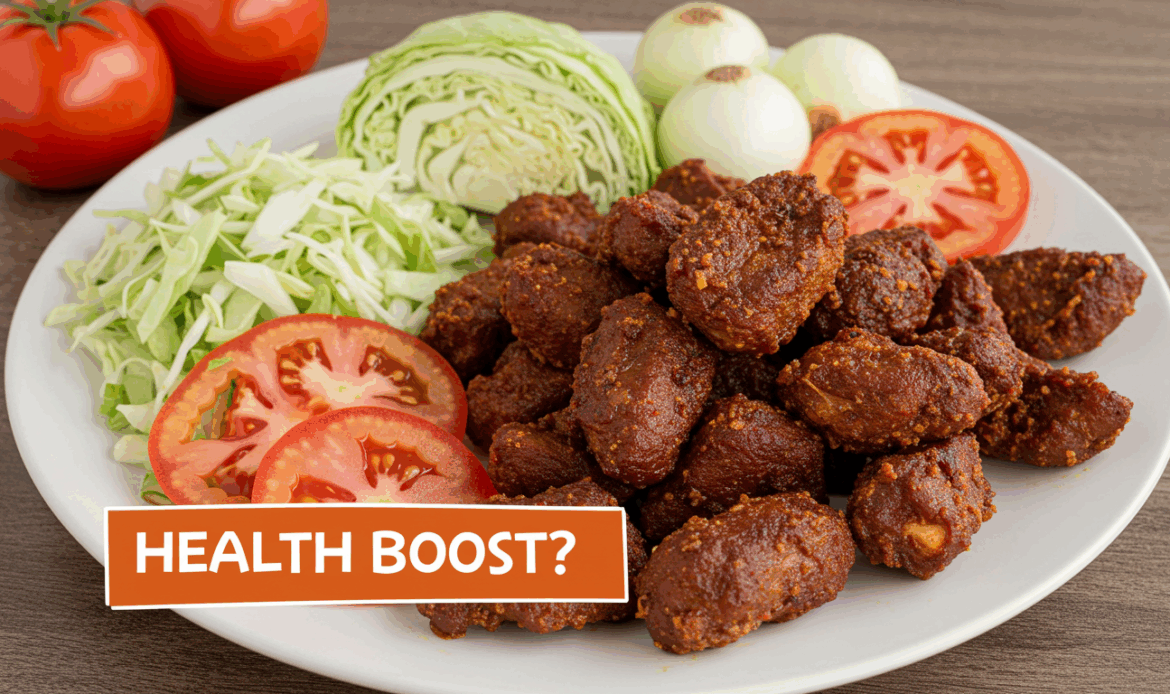
You know that generous heap of raw onions, tomatoes, and cabbage that often comes with suya? It might be doing more than just cooling your mouth—it could actually be helping your health.
Some nutritionists suggest that these fresh garnishes provide antioxidants and fiber, which may help neutralize some of the harmful compounds formed during grilling. Onions, for instance, contain quercetin—a plant compound known to fight inflammation and support detoxification.
But let’s be clear: garnishes are helpful, not magical. They don’t erase the risks of burnt meat or unhygienic prep, but they can balance things out a little when eaten alongside suya.
Read: 8 Foods That Naturally Cleanse and Detoxify Your Body
Smart Ways to Still Enjoy Suya
If this article has you side-eyeing your favourite suya spot, take a breath—we’re not saying you have to quit suya altogether. The goal isn’t to cancel culture, but to make smarter choices so you can enjoy it without gambling with your health.
First, let’s talk prep. If you ever try making suya at home (yes, you can!), consider marinating the meat in olive oil, lemon juice, garlic, or herbs. These ingredients not only add flavour but have been shown to reduce the formation of HCAs and PAHs during grilling.
Trim off visible fat before cooking to reduce smoke-producing drips. Cut the meat into smaller chunks so it cooks faster and more evenly. And always—always—avoid charring. If parts of the meat are blackened or burnt, slice them off before serving.
Even when buying from a vendor, look for one who cooks fresh, rotates the meat, and uses clean utensils. Don’t shy away from asking questions—you’re protecting your body.
Pair suya with a side of veggies, cucumbers, or even grilled plantains. And maybe… don’t eat it every night?
Bottom line: Suya can still be a vibe—just make it a smarter, safer one.
So… Is Suya Safe or Not?
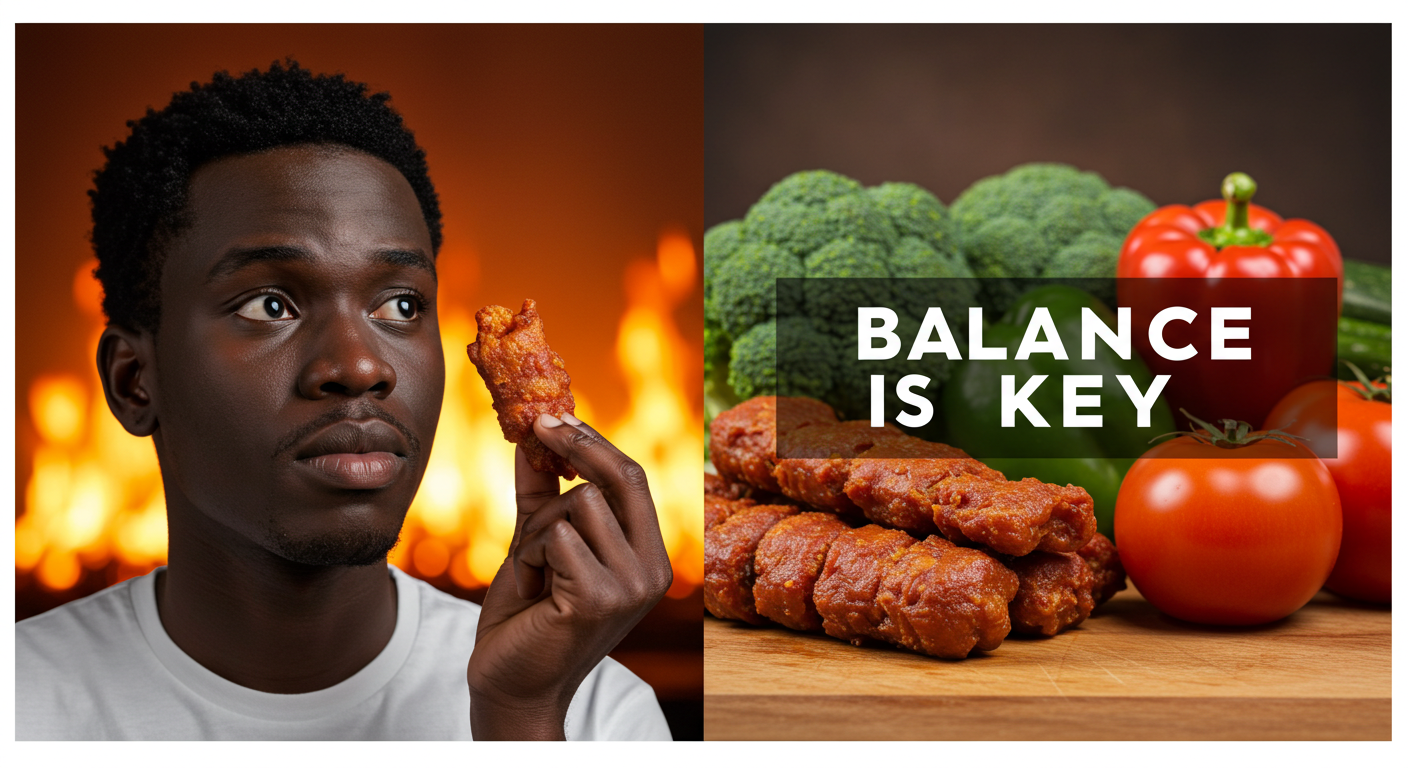
Here’s the honest answer: It depends.
Suya, like many beloved street foods, isn’t inherently evil, but how often you eat it, how it’s prepared, and where you buy it all matter. When grilled carelessly over open flames, using poor hygiene or cheap meat, it can pose real health risks—from digestive issues to long-term concerns like cancer. But when cooked thoughtfully, paired with veggies, and eaten occasionally, it’s less of a threat and more of a treat.
So no, you don’t have to quit suya. You just need to be smarter about it. Because even street food deserves a little health-conscious love.