
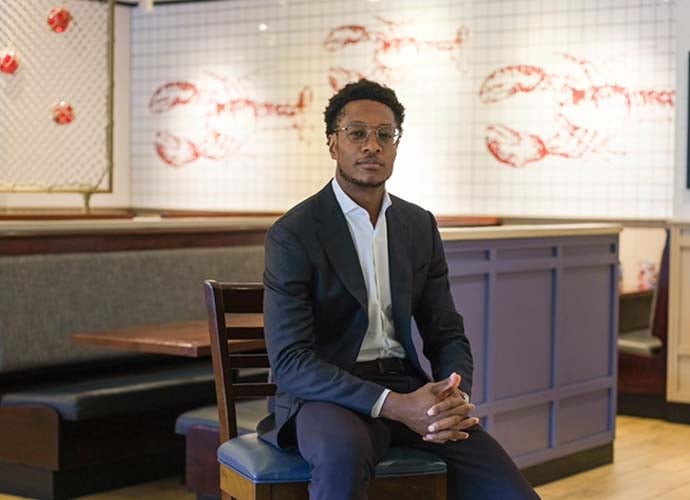
In May 2024, Red Lobster filed for Chapter 11 bankruptcy. Its once-booming seafood chain was bleeding from over $1 billion in debt, shuttering nearly a hundred stores across North America. The brand that introduced millions to Cheddar Bay Biscuits and affordable lobster dinners was now a case study in corporate collapse. Analysts saw a legacy dying. But Fortress Investment Group saw an opening—and called in Damola Adamolekun.
At just 35, the Nigerian-American executive had already built a reputation for resurrections. He revived P.F. Chang’s during the pandemic, turned it profitable, and exited on a high. Red Lobster wasn’t his first rescue mission. But this one felt different. Bigger. Riskier. More symbolic.
“Red Lobster was the first really successful casual dining brand at scale,” Damola later said. “It deserves a second act.”
Now, with $60 million in new capital and a plan to rebuild from the inside out, he’s writing the next chapter. Quietly. Strategically. Intentionally.
The Early Chapters: Global Childhood, Ivy League Hustle
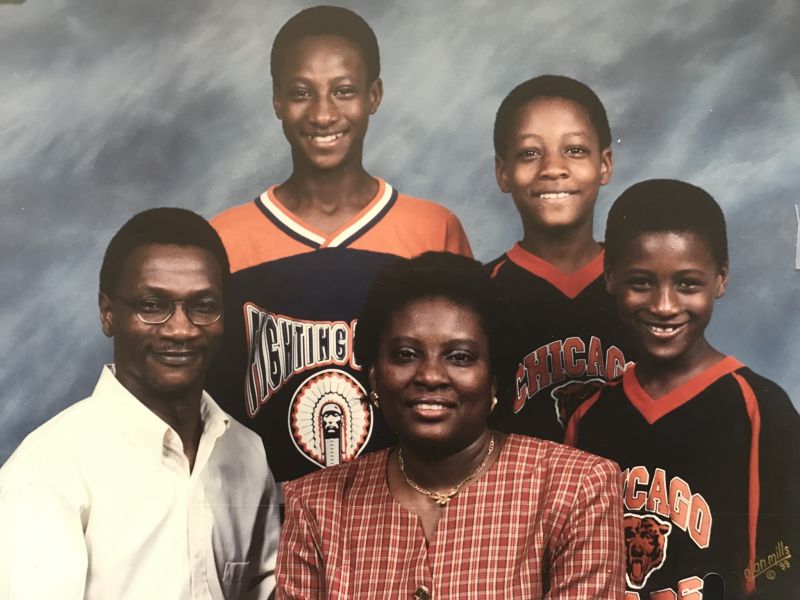
Damola Adamolekun’s story didn’t begin in boardrooms—it started in motion. Born in Nigeria in 1989 to a neurologist father and pharmacist mother, Damola’s early life spanned Zimbabwe, the Netherlands, and then the U.S., where his family eventually settled in Columbia, Maryland. That constant relocation sharpened his worldview and made adaptability his default.
By 16, he had already opened his first stock portfolio. Numbers fascinated him. Business intrigued him. And he chased both. At Brown University, he studied economics and political science, led the Ivy League school’s investment group, and suited up for its football team. Then came Harvard Business School, where he added an MBA to his credentials—and managed part of the HBS investment fund.
This wasn’t a kid chasing prestige; it was someone deliberately sharpening his toolkit. Wall Street was next. He landed at Goldman Sachs, then TPG. But Damola wasn’t just interested in deals—he wanted to operate. Build. Fix. So when the P.F. Chang’s opportunity emerged, he didn’t just analyze it. He pitched it. And changed his own life in the process.
Read: Red Lobster Appoints Damola Adamolekun as New CEO
Turning P.F. Chang’s into a Pandemic Powerhouse
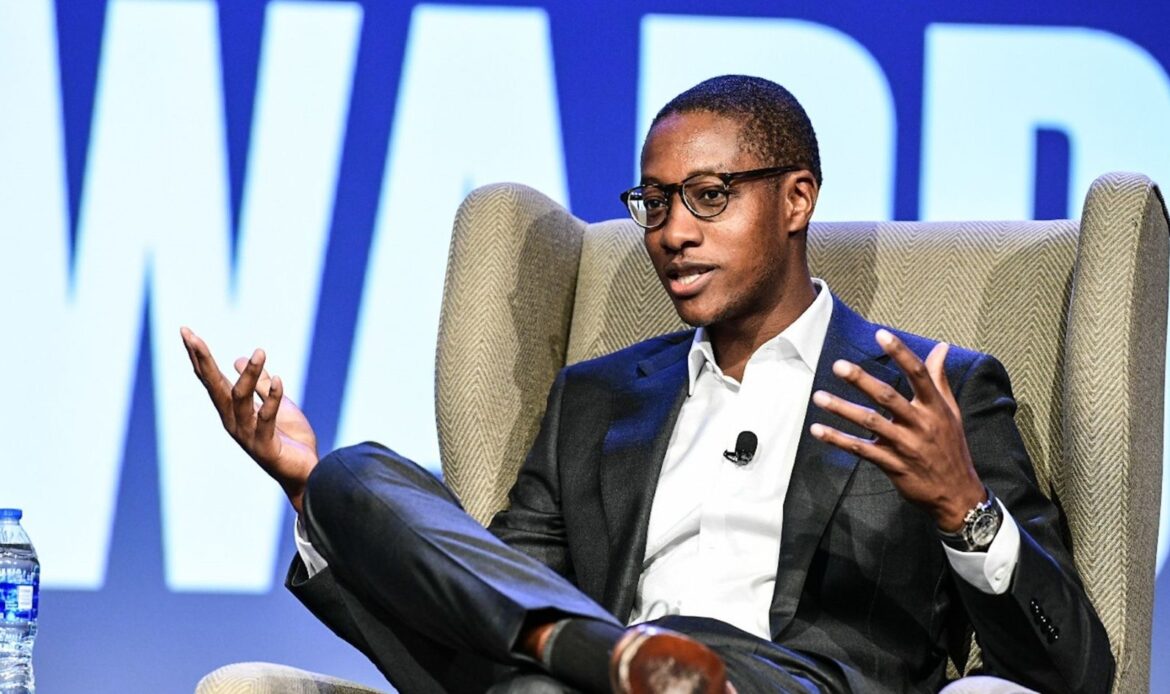
When Damola Adamolekun stepped into the CEO role at P.F. Chang’s in 2020, the world was shutting down. Restaurants were folding. Confidence was shrinking. But Damola had other plans. At just 31, he became the first Black CEO in the company’s history—and didn’t blink.
He launched P.F. Chang’s To Go, a delivery-first concept that would eventually reshape the brand’s identity. He doubled down on operational discipline and made data his co-pilot. While others panicked, Damola optimized. Within a year, sales had soared by 31.7%, and revenues hit $1 billion.
But it wasn’t just about numbers. Damola understood that people had deep emotional ties to brands like P.F. Chang’s. He leveraged nostalgia while modernizing menus and reimagining customer experiences. His leadership team? Half women and minorities—because talent, not titles or backgrounds, drove his decisions.
He left the company in 2023, not because he had to, but because he had done what he came to do: build a resilient business in a chaotic climate. And he wasn’t done yet.
Red Lobster’s Shipwreck Moment—and the New Captain
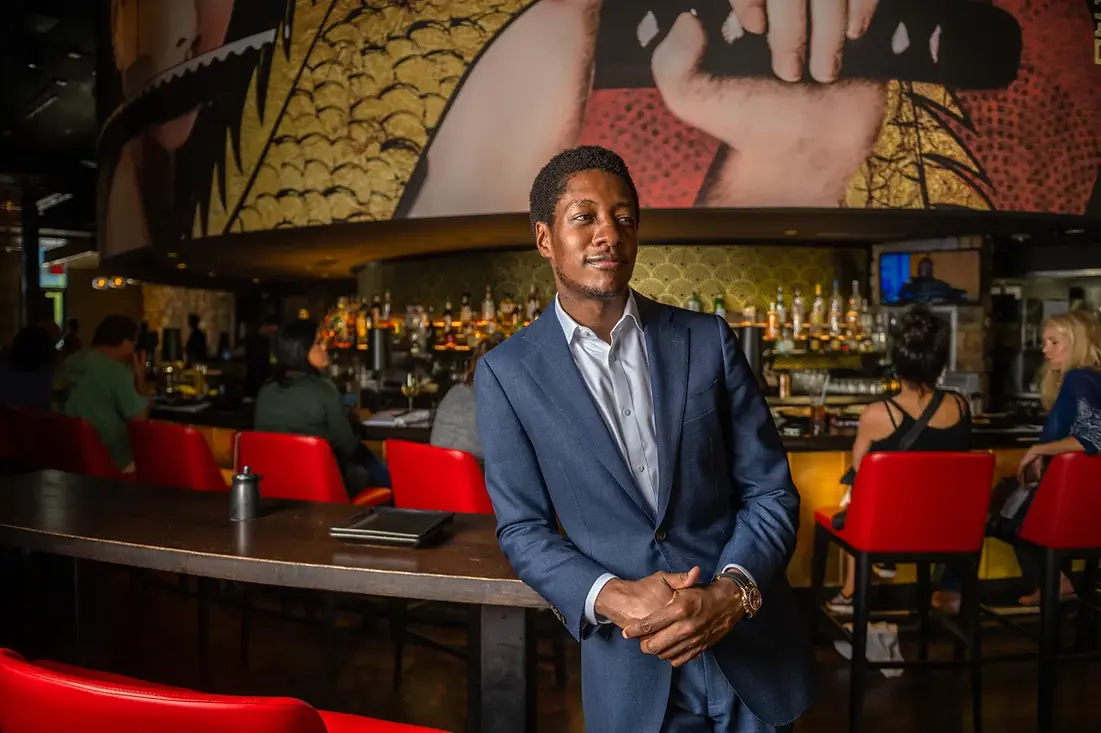
By 2024, Red Lobster had become a symbol of a restaurant empire adrift. With over $1 billion in debt, more than 90 locations shuttered, and its famed “Endless Shrimp” promo backfiring into financial chaos, the brand filed for Chapter 11 bankruptcy. The once-iconic American seafood chain was listing badly—and fast.
Enter Damola Adamolekun.
In August 2024, Fortress Investment Group tapped the then-35-year-old as the new CEO of Red Lobster Investor Holdings. The assignment was clear: rescue an American dining legend. Damola accepted. Not because the ship was sinking—but because he believed it could sail again.
He wasn’t interested in overhauls. He was interested in precision repair. “This brand has history,” he said. “It just needs a steady hand and a focused vision.” That vision? Incremental changes with maximum customer impact—improving menu quality, refining service models, and modernizing operations without losing the spirit of what made Red Lobster beloved.
With $60 million in new investment, 544 remaining stores, and Damola at the helm, Red Lobster now sails into a new chapter—leaner, smarter, and hungry for relevance.
Read: 3 African Creatives Turning Waste Into Something Creative
How Damola Builds Diverse Teams
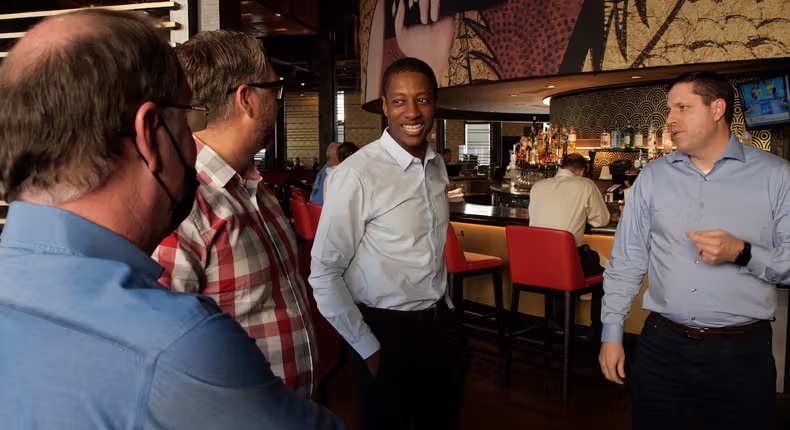
Damola Adamolekun doesn’t shout about diversity—he builds it into the bones of his executive teams. At P.F. Chang’s, half of his leadership team were women and minorities. And that wasn’t a checkbox exercise. It was a values-based decision rooted in performance, not PR optics.
“I don’t care what you look like,” Damola has said. “I care if you’re the best for the role.” But he also understands how bias—conscious or not—can obscure true potential. That’s why his approach to hiring emphasizes performance, objectivity, and access. Take away bias, focus on results, and the best rise—naturally and equitably.
In an industry where Black CEOs remain rare, Damola’s presence is powerful. But his influence is more than symbolic. It’s structural. By setting the bar high and clearing paths for others, he’s quietly shifting what leadership looks like in the food and beverage industry.
His teams reflect excellence, not just inclusion. And in doing so, they reflect the future of leadership—not just the present.
Where He’s Taking Red Lobster — And the Bigger Message Behind It
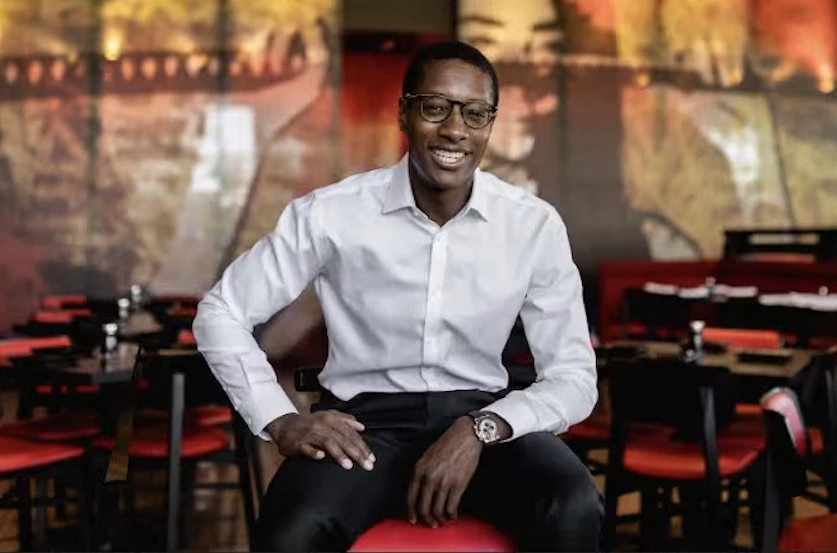
When Damola Adamolekun took the reins at Red Lobster, the brand was floundering. Once a household name, it had filed for bankruptcy, shuttered nearly 100 restaurants, and racked up over $1 billion in debt. But Damola didn’t flinch. Instead, he saw what many didn’t: a legacy worth reviving.
Backed by Fortress Investment Group and over $60 million in fresh capital, he’s now leading a calculated comeback—not with flashy stunts, but with smart, incremental change. “We’re not trying to reinvent Red Lobster,” he explained. “We’re restoring it.”
That restoration isn’t just financial. It’s cultural. Damola understands how emotionally tied Americans are to legacy brands. His mission is to modernize Red Lobster while preserving the familiarity people love—upgrading operations, sharpening execution, and reminding diners why the chain mattered in the first place.
More than anything, he’s proving that young, Black leadership can do more than survive in corporate America—it can rebuild icons. Quietly. Strategically. And with vision.