
Lagos doesn’t move, it sprints. The city is always up before dawn. You can always hear the rumble of danfos, horns blaring, footsteps hurrying to beat the day. On the Third Mainland Bridge, buses race each other for numerous reasons. In backstreets, boys set up goalposts with slippers and turn empty spaces into football pitches. The city is always on the move.
And in that constant motion, sport is never far away. It’s not just recreation, it’s identity and survival. In barbershops, arguments over Messi and Ronaldo are louder than the clippers. In viewing centers, a Premier League goal can make strangers jump and hug like family. On sandy fields, kids in oversized jerseys chase dreams with worn-out balls and bare feet.bTo tell the story of sport in Lagos is to tell the story of Nigeria’s busiest city itself.
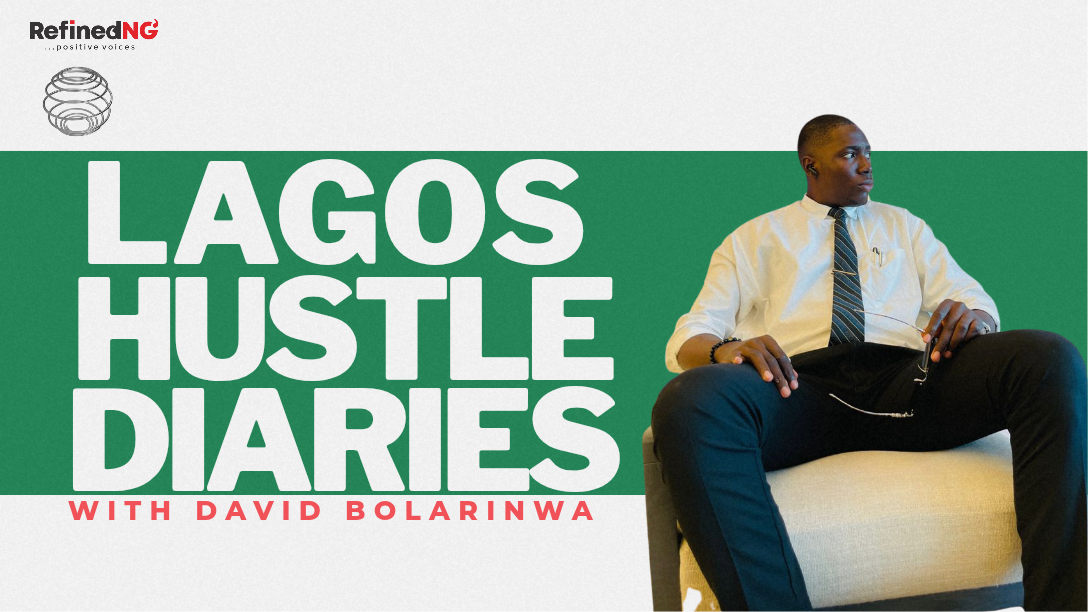
Today on Lagos Hustle Diaries, we sit with David Bolarinwa, better known as DunsinSports. A CAF-accredited journalist, David works with The Nation, runs social media for Sporting Life, writes on Web3 and NFTs, and, as a Barcelona fan, never misses a chance to talk football.
For him, Lagos isn’t just background. It’s the playing field. Every whistle, every roar, every dusty pitch is another story worth telling.
1. So David, let’s begin with you. How did you actually find your way into sports journalism? Was it something you planned, or did it just happen?
Honestly, it’s passion that brought me here. From as early as I can remember, sports wasn’t just entertainment, it was life happening around me. Growing up in a family where football is next after the news, in a community where you see boys in different sections playing, you can’t escape football, the noise of viewing centers, or even the energy of kids creating their own tournaments.
I realized early on that beyond the games, there were stories that needed to be told—stories of resilience, hope, and identity. That curiosity grew into journalism, and here I am, almost a decade in, still telling those stories.
2. And once that passion turned into your daily hustle, what does a typical Lagos morning look like before the stories begin?
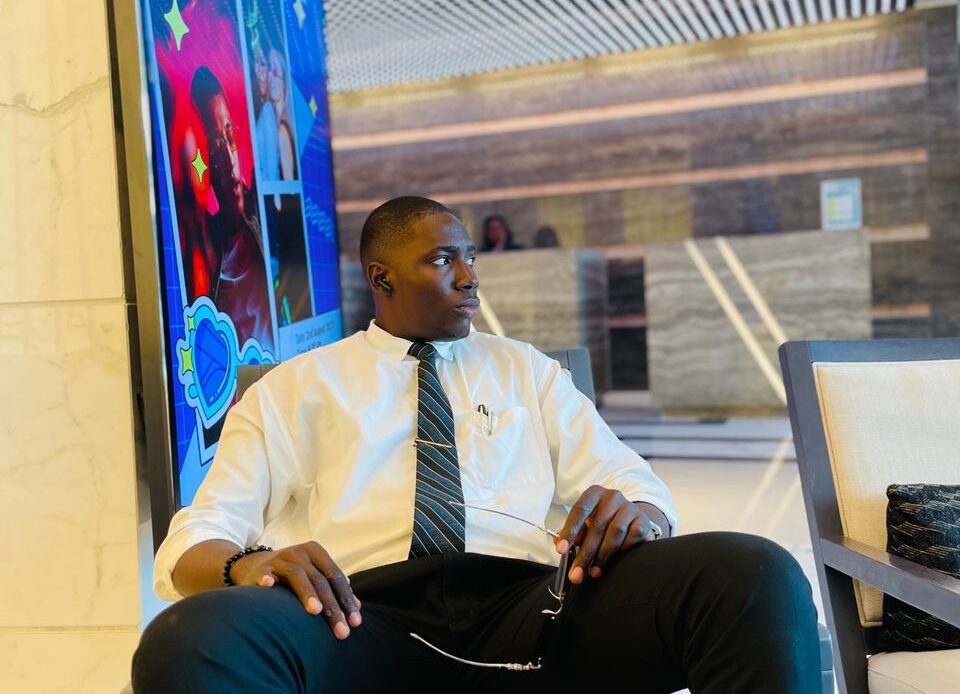
A Lagos morning for me starts with noise—horns, danfos, sometimes my alarm can’t even compete. I try to ground myself with a quick devotion, maybe scroll through headlines, and then it’s straight into the grind. Calls from editors, planning logistics for the day, and if there’s traffic, I’m already working from the backseat of an Uber or danfo.
3. That’s Lagos for you, always loud, always moving. But at the same time, the city feels like a story on its own. How much of Lagos itself feeds into your work?
Lagos is my biggest muse. The city itself feels like a competition. Everyone’s chasing something. That energy reflects in the way I write. When I see boys playing barefoot football in dust, or people arguing passionately about sports in a barber’s shop, I’m reminded why these stories matter. Lagos turns sports into culture, into hustle, into survival, and that’s what inspires me.
Read: Gen Z vs. Millennials – Misunderstood OR Misrepresented?
4. Of course, inspiration is one side of Lagos. The other side? The part every Lagosian dreads: traffic. Chasing these stories also means chasing Lagos traffic. What’s your most unforgettable “sports plus traffic” experience?
I had to cover a football event at Onikan Stadium. I stay on the mainland and I left my house 2hours before time, thinking I would be more than early. Ngl, it was like my village people were after me that day. I didn’t get to the stadium until the second half.
5. That sounds like Lagos plotting against you. But beyond the delays, your job means covering people’s dreams. Has there been a story of an athlete or fan that really stayed with you?
Hmmm, I recently interviewed a discus and shotput athlete, Kemi. She didn’t win gold, but her story of training without proper facilities, yet still making it to trials, stuck with me. It showed me how Nigerian athletes fight against odds most people don’t even see. Moments like that remind me why sports journalism in Lagos isn’t just about scores, it’s about human struggle and triumph.
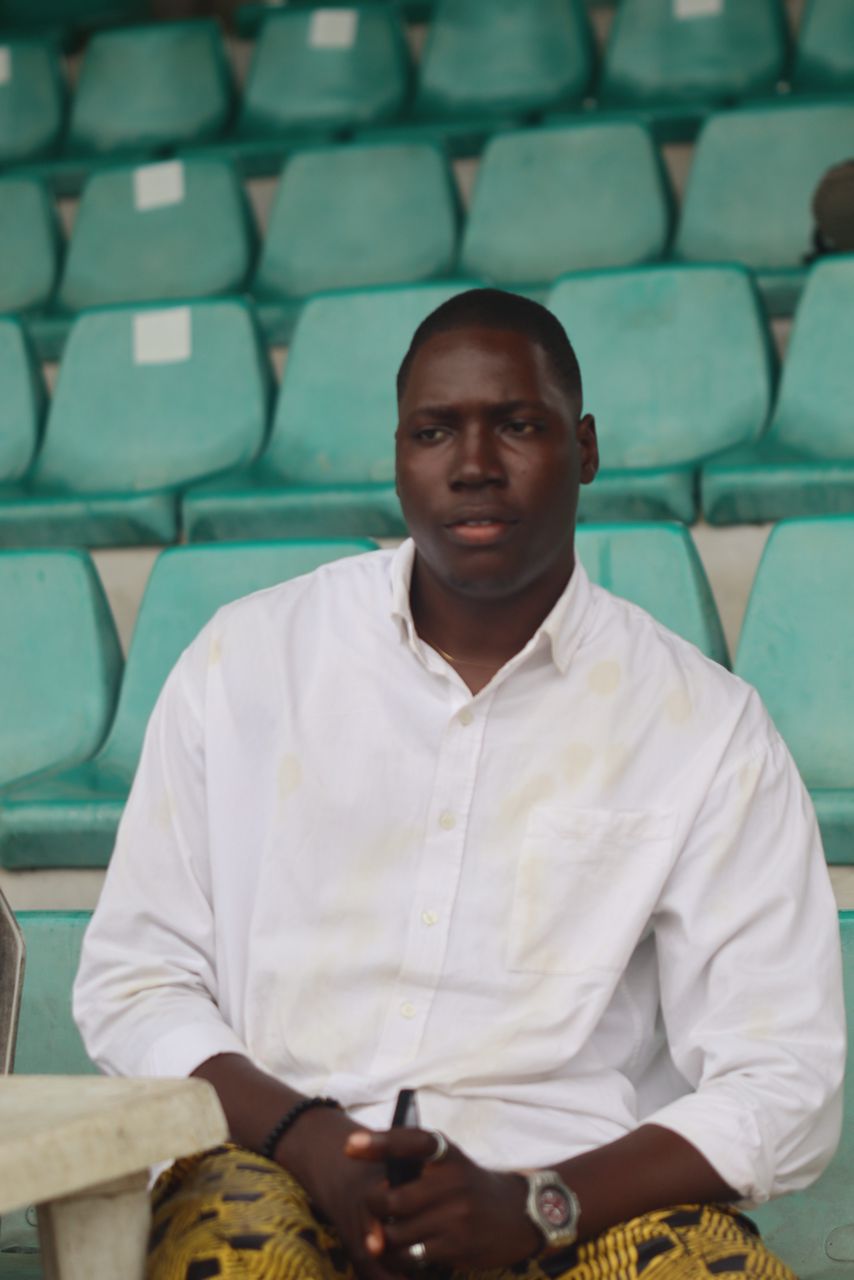
6. And that must be a lot to balance, because the city itself is already a hustle. But how do you keep up with deadlines, matches, and still navigate this “madness”?
It’s a mad balance, ngl, Lagos deadlines don’t wait, and sports has no pause button. I’ve learned to embrace the chaos, to see traffic as editing time, or to use waiting periods to draft leads. You can’t run away from the hustle, you just flow with it.
7. In between all that hustle, food must be a saving grace. What’s your go-to after a match or during long press days?
Suya has saved me more times than I can count. After late matches, Suya and a cold drink just reset me. In the press box, it’s usually gala, biscuits, and soda.
Read: From Your Room to the Runway – 5 Under 30 Owning Nigerian Fashion
8. And Lagos being Lagos, sports doesn’t sit alone. It bleeds into everything else. How do you see that crossover play out?
Sports in Lagos doesn’t stand alone—it dances with music, fashion, even slang. You see athletes wearing drip straight out of Balogun Market, or musicians dropping football punchlines, so it’s a blend, and it makes sports feel alive, not just as a game but as part of Lagos’ lifestyle.
9. If the Lagos hustle could take you anywhere in the world, what’s the one global sporting event you’d love to cover?
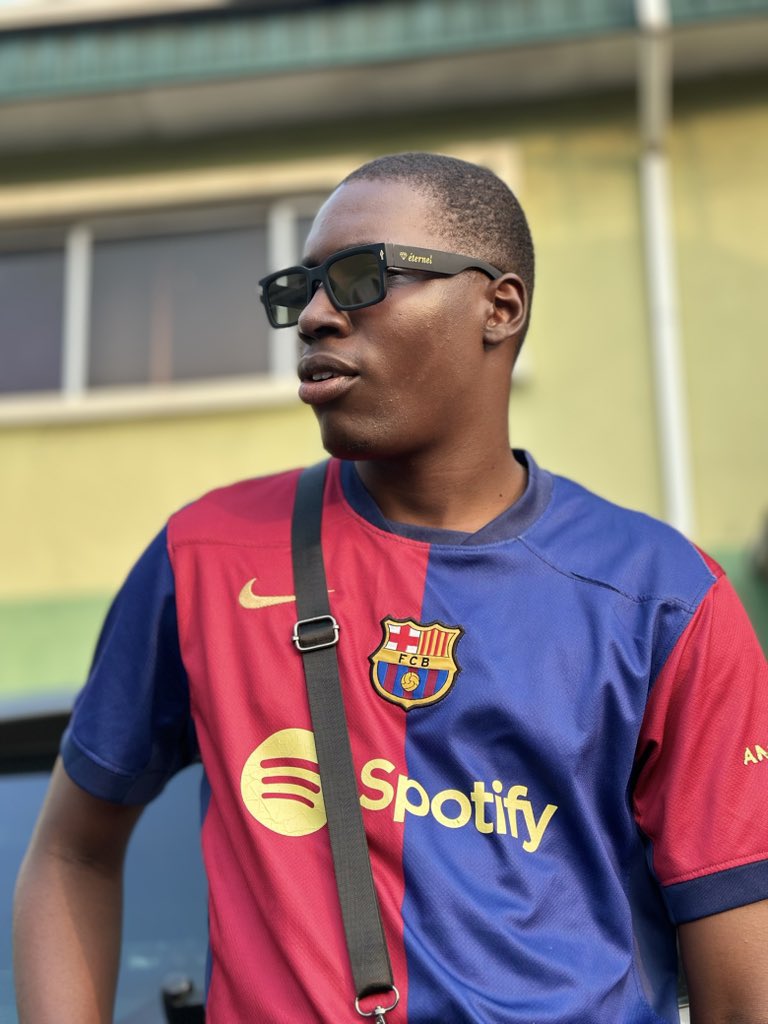
It has to be the FIFA World Cup final. To sit in the press box and write a Lagos-bred perspective on the world’s biggest sporting event would be a dream. Because at the end of the day, I’m carrying Lagos hustle to the world stage, and nothing beats that.
10. And finally, if you had to complete this sentence: “Lagos hustle is like…”
Lagos hustle is like extra time in a final—tough, intense, exhausting—but that’s also where the real champions are made.