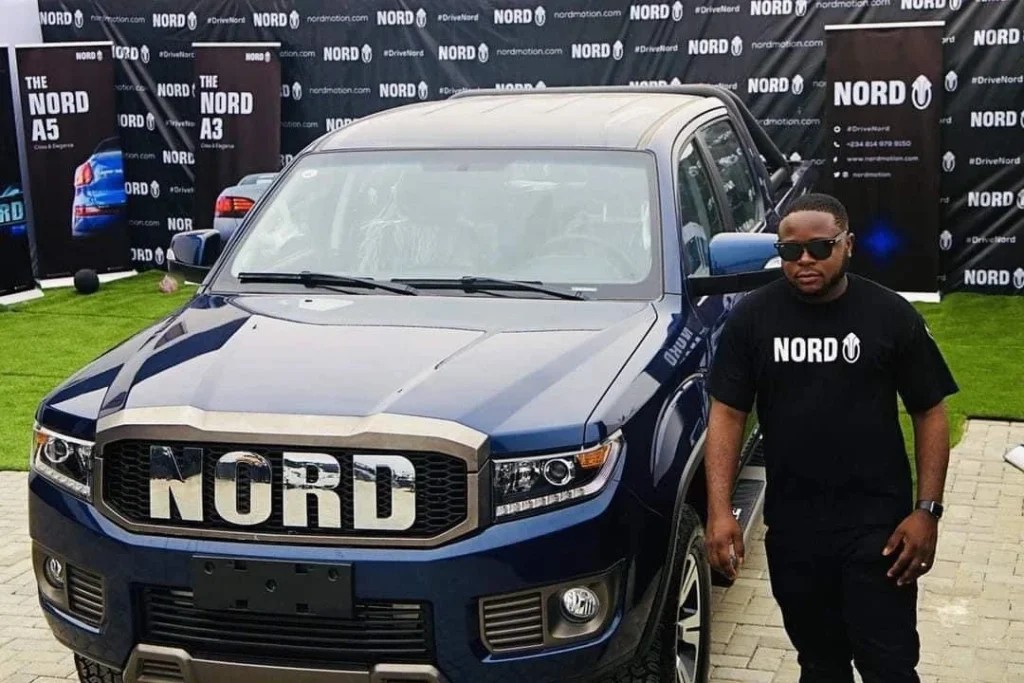
Oluwatobi Ajayi didn’t set out to make history. For years, he sold the world’s most prestigious vehicles in Nigeria, learning every corner, every detail, and every expectation of a demanding market. He started at Mercedes-Benz, first as a National Youth Service Corps member and quickly rose to manage the van division. He didn’t just sell cars, he studied systems, pricing, consumer behaviour, and supply chains. Every report, every sales figure, every customer complaint was a lesson.
Yet, while achieving milestones others would kill for, he noticed a recurring frustration that gnawed at him quietly. Nigeria was consuming global excellence, buying luxury, reliability, and engineering brilliance, but it wasn’t producing its own. Factory visits to Europe and Asia confirmed that Nigerians were spectators in an industry that could be theirs.
The idea hit him hard: if he could build systems, manage teams, and deliver results for foreign brands, why not build something that Nigerians could call their own? That thought planted the seed that would eventually grow into Nord Automobile, and from that moment, everything changed.
Education, Discipline, and Learning How Systems Work
Tobi’s story doesn’t start in the boardroom, but in classrooms filled with structure, repetition, and discipline. At Nigeria Navy School, he learned early that success favors preparation, routine, and accountability. Those principles carried through secondary school and university. When he studied Soil Sciences and Farm Mechanisation at Olabisi Onabanjo University, many questioned how his degree could ever connect to cars.
Tobi, however, saw education differently. He saw it as a toolkit: problem-solving, analytical thinking, project planning, and strategic foresight, rather than a narrow path to a job. Those six years honed his mind to assess complex systems, anticipate challenges, and understand processes in a way few could match. The discipline learned from structured schooling merged with curiosity, and by the time he joined Mercedes-Benz for his NYSC, he wasn’t just another graduate looking for a paycheque.
He understood how global automotive systems worked, how standards were maintained, and how small adjustments in process could yield massive results. Education didn’t just prepare him; it gave him leverage. It allowed him to observe, question, and eventually envision a way to do more than just manage existing systems. Education allowed him to think about building his own.
Read: The Part of Nissi Ogulu Most People Don’t Talk About
Winning at Mercedes-Benz, Then Asking an Uncomfortable Question
At Mercedes-Benz, Tobi’s performance wasn’t ordinary; it was exceptional. Retained after his NYSC, he was trusted with the van division, a segment that had struggled to gain traction in Nigeria. Within two years, he grew the market share from under 1% to 7% and won the Mercedes-Benz Best Sales Performance for Africa in 2013. Colleagues admired his tenacity, and managers trusted his judgment. But accolades weren’t enough.
Tobi noticed that the cars Nigerians were buying weren’t ours. The factories were abroad, the revenue left the country, and our engineers weren’t building world-class vehicles at home. Trips to factories in Europe and Asia crystallized a realization: imported vehicles could only take Nigeria so far. If he wanted to see real change, he would have to create it himself.
The lesson was clear: success in someone else’s system can teach you everything you need, but it can also make you realize the limits of that system. That moment of clarity shifted his trajectory. The question that had been whispering in the back of his mind became loud: If I can sell and manage these vehicles, why can’t we build our own?

Jetvan Was the Bridge, Nord Was the Destination
Leaving comfort behind, Tobi co-founded Jetvan Automobiles with a group of investors. The idea was simple: take what he had learned from Mercedes-Benz, combine it with local insight, and scale premium vehicles for the Nigerian market.
Jetvan allowed him to learn the intricacies of distribution, after-sales services, consumer pricing, and local production challenges. But the 2016 recession tested everything. Demand fell, import costs soared, and Nigerian consumers had limited access to capital. Tobi realized that no matter how efficiently he ran Jetvan, the real solution lay in local production. Imported vehicles were expensive, foreign currency-dependent, and kept Nigerian engineers and factories dormant. He wanted to break that cycle.
In April 2018, he left Jetvan to chase a bigger dream: a truly Nigerian automotive brand. Nord Automobile was born from years of observation, learning, and calculated risk. Tobi didn’t just want to assemble cars; he wanted to design vehicles with Nigerians in mind; durable, cost-efficient, reliable, and globally competitive.
The leap wasn’t easy, but it was deliberate. Every challenge Jetvan had exposed became a blueprint for Nord’s strategy, from sourcing components to building after-sales networks and winning consumer trust.
Building Nord in an Industry That Doesn’t Forgive Mistakes
Launching Nord Automobile was audacious. The automotive sector is unforgiving, capital-intensive, and deeply biased toward foreign brands. Yet, Tobi tackled each challenge head-on. He designed vehicles that could handle Nigeria’s roads while remaining affordable, offering options that included electric vehicles, CNG buses, SUVs, and sedans.
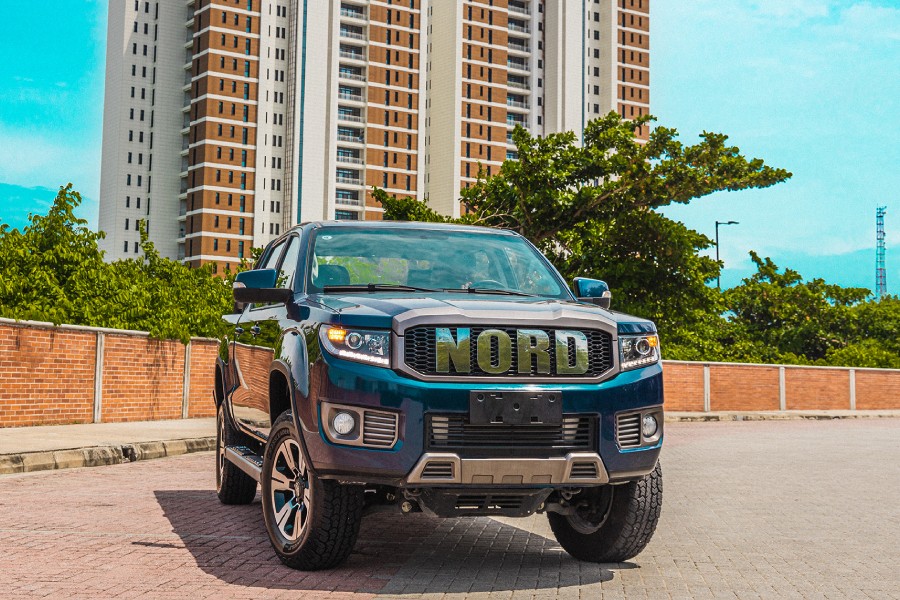
Nord’s first models weren’t just cars; they were statements that Nigerians could produce world-class vehicles that are elegant, functional, and accessible. The company grew rapidly, achieving a valuation of over ₦4.2 billion. Beyond numbers, Nord reshaped perceptions, proving that locally made does not mean inferior.
Tobi invested in Research & Development, built local assembly plants, and partnered with global technology firms, ensuring the vehicles matched international standards. Nord is more than a business; it’s a challenge to the old narrative that Nigeria is only a consumer market.
By creating jobs, retaining value locally, and fostering engineering expertise, Tobi is building industrial independence. Every car that leaves Nord’s factory is a reminder that vision, discipline, and education can overcome even the steepest barriers.
Read: Meet Ejiro Enaohwo and Why She’s Building Ginger
Why Oluwatobi Ajayi’s Story Matters Now

Oluwatobi Ajayi’s journey shows that education, focus, and relentless curiosity can create what others believe impossible. He demonstrates that Nigerian youth don’t have to settle for consumption; they can produce, innovate, and compete globally. Nord Automobile is proof that systems can be mastered, industries can be disrupted, and legacies can be built.
His story encourages a new generation to dream bigger, learn deeply, and act boldly. Tobi didn’t just sell cars; he reimagined what Nigeria can build, and in doing so, created a roadmap for others who refuse to accept limitations.
If stories like Tobi’s inspire you, dive deeper into more African success stories, entrepreneurial insights, and cultural breakthroughs on RefinedNG. Discover the people, ideas, and innovations shaping our continent today and find the inspiration to start your own journey. Read more, learn more, and get motivated at RefinedNG.