
If you spend time on TikTok in Nigeria, chances are you’ve scrolled past a bright, catchy ad for Miva University—a digital-first institution promising to rewrite what higher education can look like. Behind that promise stands Sim Shagaya, a man who has spent the better part of two decades reimagining how Africans shop, learn, and dream bigger.
From E-Motion’s billboards on Lagos streets to DealDey’s early e-commerce spark, from the bold ambition of Konga.com to the learning revolution of uLesson, Shagaya has never shied away from building things that seemed impossible at the time.
Today, with Miva University, he isn’t just launching another venture—he is tackling one of the continent’s toughest challenges: access to quality, affordable education. Shagaya’s story is one of resilience and relentless imagination, proving that African problems can, and must, be solved with African solutions.
From Zaria’s Drill Fields to Harvard’s Lecture Hall
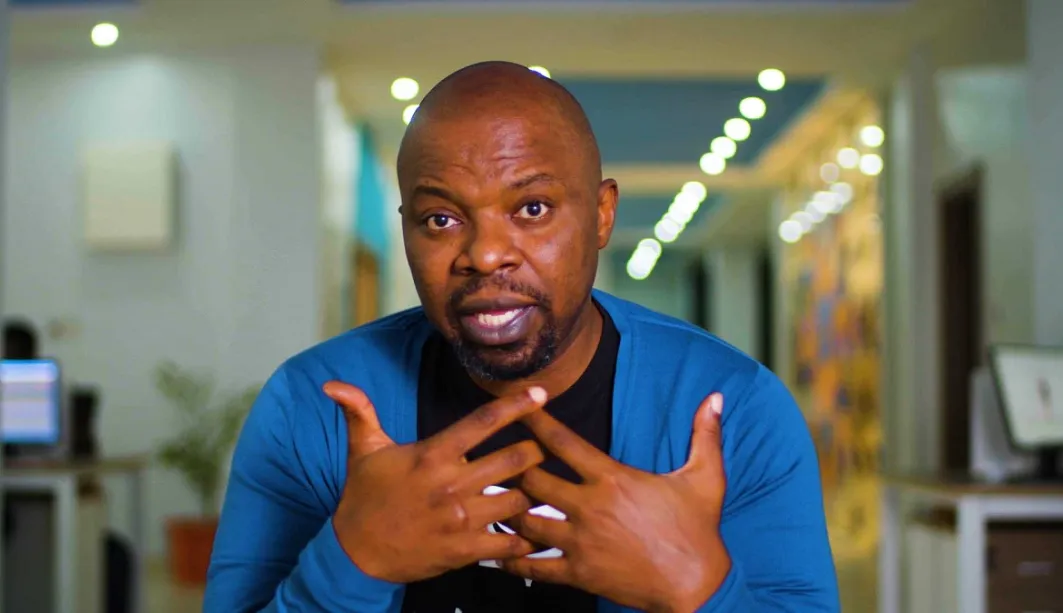
Before he became the face of some of Africa’s boldest startups, Sim Shagaya was just a boy growing up in Nigeria, shaped by a mix of structure, grit, and curiosity. His teenage years weren’t spent in typical classrooms—they were forged in the tough corridors of Nigerian Military School, Zaria, a place where discipline wasn’t optional, it was the air you breathed. Dawn drills, precision marches, and an emphasis on responsibility left an imprint that still echoes in his leadership style today.
But discipline alone doesn’t spark vision. After his stint with the Nigerian Army, Shagaya set his sights abroad. He studied at George Washington University, sharpening his understanding of engineering and systems. From there, he went on to Dartmouth College, diving deeper into the liberal arts and the global currents shaping economies. By the time he earned his MBA from Harvard Business School, he wasn’t just a Nigerian student abroad—he was a thinker absorbing how ideas, capital, and creativity could transform nations.
What makes Shagaya’s story compelling is how seamlessly he blended those two worlds: the rigidity of military training and the openness of world-class education. One taught him structure, perseverance, and accountability; the other expanded his imagination and sharpened his strategic mind. Together, they built the foundation for a man who could take on audacious challenges—from reinventing how Nigerians buy goods online to daring to reimagine education for millions of African learners.
Shagaya’s First Ventures and Lessons Learned
When Sim Shagaya first stepped into the labour market, it wasn’t as a startup founder—it was in the polished offices of Rand Merchant Bank in South Africa. Finance gave him the tools of analysis and numbers, but it wasn’t long before the pull of innovation took him further. At Google, where he became head for Africa, Shagaya had a front-row seat to the internet’s explosive growth and its possibilities for the continent. It was here he began asking a question that would define his career: what does technology mean for Africans, not just the rest of the world?
That question led him to a string of online experiments—Alarena, Jobclan, Gbogbo, iNollyWood. They were bold, creative, and… they failed. But rather than burying them, Shagaya wore those failures as badges. Each collapse was a lesson in timing, infrastructure, and consumer behavior. Each misstep toughened his resolve.
Then came E-Motion in 2005, and for the first time, things clicked. An outdoor advertising company, E-Motion painted Lagos with vibrant billboards and became a major player in Nigeria’s marketing landscape. Unlike his digital ventures, this was brick-and-mortar, highly visible, and impossible to ignore. It proved Shagaya could build something that stuck.
But if you look closely, the thread connecting all these ventures wasn’t just business—it was experimentation. Shagaya was rehearsing, testing the boundaries of what Nigerians wanted, what they would pay for, and how technology might eventually fit into their daily lives. By the time bigger ideas like DealDey and Konga emerged, he drew from a reservoir of lessons. In his world, he viewed failure not as the opposite of success, but as the fertilizer that nurtured it.
Read: 5 Trailblazing African Women Driving Change Across the Continent
DealDey & Konga.com: A Gamble That Paid Off
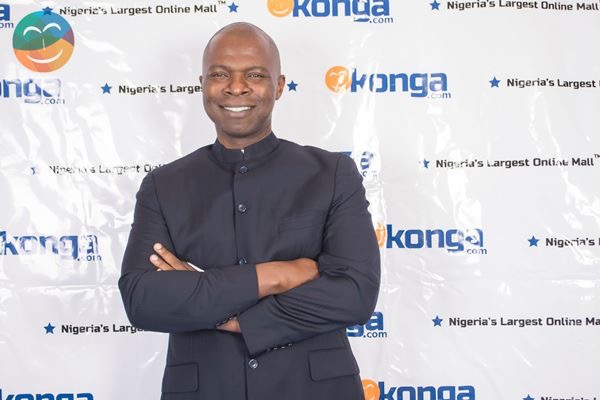
By 2011, Nigeria’s internet scene was buzzing with possibility, and Sim Shagaya was ready to test its limits. He launched DealDey, a Groupon-style platform that offered Nigerians daily discounts on everything from restaurant meals to spa treatments. It was playful, fresh, and addictive—an early taste of what digital commerce could feel like in Lagos. DealDey proved that Nigerians weren’t just online to chat; they were ready to spend.
But Shagaya wasn’t content with discounts. He wanted to tackle the bigger dream: building Africa’s own Amazon. In 2012, he founded Konga.com, an audacious attempt to digitize the chaotic world of Nigerian retail. It wasn’t just about selling goods; it was about rewriting how commerce itself functioned on the continent.
Konga faced monsters along the way—patchy infrastructure, broken payment systems, and last-mile delivery nightmares in cities where street names could vanish into thin air. Yet, under Shagaya, the company grew into one of West Africa’s largest e-commerce platforms, employing thousands and creating a logistics backbone that others would later build on.
Even after Konga changed hands, its legacy remained. It proved to the world that e-commerce in Africa wasn’t a pipe dream. And it positioned Nigeria firmly on the global tech map—thanks to Shagaya’s stubborn belief that the continent could build its own giants.
Building uLesson: A Classroom in Every Pocket
In 2019, while most Nigerian startups were setting up in Lagos, Sim Shagaya chose Jos—a quieter city on the Plateau—to launch something radical: uLesson. The idea was simple but powerful—give every African child access to the kind of quality lessons only a privileged few could afford. For Shagaya, education was the great equalizer, and technology was the tool.
uLesson started with a unique twist: pre-recorded lessons on dongles and SD cards, designed for families with patchy internet. As the platform grew, it added live classes, quizzes, and a full learning ecosystem that made science and math feel less intimidating. Then came the COVID-19 lockdown. While schools shut their doors, Shagaya’s team literally moved in together—living, eating, and working nonstop to crank out hundreds of hours of video content. It was a wartime startup spirit, and it paid off.
Investors noticed. A $3.1M seed round was followed by a $7.5M Series A, fueling expansion into Ghana, Sierra Leone, and Gambia. Along the way, uLesson pivoted—shifting from hardware-heavy kits to a leaner, mobile-first model that better matched Africa’s realities. By 2023, the company was not just surviving but financially sustainable—a rare badge in Africa’s edtech space. Millions of students across West Africa turned uLesson into more than an app. They carried a classroom in their pocket, kept a teacher always on call, and proved that world-class learning did not have to stay locked behind elite gates.
Miva Open University: Nigeria’s First Private Open University
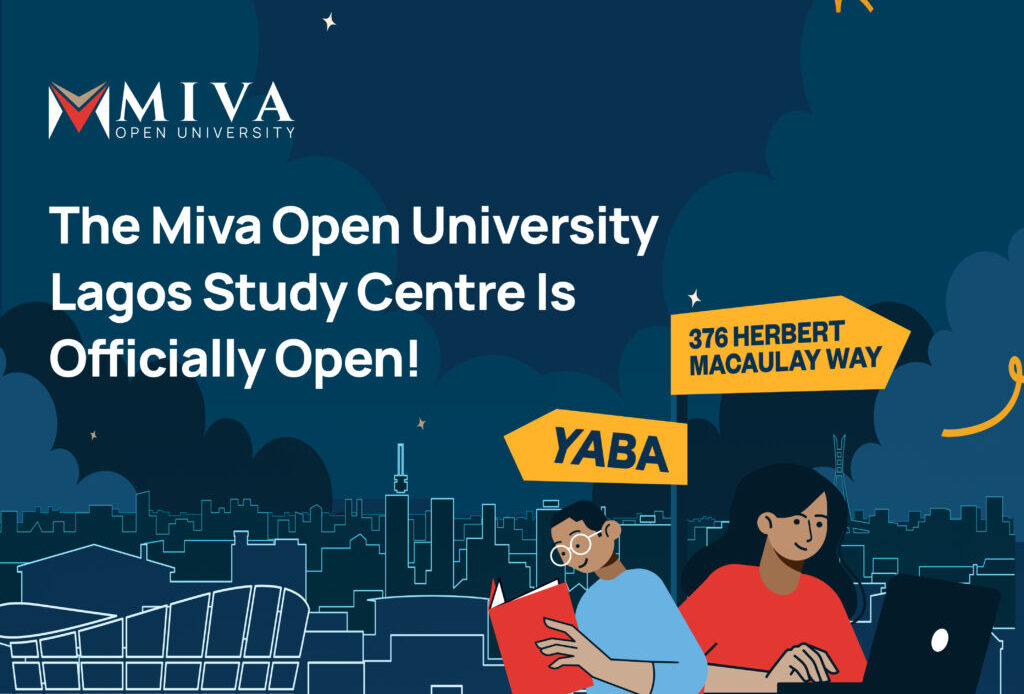
While running Konga back in 2014, Sim Shagaya kept turning over a question in his mind: if we can sell books and gadgets online, why can’t we deliver education the same way? That seed of an idea grew quietly until 2023, when it finally took root as Miva Open University, Nigeria’s first licensed private open university.
Winning accreditation from the National Universities Commission (NUC) wasn’t just a regulatory box checked—it was a signal that Nigeria was ready for a new model. With faculties in Computing, Management & Social Sciences, and Allied Health Sciences, Miva is built for scale, designed to reach students who might never set foot on a traditional campus.
The need couldn’t be more urgent: Nigerian universities admit fewer than half of qualified applicants each year, leaving millions stranded. Miva’s promise is to bridge that gap—delivering rigorous, affordable, and flexible learning to anyone with a smartphone and ambition. And the impact is already visible. Take Muneerat Shitta-Bey, a 15-year-old who found her path through Miva, proof that age, geography, or circumstance don’t have to limit learning.
For Shagaya, Miva isn’t just a university. It’s a blueprint—a pan-African model of what higher education can become when technology meets vision.
Read: Nigeria’s Bosun Tijani Named Among TIME100 AI Leaders
From Global Awards to Local Impact
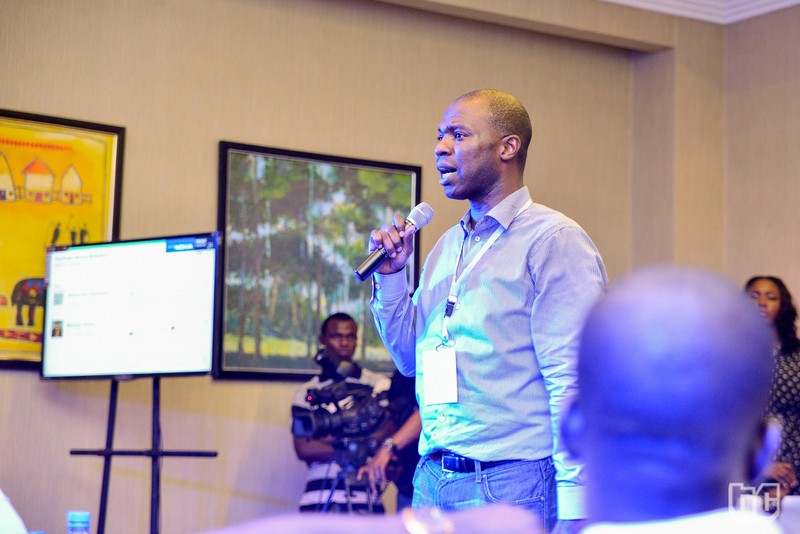
Over the years, Sim Shagaya has been celebrated as one of Africa’s boldest business leaders. In 2013, he was named CNBC Entrepreneur of the Year (West Africa), followed by Leadership CEO of the Year in 2014. That same year, Forbes listed him among the “10 Most Powerful Men in Africa”, a nod to his growing influence. In 2019, his expertise was tapped at home when he joined the Plateau State Economic Advisory Council. Beyond titles, Shagaya has earned a reputation as a clear, consistent voice on how technology can address systemic African challenges.
For Sim Shagaya, technology isn’t a luxury—it’s the equalizer Africa desperately needs. He has often said, “The traditional method of brick and mortar cannot address the demands of millions of Nigerians seeking education.” That conviction fuels his passion for tackling the three biggest hurdles in African learning: access, affordability, and quality.
In 2023, he stepped into a broader role as Group CEO of uLesson and Chancellor of Miva University, signaling a shift from founder to ecosystem builder. His vision is not limited to companies but to systems that outlive him—structures that enable millions of Africans to learn, grow, and thrive. More than the startups he has launched, Shagaya’s real legacy may be the inspiration he provides to a new generation of innovators—Africans daring to solve African problems with bold, scalable ideas.
A Legacy Still in Motion
From early failed websites to shaping the future of African education, the story of Sim Shagaya is one of resilience, innovation, and people-centered impact. He has built companies that changed how Africans shop, learn, and imagine possibility. But more importantly, he is building platforms that unlock potential for generations to come. His story isn’t finished—it’s still being written in classrooms, lecture halls, and on mobile screens across Africa.
Follow RefinedNG for more inspiring stories and updates. We’re your number one stop for all things positive.