The Aella story didn’t start with a flashy launch or a giant cheque. It began with a small microlending experiment in Lagos that tried to solve one simple problem: helping people access credit when banks refused to look their way.
Over time, that experiment grew into a digital finance platform serving millions, and in 2025, it entered a new chapter. The company raised $10 million from HQ Financial Group and rebranded as Aella Microfinance Bank, a move that strengthened its regulatory footing and expanded its ambitions. The shift signalled a bigger mission to rebuild credit access across Africa.
Here are a few things you probably didn’t know about Aella and the journey behind its rise.
1. They Started as a Simple Microlending Experiment in 2015
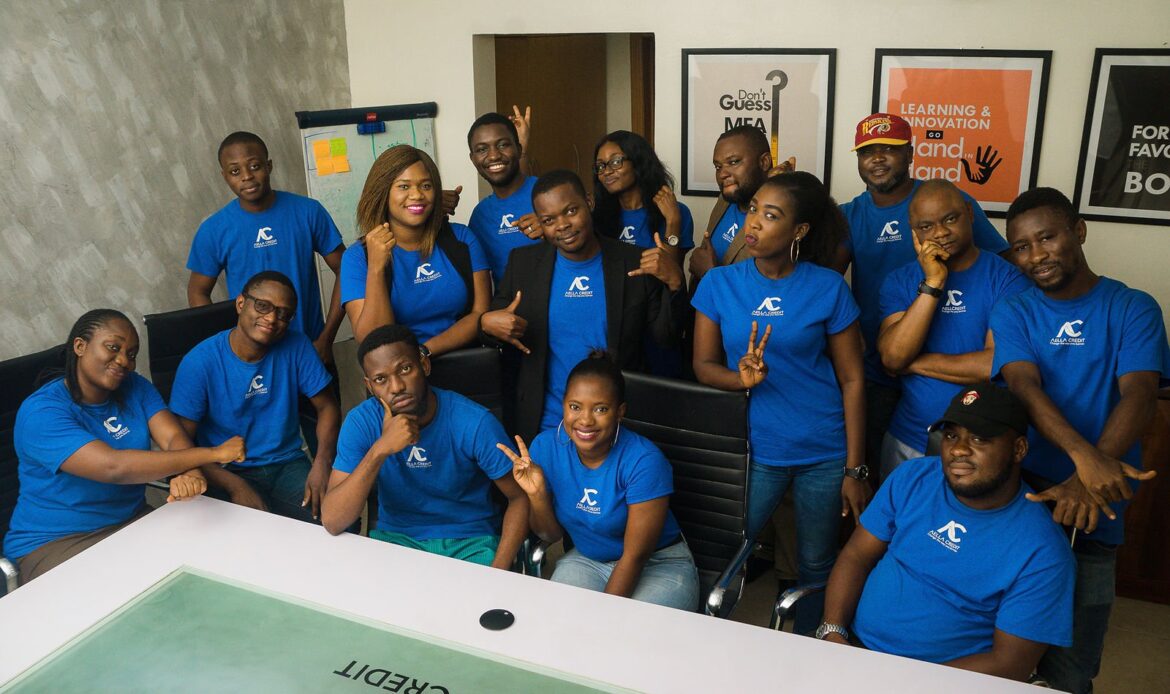
Aella began in 2015 as a modest experiment in Lagos, founded by Akin Jones and Akanbi Wale. Their goal was straightforward: provide credit to people overlooked by traditional banks. By leveraging Nigeria’s Bank Verification Number system, they created a digital platform that could quickly assess borrowers’ credibility and deliver small loans efficiently.
What started as a pilot for a handful of users soon revealed a larger opportunity. The founders realized that millions of underbanked individuals and small business owners needed reliable, fast access to financial services. This early vision set the tone for Aella’s approach: simple, trustworthy, and inclusive financial solutions designed to serve people who had previously been excluded from formal credit systems.
Read: The Inspiring Story Behind Mamamoni and Nkem Okocha
2. They Became the First African Lender Accepted Into Y Combinator
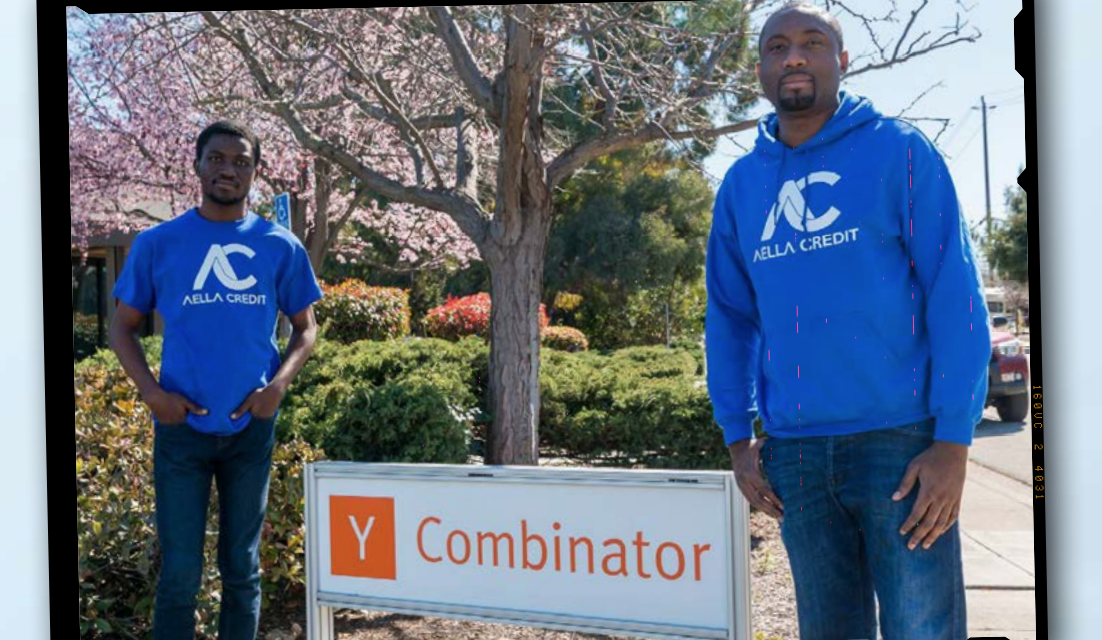
In 2017, Aella reached a major milestone by becoming the first African lender accepted into Y Combinator, the renowned US startup accelerator. This breakthrough provided more than funding; it offered mentorship, operational frameworks, and credibility that helped shape Aella into a scalable, disciplined fintech. The exposure to YC’s rigorous systems allowed the team to refine their product, strengthen their business model, and prepare for rapid growth.
Early investors, including Michael Seibel, Brian Armstrong, and 500 Startups, recognized the potential of a platform serving underbanked populations in emerging markets. This moment positioned Aella for accelerated expansion, proving that African fintechs could compete on a global stage.
3. Their Growth Numbers Look Unreal, But They’re Real
Aella’s growth over the last few years has been remarkable. The platform recorded a 674% increase in users and a 193% rise in revenue, reaching over 2 million active users while maintaining single-digit default rates. These figures are especially impressive in Nigeria’s challenging credit environment, where traditional banks often avoid small borrowers and financial risk is high.
The numbers reflect not just market demand but Aella’s disciplined lending approach, robust risk management, and technology-driven decision-making. By scaling responsibly, Aella has proven that serving the underbanked can be both profitable and sustainable.
4. The $10 Million HQF Deal Didn’t Just Fund Aella, It Validated Them
Earlier this year, Aella secured a $10 million debt financing round from Singapore-based HQ Financial Group, marking a pivotal moment in its journey. The investment signaled external validation of Aella’s disciplined operations, low default rates, and ability to serve a massive, underserved market. HQF’s backing goes beyond capital; it reflects confidence in Aella’s model and growth trajectory.
The company plans to use the funds to deepen its lending operations, expand payment services, and strengthen its technology infrastructure. This deal positions Aella to scale faster, reach more users across Africa, and solidify its role as a leading fintech for financial inclusion.
5. Aella Is Quietly Building Africa’s Largest Blockchain-Backed Lending Infrastructure
Aella is taking a bold step into blockchain with its Creditcoin initiative, aiming to create Africa’s largest blockchain-backed lending system. This technology allows the platform to securely record credit histories, increase transparency, and build trust among users who have traditionally lacked access to formal financial services. For millions of unbanked consumers, blockchain offers a verifiable way to demonstrate creditworthiness and access better loan terms.
Aella’s ambition is to onboard one million blockchain users, a milestone unprecedented in the region. By combining fintech expertise with distributed ledger technology, Aella is setting the stage for a new era of inclusive, secure, and transparent lending across emerging markets.
Read: Meet Sim Shagaya: The Entrepreneur Who Became a Chancellor
6. The Rebrand to Aella Microfinance Bank Signals a New Era
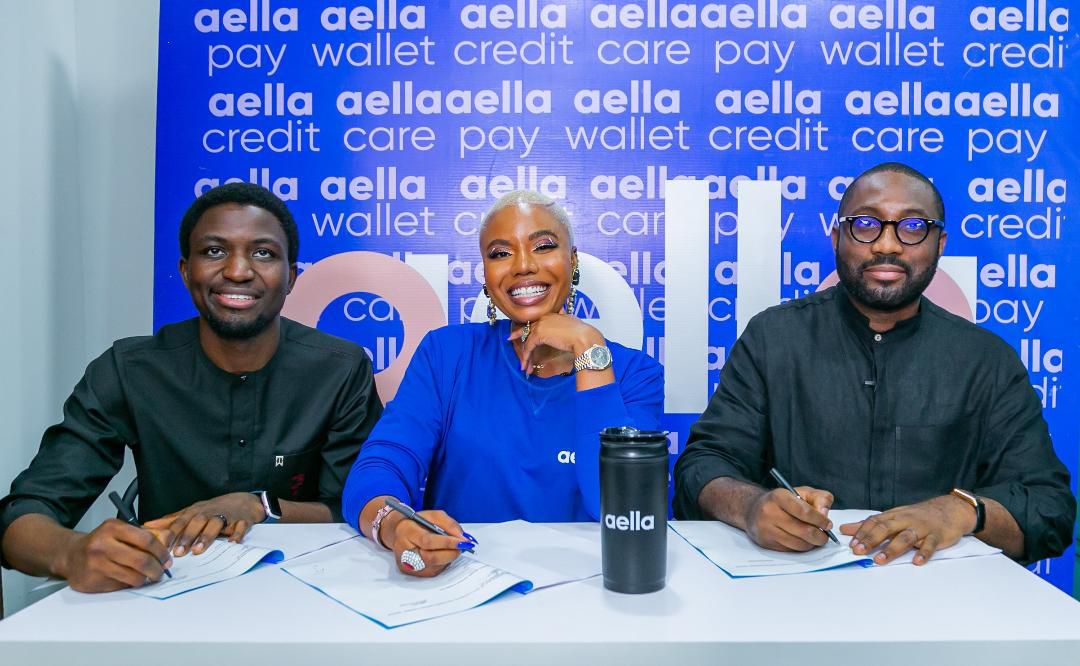
Back in 2024, Aella Credit officially became Aella Microfinance Bank following the acquisition of Flourish MFB, a move that strengthened its regulatory standing and expanded its product offerings. This strategic rebrand was more than cosmetic; it allowed Aella to operate as a fully licensed bank while maintaining its commitment to financial inclusion.
The evolution transformed the platform from a lending-focused service into a complete digital ecosystem, offering cards, payments, business banking, and automated savings through Vault. By combining regulatory compliance with innovative products, Aella can provide safer, more convenient, and accessible financial services, positioning itself as a trusted partner for millions of underbanked users across Africa.
Why Aella’s Story Matters
Aella’s journey shows how a small microlending app can grow into a full-fledged digital bank shaping Africa’s financial landscape. The milestone early this year, securing $10 million in funding, rebranding as Aella Microfinance Bank, and expanding its services, marks a pivotal point in its evolution.
Beyond numbers and technology, Aella’s impact is human: giving millions of underbanked individuals access to credit, payments, and secure financial tools. Its story is a reminder that innovation paired with purpose can transform everyday lives.
Follow RefinedNG for more spotlight features on African innovators who are rewriting industries and empowering communities across the continent.