
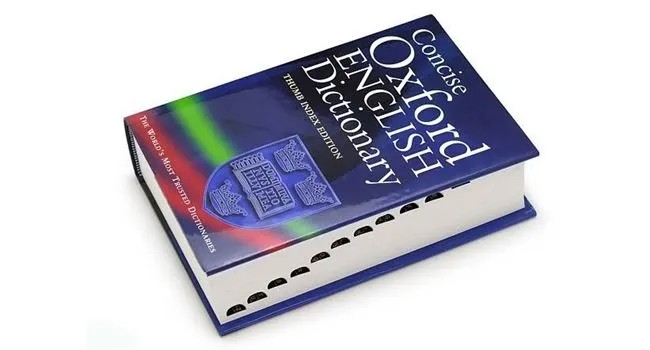
The Oxford English Dictionary (OED) has once again showcased the growing influence of African languages on global English. In its latest update, released in December 2025 and rolled into 2026, the dictionary added more than 500 new words, phrases, and senses, alongside updates to over 1,000 existing entries. Among these, a vibrant selection of Nigerian, Ghanaian, and West African expressions now officially sit alongside the likes of “selfie” and “emoji,” highlighting the global rise of African culture, food, music, and everyday life.
Announced on Wednesday via X, the update features words drawn from markets, pop culture, music, and cuisine, reflecting how African English is shaping the way the world communicates. Catherine Sangster, OED’s Head of Pronunciations, emphasized the significance of the update:
“This update introduces a new model for Maltese English pronunciations the nineteenth World English pronunciation model in our collection and marks a decade of including spoken pronunciations across the dictionary. West African English entries now have new audio guides to help anyone worldwide pronounce them correctly.”
Read: Olugbemisola Odusote Becomes First Female DG of Nigerian Law School
From Streets to the Page: Nigerian Words Join Global English
Among the new entries from Nigeria, “abeg” stands out, defined as an interjection or adverb used to express surprise, disbelief, or exasperation. Its Igbo counterpart, “biko”, carries a similar sense of polite pleading. These words, rooted in everyday conversations and online discourse, have traveled far beyond Nigerian borders, appearing in social media, music, and memes.
Food also takes center stage. “Amala”, a dough made from yam, cassava, or unripe plantain flour, now has its rightful place in English, celebrated as a culinary staple of Yoruba cuisine. Similarly, “moi moi”, a steamed bean pudding, captures the ingenuity and flavor of West African kitchens.
Markets and community spaces are represented too. “Mammy market”, a term for bustling, predominantly female-run markets often linked to military camps or youth service institutions, evokes lively scenes of trade, resilience, and social connection.
Even music gets its moment. “Afrobeats”, the globally popular genre blending jazz, highlife, funk, and West African rhythms, now sits in the OED’s pages alongside classical music genres, cementing its worldwide cultural impact.
Ghanaian Words and Expressions Enrich English
Ghanaian entries add even more rhythm and flavor. Traditional dance styles such as “Adowa” and “Kpanlogo” capture the expressive, energetic movements of Ghanaian celebrations, while “Hiplife”, a musical genre fusing hip-hop and highlife, reflects the dynamic evolution of modern African music.Cuisine also shines. “Ampesi”, a boiled tuber dish often served with stew, and “light soup”, a spicy, tomato-based soup, now have formal recognition. Expressions like “Abrokyire”, meaning foreign or overseas countries, and “Obroni”, referring to foreigners, illustrate how language captures cultural experience and migration history.Even quirky, everyday objects have made it: “Ghana Must Go” bags, iconic for their colorful checkered pattern, tell stories of migration, resilience, and practical ingenuity across West Africa.
Read: Wizkid Becomes First African Artist to Cross 10 Billion Spotify Streams
Why This Matters
The inclusion of these words is more than a linguistic update; it’s a celebration of African cultural influence. English is evolving, and the OED’s recognition signals that Nigerian, Ghanaian, and broader West African expressions now hold a rightful place on the world stage. For those in the diaspora and enthusiasts of African culture, seeing familiar words formally recognized is a source of pride and validation.
However, this also invites reflection. As these words cross borders, there is a risk of cultural appropriation—using expressions without understanding their meaning or context. But when embraced responsibly, it becomes a bridge that connects cultures, enriches communication, and celebrates diversity.
A Global Conversation
This expansion follows earlier updates that added terms like “japa”, “danfo”, “okada”, and “suya”, illustrating Nigeria’s street life, cuisine, and urban culture. With over 250 languages in Nigeria alone, and a growing diaspora, these words have become part of global English, amplified by Nollywood, Afrobeats, and social media trends.
The 2026 update demonstrates that African English is no longer just a local phenomenon—it’s a global force, shaping how people across the world talk, eat, dance, and express themselves.
For anyone curious to explore the full list of West African words now included in the OED and hear the pronunciations recorded by regional linguists, visit OED online. Discover the sounds, meanings, and stories behind the words that are taking English in a new, flavorful direction.
Stay ahead of the story and discover more about Africa’s growing influence on global culture, language, and trends. Visit RefinedNG now for in-depth updates, insightful stories, and exclusive features celebrating Africa’s voice on the world stage. Don’t just read the news—experience it.