
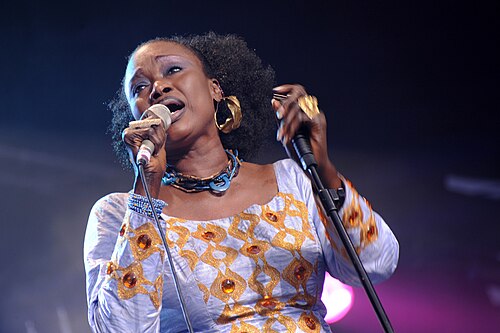
If you’re even mildly active on social media, chances are you’ve stumbled upon a video soundtracked by a soulful, hypnotic voice singing “Kun Fe Ko.” Maybe it was a TikTok skit, a meme on Instagram, or one of those “Emi ni data” parodies that seemed to multiply overnight. What many didn’t realize was that the voice behind the viral sound wasn’t Nigerian. It belonged to Oumou Sangaré, a Grammy-winning legend from Mali whose music has been echoing across Africa for over three decades.
Originally released in 1996, Kun Fe Ko (“The Uncertainty of Things” in Bambara) found new life nearly 30 years later when Nigerian creators began humorously interpreting the lyrics in Yoruba from “Ko’n fe kun” (“It’s not worth crying over”) to “Emi ni data” (“I don’t have data”). The trend quickly turned into a cultural exchange of laughter and rhythm, bridging two West African nations through the power of sound and shared humor.
But behind the parodies and melody lies something deeper; a woman who has spent her life singing truth to power, long before hashtags and viral trends ever existed.
The Songbird of Wassoulou
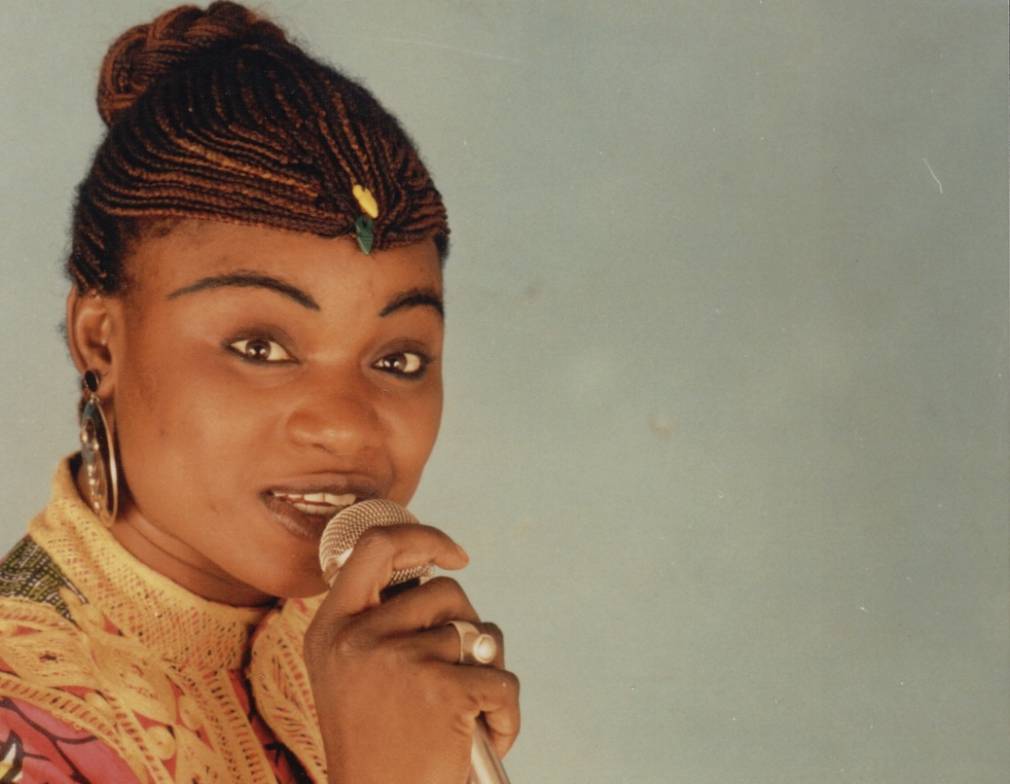
Long before TikTok discovered her, Oumou Sangaré established herself as a living legend and became Mali’s most powerful female voice, embodying the heartbeat of an entire musical heritage. Around the world, she is celebrated as “The Songbird of Wassoulou”, a title that carries the weight of history, pride, and womanhood.
Wassoulou is more than a place. It’s a region in southern Mali, stretching across the borders of Guinea and Côte d’Ivoire, where music isn’t just performed; it’s lived. Rooted in the songs of women and the deep rhythm of the calabash, Wassoulou music has always been a vehicle for storytelling, for passing on wisdom, and for challenging the world as it is. Oumou became its most famous messenger.
Her sound is earthy and raw, yet profoundly elegant; a fusion of ancient griot storytelling and modern sensibility. Every note feels grounded in red soil, in market chatter, in the pulse of a people who have learned to sing their sorrows into strength.
To Mali, Oumou’s voice is not entertainment. It’s testimony, a living record of struggle, love, and survival. Through songs like Moussoulou (“Women”) and Ko Sira, she turned the intimate stories of African women into anthems of resilience. And while the world now hums along to Kun Fe Ko with laughter and filters, Mali hears something far older; a song that reminds its daughters of who they’ve always been: strong, unbroken, and unafraid to speak.
Read: How Dr. Ola Orekunrin Brown Is Transforming Healthcare and Investment Across Africa
From the Streets of Bamako to the World Stage
Oumou Sangaré’s story begins on the bustling streets of Bamako, Mali’s capital, not in a studio. Born in 1968 to Aminata Diakité, Oumou was only two when her father left to start a new family, leaving her mother to raise the children alone. To contribute, young Oumou sang in the streets, using her voice as both a gift and a survival tool.
At just five years old, she won her first singing competition, performing before thousands at Bamako’s Omnisport Stadium. By sixteen, she was touring internationally with the percussion group Djoliba, captivating audiences in France, Germany, and the Caribbean. The world had found a new voice — confident, grounded, and impossibly young.
When she returned home, she founded her own band and began shaping a new sound for Malian women; a sound rooted in truth. Her debut album, Moussoulou (“Women”), became a continental phenomenon, selling over 200,000 copies and changing African music forever.And in true Oumou fashion, even her big break came with flair: she only agreed to record Moussoulou after her producer offered her his car as a gift. From a little girl singing for survival to a 21-year-old redefining womanhood, Oumou Sangaré had arrived.
The Woman Who Sang Revolution
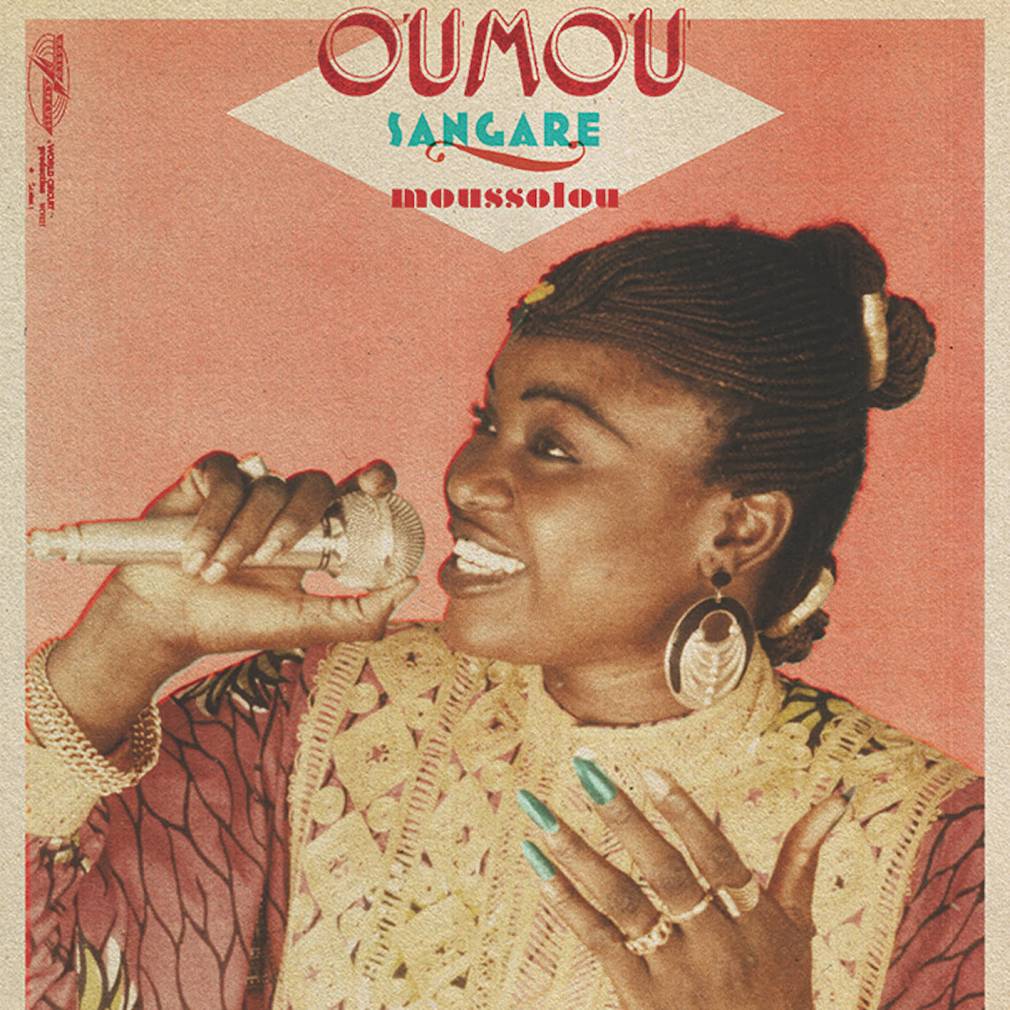
When Moussoulou (“Women”) was released in 1989, Mali had never heard anything like it and perhaps wasn’t ready for it either. At just 21, Oumou Sangaré sang what many women whispered only in private: songs about polygamy, forced marriage, and a woman’s right to choose her own destiny.
“When others sang of love, Oumou sang of liberation.”
Her sharp yet spiritual lyrics pulsed with the rhythm of Wassoulou drums, carried by the raw conviction of a woman who had witnessed struggle up close. Some called her rebellious, others labeled her fearless, but no one could ignore her.
Moussoulou wasn’t merely an album; it was a manifesto. Every track sounded like both a prayer and a protest, each verse reminding African women that their voices mattered. And Oumou never softened her message. Instead, she sang louder, turning rhythm into resistance, and melody into a movement that stretched far beyond Mali’s borders.
The Woman Who Sang and Built Empires
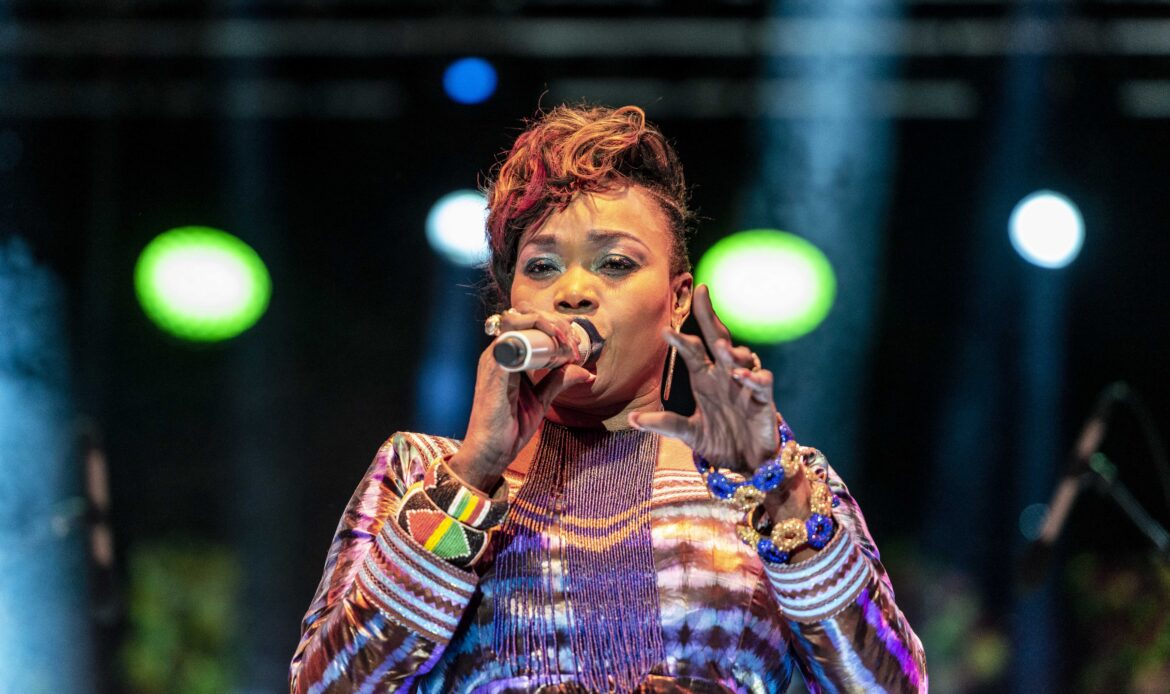
As her message rippled beyond Mali’s borders, the world began to listen and never stopped. Oumou Sangaré’s rise from Bamako’s dusty streets to international acclaim was no accident; it was destiny in motion. Signed to World Circuit Records, the same legendary label that launched Ali Farka Touré, she carried the heartbeat of Wassoulou music to the world stage.
Albums like Ko Sira, Worotan, and Seya turned her into a global icon; a bridge between ancestral sound and modern consciousness. From the Melbourne Opera House to WOMAD, from Oslo World Festival to the Gnaoua Festival, her voice soared, earthy, spiritual, and unflinching. In 2011, she joined Herbie Hancock, P!nk, Seal, India.Arie, and Jeff Beck on Imagine, earning a Grammy Award. Years later, Beyoncé invited her onto The Lion King: The Gift; proof that Oumou’s sound, though rooted in Mali, speaks a universal language.
But the Songbird of Wassoulou never confined her power to music alone. Offstage, she built Hotel Wassoulou in Bamako “with my own hands,” she said, to inspire women to work and create. She launched her car brand “Oum Sang”, invested in agriculture, and became an employer and mentor to hundreds across Mali.
Her advocacy runs as deep as her melodies: FAO Goodwill Ambassador (2003), UNESCO Prize laureate (2001), and Commander of the Order of Arts and Letters of France (1998).
Whether in a recording booth, a boardroom, or a Bamako marketplace, Oumou Sangaré carries the same anthem: that women’s strength is not a whisper; it’s a nation’s heartbeat. Her empire was never just built on songs, but on the power of a woman who refused to be silenced.
When a Meme Became a Bridge
It began as a joke, a catchy Yoruba-sounding hook that no one quite understood. Kun Fe Ko, a 1990s Malian song, suddenly exploded across Nigerian TikTok and Instagram feeds. Clips of people miming, translating, and remixing the lyrics filled timelines. What started as laughter turned into curiosity: who is this woman with the voice that feels ancient yet alive?
Behind the viral humor was Oumou Sangaré, the Songbird of Wassoulou. And instead of being puzzled by the trend, she embraced it, posting a warm TikTok message thanking Nigerians for “keeping African music alive.” She even teased a future remix, a symbol of unity between two powerhouse cultures.
As Bashir Ahmad put it, “Her songs were part of our childhood soundtrack.” And now, a new generation had rediscovered her, through memes, rhythm, and shared memory. Because Kun Fe Ko isn’t just a song. In Bambara, it means “The Uncertainty of Things”, a meditation on life’s unpredictability, drawn from Quranic reflection.
So while the internet laughed, Oumou’s words still prayed, reminding us that even in the age of algorithms, African music continues to connect hearts, histories, and humor across borders.
Read: Nigeria’s First… — Stories of Courage, Curiosity, and Creation
Why Oumou Sangaré Still Matters
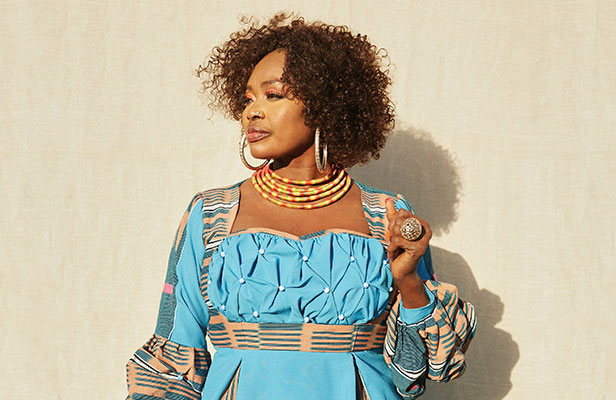
Oumou Sangaré’s story endures because it embodies authenticity, courage, and cultural pride; values that transcend time and trend. She reminds us that African women can hold tradition in one hand and transformation in the other, building bridges through art and truth. Her resurgence isn’t just nostalgia; it’s a modern conversation between generations, carried by humor, heritage, and harmony.
Before TikTok trends, before Beyoncé features, Oumou Sangaré was already singing for Africa’s soul and she still is.
Follow RefinedNG for more stories of Africans whose art, legacy, and laughter connect generations. RefinedNG — your number one stop for all things positive.