
One of the first things people have noticed at AFCON 2025 is not the final whistle or the goal celebration. It’s the trophy placed gently into a player’s hands after the match. Cameras lingered. Social media paused. Something about it felt different, almost personal. It carried weight without shouting for attention, and it invited curiosity before explanation.
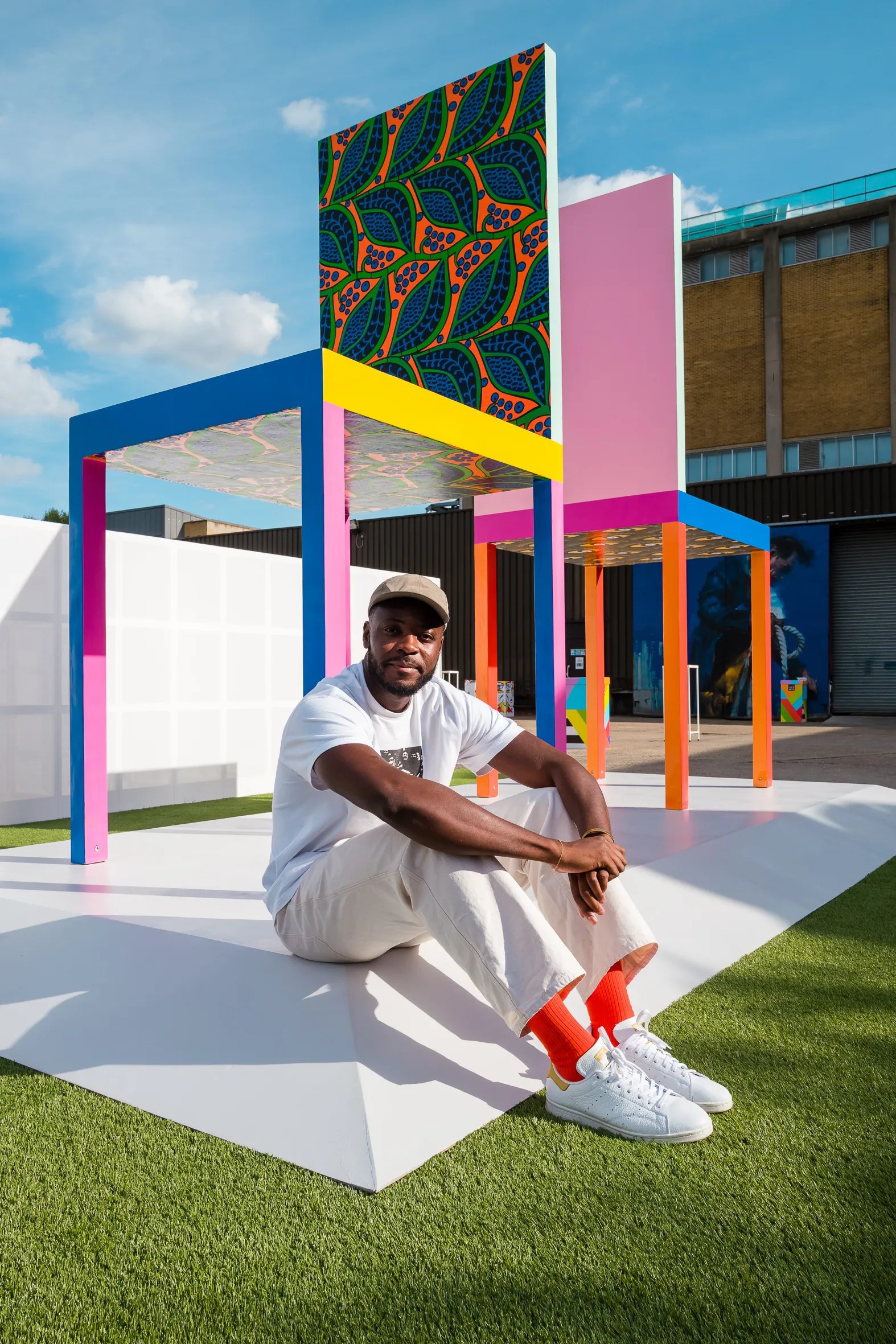
That response makes sense once you know the mind behind it. Yinka Ilori designs with joy, intention, and roots firmly planted in story. As a Nigerian British artist, his work rarely sits quietly in the background. It speaks, but it speaks warmly.
The Man of the Match award became the stage where his language of colour and meaning met African football, but it was never the headline. It was simply another chapter in a creative journey built on connection, identity, and people first thinking. To understand why this moment resonated, you have to step back and look at how Ilori learned to make objects feel human.
The Designer Who Uses Colour as Language
Yinka Ilori’s creative voice formed at the intersection of many worlds. He grew up in London, surrounded by the everyday rhythm of a multicultural city, while his Nigerian heritage shaped how he understood story, symbolism, and community. Those early influences taught him that design could do more than function. It could communicate emotion, memory, and belonging.
In Ilori’s work, colour is never decoration for decoration’s sake. It acts as language. It opens conversations, softens difficult truths, and welcomes people in rather than pushing them away. Whether he works on furniture, public spaces, or large scale installations, the goal stays consistent. Make people feel seen. Make environments feel shared.
That philosophy explains why inclusivity and joy run quietly through everything he creates. He designs for public use, not private admiration. He builds with people in mind, not trends. So when football entered the picture, the connection felt natural. African football already carries pride, movement, and collective identity. For Ilori, it became another canvas where culture, colour, and storytelling could meet without translation.
Read: Nike Revives Nigeria’s Most Influential Shirt at the Perfect AFCON Moment
When African Football Met African Design
When CAF commissioned Yinka Ilori to reimagine the Man of the Match award for AFCON 2025, the decision quietly signaled something bigger than a new trophy. It showed a shift in how African excellence is framed and celebrated. For years, performance awards existed mostly as formal symbols. They did the job, but they rarely told a story. This time, CAF chose to let culture speak alongside competition.
Ilori’s involvement placed African design at the center of African football, not as decoration, but as authorship. It acknowledged that the continent’s creative voices belong on the same global stages as its athletes. The Man of the Match award became more than a recognition of skill. It became a moment of pride, visibility, and ownership.
This collaboration matters because it reframes what value looks like. It says African tournaments can define their own visual language rather than borrow one. It says identity and excellence do not need translation. As the award appeared match after match, it quietly reinforced the idea that football success and cultural expression can share the same space. From there, attention naturally turned to the object itself and the story it was built to carry.
Trophy Built From Meaning, Not Just Metal

Up close, the AFCON 2025 Man of the Match trophy rewards attention. Twenty four radiant beams rise upward, each one representing a nation at the tournament. They are not identical. Different materials catch light in different ways, creating subtle contrasts that feel intentional rather than decorative. Each beam stands on its own, yet none exists in isolation. They curve and lean toward one another, converging into a single form that suggests motion, rhythm, and shared momentum.
At the center sits the Damask rose, a symbol deeply tied to Morocco, the host nation. It anchors the piece both visually and geographically. Everything flows toward it, turning the trophy into a meeting point rather than a hierarchy. Unity does not erase difference here. It organizes it.
These decisions echo Yinka Ilori’s long-standing themes. His work often balances individuality with togetherness, joy with structure, movement with meaning. The trophy feels tactile, almost alive in the hand. It invites touch, not distance.For players, holding it becomes more than a ceremonial moment. It is a reminder that excellence lives inside a bigger story. This is not just prestige. It is narrative made physical.
From Public Spaces to Global Stages
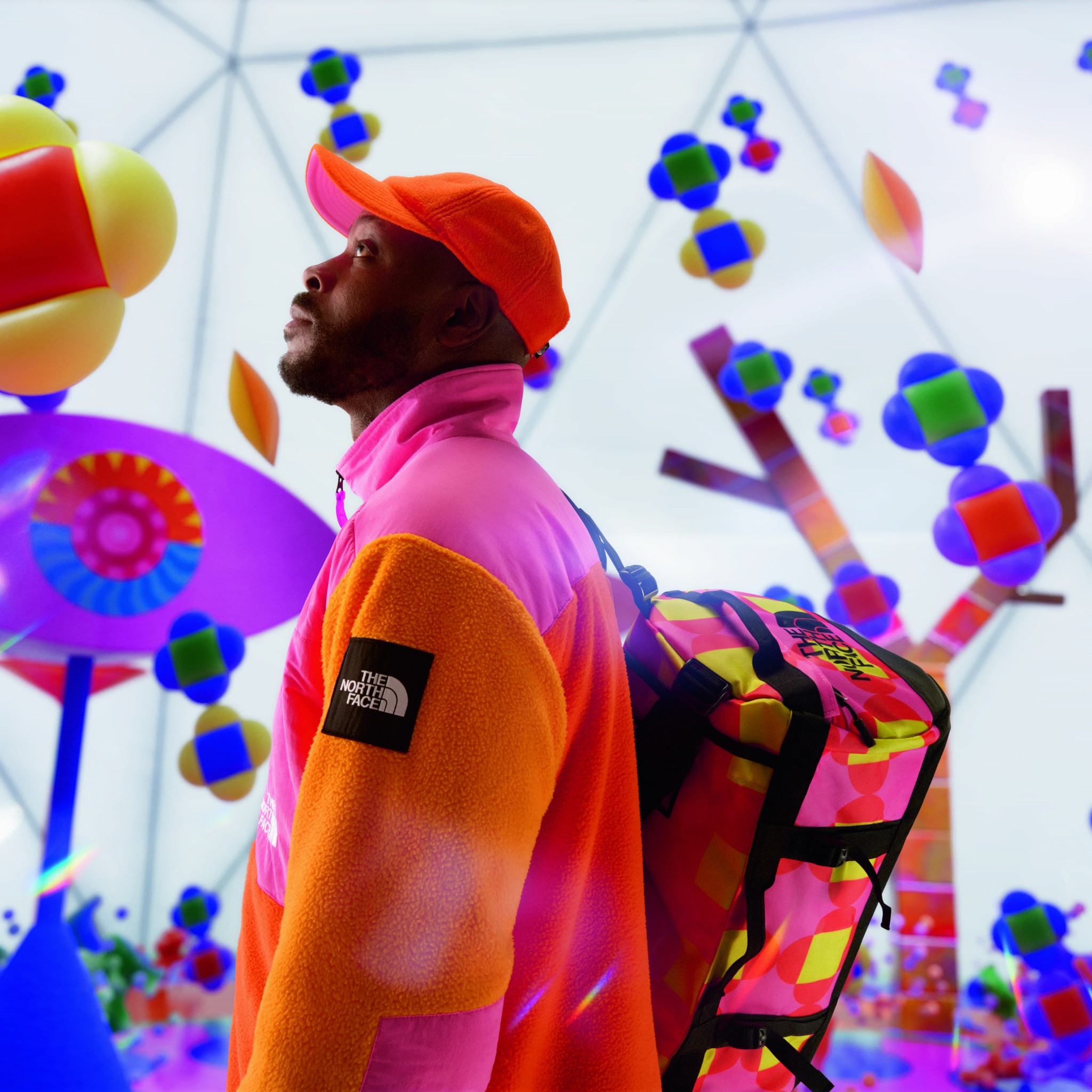
This AFCON moment fits naturally within Yinka Ilori’s wider creative journey. Long before football trophies, he was reshaping public spaces, designing playgrounds, bridges, murals, and installations that invited people in rather than placing art above them. Whether working with global brands, cultural institutions, or city councils, his focus stayed consistent. Design should serve people first.
That philosophy carried him from London streets to collaborations with names like Nike, Lego, and the NHS. Recognition followed, including his MBE and appointment as a Royal Designer for Industry, but the work never drifted toward spectacle for its own sake.
The Man of the Match trophy feels like a continuation of that same thinking. It does not exist on a pedestal. It exists in someone’s hands, in a stadium, in a moment of shared attention. This is Ilori’s language, translated to football. And from here, the impact extends beyond the pitch into how African creativity is remembered and valued.
Read: Adekunle Gold Makes History as First Headliner of the Renovated National Theatre
Designing How Africa Is Seen
This trophy is more than metal and form, it is a statement. Every beam, material, and curve reflects a narrative of African creativity, reminding the world that excellence is not just observed but authored. Yinka Ilori’s work challenges who gets to define Africa on global stages, shifting authorship toward those whose voices have historically been overlooked. Holding this trophy is to hold visibility, ownership, and pride; a celebration of identity and ingenuity.
Discover more stories of Africans shaping culture, design, and global conversations by exploring the spotlights on RefinedNG.