

You’ve opened the same online course five times this month. You press play, get two minutes in, and suddenly feel like you’ve hit a mental wall. You try to read an article, but your eyes gloss over every paragraph. Even podcasts—your once-favorite passive learning tool—now feel overwhelming. It’s not that you don’t want to learn. It’s that your brain just… can’t. If this feels familiar, you’re not lazy or distracted. That’s a burnout..
For many professionals juggling demanding workloads, life pressures, and a fast-paced digital world, burnout can sneak in slowly, disrupting everything, including your ability to grow. Learning, which once felt energizing, starts to feel like a burden. Focus evaporates. Motivation tanks.
But here’s the truth: you’re not broken. Your brain is waving a red flag, signaling a need for rest and reset. And the good news is—there’s a way forward.
In this article, we’ll explore exactly how burnout affects your brain, why it makes learning harder, and most importantly, how you can rebuild your learning habits without guilt or pressure. Because growth isn’t out of reach—it just might need a new approach.
What Burnout Really Does to Your Brain
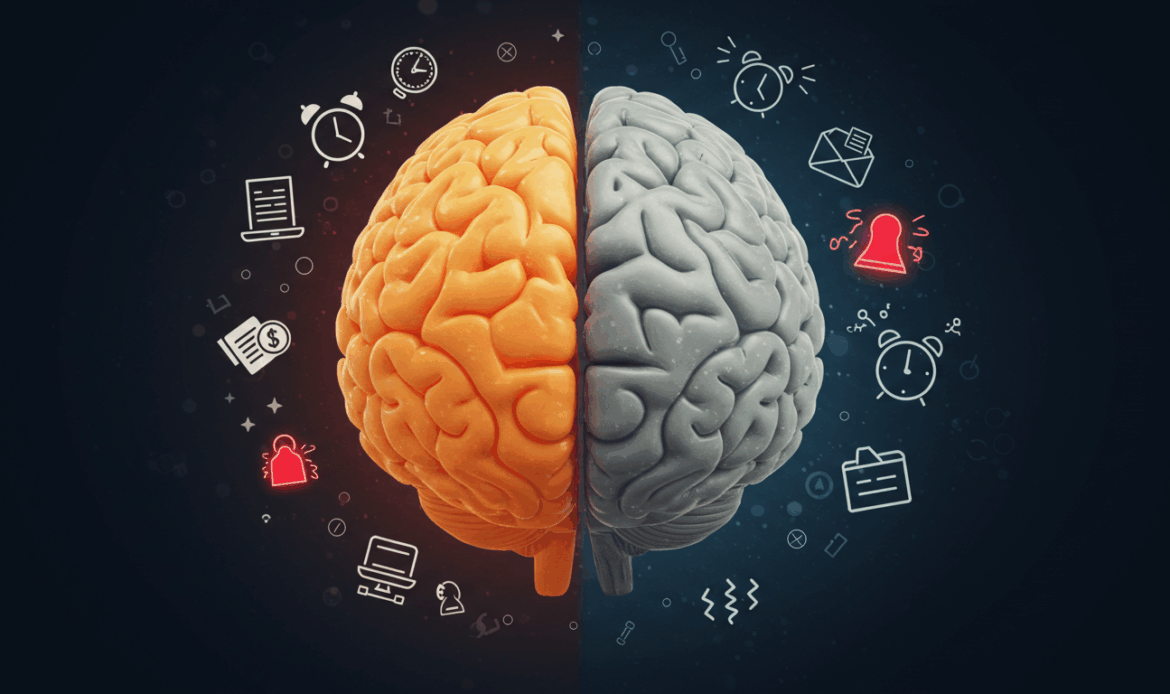
Burnout is more than just feeling tired after a long day. It’s a state of chronic physical, emotional, and mental exhaustion caused by prolonged stress—especially when you’re constantly doing, achieving, and pushing with no space to breathe. But beyond the emotional weight, burnout rewires your brain in very real ways.
At the neurological level, stress hormones like cortisol flood your system when you’re burnt out. Over time, this dulls the performance of your prefrontal cortex—the part of your brain responsible for memory, decision-making, and focus. Tasks that used to feel simple, like remembering a meeting or staying alert during a webinar, suddenly feel ten times harder.
The hippocampus, the brain’s learning center, also suffers. Chronic stress shrinks it, making it harder to absorb and retain new information. That’s why when you’re burnt out, reading a single paragraph or sitting through a short course can feel like a full-body workout.
What’s worse, the brain’s reward system also takes a hit. You stop getting that little motivational spark from completing a task or learning something new. Instead of feeling energized by growth, you feel numb to it.
Burnout doesn’t just slow you down—it changes how your brain responds to effort, curiosity, and even simple concentration. And when learning becomes this difficult, most people blame themselves instead of realizing that their brain is just trying to protect them.
But awareness is the first step. Once you understand what’s happening in your brain, you can take back control—and gently begin to rebuild.
Read: Learning in Scrolls: How to Turn Your Social Media Time Into Microlearning
Why Learning Feels So Hard When You’re Burnt Out
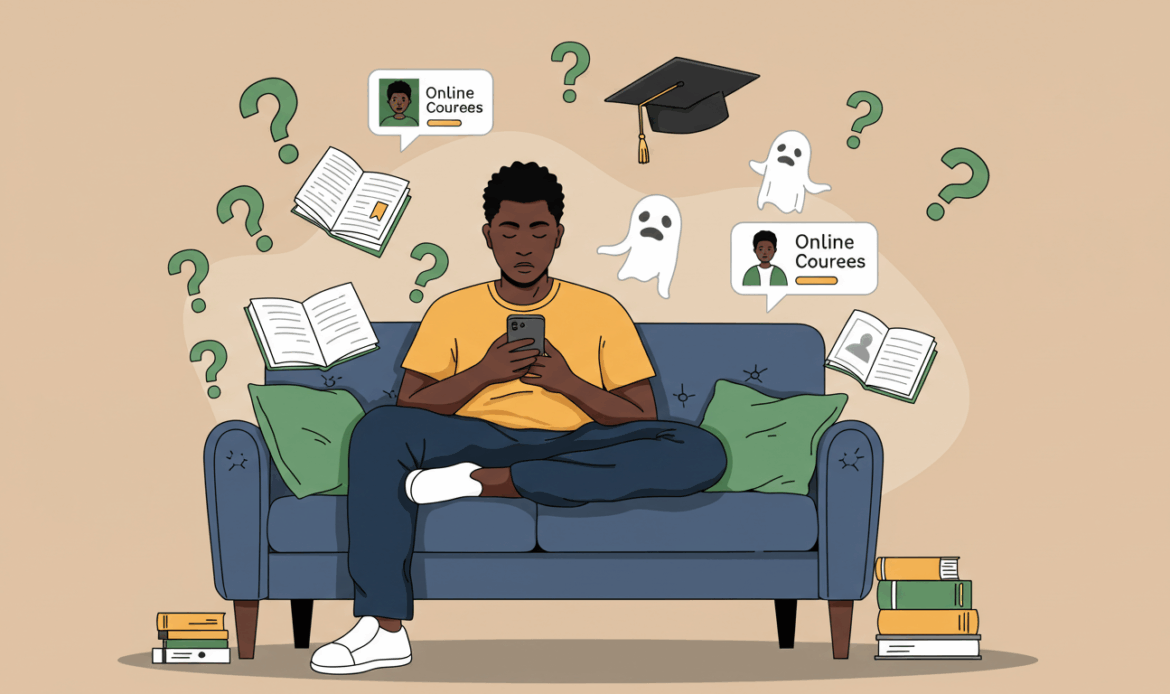
When you’re burnt out, even the idea of learning something new can feel like a mountain. That book you were excited to read? It now stares at you from your nightstand like a challenge you’re not ready to face. That course you signed up for? You keep postponing it, not because you’ve lost interest, but because your brain simply doesn’t have the capacity.
Burnout turns mental effort into friction. Your brain, already stretched thin, begins to reject anything that feels like additional input. Even small things—like a 3-minute tutorial or a thought-provoking podcast—can feel like too much. This isn’t laziness; it’s cognitive overload. Your mental “bandwidth” is running on fumes, and your brain’s only focus is survival mode—not personal growth.
Emotional exhaustion also plays a role. When you’re depleted, your curiosity tends to disappear. You stop asking questions, not because you don’t care, but because your brain no longer has the energy to be curious. The motivation to learn fades, and what once sparked your interest now barely flickers.
Another silent saboteur? The lack of dopamine. Learning typically triggers this feel-good chemical, rewarding you for effort and helping you associate growth with pleasure. But burnout disrupts that reward system. Even when you do learn something new, it might feel flat or unfulfilling. That sense of progress you once felt? It becomes hard to find.
Burnout builds an invisible wall between you and the desire to grow. However, just because learning feels difficult now doesn’t mean it will always be that way. With the right strategies and small steps, you can reclaim that spark.
What To Do: Rebuilding Your Learning Capacity
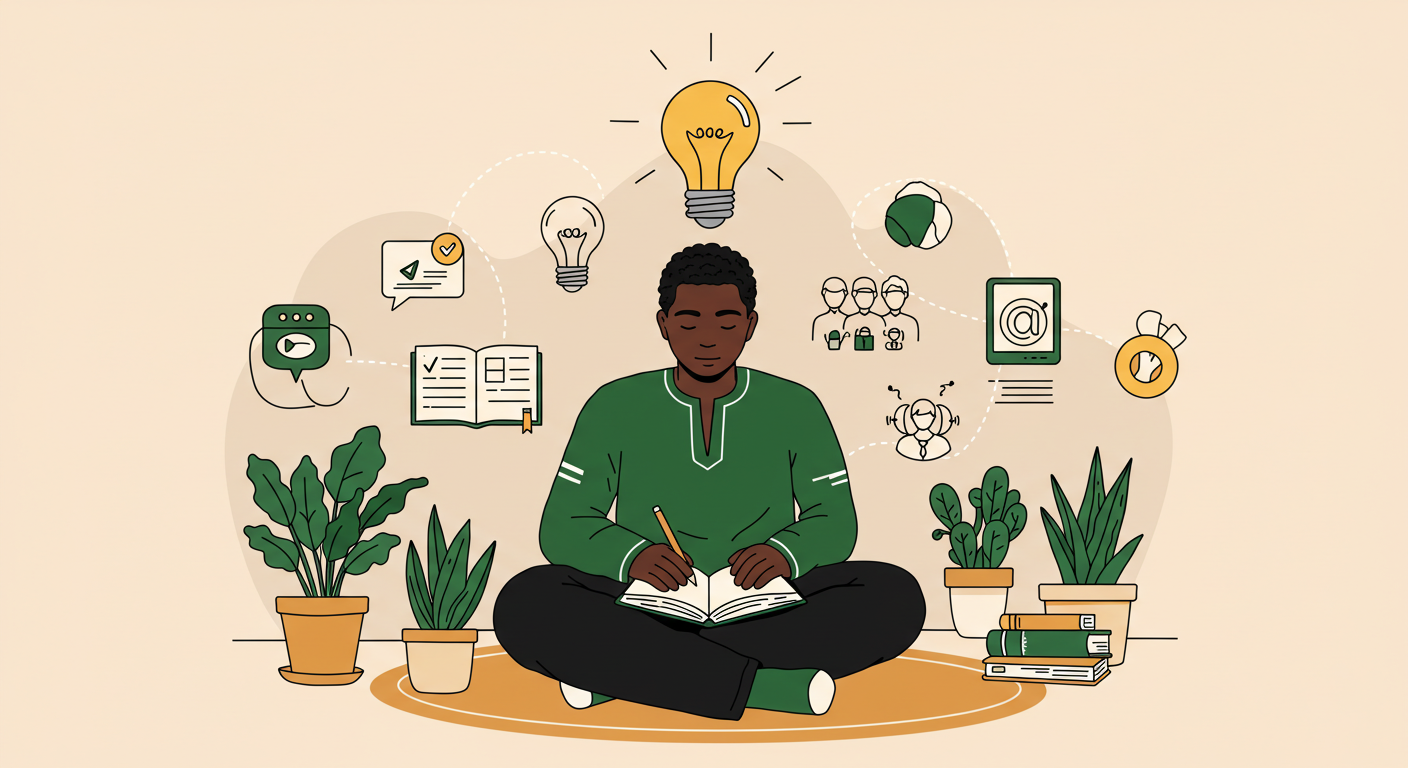
The first step in learning again isn’t to grab a new course or stack up self-help books. It’s to pause. When you’re burnt out, your brain is calling for rest, not more responsibility. Trying to push through only deepens the exhaustion. So start by giving yourself permission to step back—not to quit, but to recover.
That recovery might begin with sleep, solitude, nature, or simply saying “no” more often. Once you start to feel your energy return in small waves, that’s your cue to gently reintroduce learning—but this time, in micro doses.
Instead of aiming for an hour-long webinar, try a five-minute podcast episode or a two-minute career tip reel on Instagram. Choose topics you find genuinely interesting, not just what you “should” learn. Let your curiosity—not pressure—lead the way.
Movement can also reignite your mental energy. Something as simple as a walk, light stretching, or doodling can lower stress levels and wake up your brain’s creative pathways. You don’t have to sit still at a desk to learn. You can move and think simultaneously.
Create a low-pressure learning environment. This might mean swapping a strict study plan for something more flexible, such as journaling your takeaways after reading one article per week. Or learning through conversation instead of slides. When you remove the need to be perfect or productive, you create space actually to absorb and enjoy the process.
Another strategy is designing your personal “learning reset.” Pick a time of day when your energy is best—early mornings, slow evenings, or lunch breaks. Build a calming space to learn, even if it’s just a quiet corner with your phone on “Do Not Disturb.” Choose one topic, one platform, and one format at a time to avoid overload.
Finally, support your brain by grounding it. Practices such as mindfulness, breathwork, or even brief tech breaks can help reset your focus and enhance your cognitive capacity. A calm brain learns better—it’s that simple.
Rebuilding doesn’t happen overnight. But every small effort counts. Every spark of interest, every paragraph you actually finish reading, every aha moment—even the smallest one—is proof that your brain is healing.
Read: How to Blend Work and Learning
Learning is Still Possible

Burnout can make you feel disconnected—from your work, your goals, and even from yourself. And when your brain feels foggy or overwhelmed, it’s easy to assume that something’s wrong with you. But the truth is, burnout isn’t a flaw. It’s a signal. It’s your brain’s way of saying, “I’ve been carrying too much for too long.”
If learning feels harder than it used to, it’s not because you’re incapable. It’s because your mind needs space to breathe. With the right kind of rest and a gentler, more intentional approach, your brain can bounce back. Your focus can return. Your curiosity will come alive again.
Growth is still possible. Learning is still possible. It might look different than before, and that’s okay. What matters is that you don’t give up on the process just because it’s slower.
Your spark isn’t gone—it’s just waiting to be rekindled.