
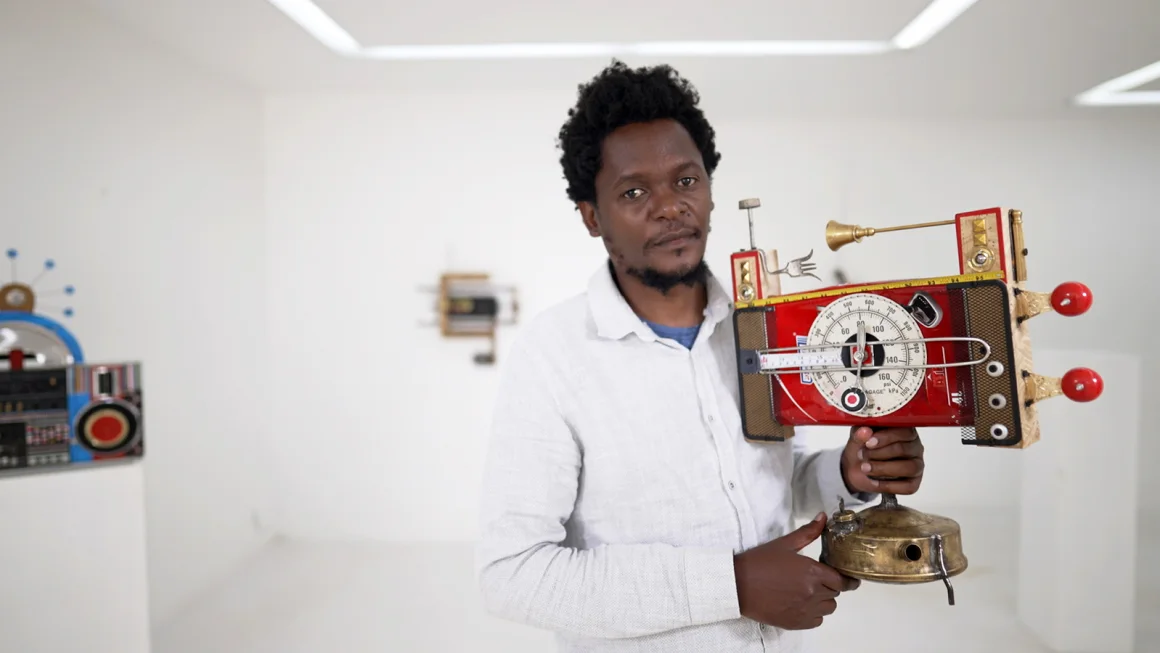
In a world obsessed with newness, Kenyan artist Cyrus Kabiru has made a name by embracing the discarded. With his dazzling Afrofuturist spectacles known as “C-Stunners,” Kabiru doesn’t just repurpose junk—he reshapes vision. His studio in Nairobi is a sanctuary of scraps: broken radios, crushed soda cans, defunct electronics—all awaiting transformation into wearable art that challenges how we see Africa, the future, and ourselves.
A self-taught sculptor, photographer, and storyteller, Kabiru blends found objects with radical imagination to question modernity, consumerism, and identity. His work is more than aesthetic; it is a manifesto on sustainability, legacy, and self-determination. From galleries in Cape Town to the Metropolitan Museum of Art in New York, Kabiru’s art invites viewers to confront their perceptions and reimagine what innovation from the Global South truly looks like.
Read: Top Female Directors Leading The New Era of Nollywood
Growing Up Opposite a Dump
Cyrus Kabiru’s story begins in Eastlands, Nairobi, in a modest two-bedroom home that he shared with his parents and five siblings. Their house stood directly opposite a garbage dump. For most, such a setting might symbolize hardship. For Kabiru, it became a creative goldmine. While other children played with toys bought in stores, he found fascination in discarded objects—metal scraps, wires, bottle caps. He began to make glasses, not for fun, but from an origin story: his father once broke his glasses and, unable to afford new ones, tried to mend them himself.
Kabiru’s early tinkering wasn’t encouraged. His father hoped he’d become an electronic engineer. But Cyrus resisted the conventional path. Instead of wires and circuits, he crafted sculptures and eyewear that blurred the lines between function and art. His neighborhood dump transformed into a treasure chest, where every forgotten item held potential. By reimagining waste as beauty, Kabiru forged a creative path built on resilience, rebellion, and deep personal storytelling—a path that would one day astonish the global art world.
Seeing Through “C-Stunners”
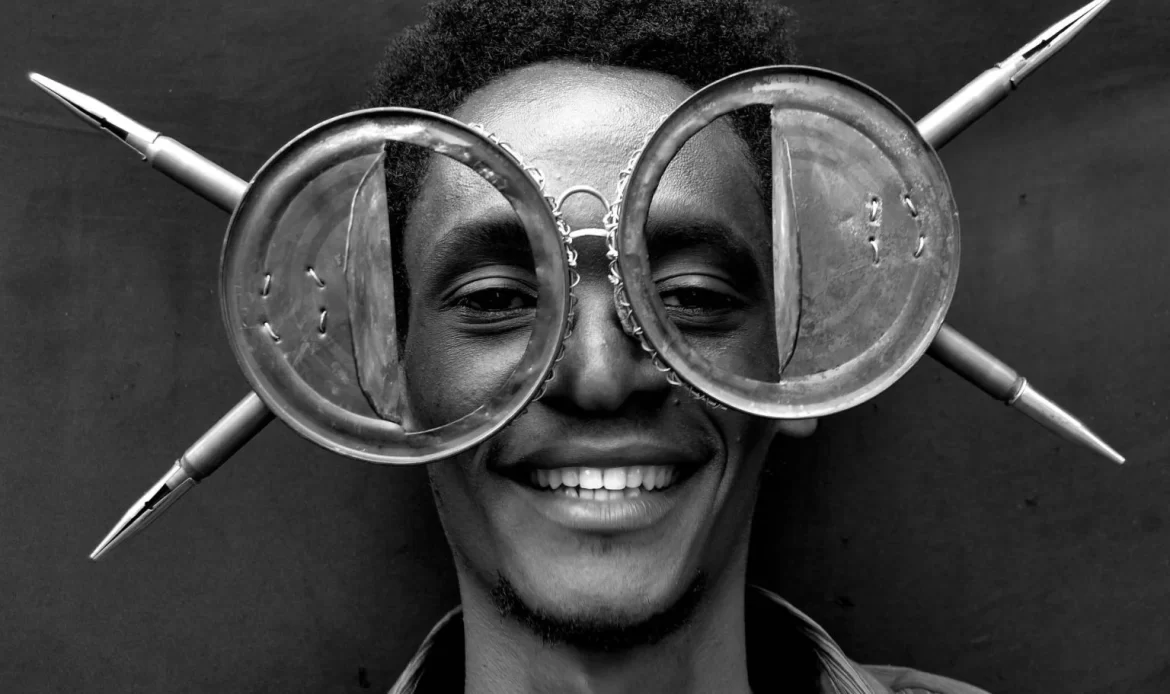
Cyrus Kabiru’s most iconic creations—his futuristic, flamboyant eyewear known as C-Stunners—began as a personal experiment and evolved into a global art movement. Each piece is handcrafted from discarded materials: rusted screws, broken typewriter keys, twisted wires, and old bottle caps. At once absurd and beautiful, they straddle the line between fashion, sculpture, and performance.
But these aren’t just spectacles—they’re a statement. For Kabiru, they offer a new way to “see” the world. He explains that the “C” stands for his name, while “Stunners” reflects the impact of his work, meant to stun, provoke, and disrupt visual expectations. He often appears in self-portraits wearing the pieces, his gaze piercing through a mess of metal and color, forcing the viewer to look twice, to question the materials, and, perhaps, their own perception of African creativity.
In a world eager to define Africa through narrow lenses, Kabiru’s C-Stunners widen the frame. They carry echoes of Afrofuturism, street fashion, and political critique. Yet Kabiru insists his process is intuitive. “Most of my projects are freestyle. I don’t plan tomorrow,” he says. “And I’m very happy.”
The Black Mamba and Memory in Motion
After the global success of his eyewear, Cyrus Kabiru turned to another deeply personal object: the bicycle. But not just any bicycle—the Black Mamba, Kenya’s once-ubiquitous fixed-gear workhorse, known for its durability and utility. It was also his father’s prized possession. “He’d send me to pick things up on that bike,” Kabiru recalls. “But I was small and it was huge. I hated it… but I still have it.”
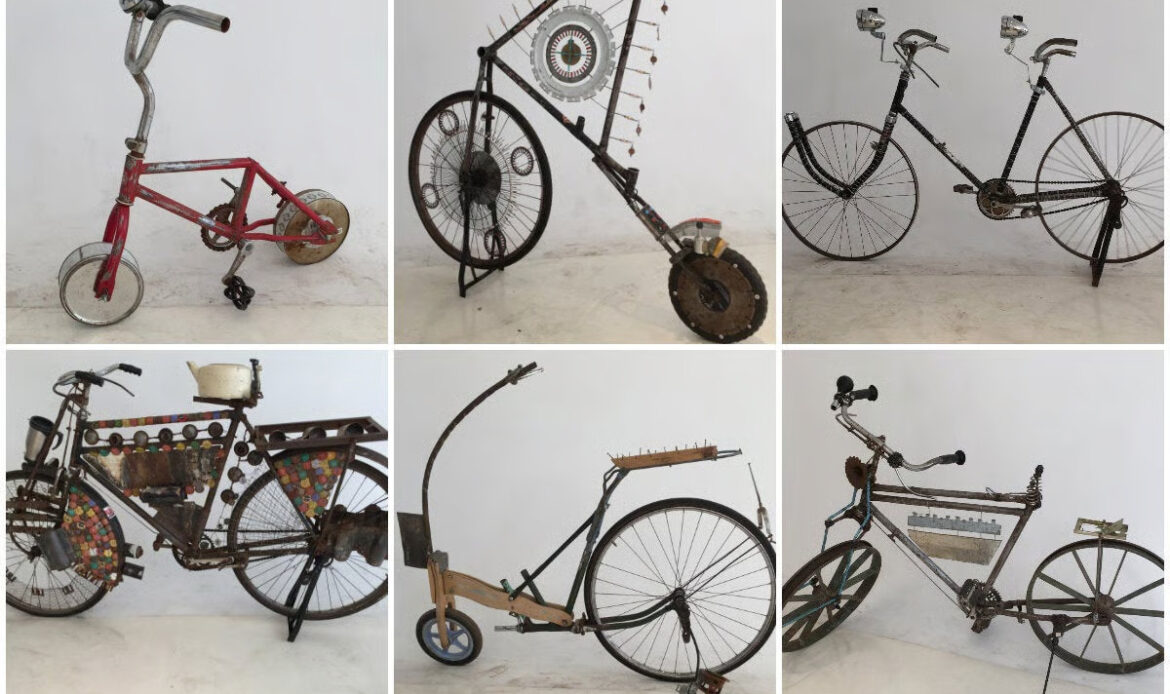
His Black Mamba series reimagines these bicycles as sculptural installations and even films. One looks like a canon, built from an old car exhaust, a poignant metaphor for violence and industrialization. Through these pieces, Kabiru doesn’t just revisit childhood memories—he critiques rapid urbanization, the decline of physical activity, and even Africa’s complex relationship with imported technologies.
In The End of Black Mamba, his first documentary, Kabiru laments that motorcycles have replaced bicycles in Kenyan towns, leading to accidents and changing lifestyles. For him, the Black Mamba represents more than transport—it’s a symbol of endurance, history, and the quiet dignity of everyday life.
“My work has everything to do with my dad,” he says. “First, the glasses. Now the bicycle. He showed me the future.”
Read: What Do You Really Know About Aso Oke?
Afrofuturism, Trash, and the Politics of Reclamation
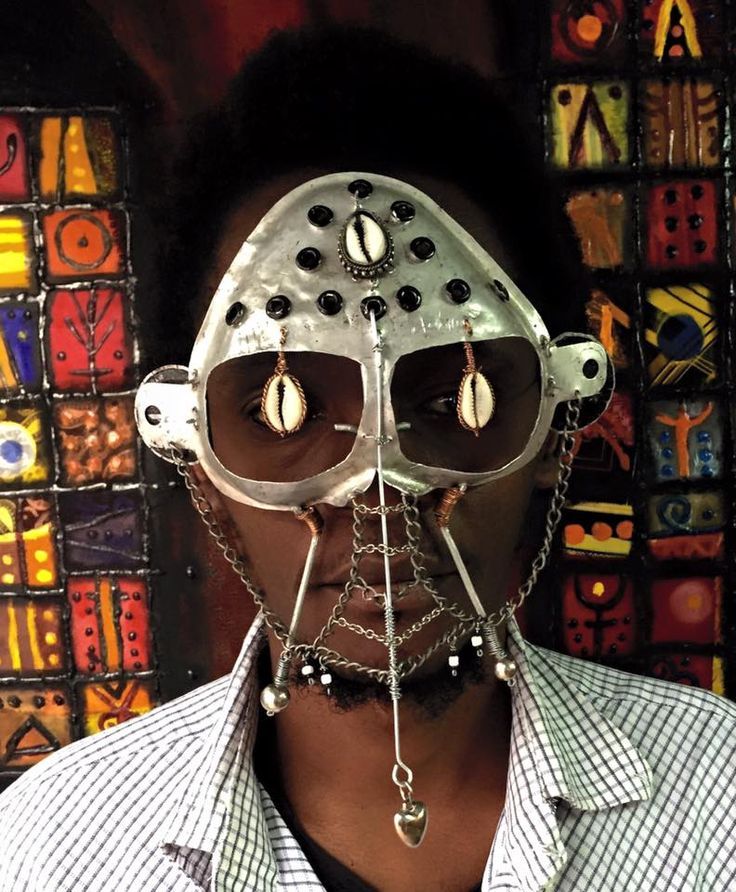
Cyrus Kabiru doesn’t just create art—he rewrites the future using the remnants of the present. Rooted in the philosophy of Afrofuturism, Kabiru’s work disrupts traditional ideas of African art by fusing imagination, technology, and cultural memory. His materials—discarded radios, rusted electronics, twisted metal—are more than waste. They are relics of modern life, reconfigured to tell African stories of resilience and rebirth.
Kabiru’s creations aren’t just visually arresting; they are political acts. In transforming junk into luxury, he elevates the overlooked and challenges the global art world’s perception of African creativity. His sculptures reflect a continent constantly innovating with limited resources—proof that ingenuity thrives where others see scarcity.
“People talk about trash like it’s worthless,” Kabiru says. “But for me, trash is full of stories. It speaks of where we’ve been—and where we can go.”
His work has been featured in seminal Afrofuturist showcases, such as The Met’s “Before Yesterday We Could Fly,” positioning him at the forefront of a global conversation about African futurism, identity, and agency. Through every wire, lens, and gear, Kabiru is reclaiming the narrative—one piece of junk at a time.
No Plans for Tomorrow, But a Vision That Won’t Quit
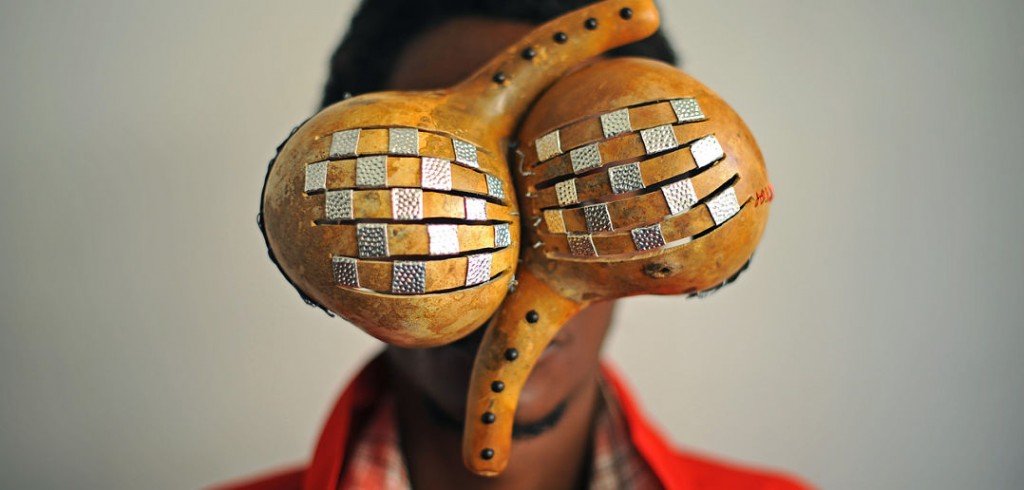
Cyrus Kabiru doesn’t sketch, blueprint, or draft. He doesn’t plan for tomorrow. He wakes up, roams the streets of Nairobi, picks up a piece of discarded metal or broken plastic, and he begins. “Most of my projects are freestyle,” he says, “I don’t plan tomorrow. And I’m very happy.” That spontaneity fuels the striking originality of his work, each sculpture a surprise, each lens a fresh perspective.
Yet, beneath the spontaneity lies a profound, unwavering vision: to see Africa on its own terms and to help the world do the same. In a world obsessed with innovation, Kabiru insists on reinvention. In a world chasing the future, he slows down to reimagine the past—through spectacles, bicycles, radios, and memories of his father.
Today, Kabiru stands at the intersection of art and activism, heritage and high fashion, science fiction and streetcraft. His work doesn’t just make you look—it makes you see.
From Nairobi’s refuse heaps to the halls of The Met, Cyrus Kabiru has made trash timeless, and in doing so, he’s shown us that the future doesn’t have to be imported. Sometimes, it’s built from the pieces we’ve already thrown away.