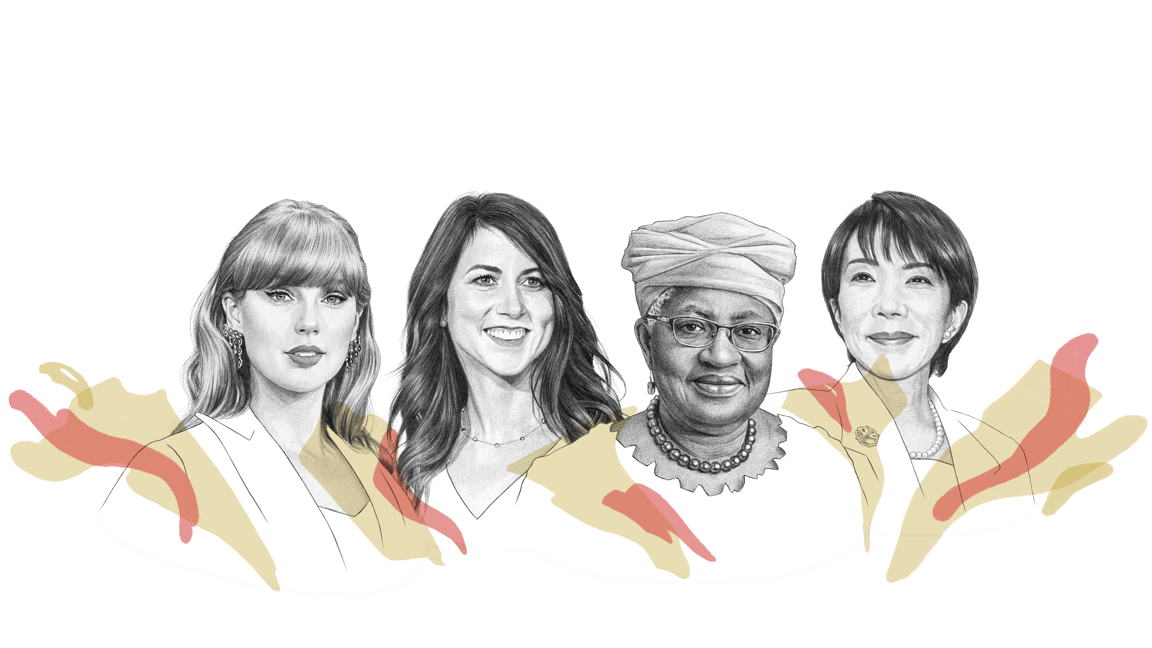
Two Nigerian women, Dr Ngozi Okonjo-Iweala and Mo Abudu, have once again taken their place on the global stage, earning spots on Forbes’ 2025 list of the World’s 100 Most Powerful Women. Their inclusion reinforces a truth Nigerians already know: when Nigerian women rise, they do it with impact, consistency and a kind of brilliance that bends global conversations in their direction.
The annual ranking, released on Wednesday, highlights women who are shaping policy, business, media, technology and culture across continents. This year’s Forbes list features global power brokers such as:
- European Commission President Ursula von der Leyen (No. 1),
- European Central Bank President Christine Lagarde (No. 2),
- Japan’s first female prime minister Sanae Takaichi (No. 3),
- Mexico’s President Claudia Sheinbaum (No. 5), and
- Namibia’s Prime Minister Netumbo Nandi-Ndaitwah (No. 79).
Standing among these figures are two Nigerians whose work continues to shift narratives on trade and storytelling: Okonjo-Iweala at No. 92 and Abudu at No. 98.
Okonjo-Iweala: A Global Force in Trade and Development
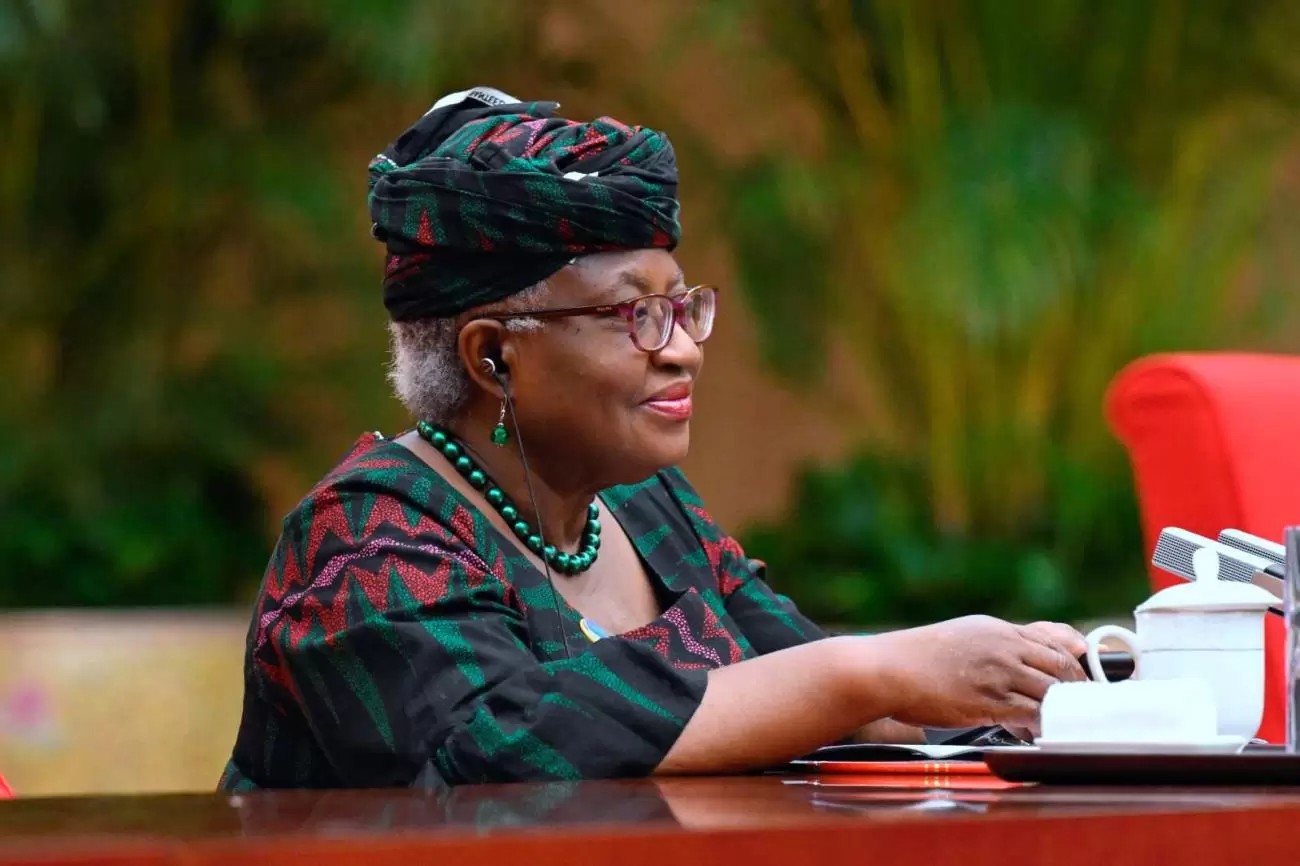
At 71, Dr Ngozi Okonjo-Iweala remains one of the world’s most influential voices in global economics and governance. As the Director-General of the World Trade Organisation (WTO), she is both the first woman and the first African to lead the institution; a historic achievement that continues to draw recognition.
Read: Omoni Oboli Shines as Top Creator for 2025 on YouTube
Forbes describes her as “an economist and international development professional” with more than 30 years of experience across Asia, Africa, Europe, Latin America and North America.” That global sweep is reflected in her career milestones. Before taking the reins at the WTO in 2021, she served twice as Nigeria’s Minister of Finance, drove landmark reforms, and briefly held the role of Foreign Affairs Minister. She also chaired the Board of Gavi, the Vaccine Alliance, helping the organisation expand immunisation for over 760 million children worldwide.
Her leadership in global health and economic recovery has made her one of the most trusted voices in international development. In 2010, she oversaw one of the World Bank’s most successful fundraising rounds, generating $49.3 billion in grants and low-interest loans for the world’s poorest countries.
Her reappointment to a second term as WTO DG in late 2024 reflects the confidence member states have in her ability to maintain stability in a world where trade, geopolitics and supply chains are increasingly unpredictable. She continues to champion trade as a tool for lifting developing countries out of poverty, a vision that mirrors her broader career goal: creating systems that allow nations to grow sustainably and on their own terms.
Mo Abudu: Africa’s Media Powerhouse Goes Global, Again
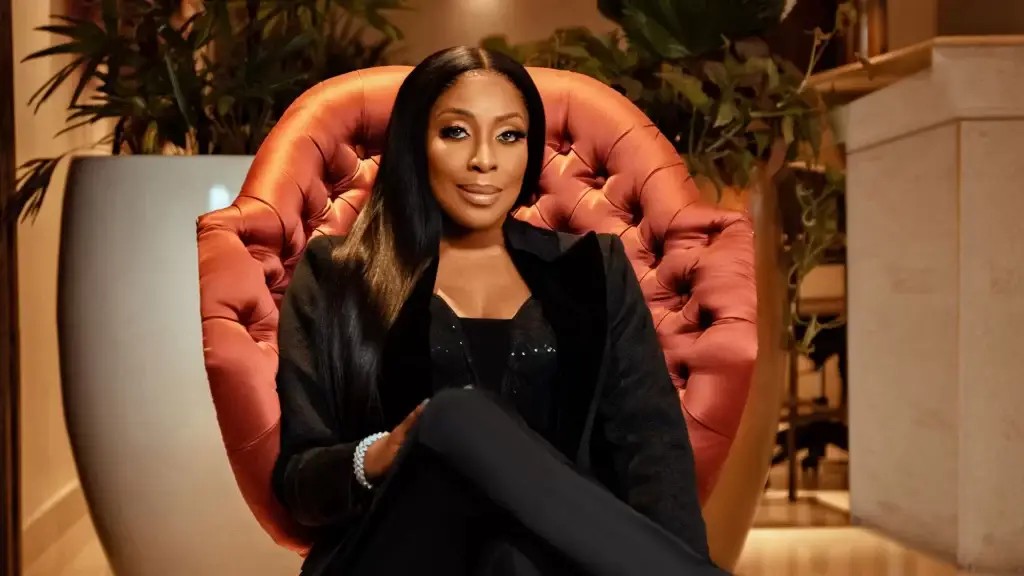
While Okonjo-Iweala shapes policy, Mo Abudu shapes culture. Ranked 98th on the list, Abudu’s influence in global media is undeniable. She is the founder of EbonyLife Media, one of Africa’s most recognised entertainment brands, and a key force behind the movement to bring African storytelling to global audiences.
Abudu launched EbonyLife TV in 2006. Today, it broadcasts in more than 49 countries, including parts of Europe and the Caribbean. Her company has secured high-profile partnerships with Sony Pictures Television, AMC Networks and Netflix. EbonyLife became the first African studio to sign a multi-title deal with Netflix, a milestone that signalled a turning point for Nollywood’s global future.
In November 2025, EbonyLife expanded its digital presence with EbonyLife ON Plus, a streaming app available on major app stores, a strategic move in a world increasingly shaped by digital consumption. Forbes also notes her philanthropic influence and her growing role in shaping cultural representation across continents.
Abudu’s impact has been acknowledged by several institutions. Earlier in 2025, TIME Magazine named her among the 100 Most Influential People in the World, praising her work in elevating African narratives and mentoring creatives across the continent and diaspora.
Read: How Three Nigerians Built a Viral AI Job App, Sorce
A Wider African Presence on the 2025 Forbes List
This year’s list also highlights the rising influence of African women. Among those featured are Mary Vilakazi, CEO of South Africa’s FirstRand Group; Judith Suminwa Tuluka, the Democratic Republic of the Congo’s first female prime minister; Namibia’s President Netumbo Nandi-Ndaitwah; and Mpumi Madisa, CEO of Bidvest.Their presence reflects a shift in global power dynamics and a growing recognition of African leadership in politics, banking, governance, and economics.
Why This Matters
For Nigeria, the inclusion of Okonjo-Iweala and Abudu is more than symbolic. It reflects a country that continues to export talent, leadership and creativity to the world. It also signals a future where more African women are at the forefront of global influence, reshaping industries, challenging norms and redefining what power looks like.
Their stories are reminders that leadership doesn’t have one path; it can emerge from policy rooms in Geneva or studios in Lagos but its impact can echo everywhere.
Stay plugged into Africa’s brightest stories. RefinedNG brings you inspiring wins, culture-shifting breakthroughs and the voices shaping the continent’s future. RefinedNG, Africa’s home of positive news.