
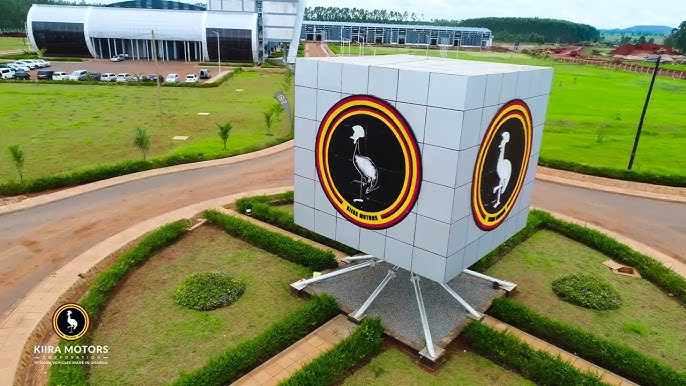
Uganda’s electric vehicle sector is no longer experimental; it is operational. By early 2025, more than 3,000 electric vehicles were already on Ugandan roads, signalling a steady shift toward cleaner transport solutions. At the centre of this transformation stands Kiira Motors Corporation (KMC), the country’s flagship state-owned automotive manufacturer focused on electric and hybrid mobility.
While many African markets rely heavily on imports, Uganda has taken a different route: local design, local assembly, and a long-term industrial strategy. KMC represents that ambition in motion. From early prototypes to commercial production, the company is positioning Uganda not merely as a consumer of electric mobility but as a producer.
Read: Spiro Expands Battery-Swapping Network with $50M New Funding
From University Project to National Manufacturer
Kiira Motors’ story began in 2007 as an engineering initiative at Makerere University. What started as a student-led innovation project evolved into a national automotive program. In 2011, the team unveiled Africa’s first electric vehicle, marking a milestone in the continent’s automotive history.
Subsequent breakthroughs followed: Africa’s first hybrid vehicle in 2014 and the Kayoola Solar Bus in 2016. These milestones laid the groundwork for commercialisation.
The transition from research to manufacturing reached a defining moment in September 2025, when the Kiira Vehicle Plant in Jinja was officially commissioned by President Yoweri Museveni. The plant, located in the Jinja Industrial and Business Park, is now recognised as one of Africa’s most advanced bus manufacturing facilities.
With this commissioning, Kiira Motors moved decisively from prototype demonstrations to structured production.
Vehicles Built for African Roads
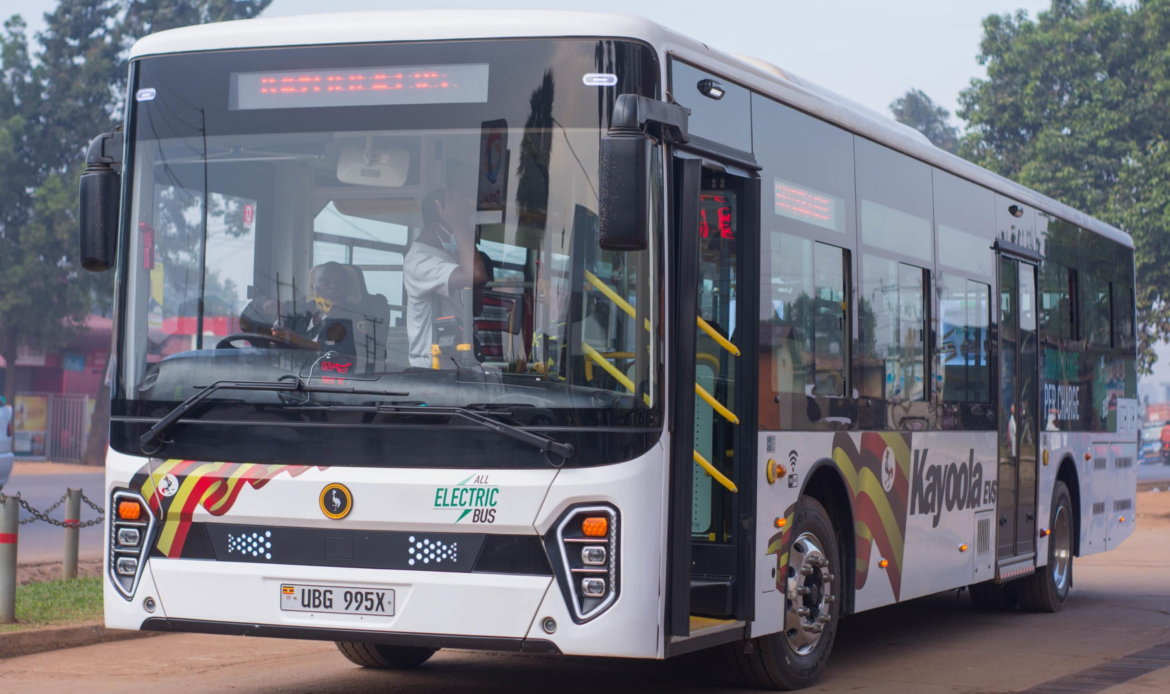
Kiira Motors focuses on practical, scalable mobility solutions tailored to African conditions. Its market-entry product, the Kayoola EVS, is a fully electric, low-floor city bus designed for urban mass transit. With a range of up to 300 kilometres on a full charge and a seating capacity of up to 90 passengers (depending on configuration), it is built to handle daily city duty cycles.
For long-distance travel, the Kayoola Coach, available in both electric and diesel versions, serves intercity routes. The 13-metremeter electric model offers a range of up to 500 kilometres. In a landmark demonstration, this model completed a 13,700-kilometre trans-African expedition from Kampala to Cape Town and back in 39 days, averaging 390 kilometres per day and recording only one safety incident. The journey proved durable across borders, terrain, and climate.
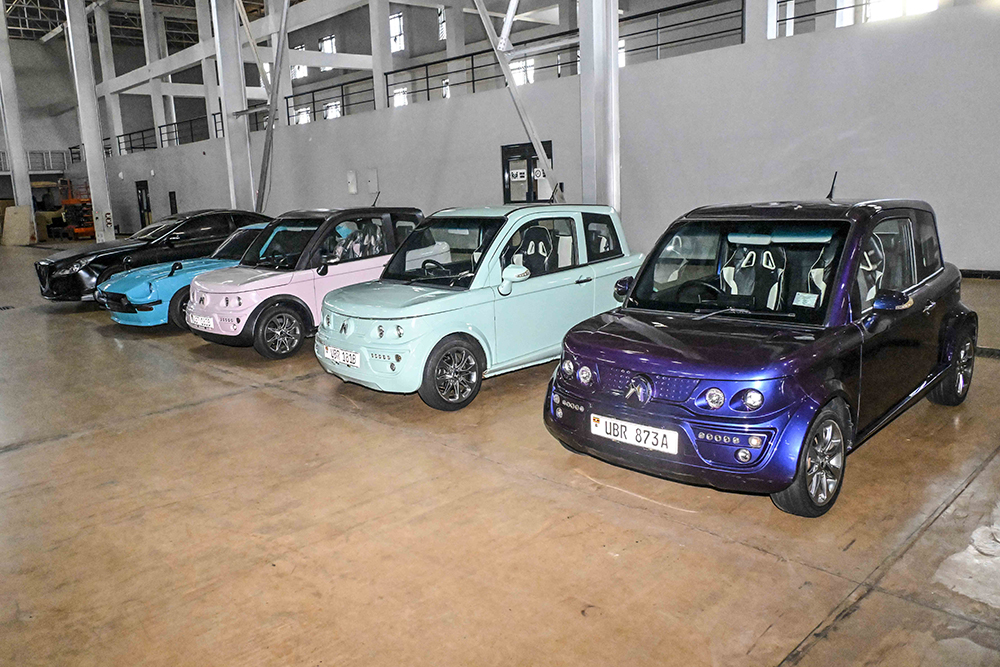
Beyond buses, Kiira has developed the Kiira EV sedan and previewed an electric SUV concept, signalling broader ambitions in passenger mobility.
Production Power and Economic Impact
The Kiira Vehicle Plant currently has an installed capacity of 2,500 vehicles per year, with plans to scale to 5,000 units annually in the medium term. At full operation, the facility can produce up to 11 buses per day.
This scale carries economic weight. The plant is projected to create over 2,000 direct jobs and more than 12,000 indirect jobs across the automotive value chain. Uganda’s government has committed substantial investment toward strengthening the green mobility sector, aiming to reduce reliance on imports and stimulate domestic manufacturing.
KMC’s roadmap prioritises local content. The long-term strategy envisions sourcing up to 90 per cent of vehicle components domestically, from steel and plastics to batteries, upholstery, and electronics. If executed successfully, this approach could could catalyse small and medium enterprises in auto-parts manufacturing while boosting demand for Uganda’s natural resources.
In practical terms, Kiira Motors is not just assembling vehicles; it is building an industrial ecosystem.
Read: Ghana Startup Midiarack Makes Advertising Easier for SMEs
Leadership, Ownership and the Road Ahead
The Government of Uganda holds 96 per cent of Kiira Motors through the Ministry of Science, Technology and Innovation, while Makerere University retains a 4 per cent stake. Executive Chairman, Prof. Sandy Stevens Tickodri-Togboa and CEO Paul Isaac Musasizi, lead the corporation through its commercial expansion phase.
KMC has received international recognition, including the Frost & Sullivan Visionary Innovation Leadership Award in Sustainable Mobility and the African Company of the Year award in 2021.
Looking ahead, the focus is clear: scale production, fulfill regional export orders, strengthen charging infrastructure, and position Uganda as a net source of electric mobility solutions in Africa.
Kiira Motors Corporation represents a deliberate industrial strategy, one that connects research, policy, and production into a single value chain. As African cities confront congestion and emissions challenges, Uganda’s homegrown manufacturer is proving that the continent can design, build, and deploy its own solutions.
Discover more industry spotlights on African innovators shaping manufacturing, energy, and mobility across the continent on RefinedNG.