
In a landmark move that blends tradition with modern governance, the Anambra State House of Assembly has passed the Igbo Apprenticeship Bill, popularly known as the Igba Boi Bill, into law. The legislation, which officially takes effect from September 10, 2025, formally recognizes and regulates one of the Igbo people’s most enduring economic traditions—mentorship through apprenticeship.
The bill is designed to promote entrepreneurship, create employment opportunities, and stimulate economic development across Anambra State while preserving a cultural practice that has empowered countless youths for generations.
Formal Recognition of Igba Boi
The Igbo apprenticeship system, known locally as Igba Boi, has long been praised as one of the most successful indigenous economic models in Africa. The system is built on the principle of mentorship, where a young apprentice (nwa boyi) serves under an experienced entrepreneur (oga) for an agreed period, after which he is settled with startup capital to begin his own trade.
This centuries-old practice has produced some of Nigeria’s most successful businessmen and has been hailed globally as a sustainable model of wealth creation and youth empowerment. With its formal recognition in law, Anambra State becomes the first in the country to give the system a legal framework—ensuring it adapts to today’s realities while preserving its cultural essence.
Bill Sponsored to Protect Apprentices and Mentors
The Igba Boi Bill was sponsored by Sir Ejike Okechukwu, who explained that the legislation seeks to establish fairness and accountability in the apprenticeship system. The law now sets clear minimum standards for training, defines the rights and responsibilities of both apprentices and mentors, and ensures that exploitation is minimized.
Under the provisions of the new law:
- Every apprentice must have at least basic education before being enrolled.
- The training period must not exceed seven years, after which the apprentice is entitled to settlement.
- Mentors are legally bound to uphold their responsibilities, while apprentices are expected to show commitment and discipline throughout the training
This legal backing is expected to protect young Nigerians entering the system while giving business mentors the confidence that their efforts are recognized and respected by the state.
A major highlight of the bill is the establishment of the Anambra State Igbo Apprenticeship Commission, which will serve as a regulatory body. The Commission will:
- Register apprentices formally into the system.
- Oversee training processes, ensuring compliance with the law.
- Mediate disputes between apprentices and mentors, thereby reducing conflicts that often arise from disagreements over settlements.
This institutionalization is aimed at modernizing the Igba Boi framework, making it more transparent, credible, and attractive for the younger generation.
Read: EU Awards Yabatech €117,000 Grant to Tackle Food Security with Aquaponics System
Support from the Speaker and Assembly
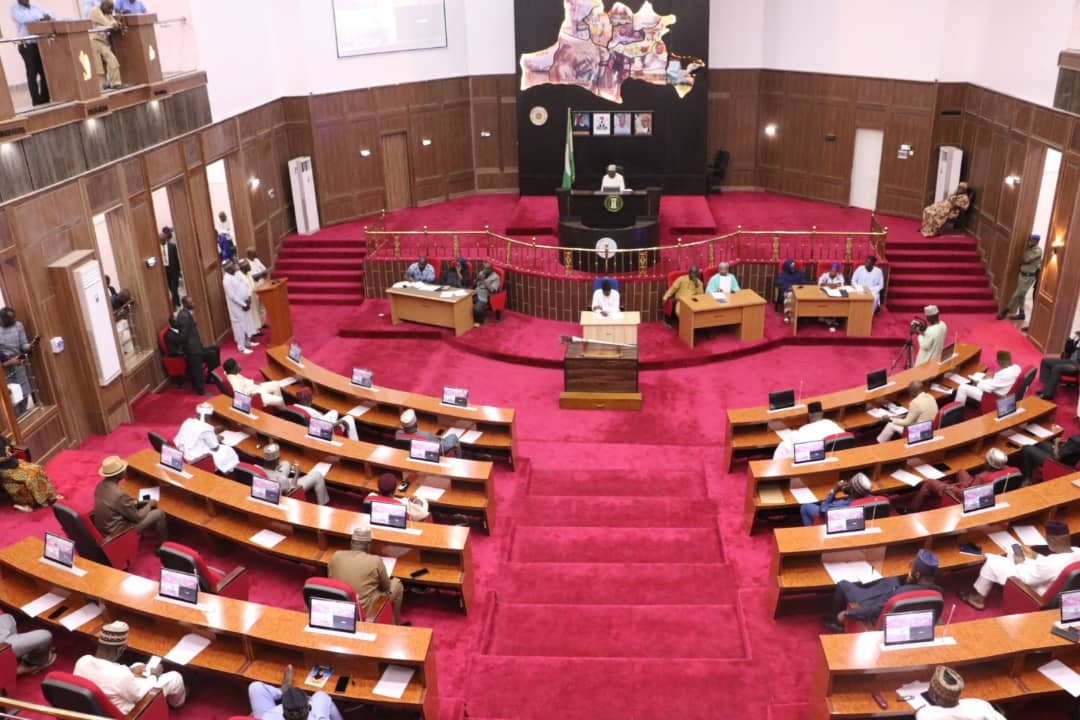
During the passage of the bill, the Speaker of the House, Rt. Hon. Somtochukwu Udeze, commended Sir Ejike Okechukwu and the Joint Committees on Trade, Commerce and Industry, Judiciary and Justice for their dedication in fine-tuning the legislation. He described the new law as a “landmark achievement”, emphasizing that it will not only protect young apprentices but also strengthen Anambra’s business community and economy.
According to him, the bill reflects Anambra’s commitment to preserving cultural heritage while adapting it to the needs of modern society.
Preserving Culture, Driving Development
The passage of the Igba Boi Bill is more than just legislation. It is a statement of cultural pride and economic foresight. For generations, the Igbo apprenticeship system has been recognized internationally, with scholars and economists praising its ability to reduce unemployment, encourage entrepreneurship, and foster community-based economic growth.
By passing this bill, Anambra State has positioned itself as a pioneer in institutionalizing indigenous economic practices. Experts believe that this move will inspire other states in Nigeria, and possibly across Africa, to adopt similar frameworks.“This is not just about apprentices; it’s about securing the future of entrepreneurship in Anambra and Nigeria at large,” said one observer. “The system has worked informally for decades.
With the law now backing it, we can expect more accountability, fairness, and economic progress.”
Read: Rasheedat Ajibade Seals Big Move to Paris Saint-Germain on Three-Year Deal
Why This Matters for Nigeria’s Youth
Nigeria faces rising youth unemployment, with millions of young people seeking sustainable livelihoods. The formalization of the Igba Boi system comes at a time when many are calling for more homegrown solutions to economic challenges. By ensuring fair treatment and settlement of apprentices, the law gives young Nigerians renewed confidence in apprenticeship as a pathway to financial independence. It also reassures parents and guardians that their children’s years of service will lead to tangible opportunities and not wasted effort.
The passing of the Igbo Apprenticeship Bill in Anambra marks a historic moment for both culture and economy. It acknowledges a practice that has stood the test of time and gives it the structure needed to thrive in the modern era. As the law takes effect in September, many Nigerians will be watching closely to see how it reshapes youth empowerment, business growth, and cultural preservation in the state and beyond.
For more positive news that celebrate culture, innovation, and progress, follow RefinedNG. We’re your number one stop for all things positive—bringing you the updates that matter most. Stay connected, stay informed, and stay inspired with us.