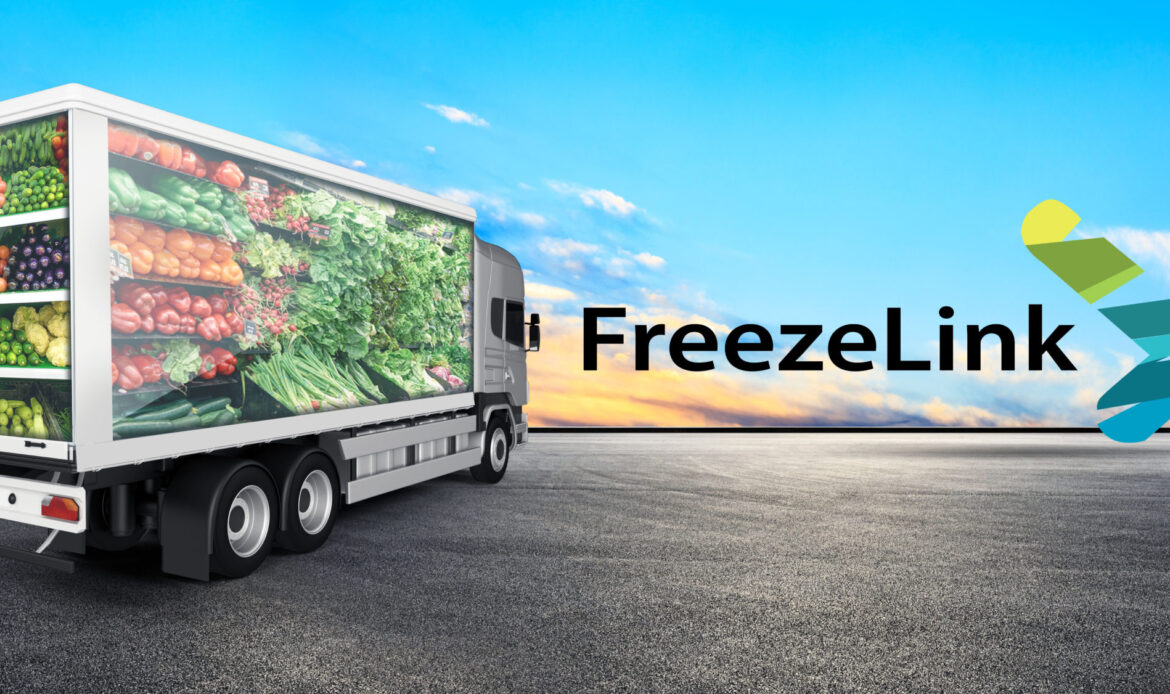
In a region where sunlight shines abundantly but reliable refrigeration remains scarce, the journey of a single vaccine or a pack of fresh fish often encounters significant challenges. In most of West Africa, particularly Ghana, the cold chain either breaks down or never even exists. However, amidst this infrastructural gap, one startup is actively building the logistics backbone necessary to keep food fresh, medicines safe, and businesses thriving.
That startup is FreezeLink. And if you haven’t heard of it yet, that’s about to change.
In 2024, Bloomberg named FreezeLink one of the top African startups to watch. But long before the media spotlight, its mission was already clear: to build the refrigeration infrastructure that Africa’s supply chains desperately need. Whether it’s vaccines for rural clinics or perishable produce for city supermarkets, FreezeLink is on a mission to keep things cold – and, by extension, keep them moving.
The Cold Chain Crisis: What’s Broken and Why It Matters
In many African countries, the journey from farm to fork or manufacturer to pharmacy is full of friction. Trucks break down. Power grids fail. And in sectors where temperature control is not optional – like food, medicine, and agriculture – these delays are not just inconvenient. They’re dangerous.
In Ghana, an estimated 40% of agricultural produce goes to waste due to poor cold storage. In healthcare, vaccines lose efficacy if exposed to even short periods of heat. For businesses, this means lost revenue. For communities, it can mean life or death.
Cold chains – the systems that keep goods refrigerated from origin to destination – are vital for any modern economy. Yet in Africa, they remain one of the most underdeveloped links in the logistics puzzle. That’s the problem FreezeLink set out to solve.
Read: Moove: How a Nigerian-Born Startup is Driving the Global Mobility Revolution
Founding Story: A Problem You Can’t Unsee
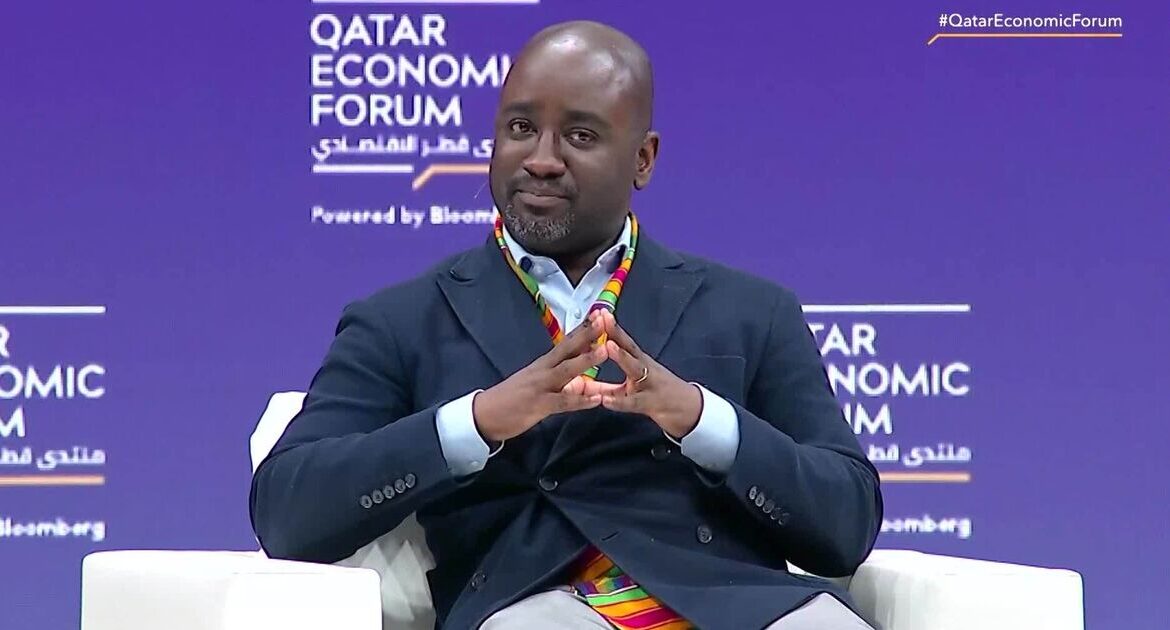
FreezeLink was born out of frustration. Its founder, Owusu Akoto, had seen firsthand how poor refrigeration affected everything – from smallholder farmers unable to sell their harvests, to public hospitals struggling to store temperature-sensitive medication. The infrastructure simply wasn’t there.
In 2019, Owusu launched FreezeLink with a clear goal: build a scalable cold chain logistics network that works in the African context – reliable, affordable, and built for local realities. Starting with a fleet of temperature-controlled vehicles and strategically located cold storage hubs, FreezeLink began mapping out a system where none existed before.
The early days weren’t easy. High diesel costs, unreliable roads, and limited financing made growth slow. But with a small, determined team and a clear value proposition, FreezeLink started gaining traction – one client, one delivery, one cold chain link at a time.
Momentum and Recognition: Bloomberg and Beyond
In 2024, FreezeLink hit a major milestone: it was featured on Bloomberg’s list of Top African Startups to Watch. It wasn’t just a feel-good headline – it was a validation of years of groundwork. Behind the scenes, FreezeLink had quietly built partnerships with hospitals, food distributors, pharmaceutical suppliers, and international development agencies.
But more than the recognition, it was the trust FreezeLink had earned in the ecosystem that made the difference. Businesses were no longer asking, “Why do we need a cold chain?” They were now asking FreezeLink how to build one.And FreezeLink had the answers.
From frozen chicken deliveries to Accra’s top retailers to life-saving vaccines reaching Ghana’s northern clinics, the startup proved it could move temperature-sensitive cargo across unreliable terrain without breaking the chain.
The Bigger Picture for FreezeLink
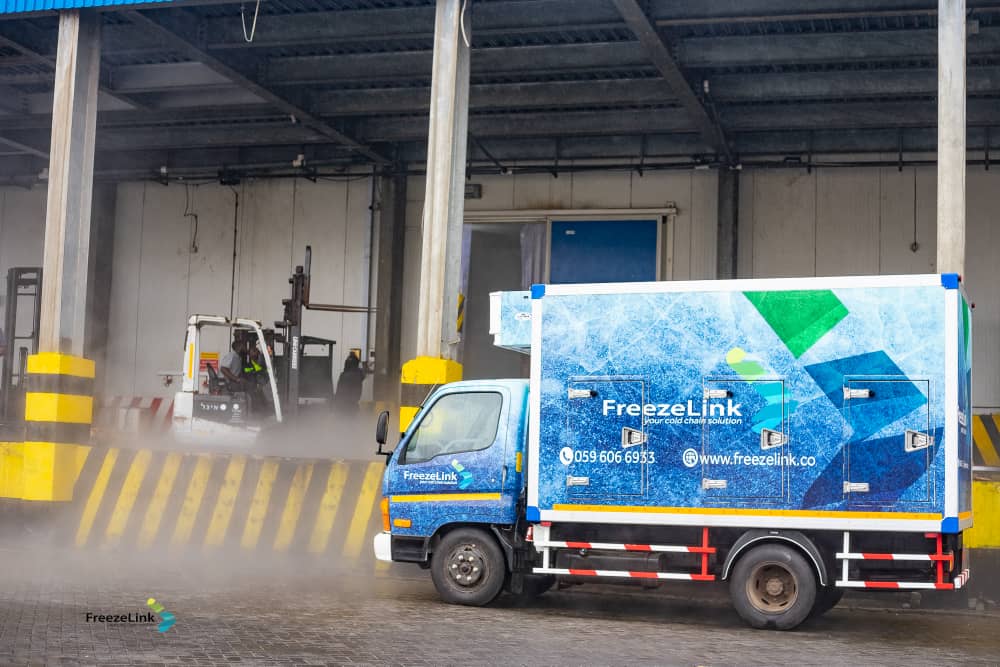
While the word “startup” often brings to mind flashy apps and software, FreezeLink is building something more physical, more foundational — infrastructure.
Its innovation isn’t in writing code, but in building systems that work where others fail. FreezeLink combines hardware (like refrigerated trucks and cold rooms) with smart logistics software that tracks temperatures, monitors routes, and ensures compliance with global cold chain standards. In doing so, it’s not just improving logistics. It’s helping Ghana (and eventually other African countries) leapfrog into a future where infrastructure is smart, distributed, and resilient.
And it’s not just about profits. FreezeLink’s work has implications for food security, public health, and economic resilience – all critical pillars of development in a continent facing rapid urbanization and climate risk.
What’s Next for FreezeLink?
Looking ahead, FreezeLink has its eyes on scale. The company plans to expand its fleet, build more cold storage hubs, and grow its footprint beyond Ghana to other West African markets like Nigeria and Côte d’Ivoire.It’s also exploring partnerships with agritech platforms, health NGOs, and regional trade initiatives to plug its cold chain solutions directly into supply chains that matter.
There’s talk of more investment. There’s interest from multinationals. But at its core, FreezeLink remains focused on the same question that started it all: How do we keep things cold in places where it’s hardest to do so?
The answers, it turns out, are shaping the future of African logistics.
Read: Temidayo Oniosun Sends Egusi Seeds to the International Space Station
Why This Story Matters
FreezeLink’s rise is more than a business story. It’s a signal. A reminder that some of the most powerful innovations in Africa are happening far from the spotlight – in trucks, in warehouses, on dusty roads, and inside coolers humming quietly under the sun.
It’s also proof that when infrastructure works, everything else works better. Farmers sell more. Hospitals save lives. Entrepreneurs build faster.
As Africa charts its path forward, stories like FreezeLink’s remind us that innovation isn’t always digital. Sometimes, it’s cold