
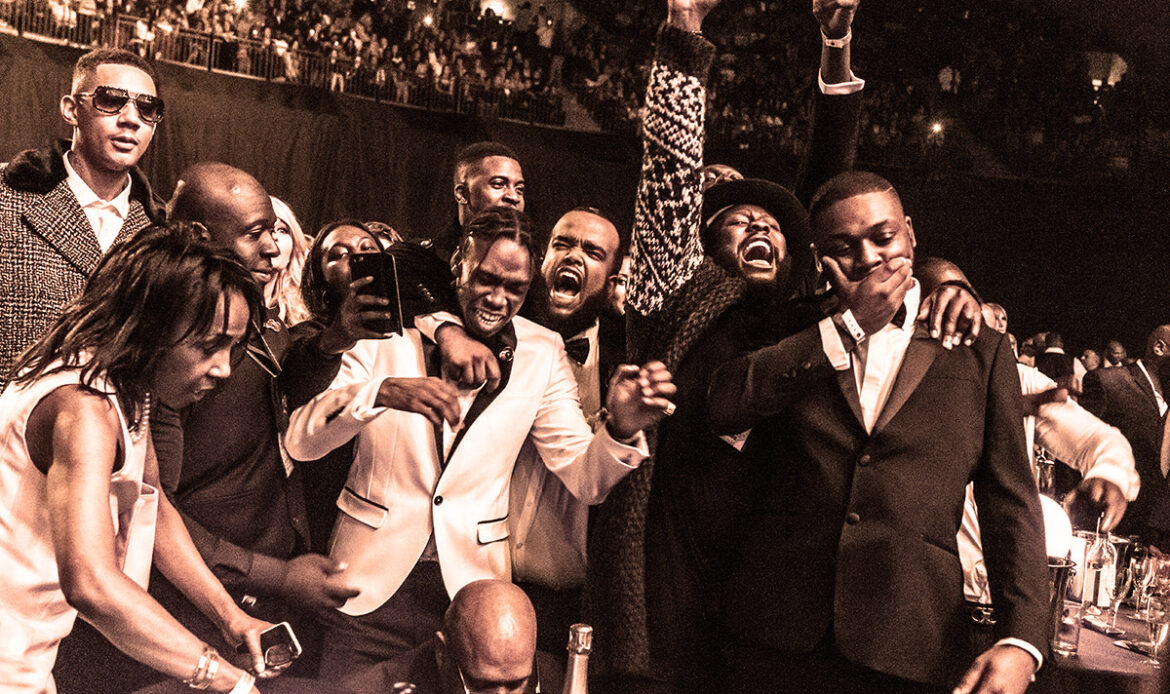
As we look forward to the MOBO Awards tonight, all eyes will be on the biggest winners. But beyond the ceremony, few people know the backstory of the prestigious MOBO Awards.
In the mid-1990s, if you wanted to hear Black music celebrated on British television, you were largely out of luck. Jungle was rattling through pirate radio frequencies. R&B was filling dance floors from Brixton to Birmingham. Reggae, Hip-Hop, and Dancehall had entire generations of young people completely devoted to them.
And yet, when the mainstream award ceremonies came around, none of it existed. The stages were set, the trophies were polished, and Black music was simply not in the conversation.
One woman decided that was unacceptable and she did something about it from her bedroom.
Read: Africans Who Have Won Multiple MOBO Awards
A Dream Built From a Bedroom and a Tight Deadline
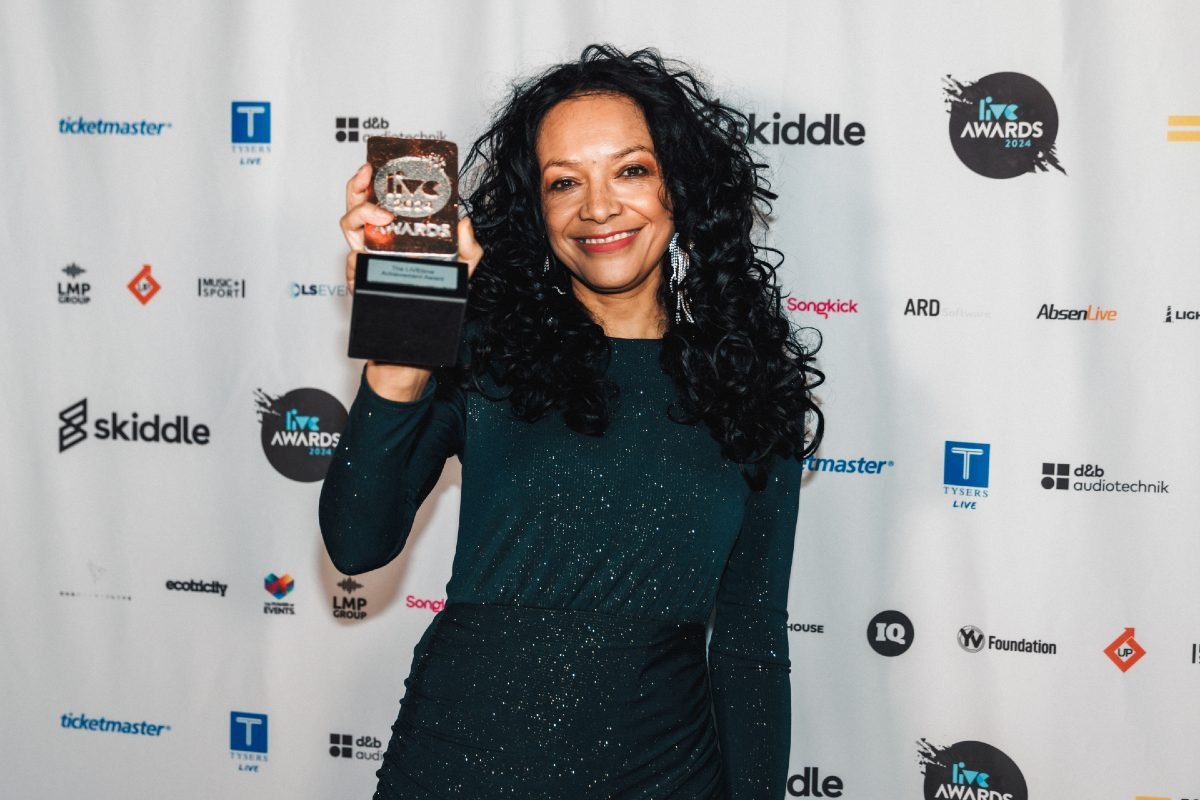
Kanya King had been watching the gap for years. She worked in television, mixed in music circles, and kept seeing the same thing: extraordinary talent that could not get a deal, could not get a platform, could not get recognised by an industry that had been built, in large part, on the very music it was now ignoring.
So she started small. She organised music showcases at local venues, mostly out of pocket, mostly through word of mouth. The turnout consistently surprised her. Hundreds of people would show up, hungry for exactly what she was offering. The response told her something important; the audience was there. The industry just was not paying attention.
By 1996, King had decided to think bigger. She teamed up with business partner Andy Ruffell, mortgaged her house, took out loans, and organised the first MOBO Awards; Music of Black Origin, in six weeks, from a makeshift office in her bedroom, on what she later described as a ‘bird-feed’ budget. The naysayers were loud. The industry was sceptical. She went ahead anyway.
The Night That Changed Everything
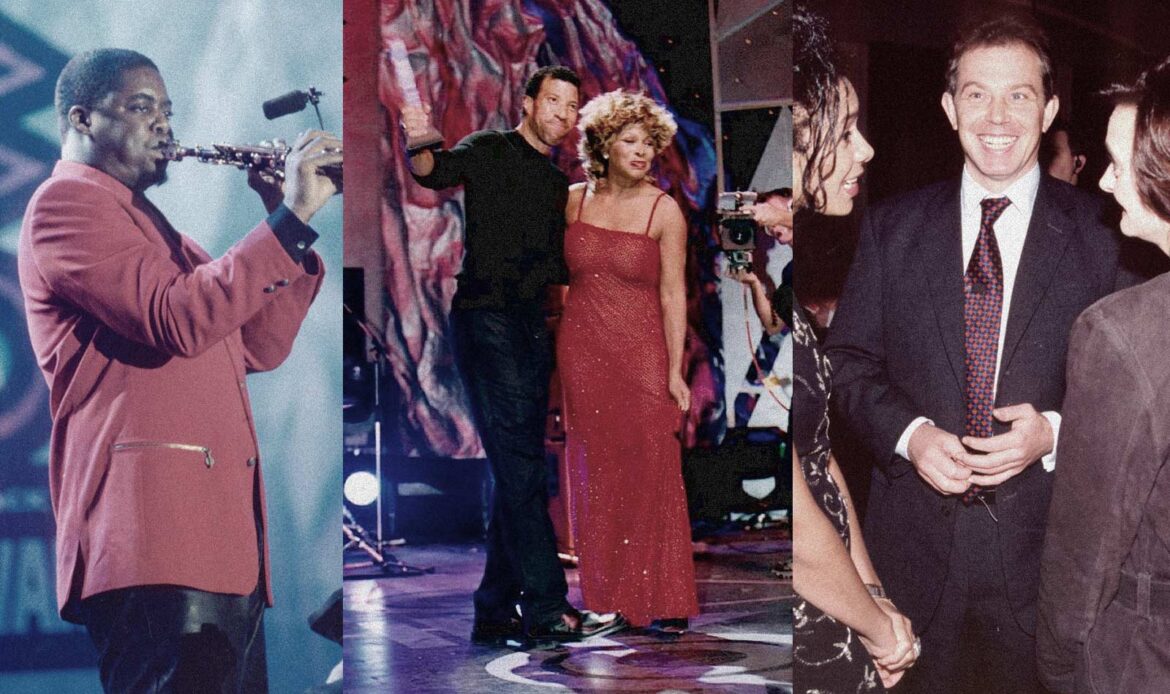
The first MOBO Awards ceremony took place at the Connaught Rooms in London. It was a sit-down dinner rather than a grand televised spectacle, but significant from the very first moment. The show was broadcast on Carlton Television and featured performances from artists including Mary J. Blige, with winners that night including Goldie, Gabrielle, and Tupac Shakur.
The very first MOBO trophy ever handed out went to UK trio, Baby D for Best Dance Act.Then-leader of the opposition, Tony Blair, attended. The ceremony reached audiences who had never seen their musical world reflected back at them on a mainstream stage. By the time the broadcast moved to Channel 4, MOBO had established itself as must-watch television.
What made it different from every other awards show was its intentional openness. MOBO was not exclusively for Black artists, it was for music of Black origin, regardless of who was performing it. There was no Best Male or Best Female category. The music was the focus, and the celebration was the point.
The awards moved quickly with the culture. When Garage took over every dance floor and car speaker in the country, MOBO created a Best Garage category. When Grime detonated out of east London’s tower blocks, the MOBOs eventually gave it its own category too, in 2015, honouring Skepta, Wiley, and Stormzy at a moment when Grime was impossible to ignore. Drill followed.
The ceremony kept moving because the music kept moving, and MOBO moved with it.
Read: Nigerian Artists Lead African Charge at the 2026 MOBO Awards
Thirty Years On and Still Defining the Culture
Kanya King received an MBE in 1999 for her contribution to the music industry. She later received a CBE. But the awards themselves have become a cultural institution in their own right, the first Black awards show in Europe, now reaching audiences across more than 250 million people globally and broadcasting from venues including the Royal Albert Hall, OVO Arena Wembley, and arenas in Sheffield and Newcastle.
Over 500 trophies have been awarded across roughly 1,500 nominations. The list of artists who have performed, won, or been launched by the MOBOs reads like the history of modern Black British music, Craig David, Amy Winehouse, Stormzy, Little Simz, Dave, Ghetts, Ms Dynamite, and hundreds more.
What started in a bedroom on a tight deadline and almost no budget is now thirty years old and still the most important night in Black British music. Kanya King saw a gap that the industry refused to acknowledge and built something that outlasted every reason she was given to stop.
That is a story worth telling every year.
Follow RefinedNG for more stories on African and Black culture, music, and excellence. Visit us at www.refinedng.com or subscribe to our newsletter and get them straight to your inbox.