
For nearly three decades, the National Arts Theatre in Lagos stood as a faded monument — a proud symbol of Nigeria’s cultural golden age left in disrepair. Now, thanks to a ₦68 billion investment by the Central Bank of Nigeria (CBN) and the Bankers’ Committee, the landmark has not only been restored to life but also renamed in honour of Nobel Laureate Prof. Wole Soyinka, becoming the Wole Soyinka Centre for Culture and the Creative Arts.
The reopening, held as part of Nigeria’s 65th Independence Anniversary celebrations, was more than a ribbon-cutting ceremony — it was a symbolic revival of national pride, creativity, and unity.
A Historic Renovation Rooted in National Pride
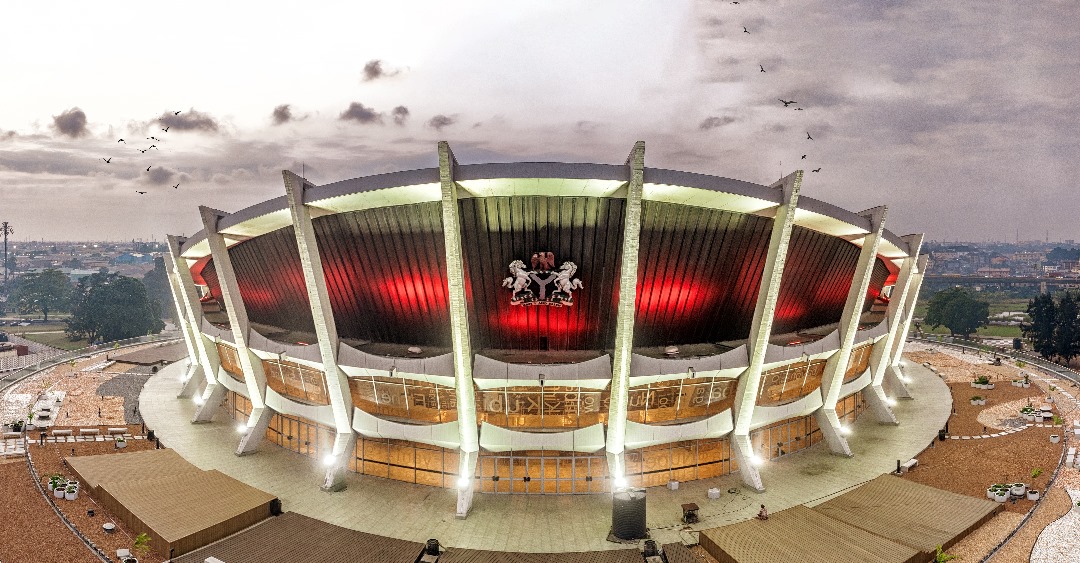
The renovation, which began in July 2021 after approval by the Federal Government, has transformed the iconic edifice into a world-class facility. Originally completed in 1976 under the Olusegun Obasanjo administration, the National Theatre famously hosted FESTAC ’77, the Second World Black and African Festival of Arts and Culture, cementing its place as a cultural hub in Africa.
Today, its return to glory mirrors Nigeria’s renewed investment in its creative economy. The Bankers’ Committee funded and delivered the project, while the Ministry of Arts, Culture and Creative Economy provided policy guidance to ensure the theatre’s revival was more than cosmetic. It is now positioned as a launchpad for Nigeria’s growing creative industries.
Read: How Lisa Folawiyo Turned Ankara Into a Global Luxury Statement
What the Renovation Brings
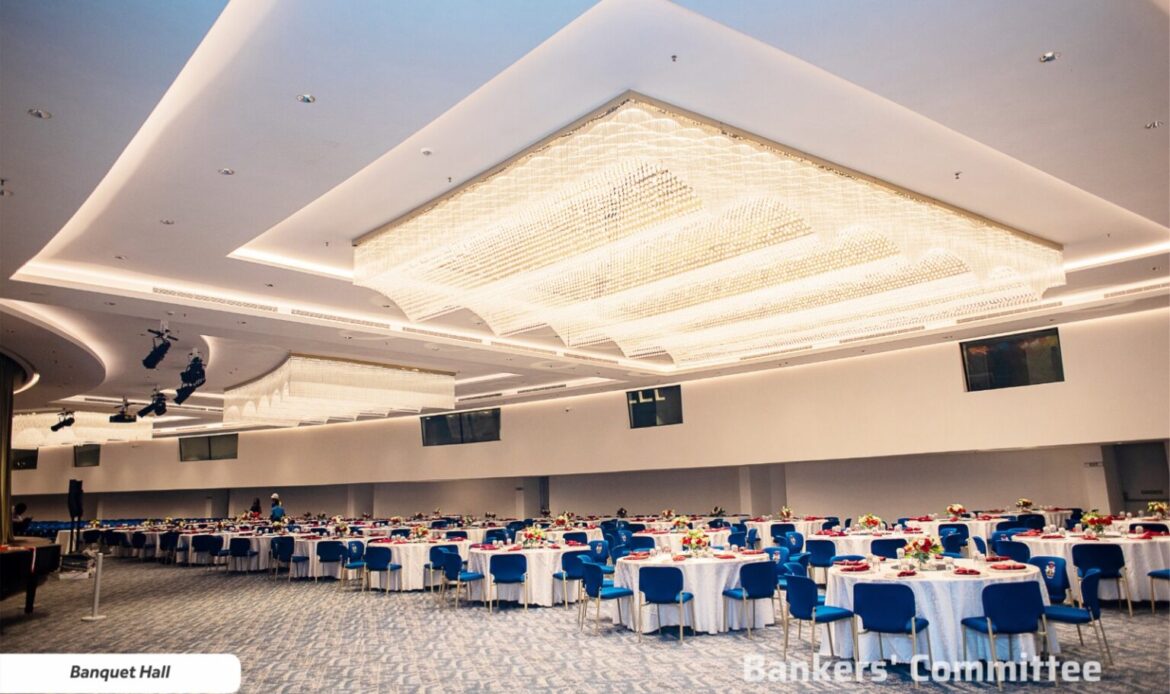
The upgraded centre is nothing short of transformative. Facilities were overhauled to meet international standards, including:
- A fully refurbished 4,000-seater main bowl and 3,000-seater banquet hall.
- Cinemas, exhibition halls, VIP spaces, and a modern industrial kitchen.
- Restoration of over 300 artworks, including stained-glass installations and internal wall panels.
- 17 new passenger lifts, advanced audio-video-lighting systems, and world-class stage engineering.
- Upgraded HVAC system, power, water, sewage, and fire safety installations.
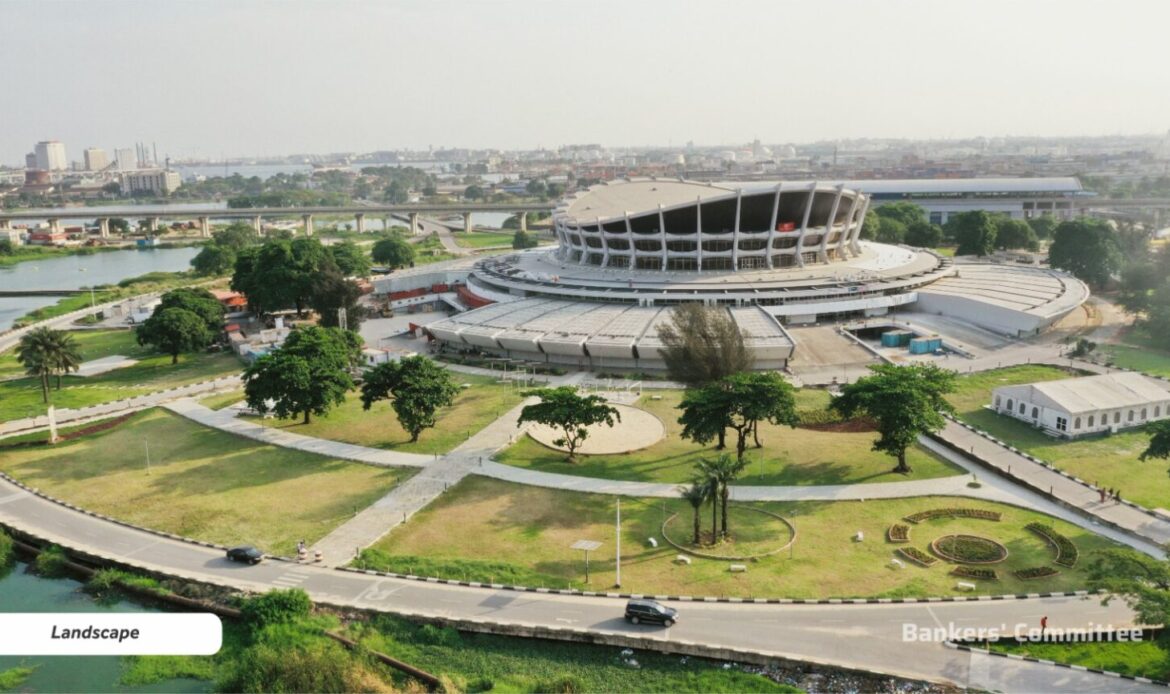
- Exterior enhancements such as themed landscapes, a 250-car capacity car park, ring road repairs, street lighting, and CCTV for security.
Lagos State Governor Babajide Sanwo-Olu, who toured the facility during its final stages, described the new centre as not only a hub for arts and tourism but also a venue that can now host international conferences and performances of the highest calibre.
A New Identity: The Wole Soyinka Centre
The renaming of the theatre after Prof. Wole Soyinka, Nigeria’s Nobel Prize-winning playwright and one of Africa’s most celebrated cultural icons, was central to the reopening. President Bola Ahmed Tinubu, in his remarks, called Soyinka “one of our greatest assets to the world” and noted that the honour reflects the playwright’s lifelong commitment to nation building, freedom, and cultural preservation.
Soyinka himself, while expressing surprise at the renaming, acknowledged the significance of anchoring African culture within the continent. “It is my hope,” he said, “that this centre will reverse the regrettable trend where African cultural treasures are too often celebrated outside Africa rather than at home.”
Read: Pearl Nkrumah Becomes First Female MD of Access Bank Ghana
A Shared Vision for the Future
CBN Governor Olayemi Cardoso, whose leadership completed the renovation initiated under his predecessor Godwin Emefiele, described the project as an investment in youth, culture, and national pride. He noted that the centre will generate billions in revenue yearly, create jobs, and serve as a beacon of innovation and unity.
The integration of the theatre with the Lagos Blue Line rail system ensures easy access and connects culture directly into the pulse of city life. Cardoso emphasised that this was possible only through the public-private partnership model, showcasing the transformative power of collaboration between government and the private sector.
Minister of Arts, Culture, Tourism, and Creative Economy Hannatu Musawa added: “This project is not just a renovation; it is a gift to the nation — a living space for our youth, our artists, and the global community to connect with Nigeria’s creative heartbeat.”
Why It Matters
Beyond the bricks and mortar, the rebirth of the National Arts Theatre stands as a reminder of what Nigeria can achieve when vision and collaboration align. It symbolises not just a return to the past, but a bold step into the future — where Nigeria’s cultural legacy is celebrated and its creative industries are given room to thrive.
As President Tinubu said during the inauguration: “This centre will not disintegrate in my arms. Nigeria will be great again.”