
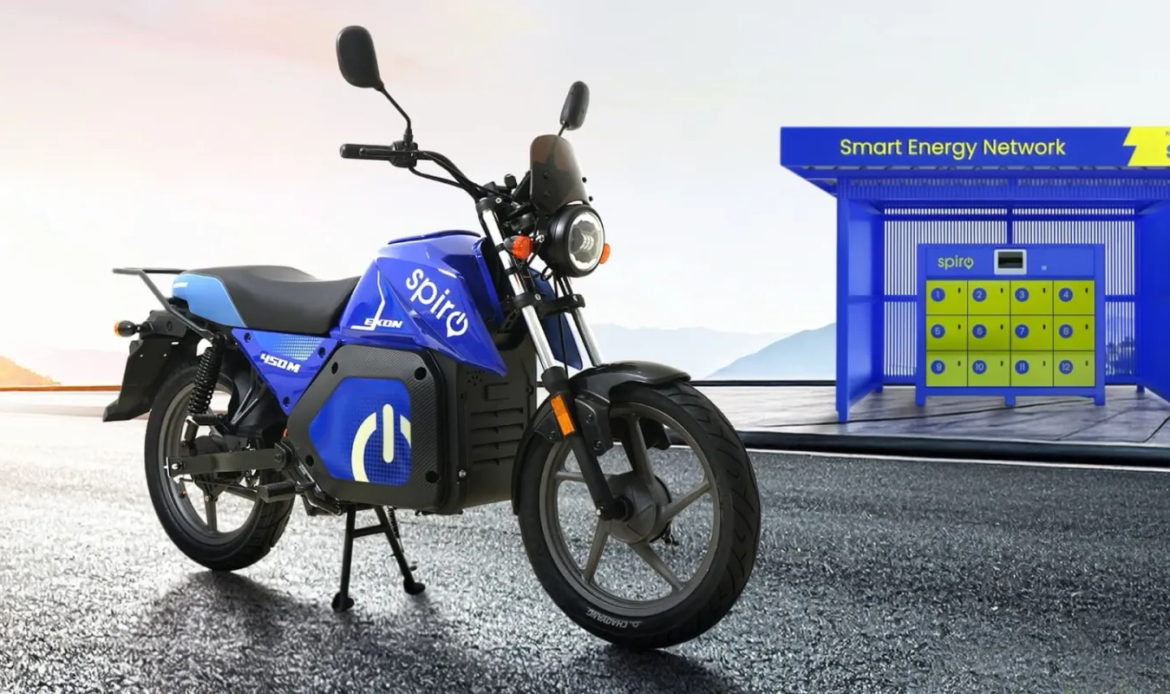
Electric mobility firm, Spiro, has secured $50 million in fresh debt financing to accelerate the expansion of its battery-swapping infrastructure across Africa, strengthening its position as one of the continent’s most aggressive clean transport players.
The financing round includes participation from African Export-Import Bank (Afreximbank), climate-focused investor Nithio, and the Africa Go Green Fund managed by Cygnum Capital. The new facility follows a $100 million investment raised in October 2025, underscoring sustained institutional confidence in the electric mobility sector.
Read: Ghana Startup Midiarack Makes Advertising Easier for SMEs
Scaling Infrastructure Across Key African Markets
Spiro plans to deploy the new capital toward expanding its battery-swapping network in both existing and new markets. The company currently operates in Kenya, Uganda, Rwanda, Nigeria, Benin, and Togo, with pilot programs underway in Cameroon and Tanzania.
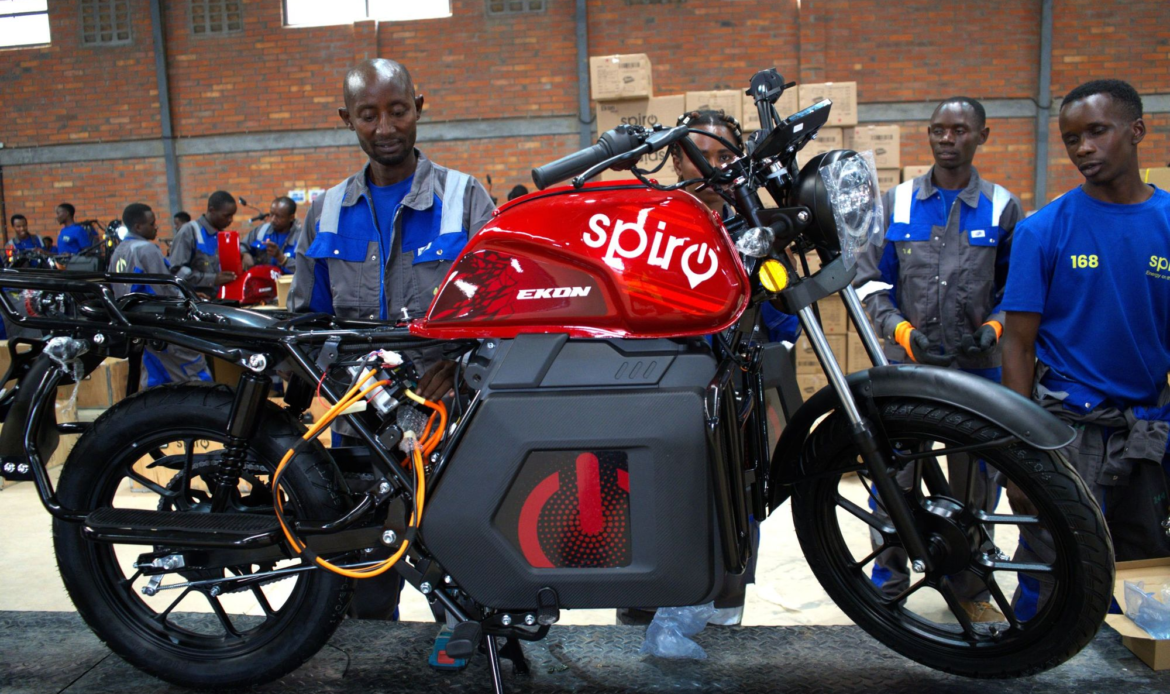
Central to its strategy is the development of automated battery-swapping systems, fast-charging solutions, and renewable energy integration. Chief Executive Officer, Kaushik Burman, noted that the goal is to build energy infrastructure designed specifically for African mobility needs, rather than adapting imported models.
Battery swapping remains a critical differentiator for Spiro. Instead of requiring riders to wait hours for charging, the company enables near-instant battery exchanges at dedicated swap stations. This significantly reduces downtime for commercial riders, particularly motorcycle taxi operators who depend on daily trip volumes for income.
The company reports deploying over 80,000 electric bikes and distributing more than 300,000 batteries across its markets. Riders on the platform have completed more than 30 million battery swaps, supported by over 2,500 active swap stations. According to company figures, this network has enabled over one billion carbon-free kilometres travelled.
Such metrics position Spiro among the most active electric two-wheeler operators on the continent, where motorcycle taxis remain a dominant mode of urban transportation.
Read: African Defence Tech Startup, Terrahaptix, Reaches $100m Valuation
Institutional Backing Signals Sector Maturity
The participation of Afreximbank, Nithio, and the Africa Go Green Fund highlights a broader shift in how development finance institutions view electric mobility. Rather than niche climate experiments, large-scale e-mobility platforms are increasingly being treated as core infrastructure investments.
For Afreximbank, support for electric transport aligns with its mandate to promote sustainable iindustrialisationindustrialization and regional value chains. Backing companies like Spiro allows the bank to finance green manufacturing, clean energy integration, and job creation simultaneously.
Nithio’s involvement reflects growing interest in climate fintech models that combine data-driven credit assessment with distributed clean energy assets. Meanwhile, the Africa Go Green Fund continues to focus on measurable environmental and social impact across emerging markets.
The deal also comes amid a wave of funding activity in Africa’s clean transport ecosystem, suggesting that the market is moving from pilot-stage experimentation to structured, large-ticket financing.
Manufacturing, Technology, and Long-Term Vision

Since its founding in 2022, Spiro has pursued vertical integration, combining vehicle assembly, battery production partnerships, and energy infrastructure deployment. The company has launched assembly facilities across multiple African countries and continues to localise parts of its supply chain.
The new financing will further strengthen its technology stack. Automated battery swap systems, improved charging speeds, and renewable-powered stations are expected to reduce operational costs while improving rider experience.
Beyond emissions reduction, the company positions electric mobility as an economic lever. Lower fuel costs and predictable energy pricing can increase profit margins for commercial riders. At scale, local assembly operations also support industrial development and employment.
Spiro has repeatedly emphasised its ambition to build a pan-African energy network capable of supporting millions of electric two-wheelers over the coming decade. With cumulative funding now exceeding hundreds of millions of dollars, the company appears intent on consolidating leadership in a market that is quickly attracting both global and regional competitors.
As African cities grapple with air pollution, fuel price volatility, and rapid urbanisation, electric mobility is increasingly seen as a structural solution rather than a temporary trend. Investors are betting that scalable battery infrastructure, not just vehicle sales, will determine long-term winners in the sector.
If current momentum holds, Spiro’s expansion could reshape how short-distance transport is powered across the continent.
Want in-depth coverage of Africa’s tech, climate, venture capital, and innovation ecosystem? Follow RefinedNG for detailed industry analysis, breaking funding news, and exclusive insights shaping the future of technology in Africa. Join our WhatsApp channel and never miss a major development.