
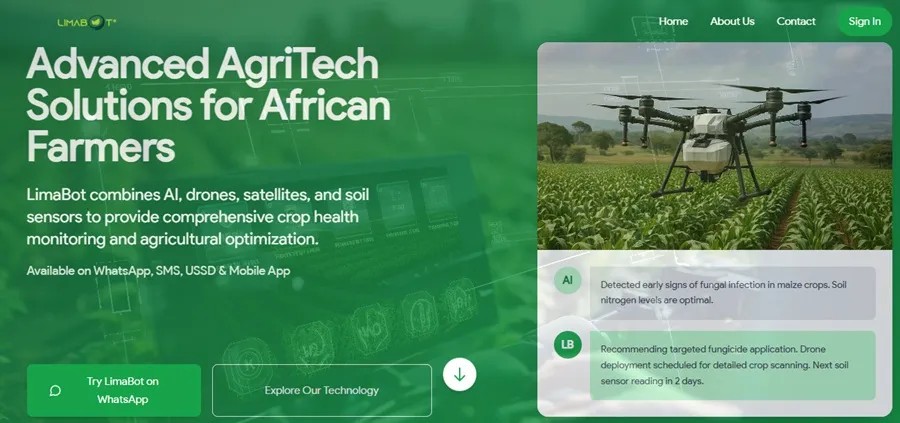
Across Africa, agriculture feeds millions, yet it remains one of the most under-supported sectors. Smallholder farmers deal with crop diseases, pests, unpredictable weather, and rising input costs. On top of that, many lack access to timely agronomic advice and affordable finance. When a harvest fails, the impact is immediate and personal.
In Tanzania, these challenges show up daily on small farms where decisions often rely on guesswork or late intervention. This is the gap LimaBot AI set out to address. Built in Arusha in 2024, LimaBot is using artificial intelligence to help farmers monitor crops, reduce losses, and access finance using tools they already trust. The goal is simple. Give farmers reliable information when it matters most, and connect that data to real economic opportunity.
That clarity of purpose shapes everything LimaBot does.
Read: 5 Things People Missed About Khaby Lame’s $975M Sale
From Field Photos to Farm Decisions
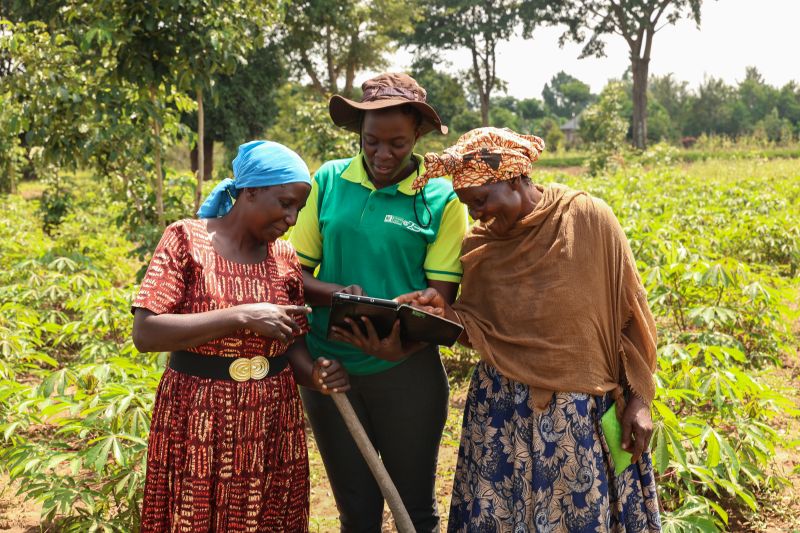
LimaBot works as a last-mile digital extension service. Farmers can interact with the platform through WhatsApp, SMS, USSD, or a mobile app. This matters because many rural areas face connectivity limits and varying levels of digital literacy. LimaBot meets farmers where they are.
A farmer can send a photo of an affected crop or describe symptoms by text. The AI analyses the input and provides a diagnosis for diseases, pests, or nutrient deficiencies. It then recommends treatment options, preventive steps, and in some cases, weather-informed guidance to reduce future risk.
The platform currently supports major East African crops such as maize, beans, cassava, tomatoes, bananas, and coffee. Advice is localised and practical, not generic. That focus on relevance helps farmers act faster and with more confidence.
Building on this crop health layer, LimaBot introduced LimaPay. This fintech service uses structured farm activity and crop data to assess creditworthiness. Instead of asking for traditional collateral, LimaPay looks at real farm performance. The result is access to loans and quality agricultural inputs that align with how farmers actually operate.
By linking agronomy and finance, LimaBot turns insight into action.
Real Adoption and Measurable Impact

LimaBot’s approach is gaining traction. More than 12,000 farmers in Tanzania and Kenya have already used the platform for crop diagnosis and agronomic advice. This level of adoption reflects clear demand for fast, trusted support.
The outcomes are tangible. Some farmers report up to an 80 percent reduction in crop losses from issues like tomato blight. Others see yield increases ranging from 40 to 100 percent, depending on crop type and intervention timing. These gains translate directly into income stability and food security.
LimaPay has also shown strong early demand. Farmers value credit that reflects their actual effort and performance, not paperwork barriers. Access to quality inputs further strengthens productivity and sustainability.
LimaBot works with partners such as the Tanzania Farmers Association to expand reach and trust. As farmers engage with the platform, they also build skills over time. Better diagnosis leads to better practices, which strengthens resilience against climate shocks and volatile markets.
This farmer-first model keeps impact at the center of growth.
LimaBot: Building for Scale in Real Conditions
Like many agri-tech startups, LimaBot faces real challenges. Connectivity remains uneven in rural areas. Digital literacy varies widely. Agronomic advice must stay accurate and hyper-local to earn trust.
Read: 10 African Startups to Watch in 2026

Instead of seeing these as blockers, LimaBot used them to shape a more resilient product. SMS and USSD support ensure access even without smartphones. Continuous piloting improves diagnostic accuracy. Feedback from farmers directly informs product refinement.
The startup operates in Tanzania and Kenya and plans to launch LimaPay commercially in Tanzania soon. Expansion across East Africa and other similar markets is already in view.
LimaBot is currently raising a 250,000 dollar pre-seed round to support growth, product development, and market expansion. It has already raised about 40,000 dollars in grants from organisations including the African Union, Tony Elumelu Foundation, and Africa Sustainable Farming Initiative. Revenue streams include LimaPay loans, commissions on sustainable inputs, and farmer subscriptions.
The model shows how data, trust, and access can scale together.
Why LimaBot Matters for Africa’s Food Future
LimaBot proves that AI in agriculture does not need to be complex or distant. When designed with farmers in mind, it becomes practical, accessible, and transformative.
By combining crop intelligence with financial inclusion, LimaBot helps farmers protect yields, plan better, and grow with confidence. It also shows how African startups can solve deeply rooted problems using local insight and smart technology.
At RefinedNG, we believe stories like this deserve attention. They show how innovation quietly reshapes lives and systems. Follow RefinedNG for more industry spotlights on African startups, agriculture, and the ideas building a stronger future across the continent.