

More than 3,400 founders from 127 countries applied for the 2026 edition of the Aurora Tech Award. Only 30 moved forward. Eight of them are African women. That detail matters.
Organised by inDrive, the Aurora Tech award celebrates women-led startups in emerging markets. It began with a Top 100 list in December 2025. In January 2026, that narrowed to 30. By late February, the Top 10 finalists were confirmed. Winners will be announced between March and April 2026.
But before we get to the final ceremony, the bigger story is already clear. Across health, trade, finance, agriculture, mobility, and workplace systems, African women are building companies designed to solve real structural gaps.
Let’s meet them.
Healthcare: Fixing the System Behind the Pharmacy Counter
Healthcare often starts with a prescription. But in many parts of Africa, what happens next can be slow and uncertain. That is the gap Adeola Ayoola set out to close.

As CEO and co-founder of Famasi Africa, she is building pharmacy infrastructure, not just an online pharmacy. After travelling across Nigeria and speaking with pharmacy owners, her team discovered something basic but critical: many pharmacies lacked proper inventory software. Without real-time stock visibility, patients could not quickly find the medicines they needed.
Famasi responded by building a pharmacy operating system and POS terminal that helps pharmacies track stock, manage operations, and connect patients to available medication faster. Instead of owning every outlet, the company partners with existing pharmacies and aggregates them into a connected network.
Ayoola is also among the Top 10 finalists for the Aurora Tech Award. Her work reflects a wider truth: health innovation in Africa is increasingly about infrastructure.
And infrastructure does not stop at healthcare.
Trade: Removing Friction from Cross-Border Commerce
Trade powers small businesses. But cross-border sourcing can feel complex and risky, especially for African SMEs importing from China.
Omolara Sanni understands that first-hand. After running an e-commerce business and experiencing payment restrictions and trust issues, she co-founded Midddleman.
Read: 2026 Aurora Tech Award: Adeola Ayoola Makes Top 10
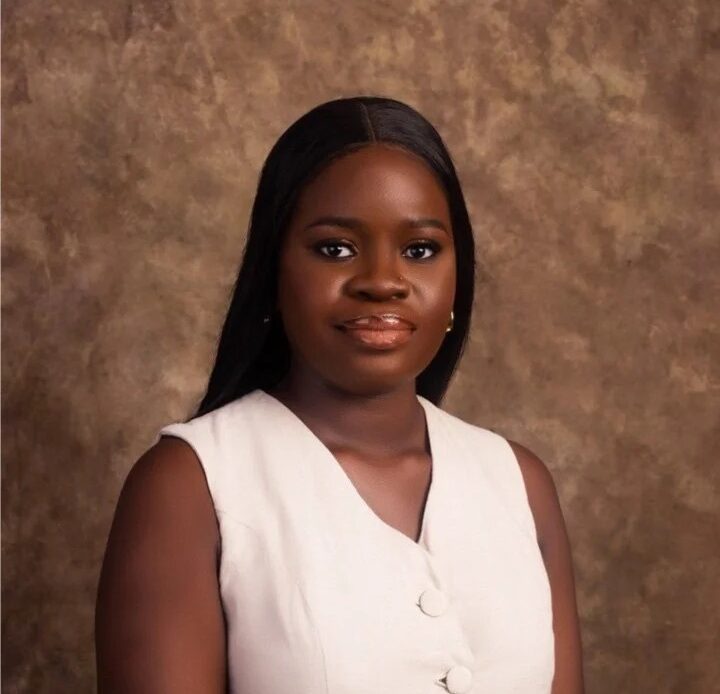
Midddleman helps African businesses source, pay and ship goods from China using AI-powered tools, verified agents and integrated logistics support. It simplifies a trade corridor worth billions, but often difficult for smaller players to navigate.
While Midddleman tackles sourcing, another founder is fixing what happens after a sale.

In Egypt, Nihal Ali co-founded Fincart. The company builds an operating system for e-commerce sellers. It helps merchants manage shipping, automate logistics, and unlock working capital. Fincart has already secured pre-seed funding to strengthen its courier network and expand its technology.
Together, these founders show a pattern. They are not building flashy marketplaces. They are building systems that make commerce reliable.
Finance, naturally, sits at the centre of that system.
Rethinking Savings and Farmer Finance
Across many African markets, currency swings and limited access to traditional savings tools create uncertainty. That is where Mai Masoud stepped in.
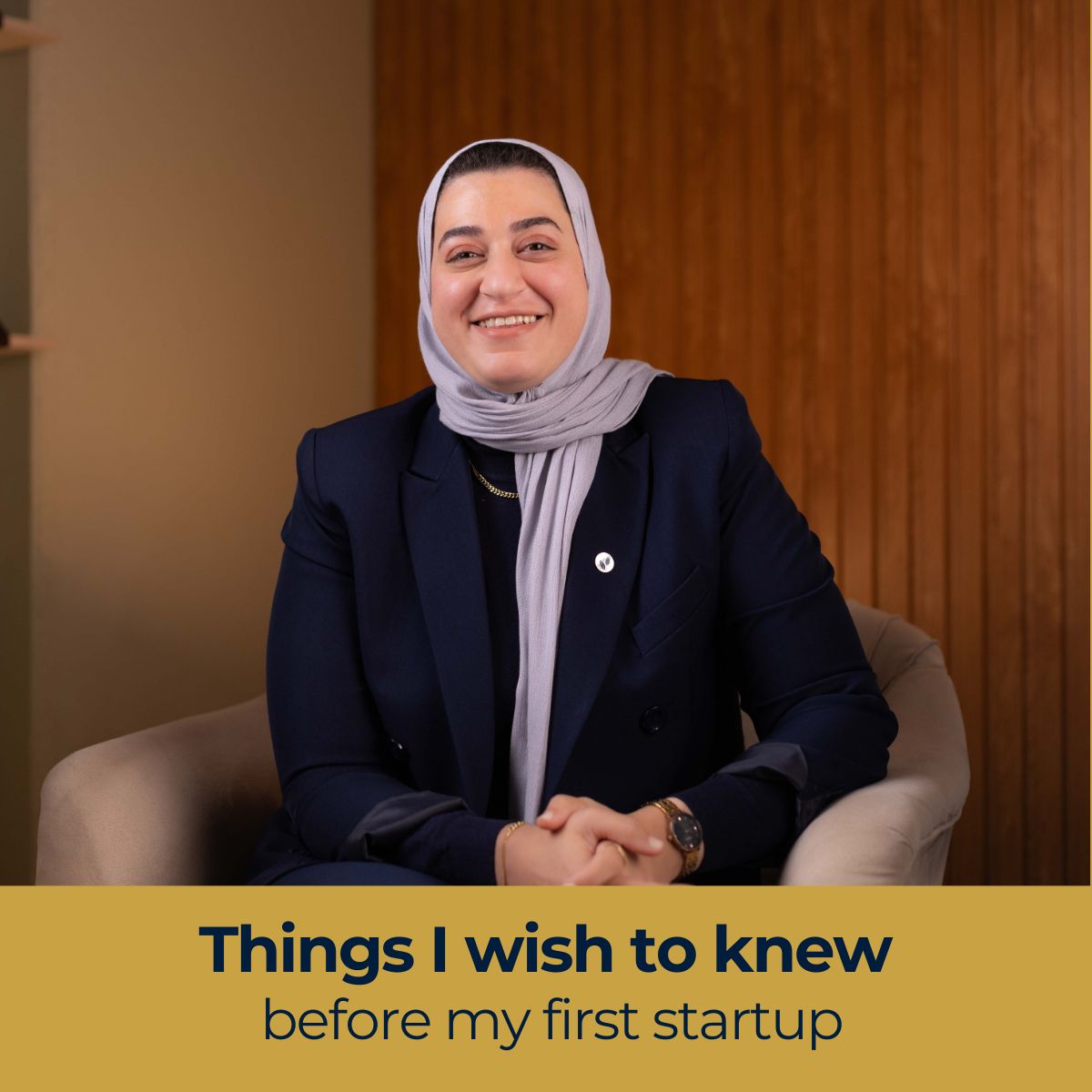
She founded Taiseer, a Sharia-compliant digital platform that allows users to save in gold starting from as little as one milligram. The idea is simple: make wealth preservation accessible and flexible. Taiseer combines micro-savings with the stability of gold, offering an alternative path for underserved communities.
From personal savings, the conversation moves to agriculture.
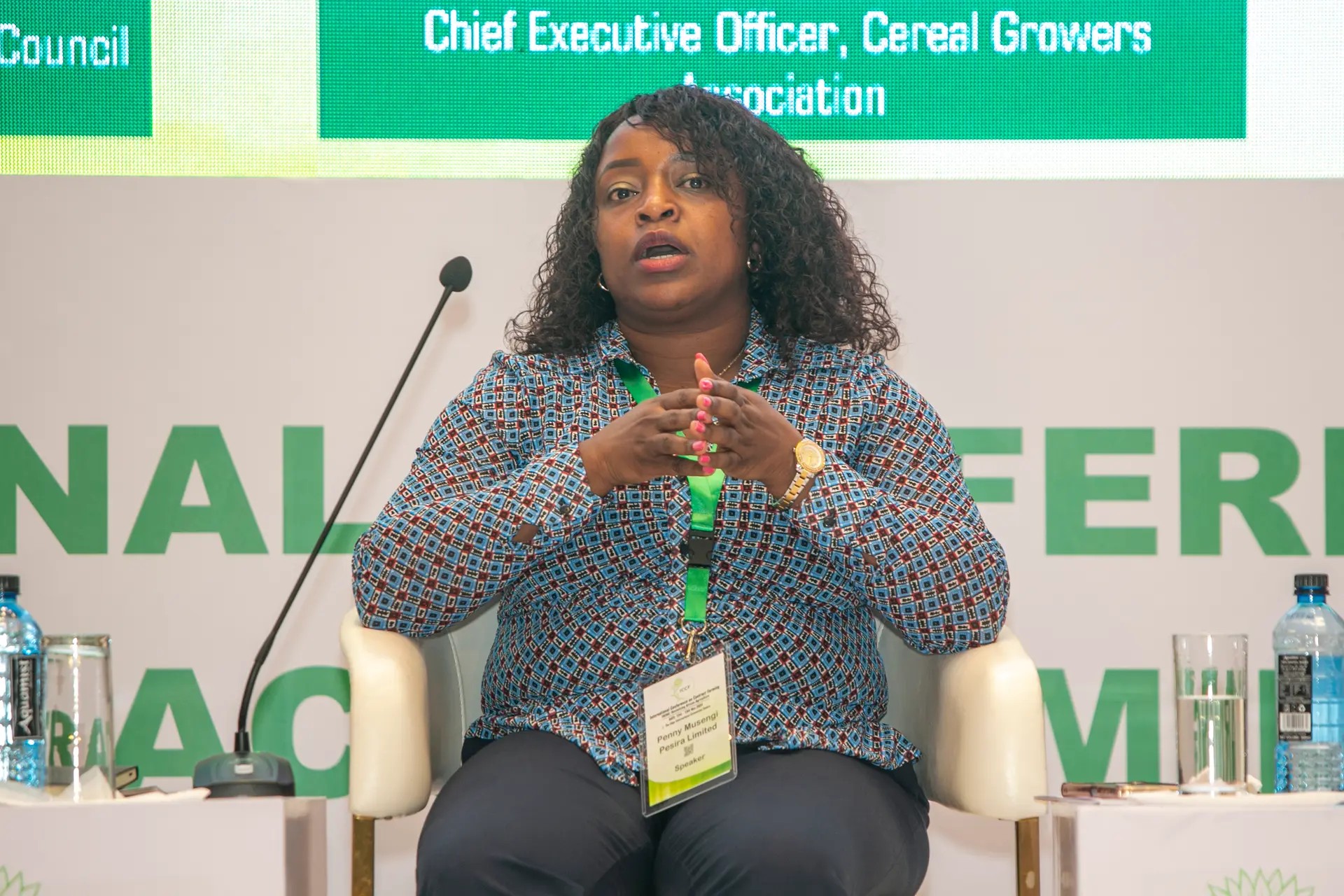
Penny Musengi leads Pesira Technologies in Kenya. Her company connects smallholder farmers to buyers, suppliers, and financial institutions through a digital platform. By linking agriculture with fintech tools, Pesira helps farmers to access finance, improve productivity, and participate more fully in formal markets.
In both cases, the goal is clear. Expand financial access. Reduce vulnerability. Build stronger economic foundations.And as economies grow, workplaces and cities must evolve too.
Read: Nnamdi Chife Returns to Terra Industries as VP
Building Better Workplaces and Cleaner Cities
Talent retention is no longer optional for growing businesses. Yet many small and medium-sized companies struggle to offer structured employee benefits.
Claudia Snyman co-founded MyBento to change that. The platform digitises employee benefits for SMEs, replacing paper-based processes with streamlined digital systems. It allows smaller companies to offer competitive benefits in a cost-effective way.
While Snyman focuses on the workplace, Wafa Dhifi is focused on the streets.

As co-founder of Pixii Motors, she is building AI-powered electric scooters supported by battery-swapping infrastructure. In fast-growing African cities where congestion and fuel costs strain commuters, electric mobility offers a cleaner and more affordable alternative. Pixii Motors positions itself within that shift.
At the same time, consumer priorities are changing.

Ireoluwa Obatoki founded Flance, a digital marketplace connecting individuals and organisations to on-demand wellness providers. As Africa’s urban middle class expands, demand for fitness and preventive health services continues to grow.
From HR systems to electric scooters to wellness access, these founders are responding to everyday realities.
What This Signals for Africa
Taken together, the eight founders reflect a broader shift. They are building infrastructure, not just apps. They are embedding AI into logistics, health, and mobility. Ultimately, they are creating financial tools for underserved communities. They are solving practical problems for SMEs, farmers and urban workers.
The 2026 Aurora competition offers $85,000 in prize money across its top three winners. But the larger value lies in mentorship, investor access, and global visibility. For women-led startups, especially in emerging markets, that exposure can unlock the next stage of growth.
The winners of the 2026 Aurora Tech Award will be announced in March or April 2026. Yet even before that moment, this shortlist already says something important. African women are not waiting for permission. They are building systems that shape how people trade, save, work, move, and access care. And the world is taking notice.
Follow RefinedNG for more spotlight stories on African founders and innovators shaping the continent’s next economy. Share this piece and join the conversation about the builders defining 2026 and beyond.