
For years, the director’s chair in Nollywood was often assumed to be a man’s throne. But that narrative has changed—dramatically. Today, some of the most successful, genre-defining, and globally acclaimed Nigerian films are helmed by women.
These women are not just part of the Nollywood story—they are directing it, literally. From breaking box office records to reshaping narratives on love, crime, family, and history, Nollywood’s top female directors are proving that creativity, power, and vision know no gender.
Now more than ever, it’s important to spotlight the women steering Nigeria’s film industry into bold new territories—both commercially and culturally.
1. Funke Akindele – The Box Office Queen
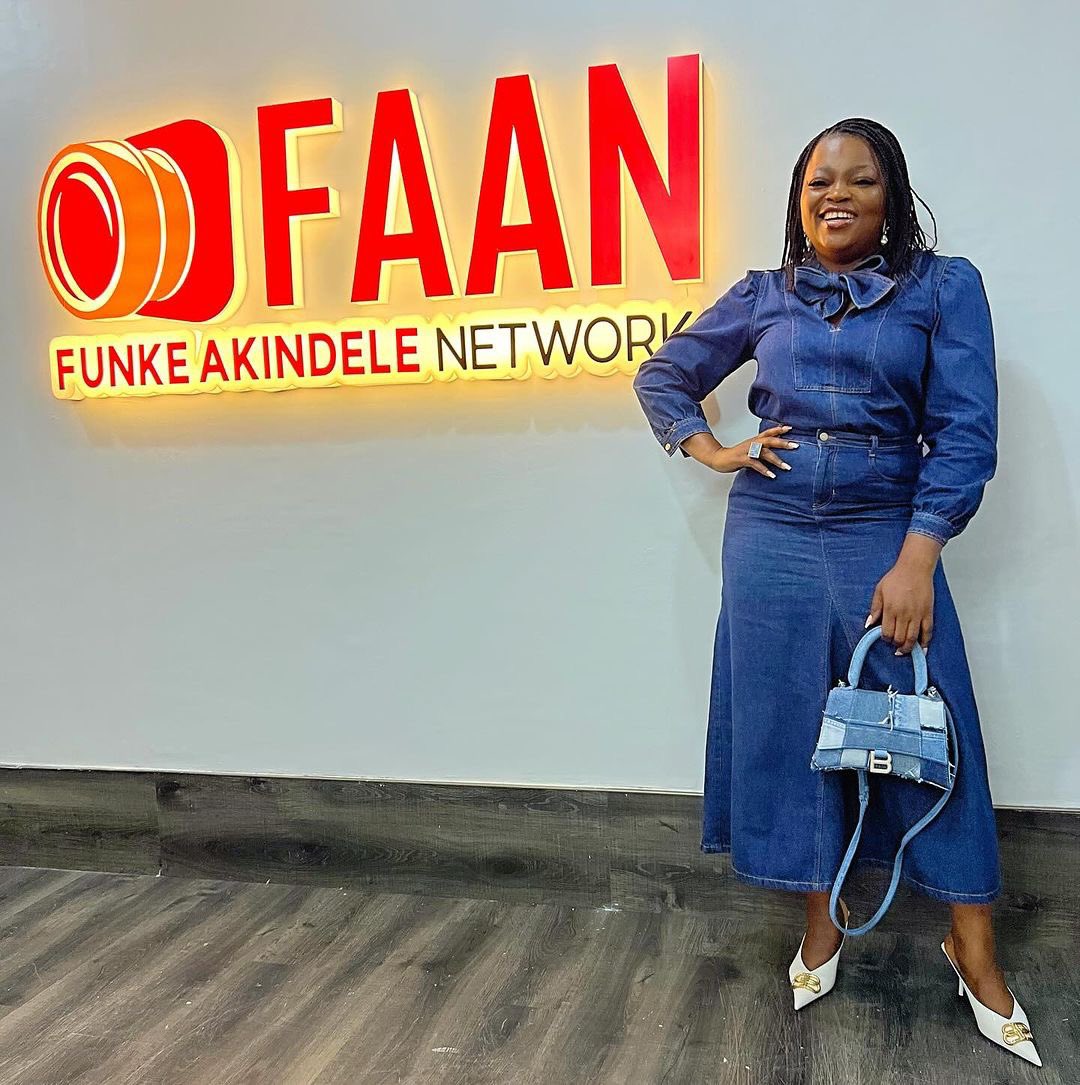
If Nollywood has a “first name” in commercial film success, it’s Funke Akindele.
Transitioning from her beloved role in Jenifa to directing juggernauts, Akindele has rewritten the rules of the Nigerian box office. Her 2023 blockbuster, A Tribe Called Judah, didn’t just smash records—it made history as the first Nollywood film to gross over ₦1 billion.
She followed that triumph with Omo Ghetto: The Saga, Battle on Buka Street, and Everybody Loves Jenifa—each a box office hit. With a cumulative gross of over ₦4.7 billion, Akindele currently holds the title of highest-grossing director in Nigerian cinema history.
What’s remarkable is her formula: combining humor, strong family dynamics, and relevant social commentary, she crafts stories that every Nigerian can see themselves in. Her films are more than just entertainment—they’re cultural snapshots.
2. Bolanle Austen-Peters – The Cultural Archivist
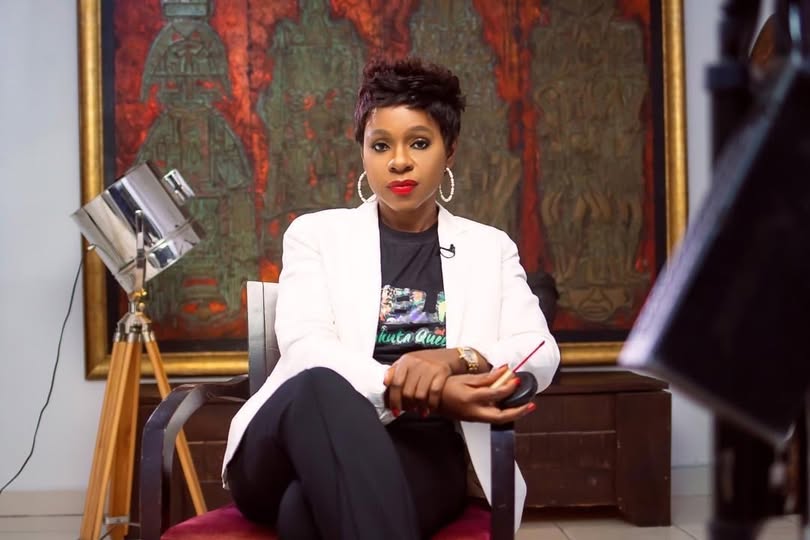
Bolanle Austen-Peters wears many hats: filmmaker, theatre producer, and cultural ambassador. But at her core, she’s a storyteller on a mission to protect and project African heritage.
Her directorial debut, 93 Days, chronicled Nigeria’s Ebola outbreak with unflinching accuracy and emotional weight. She followed that with The Bling Lagosians and Collision Course, both of which dug into themes of excess, justice, and identity.
But it was her 2024 biopic, Funmilayo Ransome-Kuti, that elevated her to a different league. The film became the highest-grossing biopic in West African cinema. Meanwhile, her Netflix release House of Ga’a entered the Top 10 Global Chart for Non-English Films—a rare feat for Nollywood.
Through her lens, Austen-Peters is building a library of African stories that will outlive us all.
Read: Kemi Adetiba Returns with Gritty Netflix Drama “To Kill A Monkey”
3 Kemi Adetiba – The Genre Visionary
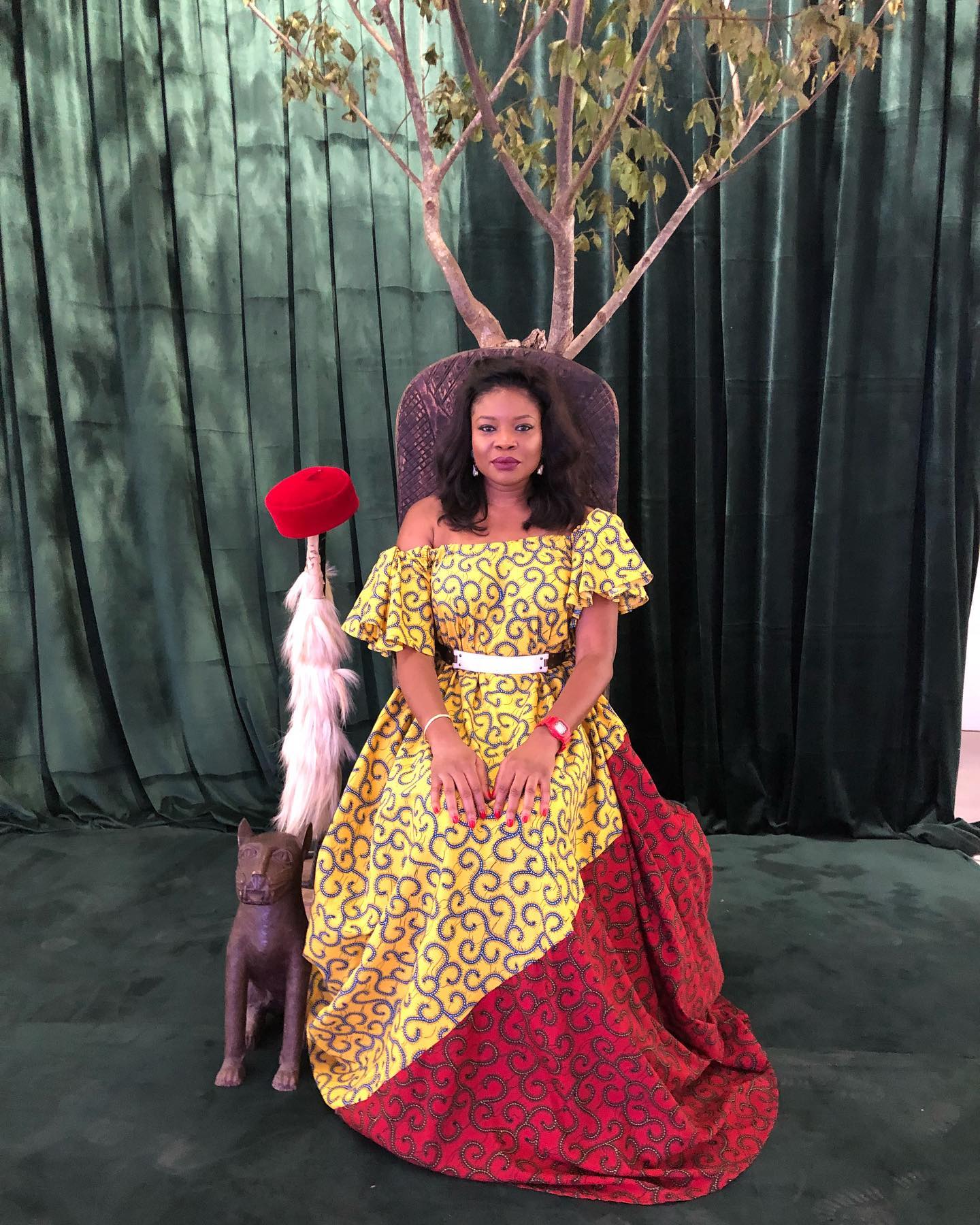
Kemi Adetiba is not afraid to take risks, and Nollywood is better for it.
Her leap from music video directing to blockbuster filmmaking brought us The Wedding Party, which was once Nigeria’s highest-grossing film. But her most acclaimed work came in 2018 with King of Boys—a political thriller that proved women could lead dark, complex, high-stakes stories.
Earlier this year, she made another pivot with To Kill A Monkey, a Netflix crime drama about friendship, temptation, and survival in a world ruled by cybercrime. For the first time, she directed without longtime collaborator Sola Sobowale, signaling a new chapter in her artistic evolution.
Adetiba’s brilliance lies in her sharp visual storytelling, fearless subject matter, and ability to create unforgettable characters—flawed, fierce, and fully human. She doesn’t just make films; she makes statements.
4. Jade Osiberu – The Action Architect
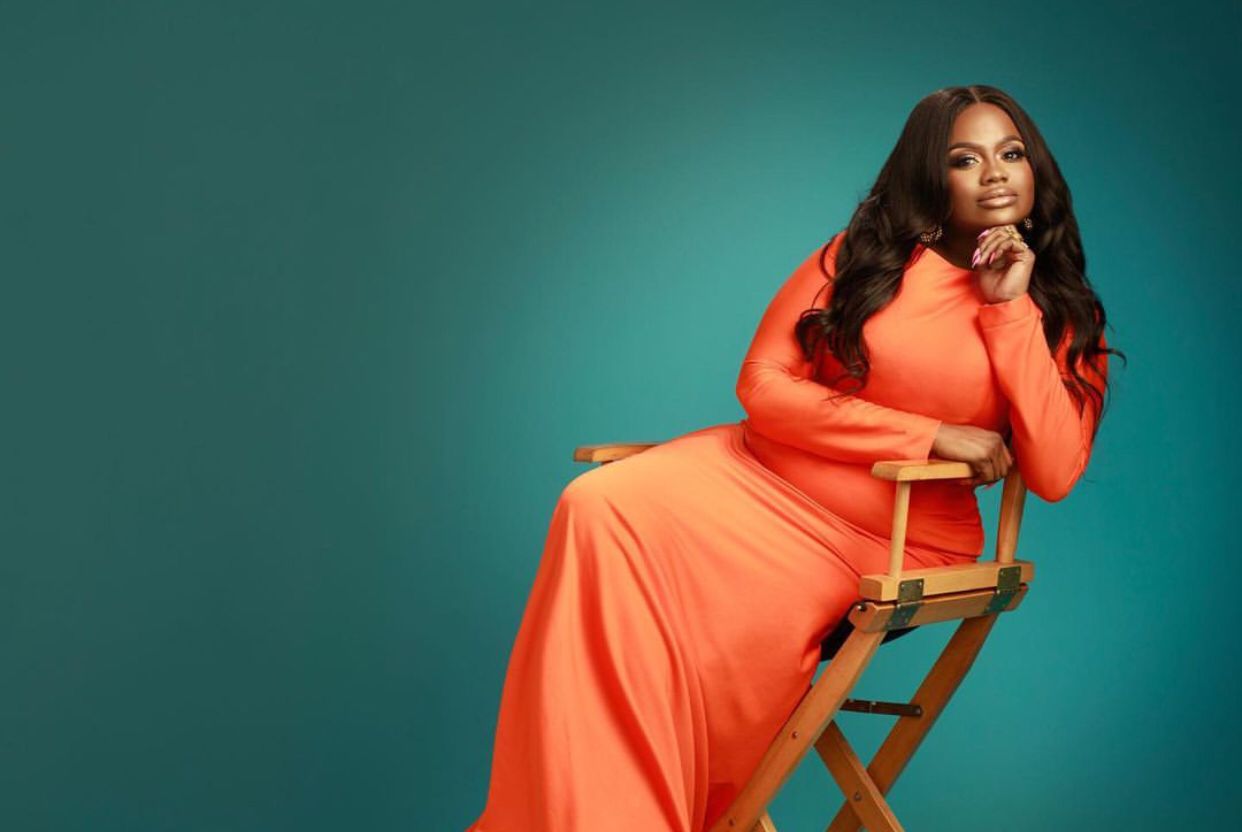
In an industry where action films were once scarce, Jade Osiberu has built a niche—and dominated it.
Her career began with the romantic hit Isoken, but Osiberu quickly shifted gears. Sugar Rush showed her knack for comedy and thrills. Then came Brotherhood and Gangs of Lagos, both of which solidified her as Nollywood’s action queen.
Gangs of Lagos holds the distinction of being the first Nigerian Original to debut on Amazon Prime Video, setting the tone for future international streaming collaborations.
Through her production company, Greoh Studios, Osiberu is building a genre-focused empire, combining urban storytelling with cutting-edge visuals and breakneck pacing. Her work reflects modern Nigerian life—chaotic, beautiful, and unrelentingly fast.
5. Biodun Stephen – The Emotional Realist
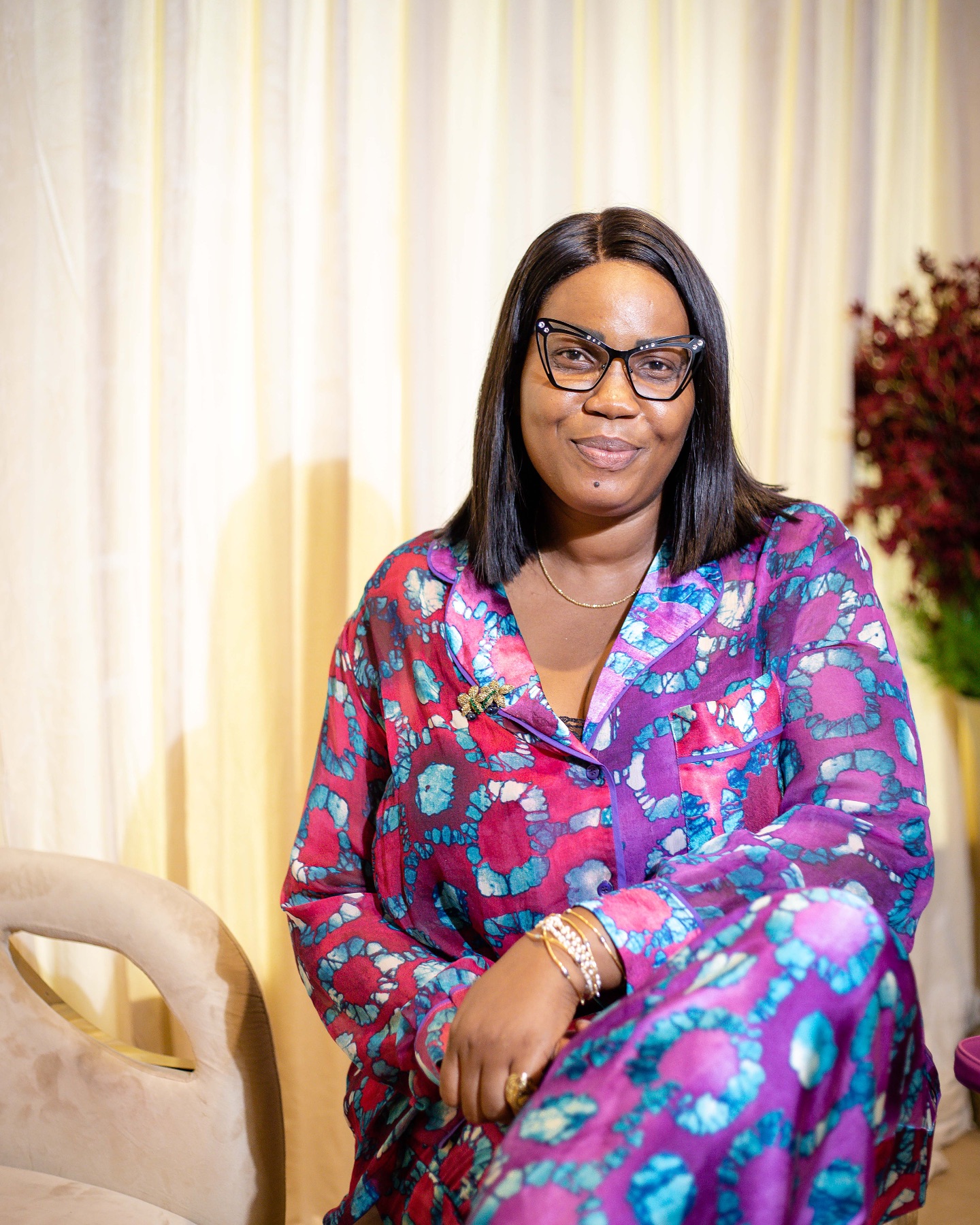
Biodun Stephen doesn’t need car chases or political conspiracies to move audiences. Her superpower is empathy.
With hits like Picture Perfect, Breaded Life, Sista, and Introducing the Kujus, Stephen has mastered the art of telling emotionally grounded stories. Her characters deal with everyday issues—family drama, romantic dilemmas, generational conflicts—but she handles them with a warmth and relatability that’s rare.
Stephen’s films often reflect personal truths. “I draw inspiration from my own life and the lives of those around me,” she once said. That honesty resonates with audiences across all demographics.
Her success has also translated into awards and critical recognition, including Best Director at the 2016 Maya Awards Africa. She proves that quiet storytelling can still make a loud impact.
6. Tope Oshin – The Television Titan
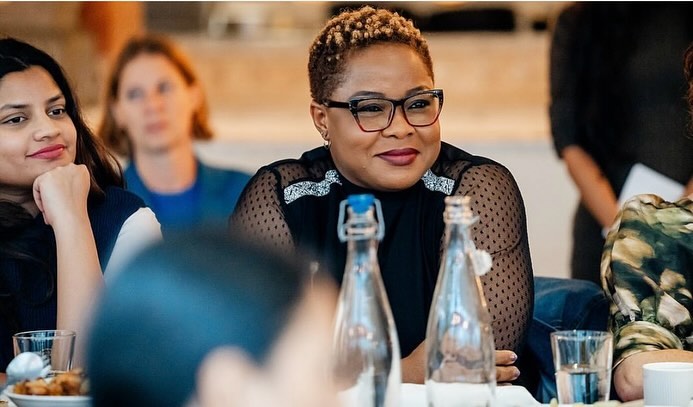
Tope Oshin may not dominate headlines like some of her peers, but her contributions to Nollywood are profound and lasting.
With directing credits on Tinsel, MTV Shuga, and Up North, Oshin has shaped the visual language of contemporary Nigerian TV and film. She’s known for tackling bold themes—youth identity, sexuality, health—with nuance and sincerity.
What sets Oshin apart is her advocacy. She is a vocal champion for female representation in the industry, consistently mentoring young women and producing content that reflects diverse female perspectives.
Her influence may not always be front and center, but her legacy is undeniable.
Read: Israel Adesanya: First Nigerian in UFC Hall of Fame
Why These Women Matter
These directors are more than filmmakers—they are cultural architects.
Each one brings something unique to the table: box office dominance, historical preservation, genre expansion, emotional authenticity, and social activism. Collectively, they have helped redefine Nollywood’s global narrative.
Their success challenges old systems and opens doors for a new generation of female storytellers. They show that women can lead commercially, artistically, and technically in an industry long ruled by men.
They also reflect Nollywood’s growing complexity. No longer limited to love stories and slapstick comedy, the industry now thrives on variety, thanks in large part to these visionary women.
Lights, Camera, Legacy
These women are not just directors—they are trailblazers, risk-takers, and storytellers of the highest order.
In an industry hungry for originality, their voices stand out. Their stories reflect Nigeria in all its beauty, chaos, vulnerability, and strength. And perhaps most importantly, they are inspiring a new generation of women to pick up the camera and direct their own narratives.
Nollywood’s future is undoubtedly female—and we’re already watching it unfold, one powerful frame at a time.