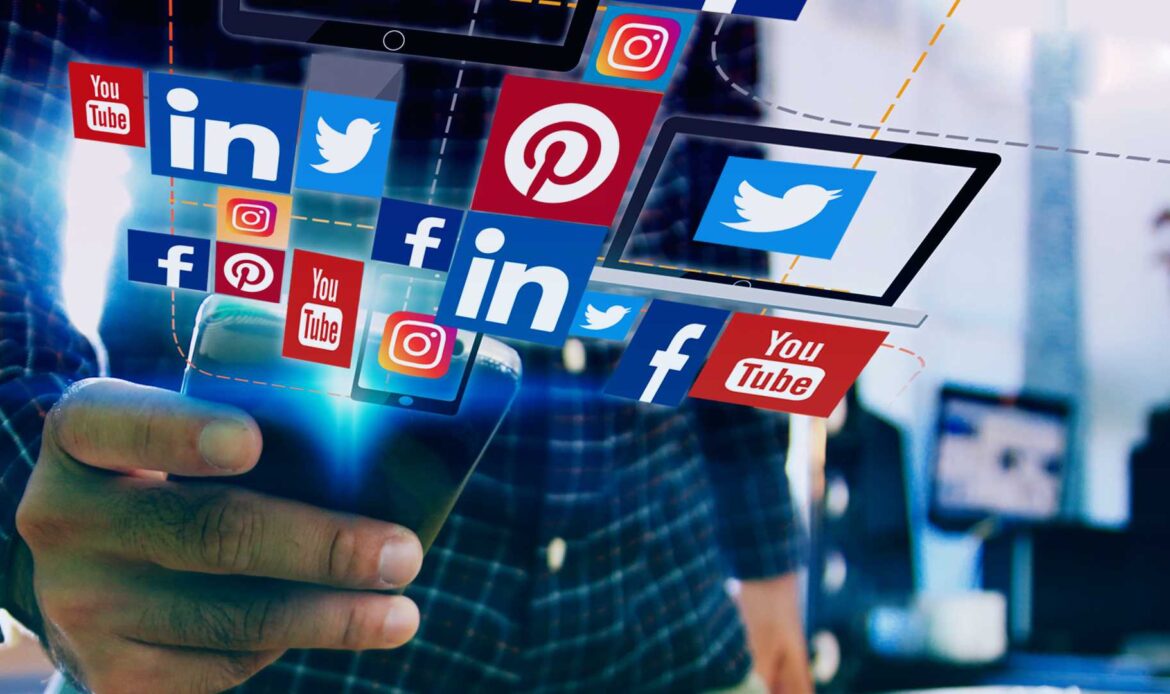
In the age of hyperconnectivity, where a video can go viral in minutes and memes cross borders faster than diplomacy, our cultural identity is being reshaped in unprecedented ways. One question is quietly redefining how we understand ourselves: Who are we, when we’re online?
Cultural identity—once rooted in geography, tradition, and face-to-face social interaction—is being reshaped by the internet’s limitless possibilities. Online communities, once seen as mere forums for fandoms and fringe interests, are now central spaces for people to express, negotiate, and even create their cultural identities anew. This is the age of digital diasporas, where culture lives, morphs, and thrives across screens.
From geography to physical location: your language, food, customs, dress, and even values were restrained. The internet has become a second homeland—especially for younger generations and global diasporas—where people connect not just based on location, but shared interests, heritage, and ideology.
Think of a Nigerian-American teenager in Los Angeles bonding over Afrobeats and pidgin English memes with someone in Lagos. Or queer youth in conservative areas finding acceptance and language for their identity in global LGBTQ+ Reddit threads. These digital bonds are not only emotional—they are cultural.
Culture in the Cloud: What Are We Talking About?
Culture is more than music or food. It’s the lens through which people interpret the world. Online communities are now:
- Preserving endangered cultures: YouTube channels teaching near-extinct languages like Ainu or Welsh are gaining global followings.
- Merging and remixing traditions: TikTok creators blend South Asian dance styles with hip-hop, or Indigenous regalia with contemporary streetwear.
- Creating entirely new cultural expressions: Internet-native subcultures like vaporwave, cottagecore, and “corecore” are as valid as traditional aesthetic movements.
These aren’t just pastimes—they’re how a generation is defining themselves.
Read more: The Role of Storytelling in African Cultures
The Rise of the Digital Tribe
Sociologists used to describe cultures as “imagined communities”—groups of people who share a connection through common symbols, language, or shared myths. Online communities are the newest evolution of these tribes, often formed around:
- Niche interests (e.g., anime, knitting, crypto art)
- Shared struggles (e.g., chronic illness forums, immigrant support groups)
- Ideological alignment (e.g., environmentalism, feminism, crypto-libertarianism)
Platforms like Discord, Reddit, and TikTok have enabled the rise of microcultures that transcend national identity. These communities provide not only a sense of belonging but also tools for cultural expression, preservation, and resistance.
Digital Diasporas: A Home Away from Homeland
For immigrants and diasporic communities, online platforms act as cultural lifelines. Many second or third-generation immigrants often grow up with a diluted sense of their roots, but social media allows them to reconnect with their culture in a personal and modern way.
- On Instagram, pages like “Brown Girl Therapy” explore the mental health struggles of South Asian-American women.
- On YouTube, creators like Nabela Noor blend Bangladeshi traditions with American lifestyle content.
- Twitter and Clubhouse have seen entire rooms where Igbo, Tamil, or Haitian Creole are spoken, practiced, and celebrated.
These spaces aren’t just educational—they’re emotional sanctuaries. For many, being online is the only way to be authentically themselves.
Read more: 8 African Proverbs That Everyone Should Know
Risks and Realities
Despite the empowering potential of online communities, this digital redefinition of culture also brings risks:
- Echo chambers and extremism: Communities can foster inclusivity—or become breeding grounds for hate, misinformation, or radicalization.
- Cultural appropriation and misrepresentation: When memes and trends spread, they’re often stripped of context, leading to offensive or shallow interpretations.
- Digital colonialism: Dominant cultures (often Western) still control most of the platforms and algorithms, shaping which voices are amplified and which are buried.
What’s Next? The Future of Cultural Identity
As AI-generated art, virtual reality spaces, and the metaverse continue to evolve, the way we form and express cultural identity will only become more fluid. We may see:
- Virtual rituals replacing physical ones—imagine weddings or coming-of-age ceremonies in virtual realities
- Digital citizenship as a cultural identifier.
- Global-local fusion cultures that are born online but practiced in real life
Online communities have shattered the old molds of culture. What it means, how it’s passed on, and who gets to define it. They’ve made it more democratic, but also more complex. We are no longer just consumers of culture—we are co-creators.
In a world where connection is a click away, cultural identity is no longer inherited—it’s assembled, curated, and shared.
So the next time you’re in a Discord room learning slang from across the world, or laughing at a meme that only your niche subreddit would understand, remember: you’re not just online.
You’re home.