
You’ve probably heard the word Ekwe before. Maybe through Stereoman’s song or in passing. Maybe without ever stopping to ask what it actually meant.
For many Nigerians, the name first landed through pop culture, echoed in music and street conversations, stripped of context but heavy with rhythm. The sound felt familiar, even if the story behind it wasn’t. And that’s how many cultural objects survive today; present in memory, absent in understanding.
But long before the Ekwe became a reference point or a catchy hook, it served a purpose far more serious than entertainment. It spoke and summoned. It warned. And, it mostly gathered people who understood its language without needing words.
This isn’t a story about nostalgia or tradition for tradition’s sake. It’s about an object that once shaped daily life, carried authority, and still hums quietly beneath modern sound. To understand the Ekwe is to realise that some instruments were never meant to sit in the background.
They were meant to be heard and obeyed.
The Ekwe Is Not Just a Drum
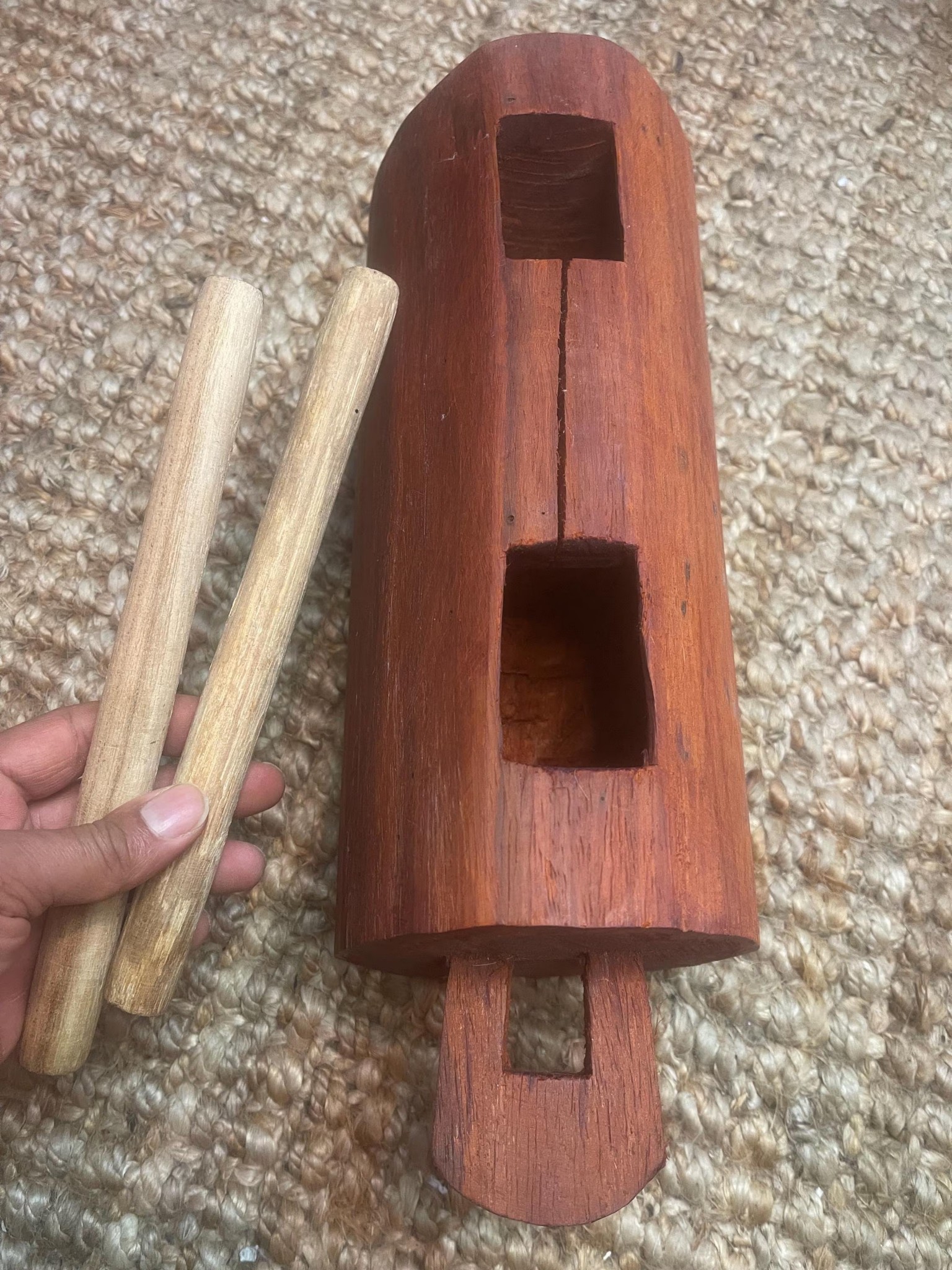
At first glance, the Ekwe looks simple. It is a piece of carved wood, often cut from a solid tree trunk and hollowed from the inside. A narrow rectangular slit runs across the top, carefully shaped, not decorative. This slit is the heart of the Ekwe. When struck with wooden sticks, it produces sharp, resonant tones that travel far beyond where the player stands.
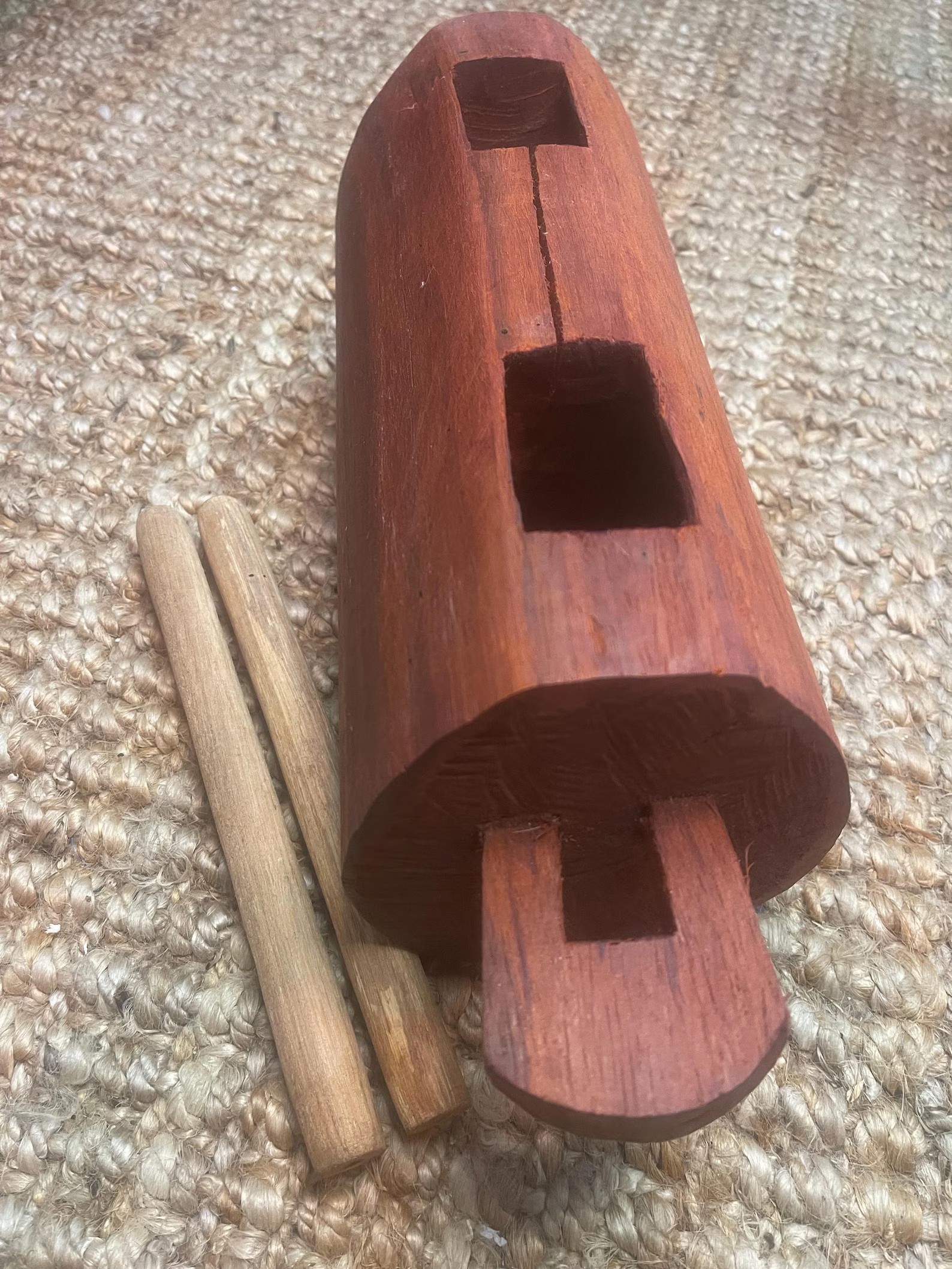
The Ekwe is not a drum in the usual sense. It has no skin stretched across it. Instead, it works as a slit drum, also called a wooden gong. Sound comes from vibration inside the hollow body, not from a membrane. That difference matters.
Some Ekwe are small enough to carry by hand. Others are large and heavy, fixed in one place and used for public announcements. The bigger the Ekwe, the deeper and more commanding the sound. Smaller ones speak faster and sharper.
Its design looks plain because it has a job to do. Every cut, curve, and hollow exists to push sound outward. Calling it “just a drum” ignores its real role. The Ekwe was built to communicate, not to entertain.
Read: The Eyo Festival: Everything You Should Know
The Ekwe as a Mode of Communication
Before phones, radios, or loudspeakers, communities relied on sound to stay connected. The Ekwe filled that role. It did not exist for background music or casual performance. It existed because people needed a way to speak to many others at once.
Specific rhythms carried specific meanings. A fast, urgent pattern could signal danger or summon people quickly. A steady, measured beat might announce a meeting, a visitor, or a community decision. During ceremonies, the rhythm changed again, marking moments that required respect or attention. People did not need explanations. They knew what each pattern meant because they grew up hearing it.
Town criers often worked with the Ekwe, using its sound to gather attention before delivering messages. In emergencies, its voice cut through distance and noise faster than any human shout could. The Ekwe did not belong to one person. It belonged to the town.
In this way, rhythm became language. Not spoken words, but shared understanding. When the Ekwe sounded, people paused, listened, and responded together. It shaped focus, movement, and collective action.
A Mix of Craft, Wood, and Quiet Skill
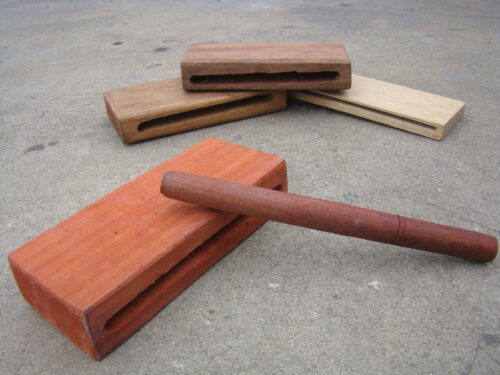
The Ekwe does not reveal its secrets at first glance. Behind its simple wooden body lies hours of careful work, patience, and deep understanding of wood. Padauk is often the choice, a reddish-orange hardwood that resists insects, ages gracefully, and carries sound with clarity. The craftsman selects a section of log, then hollows it with precision, shaping the interior so that every strike produces a pure tone.
Rectangular slits are carved at the top, each measured to create specific notes. The smallest variations in width, depth, or angle change the sound, giving the Ekwe its signature voice. Handles or straps are added for portability, but the focus is always on resonance.Making an Ekwe is not a rushed task. It demands attention to grain, patience in hollowing, and respect for the wood’s character. The instrument sounds the way it does because someone listened closely to the tree before it became music.
Read: What Do You Know About Idanre Hills
From Village Square to Modern Sound
Even today, the Ekwe refuses to be forgotten. In villages, its rhythm still marks festivals, ceremonies, and storytelling gatherings. In cities, modern musicians weave its tones into recordings, sampling its sharp, commanding voice to root contemporary beats in tradition.
Customization has become part of the craft, decorative carvings, painted patterns, and personal touches reflect cultural identity while keeping the instrument alive. The Ekwe is no longer just a messenger; it is a bridge between past and present, connecting generations with a sound that is unmistakably Igbo.
Its voice persists because it carries meaning beyond music. Each strike reminds listeners of community, attention, and shared understanding. The Ekwe proves that tradition can be flexible, enduring, and still deeply relevant.
Still Speaking, If You Listen
Next time you hear the word “Ekwe,” or catch its rhythm in a song, remember: it is more than a beat. It is a language, a presence, a tool that once shaped action and thought. Its sound travels farther than distance; it travels through time, culture, and memory.
The Ekwe hums quietly beneath modern noise, inviting those who will listen to pause, reflect, and connect with a tradition that still speaks. To follow the sound, to understand it, is to discover a living piece of Igbo heritage.
For more stories that unpack African culture, heritage, and everyday objects with hidden meaning, follow RefinedNG, because some sounds deserve attention beyond the rhythm.