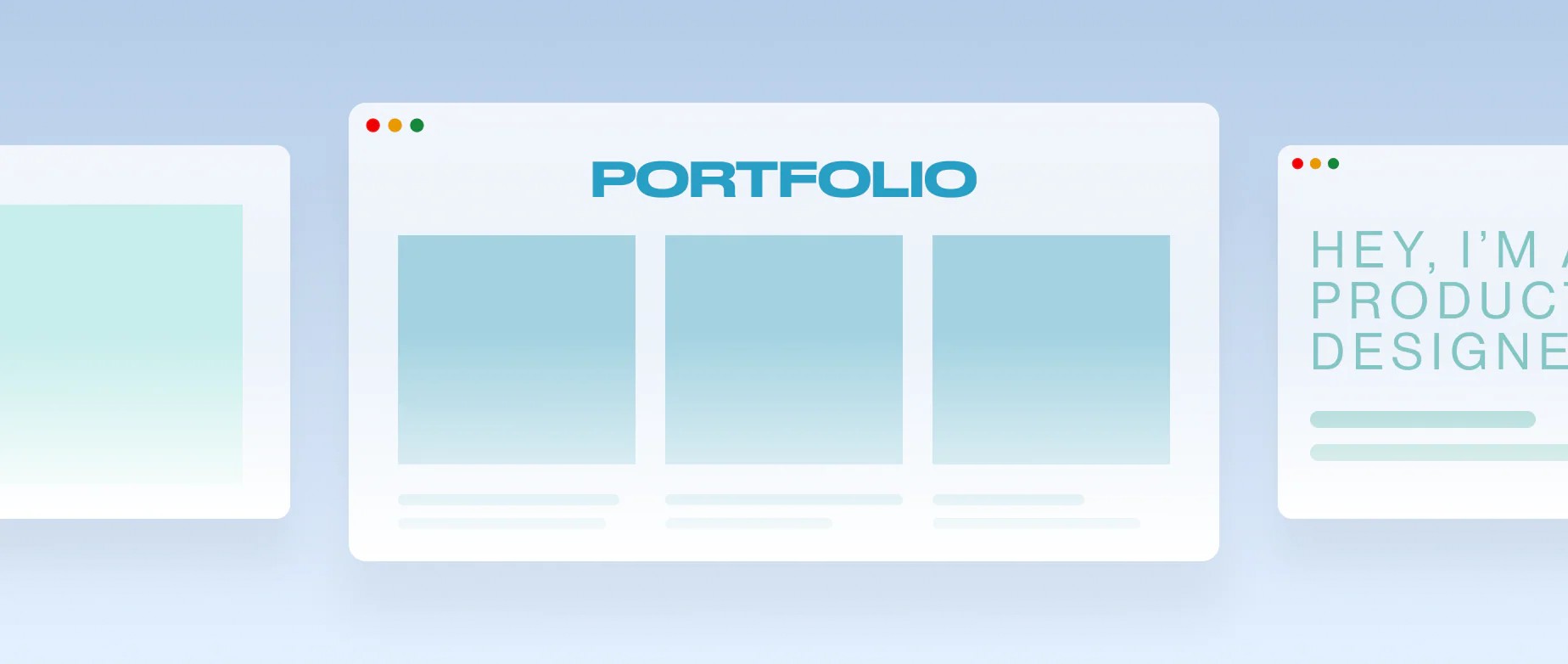
Why is a portfolio necessary? Have you ever tried explaining what you do to someone, and halfway through, you can tell they’re already lost? You say, “I manage campaigns” or “I write content” or “I design experiences,” and they nod politely with that look people give when they’re pretending to understand. It’s not that your work isn’t impressive—it’s that they can’t see it.
In today’s world, talent without visibility feels like shouting into the wind. Everyone says they’re “good at what they do,” but proof speaks louder than adjectives. That’s where portfolios come in. A portfolio is more than a digital folder of your work; it’s the story of your skill, told through evidence. Whether you’re a designer, marketer, engineer, or teacher, your portfolio is what turns invisible talent into undeniable credibility. Your skills don’t really exist in people’s minds until they can see them—and a portfolio makes that possible.
Why Portfolios Matter Now — The Era of Show, Don’t Tell
Once upon a time, a résumé was enough. You listed your degrees, a few bullet points about your experience, and hoped someone would take your word for it. But in today’s career landscape, words alone don’t cut it. Employers, clients, and collaborators want proof. They want to see what you’ve done, not just read what you claim you can do.
Peter Ogundairo, founder of Techwriteable, puts it well: for content professionals, authorship credit is the new CV. In other words, showing your work is the only way to prove you actually did it. The same principle applies beyond content. A UX designer might showcase Figma prototypes, a teacher might share student projects or lesson plans, a marketer could highlight campaign results, and an engineer could display GitHub repositories.
In every field, portfolios are becoming the new professional currency. They turn your abstract skills into visible evidence of value. And in a world overflowing with “professionals,” the people who show their competence always stand out over those who simply say they have it.
So, let’s get practical. Beyond the buzzword, what exactly makes a portfolio so powerful? Here are 4 reasons why you should build a portfolio.
Read: Peter Ogundairo: From Paychecks to Portfolios at Techwriteable
1. Portfolios Build Trust — Because Proof Beats Promise

There’s something powerful about proof. When people can see your work, they stop wondering if you’re capable and start believing that you are. It’s the psychology of transparency; seeing reduces doubt. A clean design, a well-written piece, a working project, all speak louder than your elevator pitch ever could.
In the content world, they refer to “credit as currency.” Your bylines and samples are receipts of your skill. But that logic stretches across every profession. A freelance developer who shares live project links instantly earns confidence. A sales professional who showcases case studies with measurable results builds credibility without saying a word.
Promises are easy; proof takes work. And that’s why people trust it more. A portfolio doesn’t just show that you’ve done something — it proves that you can do it again. And that, in any field, is what really sells.
2. Portfolios Track Growth — Your Career’s Highlight Reel
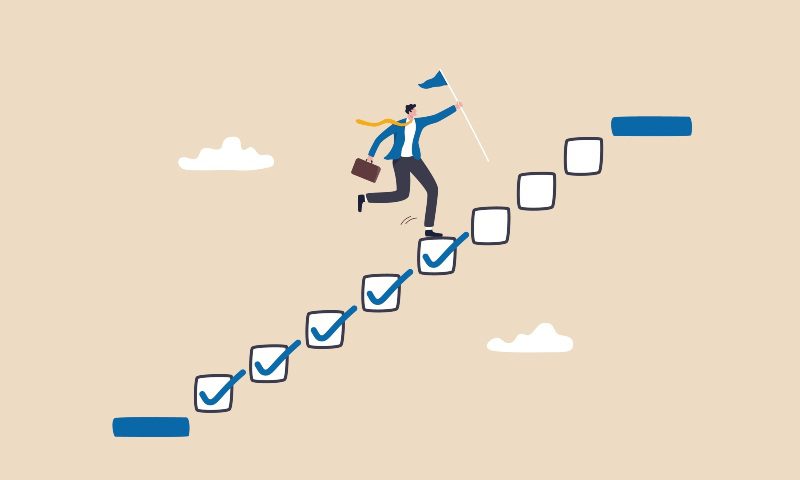
A good portfolio isn’t just for impressing others; it’s also for reminding yourself how far you’ve come. Think of it as a personal highlight reel; a space where your progress plays back in full color. It’s like scrolling through old selfies, except these ones actually help your career.
Every project you’ve done, every presentation, every piece of code, every campaign you’ve written — they tell the story of your evolution. When you document your work, you’re not just saving files; you’re capturing growth. You can look back and see how your skills, ideas, and confidence have developed over time.
Peter Ogundairo’s story is a perfect example. He started writing because he needed money, but by consistently documenting his work, he built credibility that grew into Techwriteable — a full career ecosystem. His path shows that progress doesn’t happen in secret. You grow when you can see where you started, and a portfolio gives you that mirror.
3. Portfolios Build Brand — Your Work, Your Story
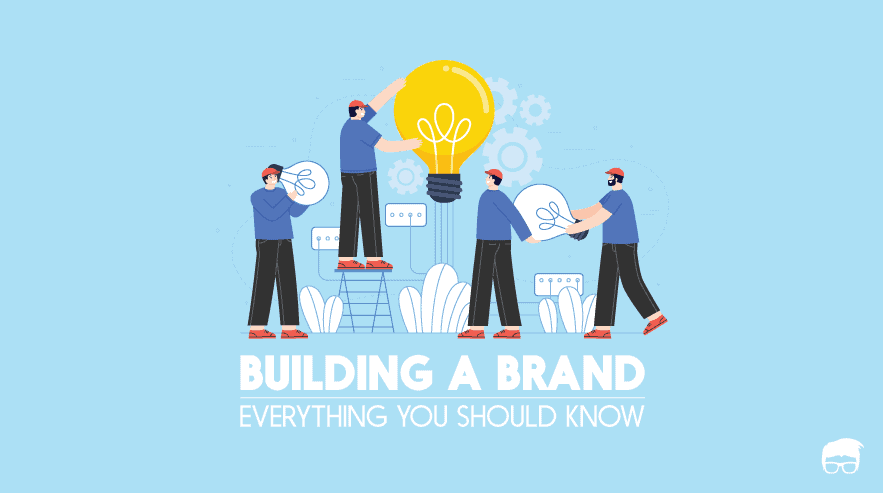
Your portfolio is more than a gallery of past work; it’s your personal brand in motion. It tells people who you are, not just what you do. The tone of your writing, the layout of your projects, even the colors or fonts you choose — they all whisper something about your personality and professionalism.
A project manager might include case studies that show how they turn chaos into clarity. A designer could share their thought process from concept to final mockup, proving that creativity isn’t just flair — it’s structure, too. A consultant might display before-and-after snapshots of a business they helped transform.
Your portfolio is like your LinkedIn, but with receipts. It’s where you prove that your “problem-solving” and “strategic thinking” aren’t just buzzwords — they’re habits. But here’s the catch: you don’t need to show everything you’ve ever done. The real power of a portfolio lies in curation — showing the right things, not all the things.
Read: Skill Stacking 101: Combine What You Know to Create Something Unique
4. Portfolios Create Opportunities — Because Luck Favors the Visible

Here’s the thing about opportunities: they don’t knock on invisible doors. People can’t hire, recommend, or collaborate with what they can’t see. Sometimes, visibility does more for your career than a hundred applications ever could. Picture this — you share a project online, someone reposts it, and before you know it, a recruiter slides into your DMs saying, “Hey, we’ve been looking for someone who does exactly this.”
That’s not luck. That’s visibility working in your favor.
And no, you don’t need a fancy website or a personal tech team. Platforms like LinkedIn, Behance, GitHub, Notion, or even a well-curated Google Drive can serve as your digital portfolio. The goal isn’t perfection; it’s accessibility. Your portfolio should be easy to find, easy to browse, and impossible to forget.
When your work lives online, it keeps working even when you’re asleep. That’s how opportunities find you — not by chance, but because you chose to show up.
Make Your Work Work for You
A portfolio isn’t vanity. It’s a living record of effort, creativity, and proof that you’re evolving. Every project you’ve completed, every lesson you’ve learned, every skill you’ve honed — they all deserve a place to exist beyond your memory or résumé.
Peter Ogundairo in a recent interview with RefinedNG described success for content professionals as a mix of education, brand, and opportunity. A portfolio sits right at that intersection. It’s where your learning meets your identity and where both open doors to new possibilities.
So stop waiting for someone to ask what you can do — start showing them. You already have the work; now give it somewhere to live. Whether it’s a blog, a Behance page, or a simple Notion board, your portfolio is your proof of progress.
And if you’re serious about growing, stay connected. Follow RefinedNG for more career insights, learning tips, and stories that help you grow — one proof of progress at a time.